Can You Ride an Electric Scooter in Snow and Ice? (2026 Guide)
Riding an electric scooter in snow and ice is possible but risky. Learn how to prep your ride, which models handle winter best, and when to stay indoors.
جدول المحتويات
- Can You Ride an Electric Scooter in Snow and Ice?
- Key Risks of Riding in Snow and Ice
- Loss of Traction
- Battery Performance Drops
- Electrical and Mechanical Issues
- How to Ride Safely in Winter Conditions
- Choose the Right Scooter
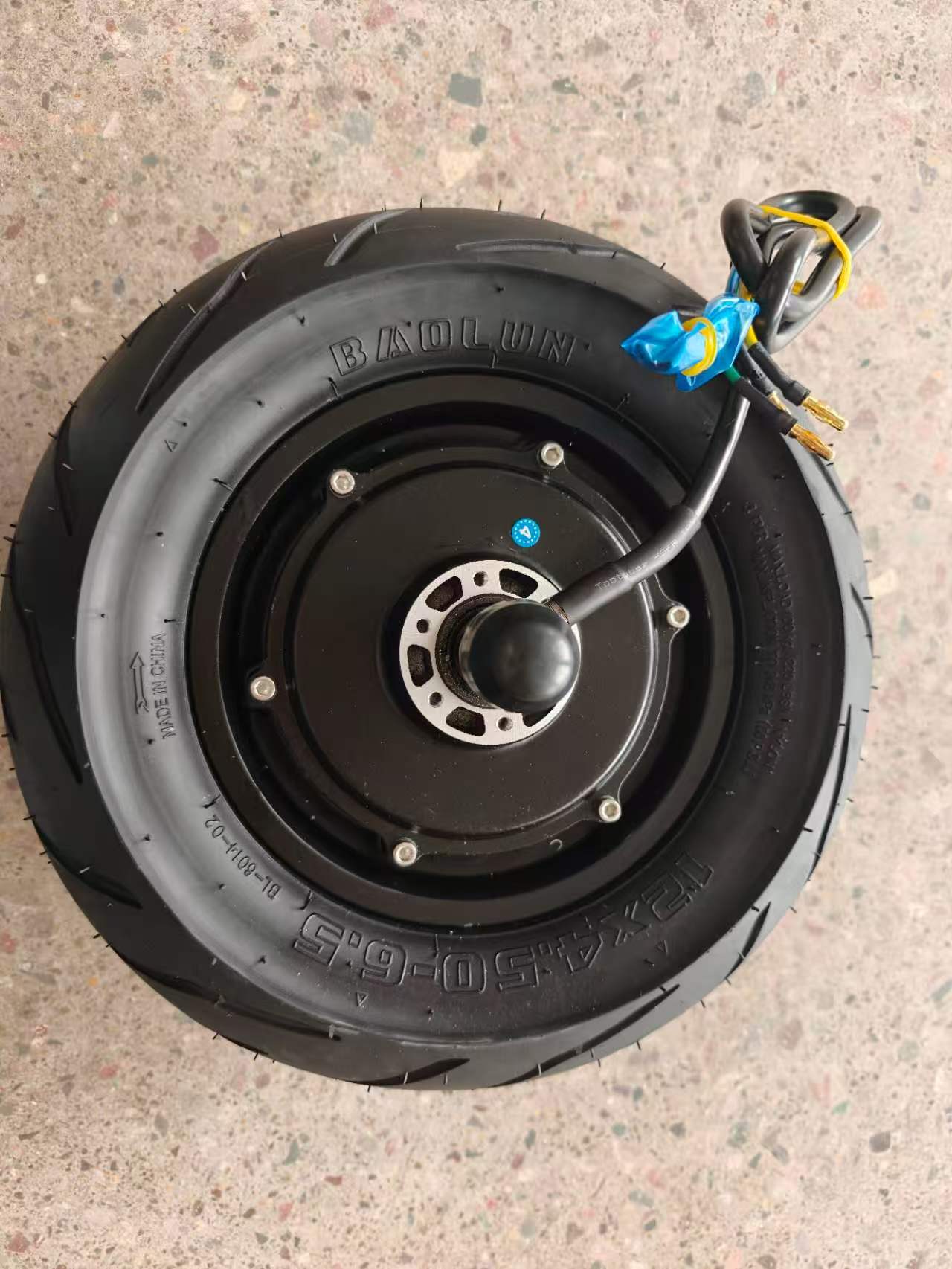
- Upgrade Your Tires
- Adjust Your Riding Style
- Dress for the Fall
- Battery Care in Cold Weather
- Maintenance Tips After Winter Rides
- When to Avoid Riding Altogether
- FAQ
- Can I ride my electric scooter on ice?
- Do electric scooter batteries die in cold weather?
- What is the best electric scooter for snow?
- Can I use a regular electric scooter in winter?
- Should I get studded tires for my electric scooter?
- Final Verdict: Is Winter Riding Worth It?
Can You Ride an Electric Scooter in Snow and Ice?
Short answer: Yes, you can — but with serious caveats. Most electric scooters are not designed for snow or ice, and riding on slippery surfaces increases your risk of falls, loss of control, and battery damage. However, with the right scooter, proper tires, and cautious technique, some riders do manage short commutes in light snow. In this 2026 guide, we break down what you need to know before heading out, how to winterize your scooter, and which models (like the Zwheel ZSD1 or Zwheel ZSB2) are better suited for cold-weather riding.
Key Risks of Riding in Snow and Ice
Loss of Traction
The most obvious danger is reduced grip. Standard scooter tires — especially slick street tires — have minimal tread and are designed for dry asphalt. On snow or ice, they lose traction easily, making turns and braking unpredictable. Even with off-road tires, black ice is nearly impossible to detect until you're already sliding.
Battery Performance Drops
Lithium-ion batteries lose efficiency in cold temperatures. At 32°F (0°C), you can expect a 20-30% range reduction; at 0°F (-18°C), that jumps to 50% or more. Additionally, charging a frozen battery can cause permanent damage. Always let your scooter warm up indoors before plugging it in.
Electrical and Mechanical Issues
Snow and road salt can corrode electrical connectors, bearings, and brake lines. Water ingress into the deck or display can cause shorts. Most scooters have an IPX4 rating (splash-resistant) at best, which is not enough for heavy slush.
How to Ride Safely in Winter Conditions
Choose the Right Scooter
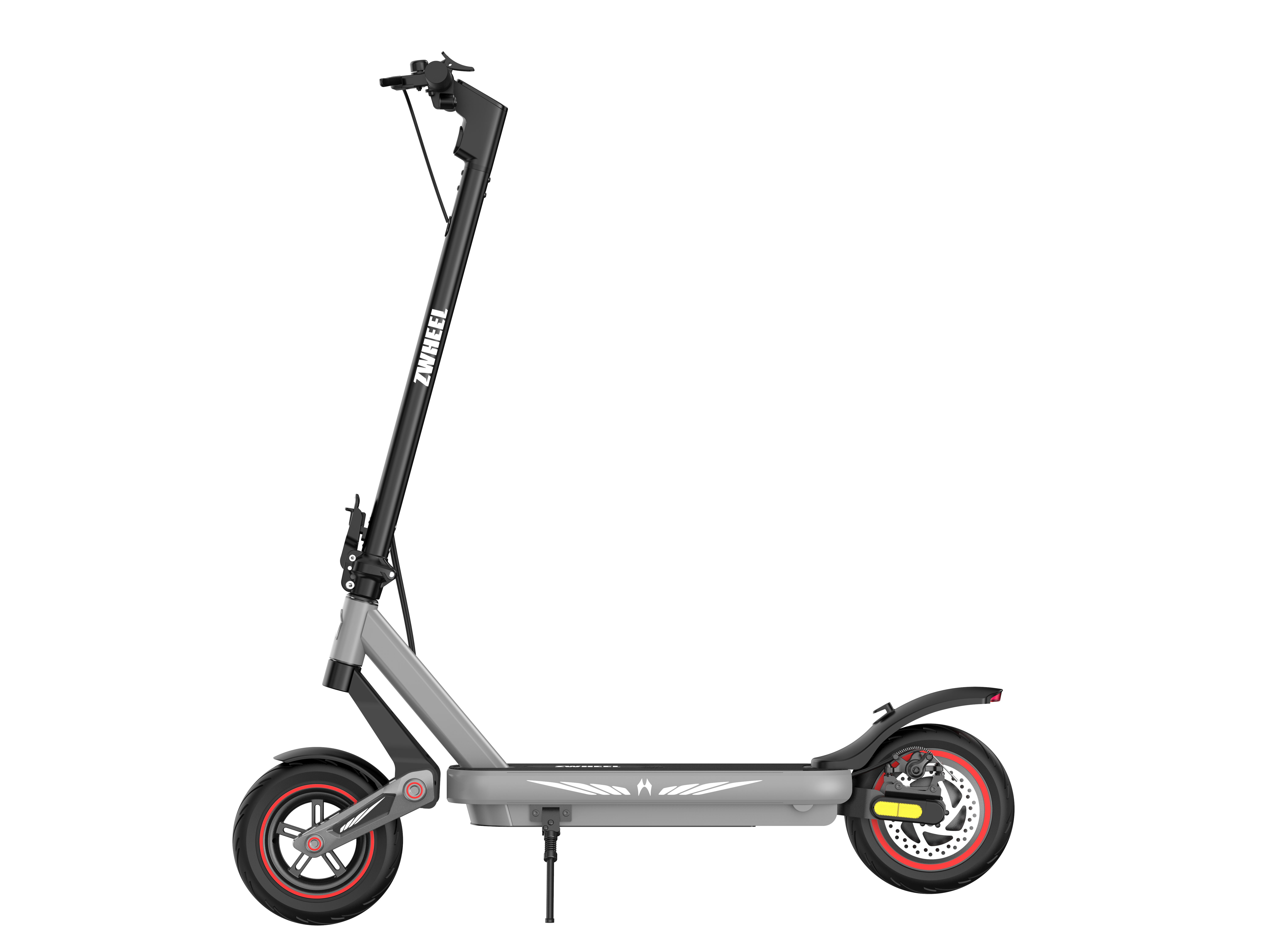
Not all scooters are created equal. For snow and ice, look for:
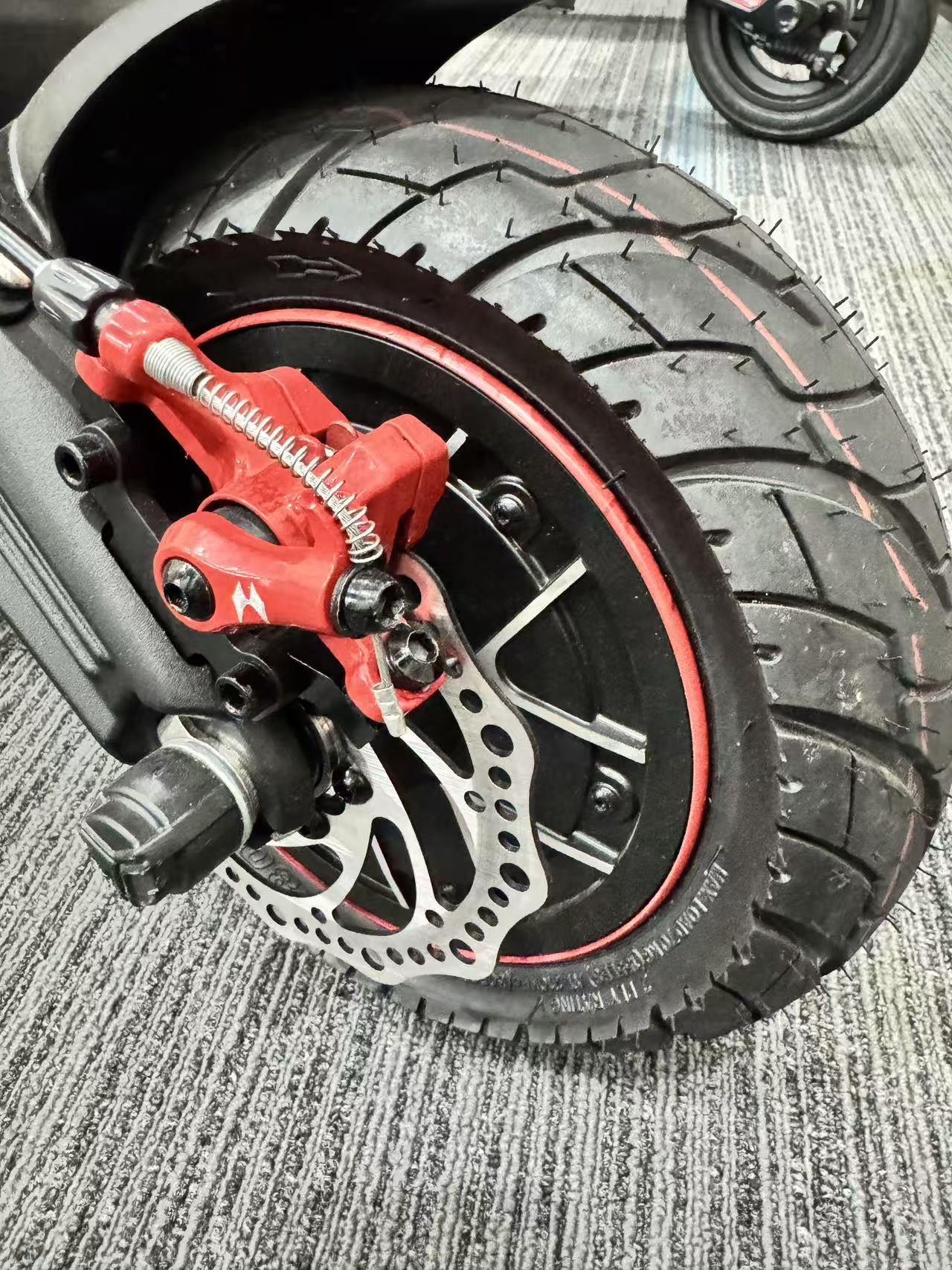
- Pneumatic tires with deep tread — air-filled tires provide better shock absorption and grip.
- Dual motors — they offer better acceleration control and help you power through slush.
- Higher ground clearance — to avoid getting stuck on snow mounds.
- IP65 or higher water resistance — to protect against moisture.
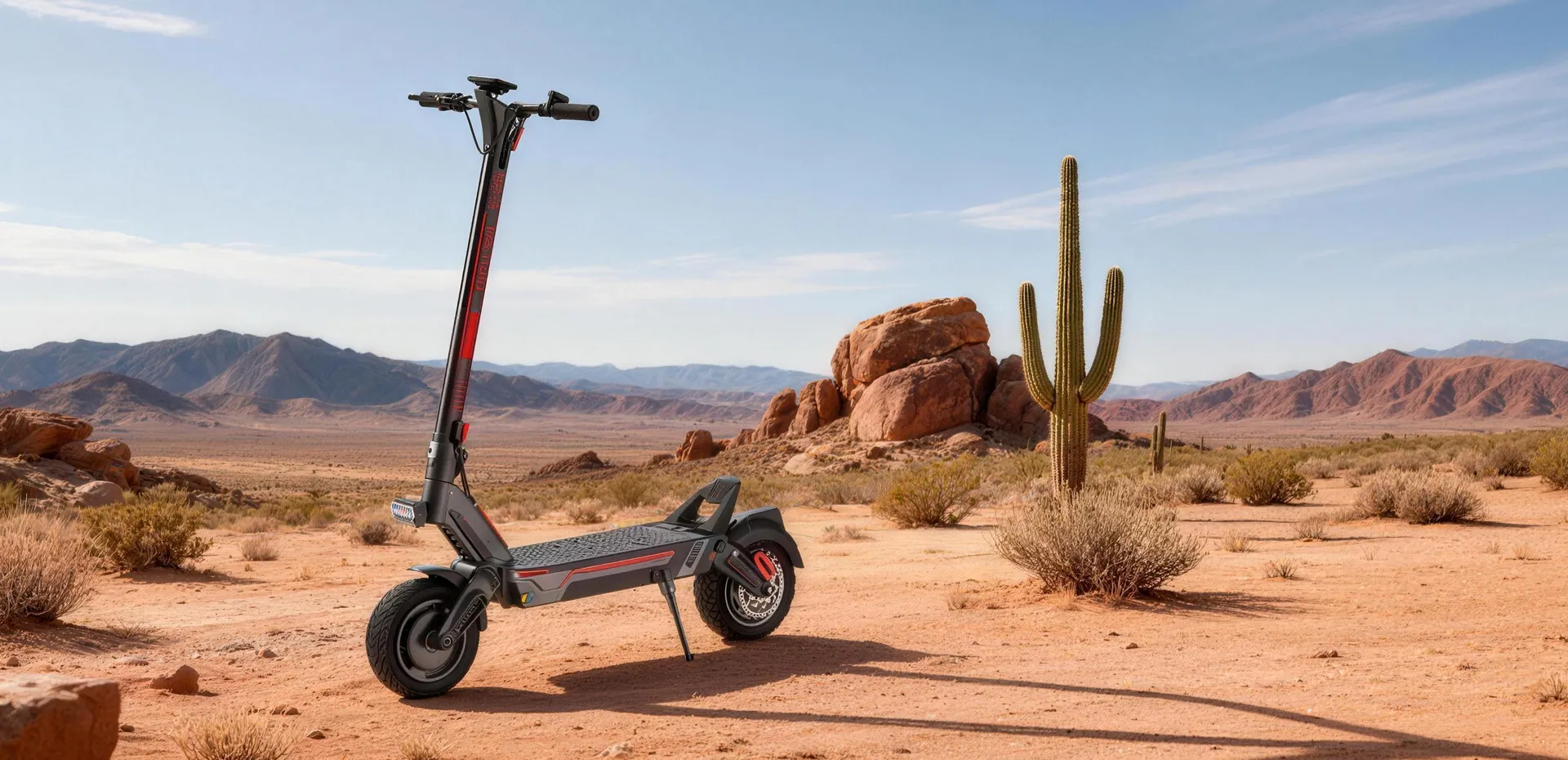
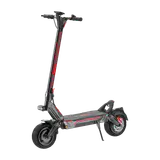
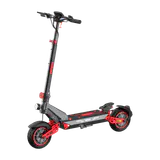
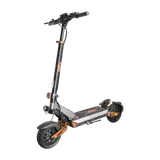
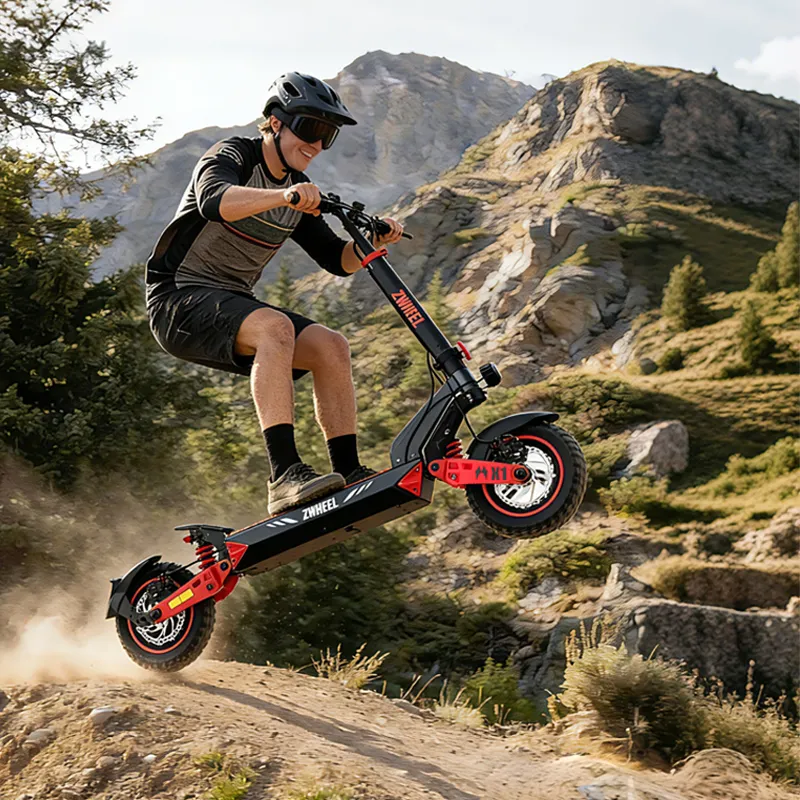
Models like the Zwheel ZSD1 (2000W, off-road, mountain) or the Zwheel ZSD2 (4000W) are built for rugged terrain and handle light snow better than commuter scooters. For mixed conditions, the Zwheel ZSB2 (1500W, all-terrain) is a solid choice.
Upgrade Your Tires
If you're committed to winter riding, consider swapping to studded or winter tires. Studded tires have metal pins that bite into ice, dramatically improving traction. Some aftermarket options fit popular scooter models. If you can't change tires, at least inflate them to the recommended PSI — slightly lower pressure can increase the contact patch, but don't go too low or you'll risk pinch flats.
Adjust Your Riding Style
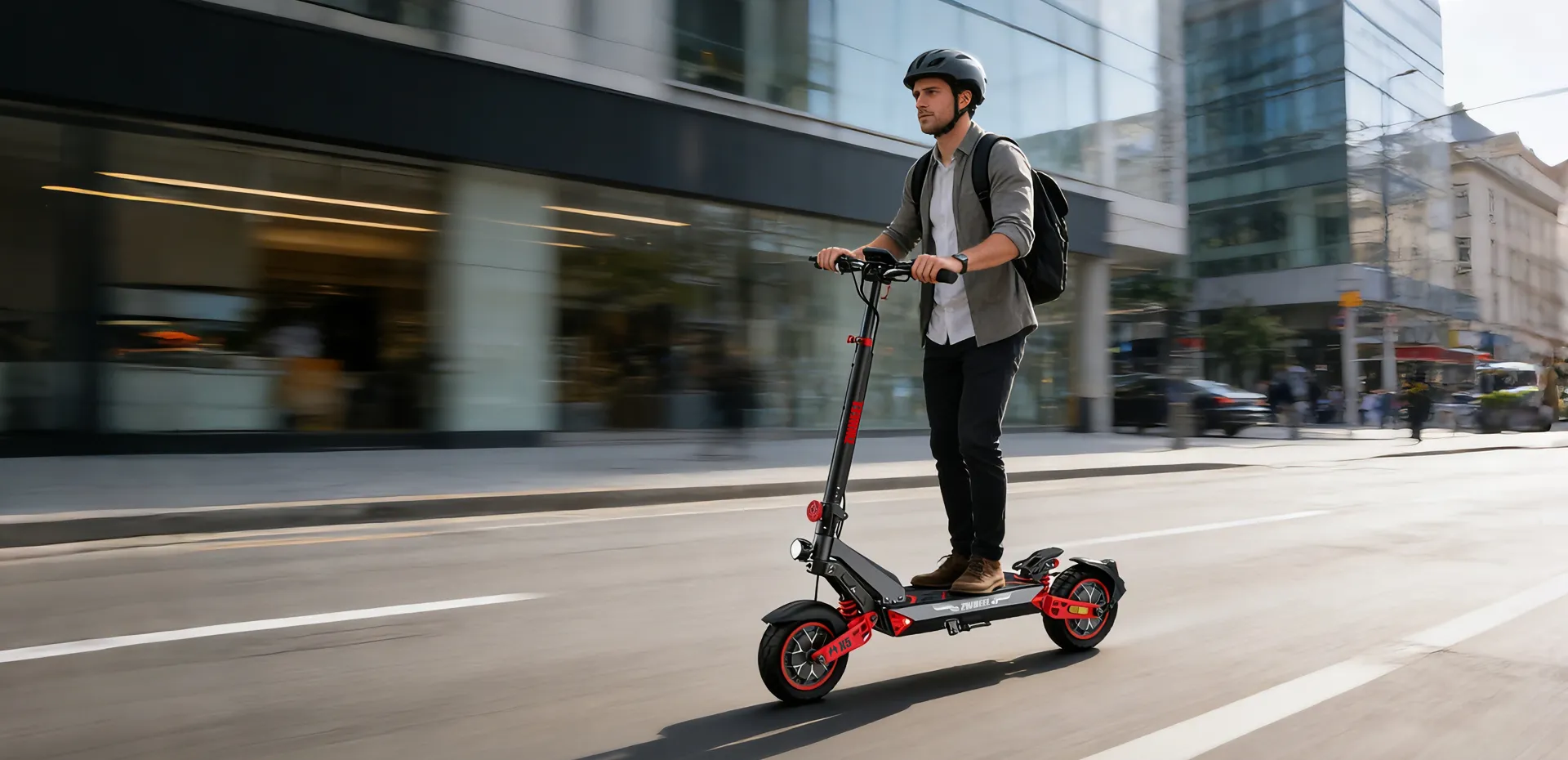
- Slow down — reduce speed by at least 50% compared to dry conditions.
- Avoid sudden inputs — accelerate and brake gradually, and lean gently into turns.
- Use both brakes — but apply them gradually, especially the front brake, to avoid locking the wheel.
- Stand with knees bent — this lowers your center of gravity and helps absorb shocks.
- Scan ahead for ice patches — shiny or darker spots on the road are telltale signs.
Dress for the Fall
Even if you don't plan to fall, you might. Wear a helmet with a visor or goggles, insulated gloves, and padded clothing. Consider adding reflective gear for low visibility — winter days are shorter, and snow can reduce visibility for drivers.
Battery Care in Cold Weather
Your battery is the heart of your scooter. To keep it alive through winter:
- Store your scooter indoors — never leave it outside in freezing temps.
- Charge at room temperature — wait until the scooter has warmed up for at least 30 minutes before plugging in.
- Keep the battery above 20% charge — cold discharge can cause voltage sag and stress the cells.
- Use eco mode — lower power output reduces strain and extends runtime.
Maintenance Tips After Winter Rides
After riding in snow or slush, take these steps to prevent rust and corrosion:
- Wipe down the scooter with a dry cloth immediately.
- Dry the brakes by applying them a few times while the scooter is stationary.
- Inspect the tires for cuts or embedded debris.
- Apply a silicone-based lubricant to exposed metal parts (not the brake disc).
- Check the deck screws and folding mechanism for tightness.
When to Avoid Riding Altogether
No scooter is safe on black ice or during a blizzard. If the temperature is below 20°F (-6°C) or there's more than an inch of fresh snow, consider alternate transport. Also, if your scooter has a low IP rating (like IPX4), do not ride in heavy rain or freezing rain — water ingress can be catastrophic.
FAQ
Can I ride my electric scooter on ice?
It's extremely risky. Even with studded tires, ice offers minimal grip. If you must ride, go at walking speed and avoid sudden turns or braking. Most riders would be safer walking.
Do electric scooter batteries die in cold weather?
Cold reduces battery capacity temporarily. At 32°F, expect a 20-30% range drop; at 0°F, it can be 50% or more. The battery won't permanently die unless you charge it while frozen, which can cause damage.
What is the best electric scooter for snow?
The Zwheel ZSD2 (4000W) is one of the most powerful off-road scooters in its class, with dual motors and large pneumatic tires that handle snow reasonably well. For a more budget-friendly option, the Zwheel ZSB1 (1200W, off-road) is also a good pick.
Can I use a regular electric scooter in winter?
Technically yes, but only in light, dry snow and with extra caution. Commuter scooters with solid tires are not recommended — they have almost no grip on slippery surfaces. If you own a commuter model like the Zwheel ZSA Plus, consider using it only on clear, dry days.
Should I get studded tires for my electric scooter?
If you plan to ride on ice regularly, yes. Studded tires significantly improve traction on ice and hard-packed snow. They cost between $50-$100 per tire and are available for many popular scooter models. Remember to remove them when spring arrives to avoid damaging dry pavement.
Final Verdict: Is Winter Riding Worth It?
Riding an electric scooter in snow and ice is possible, but it demands respect for the conditions. With the right equipment, careful riding, and proper battery care, you can extend your riding season safely. However, for most riders, winter is the time to hang up the scooter and switch to other transport. If you do choose to ride, invest in a winter-ready model like the Zwheel ZSD1 or Zwheel ZSB2, and always prioritize safety over convenience.
بقلم
Zwheel Team
عضو في فريق تحرير Zwheel، يغطي اتجاهات التنقل الكهربائي وأدلة المنتجات ونصائح الركوب.