Electric Scooter Folding Mechanism Maintenance Tips
A worn folding mechanism can ruin your ride—or cause a crash. Learn how to clean, lubricate, and inspect your electric scooter's hinge with these expert maintenance tips.

جدول المحتويات
- Why Folding Mechanism Maintenance Matters
- How Often Should You Maintain the Folding Mechanism?
- Tools and Supplies You'll Need
- Step-by-Step Folding Mechanism Maintenance
- 1. Clean the Hinge and Latch
- 2. Inspect for Wear and Damage
- 3. Lubricate the Right Way
- 4. Tighten Bolts to Spec
- 5. Adjust the Clamp Tension
- 6. Test for Wobble
- Common Mistakes to Avoid
- When to Replace the Folding Mechanism
- Preventive Habits for Longer Life
- Choosing a Scooter with a Durable Folding Mechanism
- Frequently Asked Questions
- How often should I lubricate my electric scooter's folding mechanism?
- What's the best lubricant for a scooter folding mechanism?
- Can I ride with a wobbly folding stem?
- How do I know if my folding mechanism needs replacement?
- Can I use WD-40 on my scooter's folding mechanism?
- Final Thoughts
Why Folding Mechanism Maintenance Matters
The folding mechanism is the unsung hero of your electric scooter. It's what lets you collapse your ride in seconds for the train, the trunk, or the office corner. But it's also a high-stress joint that takes a beating every time you ride. Dirt, grit, and moisture work their way into the hinge, and over time, that can lead to a wobbly stem, a stubborn latch, or—worst case—a catastrophic failure mid-ride.
In this guide, we'll walk through practical electric scooter folding mechanism maintenance tips you can do at home with basic tools. Whether you ride a budget commuter or a high-performance off-roader, these steps will keep your scooter safe, smooth, and ready to fold.
How Often Should You Maintain the Folding Mechanism?
The short answer: every 200–300 miles, or monthly if you ride daily. But conditions matter more than mileage. If you ride in rain, on dusty trails, or near the coast, you should inspect the hinge every two weeks.
Here's a quick reference:
- City commuters (dry conditions): Monthly inspection, deep clean every 3 months.
- Wet or winter riders: Inspect every 2 weeks, lubricate monthly.
- Off-road riders: Clean after every muddy or dusty ride, lubricate weekly.
If you notice any creaking, wobbling, or difficulty folding, stop riding and inspect immediately. A loose stem is a safety hazard, not just an annoyance.
Tools and Supplies You'll Need
You don't need a full workshop. Here's a simple kit:
- Hex key set (metric, 2–8mm)
- Torque wrench (for precise tightening)
- Soft brush or old toothbrush
- Microfiber cloths
- Isopropyl alcohol (for cleaning)
- Dry PTFE or silicone-based lubricant (avoid WD-40 as a lubricant—it's a solvent)
- Blue Loctite (medium-strength threadlocker)
- Marine-grade grease (for heavy-duty hinges)
Always check your scooter's manual for specific torque values. If you don't have a torque wrench, tighten by feel—snug, not gorilla-tight. Over-tightening can crush bearings or strip threads.
Step-by-Step Folding Mechanism Maintenance
1. Clean the Hinge and Latch
Start by removing loose dirt. Use a dry brush to sweep away grit from the hinge area. Then dampen a microfiber cloth with isopropyl alcohol and wipe down the metal surfaces. Pay attention to the latch, the clamp, and the stem base. If you ride in winter, road salt can corrode the mechanism—rinse with fresh water first, then dry thoroughly.
2. Inspect for Wear and Damage
Look closely at:
- Cracks or bends in the hinge plates or stem.
- Loose bolts—check every screw on the assembly.
- Worn bushings or shims—if the stem wobbles even when tightened, these may need replacing.
- Rust or corrosion—especially around welds.
If you spot cracks, stop riding. A broken stem can cause a serious crash. Replace the part or contact the manufacturer.
3. Lubricate the Right Way
This is where many riders go wrong. Don't spray WD-40 into the hinge and call it a day. WD-40 is a water displacer, not a long-term lubricant. It attracts dust and evaporates quickly.
Instead, use a dry PTFE or silicone lubricant. Apply a small amount to the pivot points—the hinge pin, the latch spring, and the clamp threads. Wipe off any excess. For heavy-duty off-road scooters, a marine-grade grease on the hinge pin can provide longer-lasting protection.
Pro tip: After lubricating, fold and unfold the scooter a few times to work the lubricant in. Then wipe away any drips.
4. Tighten Bolts to Spec
Loose bolts are the number one cause of stem wobble. Use a torque wrench and tighten to the manufacturer's specification. If you don't have the spec, a good rule of thumb for M6 bolts is 8–10 Nm (about 6–7 ft-lb). For M8, 15–20 Nm.
Apply blue Loctite to the threads before tightening. This prevents vibration from loosening them over time. Don't use red Loctite—it's too strong for parts you'll need to adjust later.
5. Adjust the Clamp Tension
Most folding mechanisms have an adjustable clamp. If your scooter folds too easily (or not easily enough), you can usually tighten or loosen a tension screw. Turn it a quarter-turn at a time and test. The goal is a firm, secure lock that requires deliberate effort to release—but not so tight that you can't fold it.
6. Test for Wobble
With the scooter unfolded and locked, hold the handlebars and try to rock the stem forward and back. There should be zero play. If you feel movement, re-check the bolts and clamp tension. If it persists, the hinge bushings may be worn and need replacement.
Common Mistakes to Avoid
- Using the wrong lubricant: Avoid thick grease on exposed hinges—it collects grit. Stick to dry PTFE or silicone.
- Over-tightening: This can deform the clamp or strip threads. Always use a torque wrench if possible.
- Ignoring small wobbles: A little play today can become a dangerous failure tomorrow.
- Pressure washing: High-pressure water forces grit into the hinge and strips lubricant. Use a gentle hose or bucket instead.
- Never lubricating: A dry hinge wears out faster and can seize.
When to Replace the Folding Mechanism
Even with perfect maintenance, parts wear out. Consider replacement if:
- The hinge has visible cracks or deep grooves.
- The latch no longer locks securely, even when adjusted.
- Bolts won't stay tight, even with Loctite.
- The stem wobbles despite new bushings and proper torque.
Many manufacturers sell replacement hinge assemblies. For Zwheel scooters, check the product page or contact support for parts. If your scooter is still under warranty, reach out before attempting a repair that might void it.
Preventive Habits for Longer Life
Small habits make a big difference:
- Fold gently. Don't slam the stem down. Ease it into the folded position.
- Store dry. If you ride in the rain, dry the hinge with a cloth before folding.
- Avoid dropping. Impacts can bend the hinge plates.
- Carry correctly. When lifting a folded scooter, grab the frame, not the handlebars, to avoid stressing the hinge.
- Keep it clean. A quick wipe-down after each ride prevents buildup.
Choosing a Scooter with a Durable Folding Mechanism
Not all folding mechanisms are created equal. Budget scooters often use cast aluminum hinges that wear quickly. Higher-end models use forged or CNC-machined steel components with adjustable clamps and replaceable bushings.
If you're in the market for a new ride, look for these features:
- Reinforced hinge with dual clamps
- Replaceable bushings or shims
- Stainless steel hardware
- Adjustable tension
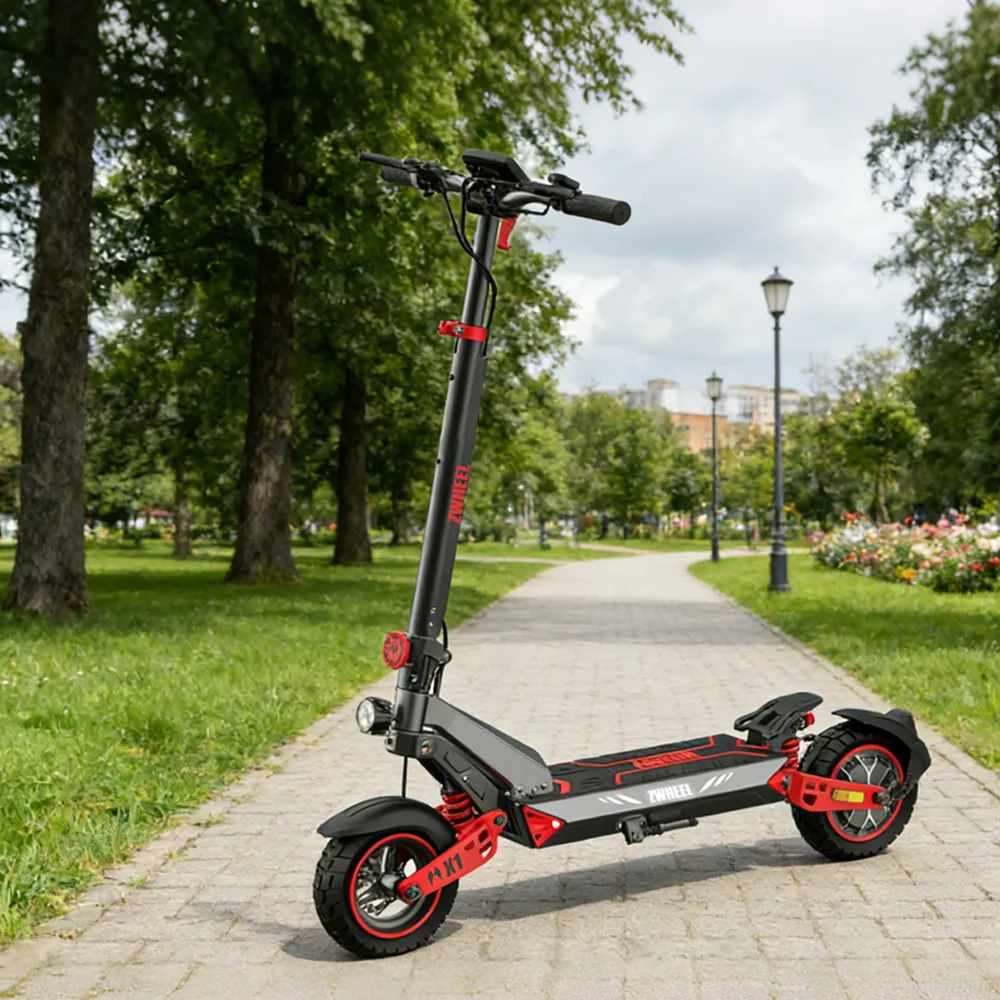
For example, the Zwheel ZSA Plus (800W, $499) uses a robust folding stem designed for daily commuters. If you need more power for off-road adventures, the Zwheel ZSB2 (1500W, $650) features a heavy-duty hinge that handles rough terrain. And for extreme riders, the Zwheel ZSD2 (4000W, $900) is built with a reinforced folding mechanism to withstand high speeds and jumps.
No matter which scooter you choose, regular maintenance is key to safety and longevity.
Frequently Asked Questions
How often should I lubricate my electric scooter's folding mechanism?
For most riders, monthly lubrication is sufficient. If you ride in wet or dusty conditions, lubricate every two weeks. Always clean the hinge before applying fresh lubricant.
What's the best lubricant for a scooter folding mechanism?
A dry PTFE or silicone-based lubricant is ideal. Avoid WD-40 as a lubricant—it's a solvent that strips existing grease. For heavy-duty off-road scooters, a marine-grade grease on the hinge pin works well.
Can I ride with a wobbly folding stem?
No. A wobbly stem is a safety hazard and can fail suddenly. Stop riding and inspect the hinge. Tighten bolts to spec, adjust the clamp, and replace worn bushings. If wobble persists, replace the mechanism.
How do I know if my folding mechanism needs replacement?
Signs include cracks, deep grooves, a latch that won't lock, bolts that won't stay tight, or persistent wobble after adjustment. If you see any of these, replace the mechanism or contact the manufacturer.
Can I use WD-40 on my scooter's folding mechanism?
WD-40 can be used to displace water and clean dirt, but it's not a lubricant. After using it, wipe it off and apply a proper dry PTFE or silicone lubricant. Never rely on WD-40 alone for long-term protection.
Final Thoughts
Your scooter's folding mechanism is a critical safety component. With these electric scooter folding mechanism maintenance tips, you can keep it clean, lubricated, and properly tightened—extending its life and protecting yourself on every ride. Set a monthly reminder, keep a small toolkit handy, and don't ignore warning signs like wobbles or creaks. A few minutes of care can save you from a costly repair or a dangerous crash.
Ride safe, and fold smart.
بقلم
Zwheel Team
عضو في فريق تحرير Zwheel، يغطي اتجاهات التنقل الكهربائي وأدلة المنتجات ونصائح الركوب.