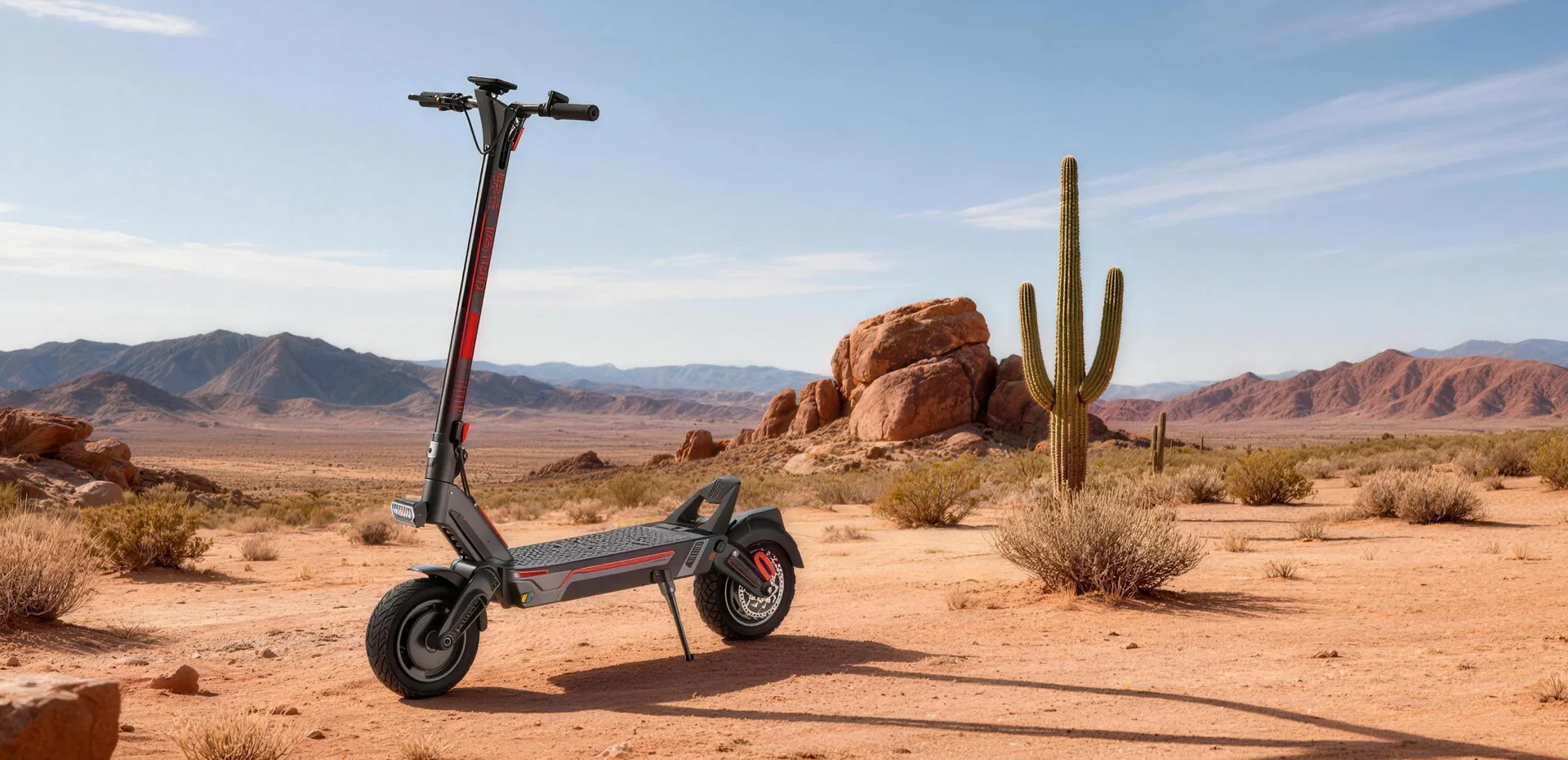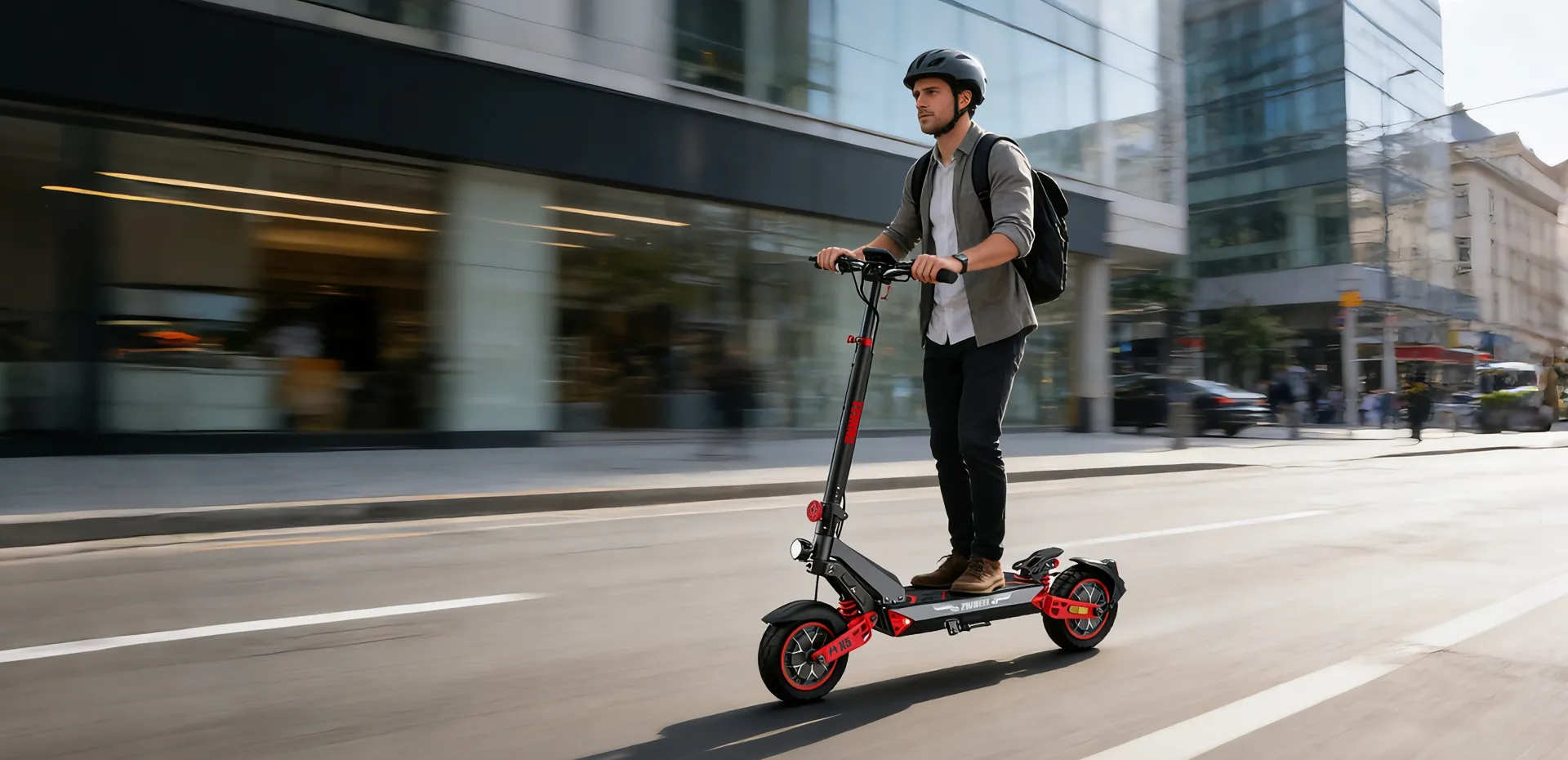
Electric Scooter for Warehouse & Factory Floor: 2026 Guide
Electric scooters are transforming warehouse and factory floors—cutting travel time, boosting safety, and reducing emissions. Here's how to choose and implement one effectively.
جدول المحتويات
- Why an Electric Scooter for Warehouse and Factory Floor Use Makes Sense in 2026
- Key Benefits of Using Electric Scooters on the Factory Floor
- 1. Slash Travel Time and Boost Productivity
- 2. Improve Safety and Reduce Fatigue
- 3. Go Green and Cut Emissions
- 4. Lower Operating Costs
- Choosing the Right Electric Scooter for Your Warehouse
- Motor Power and Speed
- Battery Life and Swappability
- Safety Features
- Durability and Maintenance
- Safety First: Implementing Electric Scooters on the Factory Floor
- Create Designated Lanes and Speed Limits
- Training and Certification
- Personal Protective Equipment (PPE)
- Regular Maintenance Checks
- Top Electric Scooter Models for Warehouse and Factory Use
- Real-World ROI: What to Expect
- Frequently Asked Questions
- Are electric scooters allowed in warehouses?
- Can electric scooters handle rough factory floors?
- How fast can you go on a warehouse scooter?
- What maintenance do electric scooters require?
- Are electric scooters cost-effective compared to walking?
- Conclusion
Why an Electric Scooter for Warehouse and Factory Floor Use Makes Sense in 2026
Warehouse and factory floors are busier than ever. With e-commerce demand soaring and lean manufacturing principles dominating, every second counts. Walking between picking stations, assembly lines, and loading docks can eat up to 30% of a worker's day. That's where an electric scooter for warehouse and factory floor use comes in—a nimble, cost-effective alternative to traditional carts, bikes, and even some forklifts.
In 2026, the industrial scooter market has matured. Models now offer swappable batteries, rugged tires, and smart features like GPS tracking and collision alerts. They're not just toys; they're serious tools for boosting productivity and worker satisfaction. In this guide, we'll explore the benefits, key features, and practical steps to integrate an electric scooter into your operations—safely and efficiently.
Key Benefits of Using Electric Scooters on the Factory Floor
Before diving into specs, let's look at why forward-thinking facilities are adopting electric scooters.
1. Slash Travel Time and Boost Productivity
Studies show that workers spend up to 2 hours per shift just walking. An electric scooter can cut that time by 50–70%. For a 500,000 sq ft facility, that translates to thousands of dollars saved per week. Imagine a maintenance technician who can zip from one end of the plant to the other in minutes, fixing issues before they escalate.
2. Improve Safety and Reduce Fatigue
Fatigue leads to mistakes. By reducing physical exertion, scooters keep workers alert and focused. Plus, many models come with safety features like LED headlights, turn signals, and anti-lock brakes. In busy warehouses, a scooter with a loud horn and bright lights is far safer than a silent pushcart.
3. Go Green and Cut Emissions
Electric scooters produce zero tailpipe emissions. If your facility is aiming for LEED certification or ISO 14001, replacing gas-powered utility carts with electric scooters is a quick win. They also run quieter, contributing to a less stressful work environment.
4. Lower Operating Costs
Electricity is cheaper than gasoline, and electric motors require less maintenance. A typical industrial electric scooter costs pennies per mile to operate. With swappable batteries, you can keep multiple units running 24/7 without downtime.
Choosing the Right Electric Scooter for Your Warehouse
Not all scooters are created equal. Industrial environments demand durability, safety, and performance. Here's what to look for.
Motor Power and Speed
For smooth warehouse floors, a 500–1000W motor is sufficient. For mixed surfaces or ramps, consider 1200W or more. Speed should be capped to match your facility's safety policy—typically 10–15 mph. The Zwheel D3S-S (1000W) offers a great balance for commuter and city use, but it's also adept at indoor navigation. For heavier duty, the Zwheel ZSB2 (1500W) handles all-terrain with ease, including loading docks and outdoor yards.
Battery Life and Swappability
Look for a range of at least 20–25 miles per charge. Swappable batteries are a game-changer for multi-shift operations. The Zwheel ZSD1 (2000W) features a robust battery system suitable for long shifts, and its off-road capabilities make it ideal for rugged factory environments.
Safety Features
Prioritize models with bright LED lights, turn signals, horn, and reliable brakes. Anti-lock braking systems (ABS) are becoming more common. Also consider stability—wider tires and a lower deck improve balance, especially when carrying tools or parts.
Durability and Maintenance
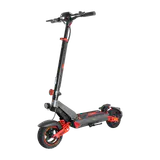
Industrial use means exposure to dust, debris, and occasional bumps. Choose scooters with IP54 or higher water resistance, puncture-proof tires, and easy-to-replace parts. A model like the Zwheel ZSB1 (1200W) is built for off-road and mixed use, with a rugged frame that can withstand daily abuse.
Safety First: Implementing Electric Scooters on the Factory Floor
Safety is non-negotiable. Before rolling out scooters, establish clear guidelines.
Create Designated Lanes and Speed Limits
Mark scooter lanes with floor tape and post speed limit signs (e.g., 8 mph in high-traffic areas). Consider one-way lanes to prevent collisions.
Training and Certification
Require all operators to complete a safety course covering scooter operation, hazard awareness, and emergency procedures. Issue certification cards and conduct refresher training annually.
Personal Protective Equipment (PPE)
Mandate helmets, high-visibility vests, and closed-toe shoes. Some facilities also require gloves and eye protection.
Regular Maintenance Checks
Schedule weekly inspections of tires, brakes, lights, and battery health. Keep a maintenance log for each scooter.
Top Electric Scooter Models for Warehouse and Factory Use
Based on 2026 industry feedback, here are standout choices from Zwheel's lineup, known for reliability and performance.
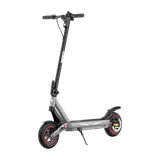
- Zwheel ZSA Plus (800W, $499): A budget-friendly commuter scooter that's perfect for light warehouse use. Its compact design and 15-mile range suit small facilities.
- Zwheel D3S-S (1000W, $600): Offers a bit more power and a smoother ride, ideal for medium-sized warehouses with mixed floor surfaces.
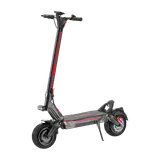
- Zwheel ZSB2 (1500W, $650): All-terrain capability makes it a versatile choice for factories with both indoor and outdoor areas.
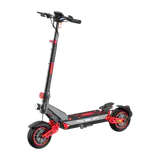
- Zwheel ZSD1 (2000W, $800): A rugged off-road model that excels in harsh environments, from gravel yards to uneven factory floors.
For extreme duty, the Zwheel ZSD2 (4000W) and ZSE2 (6000W) are available, but these are typically overkill for standard warehouse use. Match the scooter to your specific needs—don't overspend on power you don't need.
Real-World ROI: What to Expect
Let's crunch some numbers. Suppose a 300,000 sq ft warehouse employs 50 workers who each walk 5 miles per shift. At a walking speed of 3 mph, that's over 1.5 hours of walking per day. With scooters, travel time drops to 30 minutes, saving 1 hour per worker per day. At an average labor cost of $20/hour, that's $1,000 saved daily—or $250,000 annually (assuming 250 workdays). Even after factoring in scooter costs (around $600 each), charging infrastructure, and training, the ROI is typically under 6 months.
Additionally, reduced fatigue can lower turnover and absenteeism, further boosting savings.
Frequently Asked Questions
Are electric scooters allowed in warehouses?
Yes, but regulations vary by location. OSHA in the US doesn't specifically prohibit them, but employers must ensure a safe workplace. Check local rules and establish an internal safety policy.
Can electric scooters handle rough factory floors?
Many models, especially off-road ones like the Zwheel ZSD1, are designed for rough terrain. Look for pneumatic tires and good suspension.
How fast can you go on a warehouse scooter?
Most facilities cap speed at 10–15 mph for safety. Some scooters have programmable speed limiters.
What maintenance do electric scooters require?
Regular checks of tires, brakes, lights, and battery are essential. Electric motors need little maintenance, but keep them clean and dry.
Are electric scooters cost-effective compared to walking?
Absolutely. The time savings and productivity gains typically deliver ROI within months, not years.
Conclusion
An electric scooter for warehouse and factory floor use is no longer a novelty—it's a smart investment in efficiency, safety, and sustainability. By choosing the right model, implementing safety protocols, and training your team, you can transform your operations. Whether you need a nimble commuter like the Zwheel ZSA Plus or a rugged off-roader like the ZSD1, Zwheel has a solution that fits your budget and needs. Ready to boost productivity? Explore Zwheel's lineup today and see the difference for yourself.
بقلم
Zwheel Team
عضو في فريق تحرير Zwheel، يغطي اتجاهات التنقل الكهربائي وأدلة المنتجات ونصائح الركوب.