Electric Scooter Myths Debunked: Common Misconceptions
From safety concerns to battery life, electric scooters are surrounded by myths. We separate fact from fiction and give you the real truth about e-scooters in 2026.
Inhaltsverzeichnis
- Introduction: Why Electric Scooter Myths Persist
- Myth #1: Electric Scooters Are Unsafe
- The Real Numbers
- How to Stay Safe
- Myth #2: Electric Scooters Have Terrible Range
- Range Explained
- Tips to Maximize Range
- Myth #3: Electric Scooters Are Only for Kids
- Adult-Focused Features
- Myth #4: Electric Scooters Are Bad for the Environment
- The Lifecycle Analysis
- How to Make Your Ride Even Greener
- Myth #5: Electric Scooters Are Too Expensive
- Price Breakdown
- Myth #6: Batteries Die Quickly and Are a Hassle
- Battery Lifespan
- Charging Tips
- Myth #7: All Electric Scooters Are the Same
- Key Differences to Consider
- Conclusion: Ride with Confidence
- FAQ: Common Questions About Electric Scooters
- Are electric scooters legal on the road?
- How fast do electric scooters go?
- Can I ride an electric scooter in the rain?
- How long does it take to charge an electric scooter?
- What maintenance does an electric scooter need?
Introduction: Why Electric Scooter Myths Persist
Electric scooters have exploded in popularity, but with that growth comes a cloud of misinformation. From "they're death traps" to "the batteries die in a month," you've probably heard it all. In this article, we debunk the most persistent electric scooter myths and clear up common misconceptions with facts, data, and real-world experience. Whether you're a daily commuter or a weekend rider, understanding the truth will help you ride smarter and choose the right scooter for your needs.
Myth #1: Electric Scooters Are Unsafe
One of the most pervasive electric scooter myths is that they're inherently dangerous. Headlines about accidents fuel this fear, but the data tells a different story.
The Real Numbers
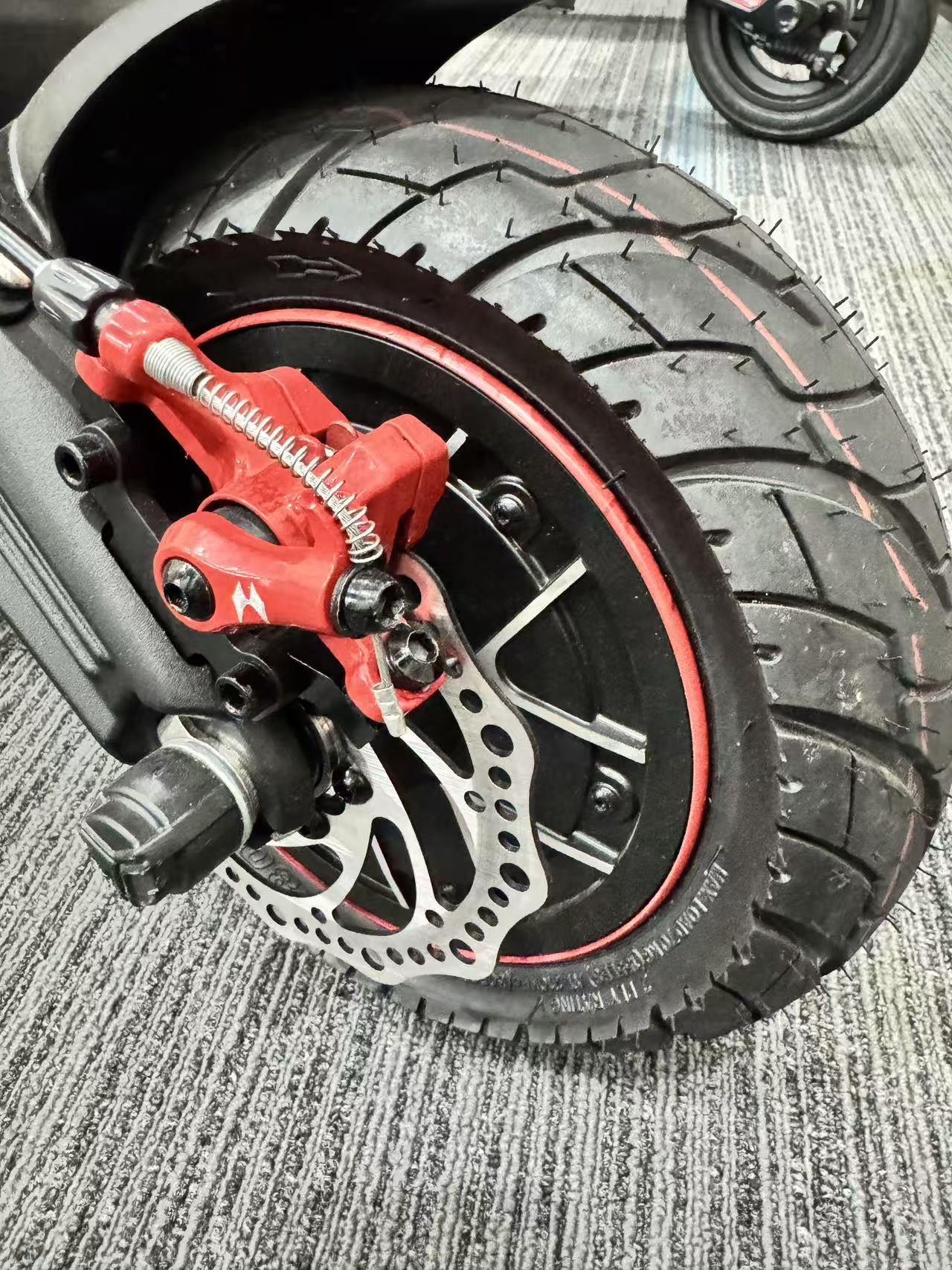
A 2025 study by the National Highway Traffic Safety Administration found that e-scooter riders have a lower fatality rate per mile than cyclists. Most accidents involve inexperienced riders, lack of helmet use, or poor road conditions—not the scooter itself. In fact, modern e-scooters come with dual brakes, stability control, and even ABS on premium models.
How to Stay Safe
- Always wear a helmet (non-negotiable).
- Follow local traffic laws and use bike lanes when possible.
- Inspect your scooter before every ride—check tires, brakes, and lights.
- Practice in a safe area before heading into traffic.
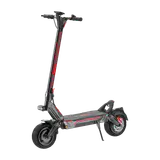
If you're new to riding, consider starting with a model that has a lower top speed and good stability, like the Zwheel ZSA Plus (800W, 20 mph top speed). It's perfect for city commuting and won't overwhelm you.
Myth #2: Electric Scooters Have Terrible Range
Another common misconception is that e-scooters can barely travel a few miles before dying. While budget scooters may have limited range, modern models can go much farther.
Range Explained
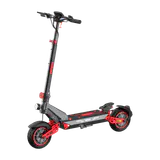
Range depends on battery capacity (measured in Wh), rider weight, terrain, and speed. A typical commuter scooter like the Zwheel D3S-S offers a real-world range of 25-30 miles, which is plenty for most commutes. High-performance models like the Zwheel ZSD1 can exceed 40 miles on a single charge.
Tips to Maximize Range
- Keep tires properly inflated—low pressure increases rolling resistance.
- Avoid aggressive acceleration and braking.
- Use eco mode when you don't need full power.
- Charge your battery to 80% for daily use to extend its lifespan.
With a little care, you'll rarely run out of juice.
Myth #3: Electric Scooters Are Only for Kids
Many people picture a toy when they think of e-scooters. In reality, today's scooters are built for adults, with weight capacities up to 265 lbs and speeds that can reach 40+ mph.
Adult-Focused Features
- Large decks and ergonomic handlebars for comfortable riding.
- Suspension systems that absorb bumps.
- Powerful motors for hills and headwinds.
- Foldable designs for easy carrying onto public transit.
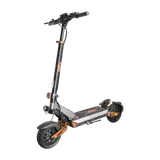
For example, the Zwheel ZSB2 is a 1500W dual-motor beast that can climb 35% grades—definitely not a toy. It's a serious commuting and recreational vehicle for adults.
Myth #4: Electric Scooters Are Bad for the Environment
Some critics claim that e-scooters have a high carbon footprint due to manufacturing and battery disposal. While any product has an environmental cost, studies show that e-scooters are still greener than most alternatives.
The Lifecycle Analysis
A 2026 report from the International Transport Forum found that shared e-scooters emit about 200g of CO2 per mile—less than half that of a car (400g) and comparable to an electric bike. When you consider that most riders use them for short trips that would otherwise be car rides, the net benefit is clear.
How to Make Your Ride Even Greener
- Charge your scooter with renewable energy if possible.
- Maintain your scooter to extend its life—fewer replacements means less waste.
- Recycle the battery properly at the end of its life.
So, don't let this myth guilt-trip you. You're making a positive choice.
Myth #5: Electric Scooters Are Too Expensive
There's a perception that e-scooters cost a fortune. While premium models can be pricey, there's a scooter for every budget.
Price Breakdown
- Budget: $300-$500 (basic commuters)
- Mid-range: $500-$800 (better range, speed, and features)
- High-end: $800+ (performance, dual motors, long range)
Compare that to the cost of gas, parking, and car maintenance, and an e-scooter pays for itself in months. For $499, the Zwheel ZSA Plus is an affordable entry point. If you want more power, the Zwheel D3D-S at $675 offers excellent value with 1200W dual motors.
Myth #6: Batteries Die Quickly and Are a Hassle
Battery anxiety is real, but modern lithium-ion batteries are more durable than you think.
Battery Lifespan
Most e-scooter batteries last 500-800 full charge cycles. That's 2-3 years of daily commuting. After that, capacity gradually decreases, but you can often replace the battery instead of buying a new scooter.
Charging Tips
- Don't leave your scooter plugged in overnight every day.
- Avoid draining to 0%—charge at 20-30%.
- Store in a cool, dry place (extreme heat is a battery's enemy).
With proper care, your battery will serve you well.
Myth #7: All Electric Scooters Are the Same
This is one of the biggest electric scooter myths. There are huge differences in motor power, battery capacity, suspension, tires, and build quality.
Key Differences to Consider
- Motor: Single vs. dual (dual offers more acceleration and hill-climbing)
- Range: 10 miles vs. 60+ miles
- Tires: Solid vs. pneumatic (pneumatic gives a smoother ride)
- Suspension: Essential for off-road or rough streets
- Weight: 30 lbs vs. 80 lbs (portability matters)
For example, the Zwheel ZSD2 is a 4000W off-road monster, while the Zwheel ZSE2 is a 6000W racing machine. Clearly, not all scooters are created equal.
Conclusion: Ride with Confidence
Now that we've debunked these electric scooter myths, you can make an informed decision. Electric scooters are safe, practical, eco-friendly, and affordable when you choose the right one for your needs. Don't let misconceptions hold you back from a smarter commute or a fun weekend ride. Check out Zwheel's lineup to find your perfect match and start riding today.
FAQ: Common Questions About Electric Scooters
Are electric scooters legal on the road?
Laws vary by country and city. In many places, e-scooters are allowed on roads and bike lanes, but some cities restrict them to bike paths or have speed limits. Always check local regulations before riding.
How fast do electric scooters go?
Most commuter scooters top out at 15-20 mph, while performance models can reach 40-50 mph. Always respect speed limits and wear appropriate safety gear.
Can I ride an electric scooter in the rain?
Most scooters have an IPX4 or IPX5 water resistance, meaning they can handle light rain. However, avoid deep puddles and heavy downpours to protect the electrical components.
How long does it take to charge an electric scooter?
Charging time varies from 3 to 8 hours depending on the battery size and charger. Fast chargers are available for many models, cutting the time significantly.
What maintenance does an electric scooter need?
Regularly check tire pressure, brake pads, and bolts. Clean the scooter after wet rides, and store it indoors to prevent rust. Battery care is also crucial—avoid extreme temperatures.
Geschrieben von
Zwheel Team
Teil des Zwheel-Redaktionsteams mit Fokus auf E-Mobilität, Produktleitfäden und Fahrtipps.