How to Handle Electric Scooter Speed Wobble: Causes & Fixes
Speed wobble on electric scooters can be scary. This guide covers causes, prevention, and fixes—from rider technique to scooter upgrades—so you can ride safely at higher speeds.
Inhaltsverzeichnis
- What Is Electric Scooter Speed Wobble?
- What Causes Speed Wobble on an Electric Scooter?
- 1. Rider Weight Distribution and Stance
- 2. Steering Damper and Headset Tension
- 3. Tire Issues
- 4. Suspension and Frame Flex
- 5. Speed and Aerodynamics
- How to Fix Speed Wobble on Your E-Scooter
- 1. Adjust Your Riding Stance
- 2. Check Tire Pressure and Condition
- 3. Tighten the Headset and Stem
- 4. Install a Steering Damper
- 5. Upgrade Suspension or Tires
- Preventing Speed Wobble: Rider Tips for Safe High-Speed Riding
- When Speed Wobble Is a Sign of a Bigger Problem
- Choosing a Stable E-Scooter: What to Look For
- Speed Wobble vs. Death Wobble: What's the Difference?
- FAQ: Electric Scooter Speed Wobble
- Can speed wobble be fixed on any scooter?
- Is speed wobble dangerous?
- Do all electric scooters wobble?
- How fast can I go before wobble starts?
- Should I buy a steering damper for my scooter?
- Conclusion
What Is Electric Scooter Speed Wobble?
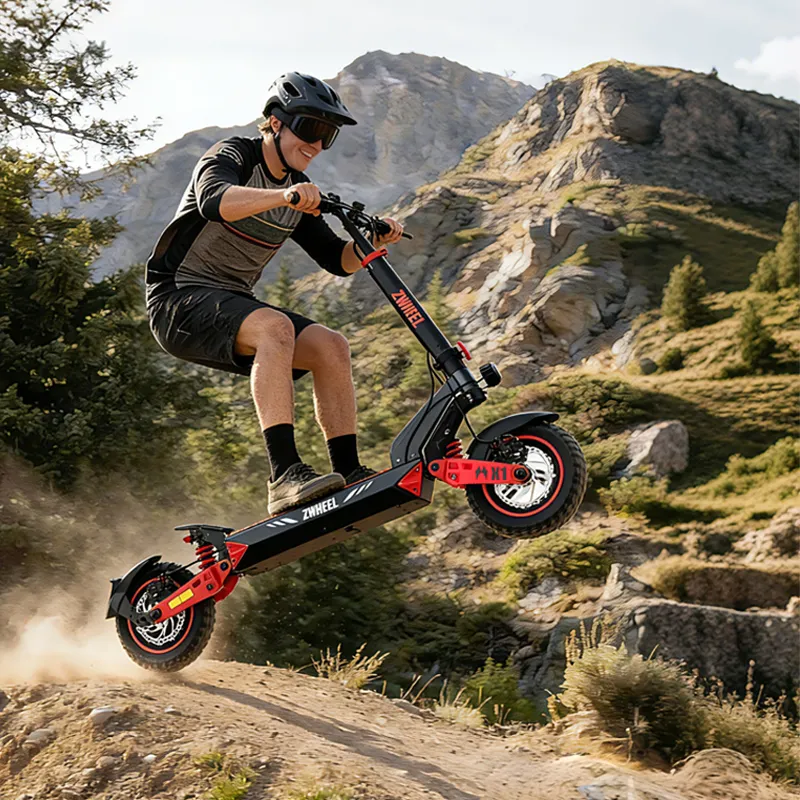
Electric scooter speed wobble is a sudden, rhythmic side-to-side oscillation of the handlebars that typically occurs at speeds above 20 mph (32 km/h). It feels like the front wheel is fighting you, and if not corrected, it can lead to loss of control and a crash. This phenomenon is common on many e-scooters, especially lighter models or those with smaller wheels, but it can affect any scooter under the right conditions.
In simple terms, speed wobble happens when the scooter's steering geometry, tire balance, and rider input create a feedback loop that amplifies small movements. Think of it like a shopping cart wheel that starts wobbling—once it starts, it gets worse unless you actively correct it.
What Causes Speed Wobble on an Electric Scooter?
Understanding the root causes helps you prevent and fix the issue. Here are the most common culprits:
1. Rider Weight Distribution and Stance
How you stand on the scooter matters more than you think. Leaning too far forward or back shifts the center of gravity, making the front wheel lighter and more prone to wobble. A stiff, locked-knee stance also transmits road vibrations directly to the handlebars.
2. Steering Damper and Headset Tension
Many budget scooters lack a steering damper, which is a hydraulic or friction-based device that resists rapid steering oscillations. Even if your scooter has one, loose headset bearings can create play that allows wobble to start.
3. Tire Issues
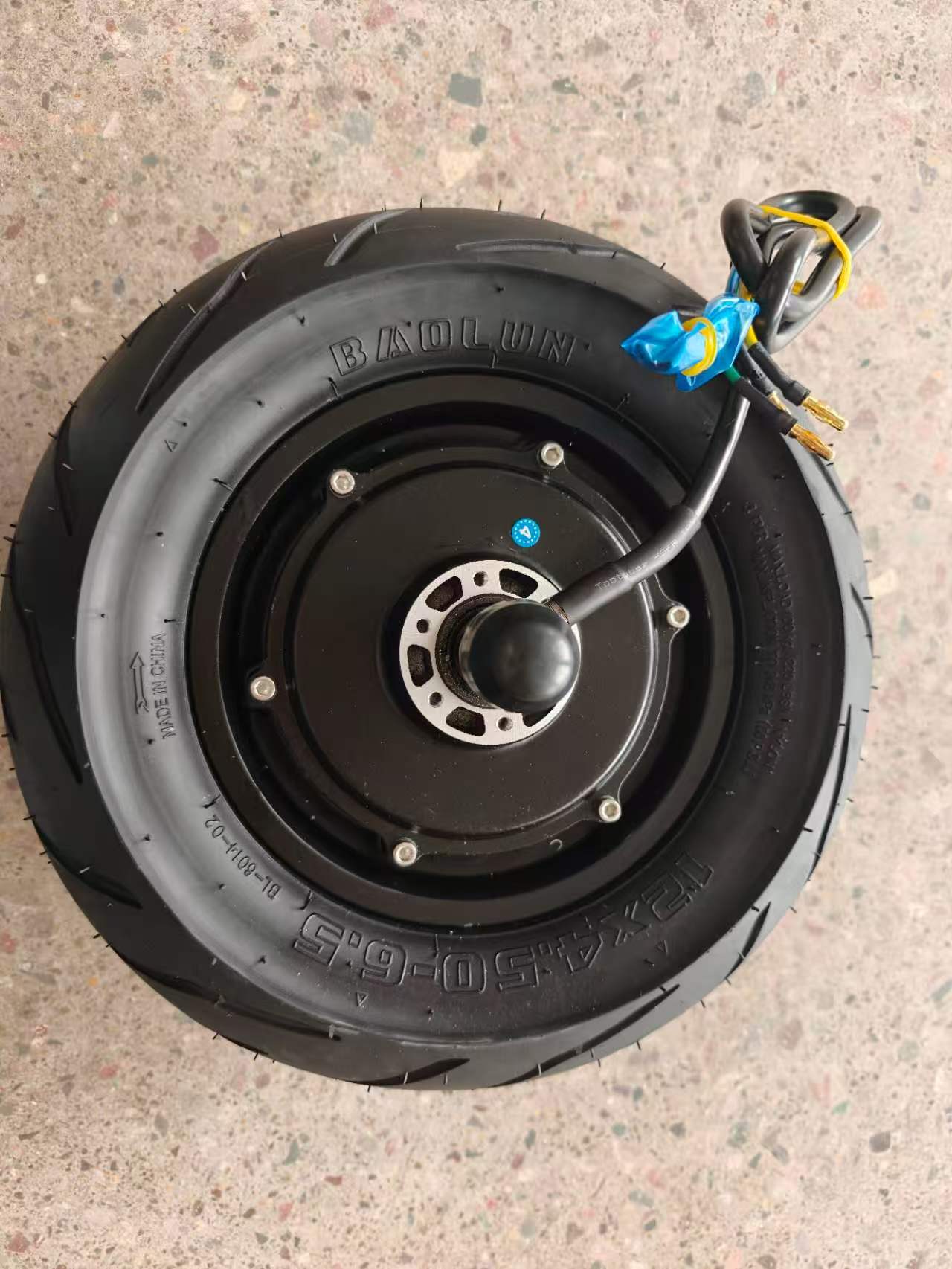
Underinflated tires, uneven wear, or a bent rim can cause the wheel to wobble at speed. Pneumatic tires (air-filled) are more forgiving than solid tires, but they also require regular pressure checks.
4. Suspension and Frame Flex
A scooter with overly soft suspension or a flexible frame can amplify oscillations. Dual suspension systems (like on the Zwheel ZSD1) help absorb vibrations, but if the damping is off, it can contribute to wobble.
5. Speed and Aerodynamics
Speed wobble is more likely above 20 mph because the forces on the steering system increase exponentially with speed. Crosswinds and uneven road surfaces also play a role.
How to Fix Speed Wobble on Your E-Scooter
Here are actionable steps to reduce or eliminate speed wobble, from quick rider adjustments to hardware upgrades.
1. Adjust Your Riding Stance
The fastest fix is often changing how you stand. Keep your knees slightly bent to absorb vibrations, and shift your weight slightly back (about 60% rear, 40% front). Grip the handlebars firmly but not death-grip tight—relax your shoulders and let your arms act as shock absorbers. Avoid locking your elbows.
2. Check Tire Pressure and Condition
Inflate pneumatic tires to the recommended PSI (usually 40–50 PSI for most e-scooters). Underinflated tires increase rolling resistance and make wobble worse. Inspect for bulges, cuts, or uneven wear—replace tires if needed. For solid tires, ensure they are seated evenly on the rim.
3. Tighten the Headset and Stem
Check the headset bearings (the bearings where the stem connects to the fork). Use an Allen key to tighten the top cap bolt slightly—just enough to remove play without binding the steering. Also, ensure the stem clamp bolt is tight. If you're unsure, a bike shop can do this in minutes.
4. Install a Steering Damper
If your scooter doesn't have one, aftermarket steering dampers are available for many models. They add resistance to sudden steering movements, preventing wobble before it starts. Some premium scooters like the Zwheel ZSE2 come with built-in dampers for high-speed stability.
5. Upgrade Suspension or Tires
If wobble persists, consider upgrading to wider tires (e.g., from 8.5" to 10") or adding a front suspension. Wider tires offer more contact patch and stability. A scooter with dual suspension, like the Zwheel ZSB2, naturally dampens oscillations better than a rigid frame.
Preventing Speed Wobble: Rider Tips for Safe High-Speed Riding
Prevention is better than cure. Here are proactive measures to keep your ride stable:
- Gradual acceleration: Don't slam the throttle—build speed smoothly to let the scooter settle.
- Anticipate bumps: Stand up slightly (bent knees) when approaching potholes or speed bumps to reduce shock transmission.
- Avoid sudden steering inputs: Make smooth, gradual turns. Jerky movements can trigger wobble.
- Reduce speed in wind: Crosswinds can destabilize a scooter—slow down to 15–18 mph in gusty conditions.
- Maintain your scooter: Regularly check bolts, bearings, and tires. A well-maintained scooter wobbles less.
When Speed Wobble Is a Sign of a Bigger Problem
Occasional wobble that you can correct with technique is normal. But if you experience wobble even at low speeds (under 15 mph) or after tightening everything, it may indicate:
- Bent fork or frame: A crash may have bent the steering column—this requires professional inspection.
- Worn headset bearings: If tightening doesn't eliminate play, the bearings may need replacement.
- Wheel bearing damage: A rough-spinning wheel can cause oscillation. Spin the wheel by hand—if it grinds or wobbles, replace the bearings.
In these cases, take your scooter to a qualified repair shop. Riding with structural damage is dangerous.
Choosing a Stable E-Scooter: What to Look For
If you're in the market for a new scooter and want to minimize wobble, prioritize these features:
- Larger wheels (10" or more): They roll over bumps more smoothly and resist wobble.
- Dual suspension: Absorbs road vibrations that can trigger oscillations.
- Steering damper: A must for any scooter that can exceed 25 mph.
- Wider deck and handlebars: Provides more stable stance and leverage.
- Lower center of gravity: Battery placement matters—deck-mounted batteries are better than stem-mounted ones.
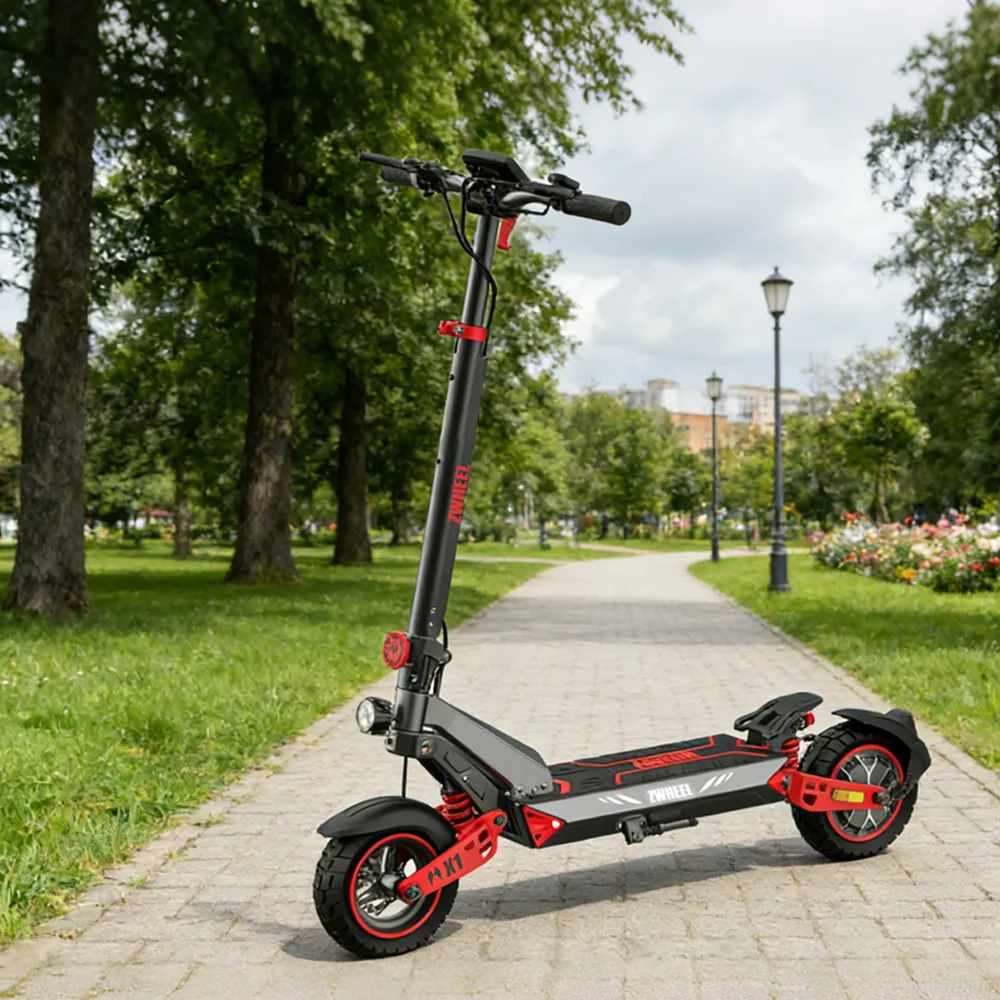
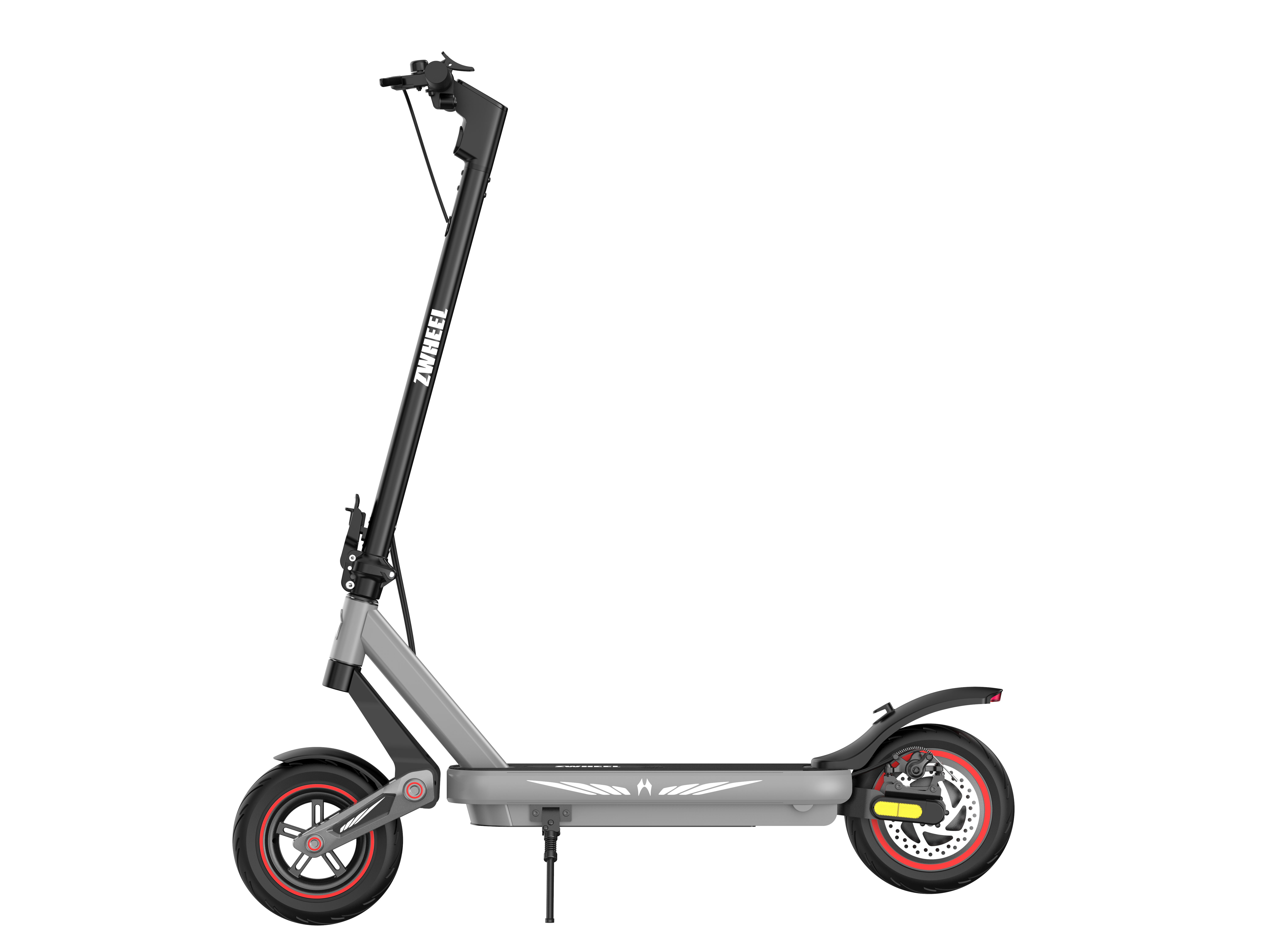
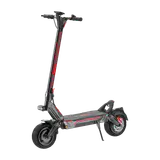
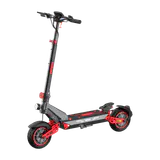
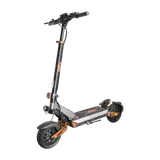
Zwheel offers several models designed for stability. The Zwheel ZSD2 (4000W) features a robust frame and dual suspension, while the Zwheel ZSE2 (6000W) includes a steering damper for racing-level control. For a more budget-friendly commuter, the Zwheel D3S-S (1000W) offers a balanced ride with 10" tires.
Speed Wobble vs. Death Wobble: What's the Difference?
In the automotive world, "death wobble" is a severe, violent oscillation that can't be corrected by rider input—it usually requires a full stop. On e-scooters, true death wobble is rare but can occur if the steering damper fails completely or the frame cracks. Most speed wobble on scooters is manageable if you react correctly: ease off the throttle gradually, do not brake hard, and let the scooter slow down naturally. Braking hard can transfer weight forward and worsen the wobble.
FAQ: Electric Scooter Speed Wobble
Can speed wobble be fixed on any scooter?
Most speed wobble can be reduced or eliminated with rider technique, tire maintenance, and steering adjustments. However, very cheap scooters with poor geometry may always wobble at high speeds—upgrading to a better model is the only permanent fix.
Is speed wobble dangerous?
Yes, if not corrected. It can cause you to lose control and crash. But with proper technique (bent knees, relaxed grip, gradual deceleration), you can safely recover from most wobbles.
Do all electric scooters wobble?
No. High-quality scooters with good geometry, proper suspension, and steering dampers are stable at high speeds. Budget scooters with small wheels and rigid frames are more prone to wobble.
How fast can I go before wobble starts?
It varies by scooter and rider weight. Many commuter scooters start wobbling around 18–22 mph, while performance models can remain stable up to 30–40 mph with proper setup.
Should I buy a steering damper for my scooter?
If you regularly ride above 20 mph and your scooter doesn't have one, yes. It's one of the most effective upgrades for preventing wobble. Some aftermarket dampers are universal, but check compatibility with your scooter's stem.
Conclusion
Electric scooter speed wobble doesn't have to ruin your ride. By understanding the causes—rider stance, tire issues, loose components—and applying the fixes outlined here, you can ride faster with confidence. Remember: how to handle electric scooter speed wobble starts with prevention: maintain your scooter, adopt a relaxed stance, and choose a model with stability features. If you're in the market for a new scooter, consider Zwheel's lineup for engineered stability and performance. Stay safe and enjoy the ride.
Geschrieben von
Zwheel Team
Teil des Zwheel-Redaktionsteams mit Fokus auf E-Mobilität, Produktleitfäden und Fahrtipps.