Electric Scooter Chain vs Belt vs Hub Motor Comparison
Confused by chain, belt, and hub motor drives? This in-depth comparison breaks down efficiency, maintenance, noise, and cost to help you pick the perfect electric scooter.
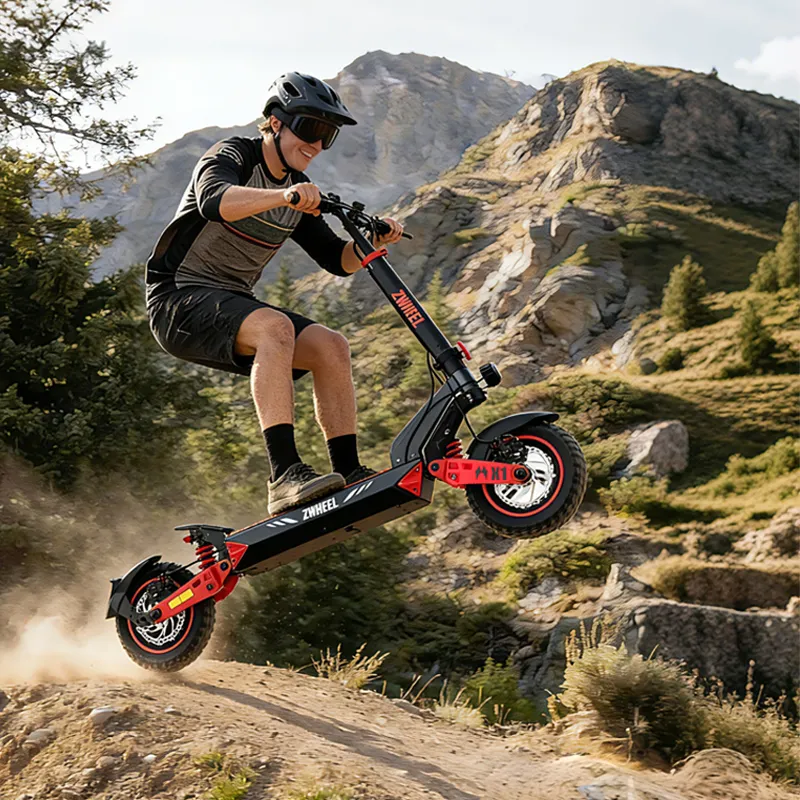
Tabla de contenidos
- Electric Scooter Chain vs Belt vs Hub Motor Comparison: Which Drive System Is Right for You?
- How Each Drive System Works
- Chain Drive
- Belt Drive
- Hub Motor
- Performance Comparison: Acceleration, Top Speed, and Hill Climbing
- Acceleration
- Top Speed
- Hill Climbing
- Maintenance and Durability
- Noise, Vibration, and Ride Quality
- Efficiency and Range
- Cost Considerations
- Use Cases: Which Drive System for Which Rider?
- City Commuters
- Off-Road and Trail Riders
- Racers and Performance Enthusiasts
- Real-World Examples from Zwheel
- Making the Decision
- Frequently Asked Questions
- Are hub motors less powerful than chain or belt drives?
- Do belt drives require less maintenance than chain drives?
- Can I convert my hub motor scooter to a chain drive?
- Which drive system is best for wet weather?
- How often should I replace a chain or belt?
- Conclusion
Electric Scooter Chain vs Belt vs Hub Motor Comparison: Which Drive System Is Right for You?
When you're shopping for an electric scooter, the motor and drive system are the heart of the machine. But with so many options—chain, belt, and hub motors—it's easy to get lost in the jargon. This electric scooter chain vs belt vs hub motor comparison will walk you through the real-world differences so you can make an informed decision. Whether you're a daily commuter, a weekend trail rider, or a speed enthusiast, the drive system affects everything from acceleration and top speed to maintenance and noise.
We'll break down how each system works, compare them across key categories, and help you match the right technology to your riding style. Plus, we'll highlight some Zwheel models that exemplify each type, so you can see the principles in action.
How Each Drive System Works
Chain Drive
A chain drive uses a metal chain to transfer power from the motor to the rear wheel, much like a motorcycle or bicycle. The motor is usually mounted near the deck or swingarm, and the chain runs to a sprocket on the rear axle. This setup allows for gear reduction, which can multiply torque for climbing or acceleration. Chain drives are common on high-performance and off-road scooters because they can handle high power and are relatively easy to repair or modify.
Belt Drive
Belt drives use a reinforced rubber belt with teeth that mesh with pulleys. They're quieter and smoother than chains, and they don't require lubrication. Belts are popular on premium commuter and performance scooters where low maintenance and a refined ride are priorities. However, they can slip under extreme load and are more susceptible to damage from debris.
Hub Motor
A hub motor integrates the motor directly into the wheel hub. There's no chain or belt—power goes straight to the wheel via electromagnetic force. This design is simple, efficient, and requires almost no maintenance. Hub motors are ubiquitous on commuter scooters because they're compact, quiet, and reliable. The trade-off is that they can't be geared for torque multiplication, so they may struggle on steep hills unless they're very powerful.
Performance Comparison: Acceleration, Top Speed, and Hill Climbing
When it comes to raw performance, the drive system plays a huge role. Let's compare them head-to-head.
Acceleration
Chain drives can deliver brutal acceleration because they can be geared low. They also allow the motor to spin at its optimal RPM while the wheel turns slower, which is great for torque. Belt drives offer smooth, linear acceleration—less punchy than chain but more refined. Hub motors provide instant torque from a standstill, but their acceleration curve is limited by the fixed gear ratio (1:1). For most commuters, hub motor acceleration is more than enough, but for drag-race starts, chain wins.
Top Speed
Top speed is more about motor power and voltage than drive type, but gearing matters. A chain drive can be geared for high top speed by using a larger motor sprocket, while hub motors are limited by their KV rating (RPM per volt). Belt drives fall in between. In practice, you'll find 6000W+ racing scooters using chain or belt drives to handle the power, while 500W commuters use hub motors.
Hill Climbing
This is where gearing shines. A chain-driven scooter with a modest motor can out-climb a more powerful hub motor because it can multiply torque. For example, the Zwheel ZSD1 (2000W off-road) uses a chain drive to conquer steep trails. Belt drives also handle hills well but can slip if overloaded. Hub motors, especially single-motor setups, may overheat on long, steep climbs. If you face serious inclines, a chain or belt drive is your friend.
Maintenance and Durability
Maintenance is a major differentiator. Here's what you need to know:
- Chain: Requires regular cleaning, lubrication, and tension adjustment. Chains stretch over time and can rust if neglected. However, they're cheap to replace and can be fixed on the trail with basic tools.
- Belt: Minimal maintenance—no lubrication needed. Belts wear gradually and typically last 2,000–5,000 miles. They can be damaged by rocks or debris, and replacement is more expensive than a chain.
- Hub: Virtually maintenance-free. No chain or belt to adjust or replace. The only wear items are bearings and the motor itself, which can last 10,000+ miles. If something goes wrong, however, repairs can be costly and often require a professional.
For commuters who want to spend more time riding and less time wrenching, a hub motor is the clear winner. For off-road riders who don't mind occasional maintenance, chain or belt offers performance benefits.
Noise, Vibration, and Ride Quality
Hub motors are nearly silent—just a faint whir. Belt drives are also quiet, with a slight whine under acceleration. Chain drives are the noisiest, producing a mechanical rattle that can be noticeable at speed. Vibration follows a similar pattern: hub motors are smoothest, belts are close, and chains transmit more vibration to the frame. If you ride in residential areas or early mornings, a hub or belt drive will keep you on good terms with your neighbors.
Efficiency and Range
Hub motors are generally the most efficient because they eliminate mechanical losses from chains or belts. You can expect 5–15% better range from a hub motor compared to a chain drive with the same battery. Belt drives are slightly less efficient than hub but better than chain. However, efficiency also depends on gearing: a chain drive can be more efficient at low speeds if geared properly, but at cruising speed, hub motors win. For maximum range, choose a hub motor scooter like the Zwheel ZSA Plus, which balances efficiency and performance for city commutes.
Cost Considerations
Upfront cost varies. Hub motor scooters are often cheaper because the design is simpler and requires fewer parts. Chain and belt drives add complexity and cost. However, high-performance chain-driven scooters can be pricey due to beefier components. Maintenance costs also differ: chains are cheap to replace but require regular upkeep; belts cost more but last longer; hub motors have the lowest ongoing costs. Over the life of the scooter, a hub motor may save you money, while a chain drive might cost more in time and lubricants.
Use Cases: Which Drive System for Which Rider?
City Commuters
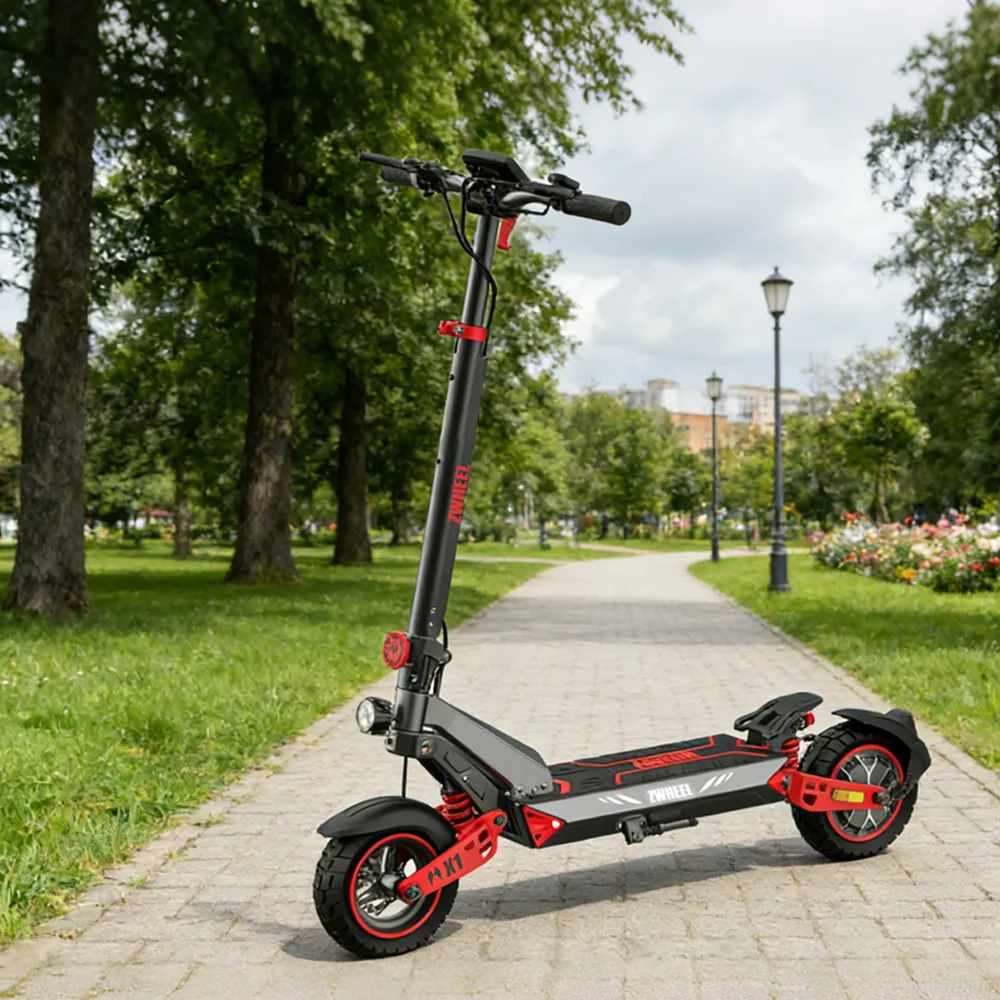
For daily commuting on paved roads, a hub motor is ideal. It's low-maintenance, quiet, and efficient. The Zwheel D3S-S (1000W) is a great example—powerful enough for city hills, yet simple to own.
Off-Road and Trail Riders
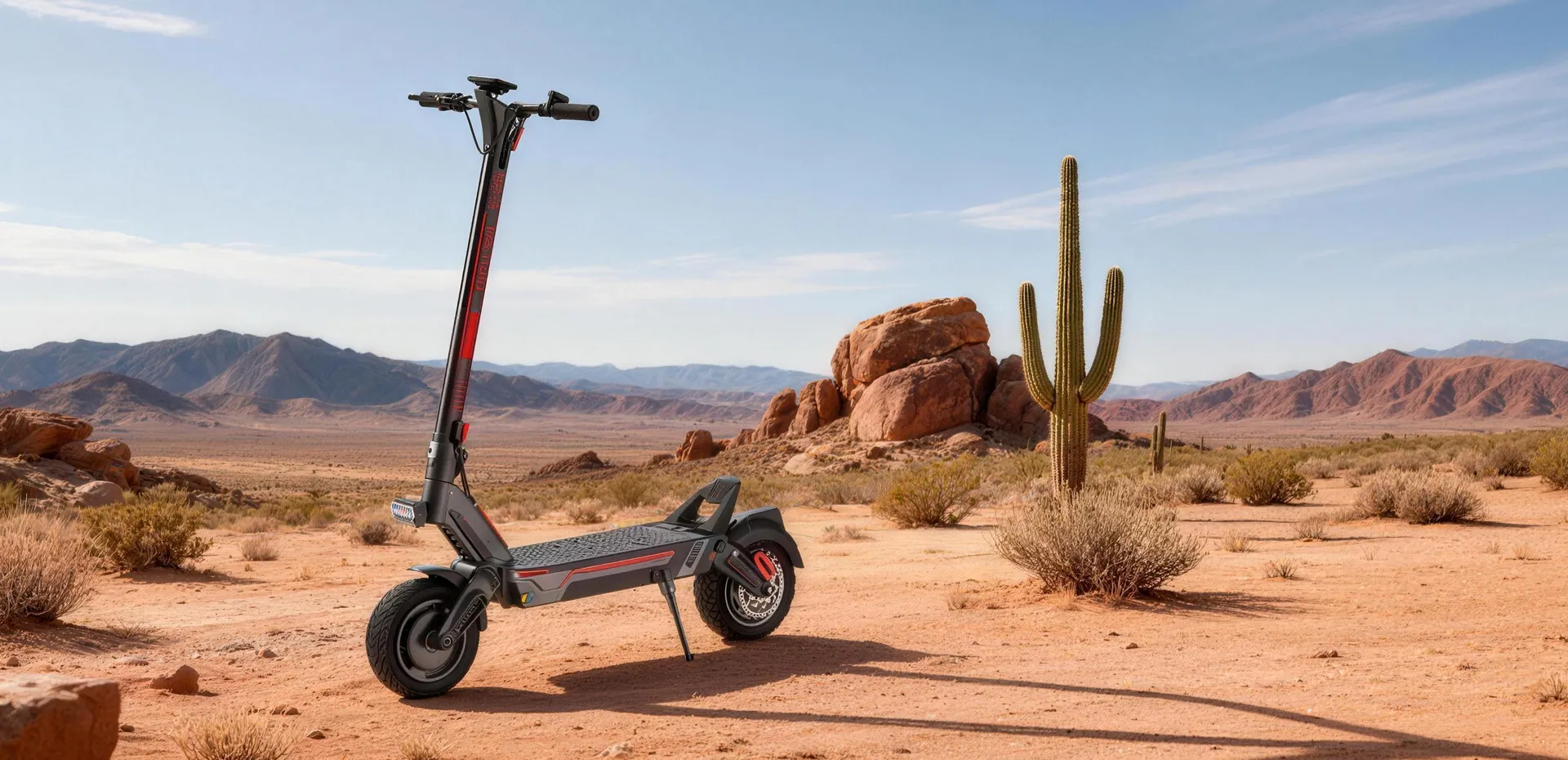
Off-roaders need torque and durability. Chain drives excel here, as seen in the Zwheel ZSB2 (1500W all-terrain). Belt drives are also viable for lighter trails. If you encounter mud, sand, or steep inclines, a chain drive gives you the edge.
Racers and Performance Enthusiasts
For top speed and acceleration, chain or belt drives are necessary to handle high power. The Zwheel ZSE2 (6000W racing) uses a chain drive to put down serious power. Hub motors can't match the peak performance of a geared system at this level.
Real-World Examples from Zwheel
Zwheel offers a range of scooters that showcase each drive type. The ZSA Plus and D3S-S use hub motors for commuters. The ZSB1 and ZSB2 feature chain drives for off-road capability. The ZSD1 and ZSD2 use chain drives for mountain trails, while the ZSE2 is a chain-driven racing machine. This variety lets you choose the right tool for your terrain and riding style.
Making the Decision
Your choice boils down to priorities. If you value low maintenance, quiet operation, and efficiency, go with a hub motor. If you need maximum torque, durability, and repairability for off-road adventures, choose a chain drive. If you want a balance of smoothness and performance, a belt drive is a solid middle ground. Consider your terrain, riding frequency, and willingness to tinker. Test ride if possible, and don't overlook the overall build quality—the drive system is just one piece of the puzzle.
Frequently Asked Questions
Are hub motors less powerful than chain or belt drives?
Not necessarily. Hub motors can be very powerful, but they lack gearing, so they may struggle on steep hills compared to a geared chain drive. However, high-wattage hub motors (like 2000W+) can deliver impressive performance.
Do belt drives require less maintenance than chain drives?
Yes. Belt drives don't need lubrication and don't stretch like chains, so they require less frequent adjustment. However, they can be more expensive to replace and susceptible to debris damage.
Can I convert my hub motor scooter to a chain drive?
It's technically possible but highly impractical. The frame, motor mounts, and rear wheel would all need major modifications. It's usually better to buy a scooter with the drive system you want from the start.
Which drive system is best for wet weather?
Hub motors are generally the most water-resistant because they're sealed. Belt drives can handle wet conditions but may slip if water gets between the belt and pulley. Chain drives require more frequent lubrication after riding in rain to prevent rust.
How often should I replace a chain or belt?
Chains typically last 1,000–3,000 miles depending on maintenance and conditions. Belts can last 2,000–5,000 miles. Replace when you notice stretching, cracking, or slipping.
Conclusion
In this electric scooter chain vs belt vs hub motor comparison, we've seen that each drive system has its strengths. Hub motors win for simplicity and efficiency, chain drives dominate for torque and durability, and belt drives offer a refined middle ground. Your ideal choice depends on how and where you ride. For city commutes, a hub motor like the Zwheel ZSA Plus is perfect. For off-road thrills, consider a chain-driven model like the Zwheel ZSD1. And for racing, the Zwheel ZSE2 delivers. No matter your pick, understanding these differences ensures you get a scooter that matches your lifestyle and keeps you smiling mile after mile.
Escrito por
Zwheel Team
Parte del equipo editorial de Zwheel, cubriendo tendencias de movilidad, guías de productos y consejos para ciclistas.