How to Ride an Electric Scooter Safely in Traffic
Riding an electric scooter in traffic requires skill and awareness. Learn how to ride an electric scooter safely in traffic with our expert tips on positioning, signaling, and speed management.
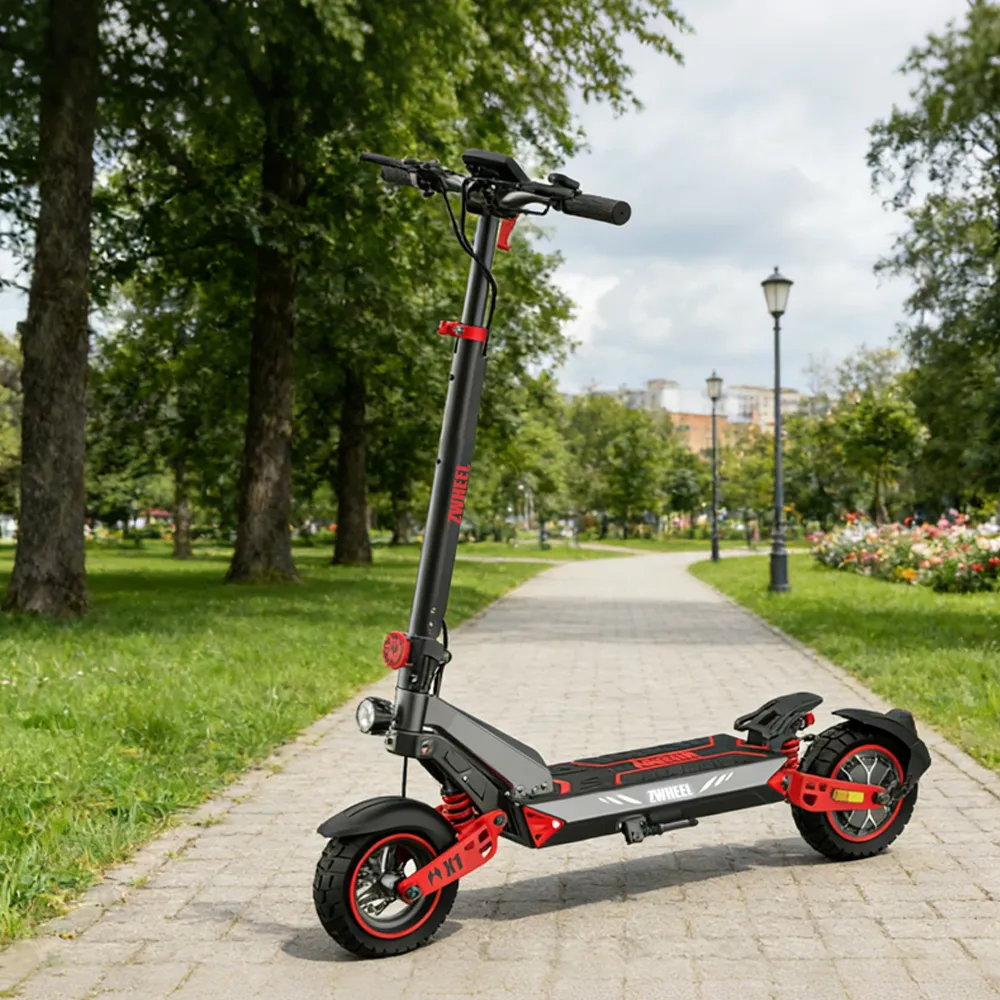
Tabla de contenidos
- How to Ride an Electric Scooter Safely in Traffic
- Pre-Ride Safety Checks
- Understanding Traffic Laws and Etiquette
- Riding Techniques for Traffic
- 1. Position Yourself Wisely
- 2. Maintain a Safe Following Distance
- 3. Signal Your Moves
- 4. Control Your Speed
- 5. Scan Ahead
- Choosing the Right Scooter for Traffic
- Essential Safety Gear
- Navigating Intersections and Turns
- Handling Common Hazards
- Night Riding Tips
- Maintaining Your Scooter for Safety
- Conclusion
- Frequently Asked Questions
- 1. Is it safe to ride an electric scooter in traffic?
- 2. What speed is safe for electric scooters in traffic?
- 3. Do I need a license to ride an electric scooter on the road?
- 4. How can I be more visible to drivers?
- 5. What should I do if my scooter breaks down in traffic?
How to Ride an Electric Scooter Safely in Traffic
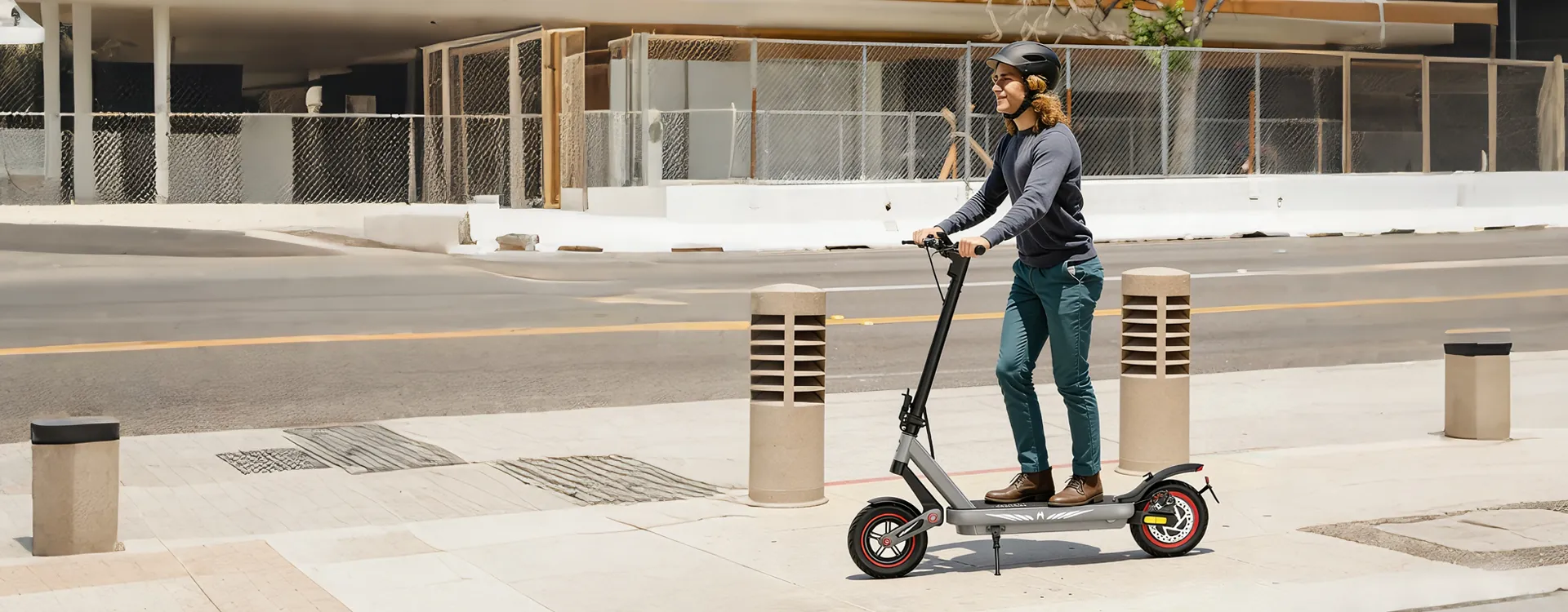
Electric scooters have become a staple of urban commuting, offering a fun and efficient way to navigate city streets. But sharing the road with cars, trucks, and pedestrians requires more than just balance—it demands a solid understanding of traffic dynamics and safety best practices. Whether you're a new rider or a seasoned pro, knowing how to ride an electric scooter safely in traffic is essential to protect yourself and those around you.
In this guide, we'll cover everything from pre-ride checks to advanced riding techniques, helping you confidently handle busy roads. Let's dive in.
Pre-Ride Safety Checks
Before you hit the streets, a quick inspection of your scooter can prevent accidents. Follow this checklist:
- Tires: Check for proper inflation and tread wear. Under-inflated tires reduce stability.
- Brakes: Test both front and rear brakes. They should respond immediately and smoothly.
- Lights and Reflectors: Ensure headlights, taillights, and reflectors are clean and functional. Visibility is critical.
- Battery: Charge fully before long rides. A dead battery mid-traffic is dangerous.
- Steering: Check for loose components or unusual noises.
Also, gear up: a certified helmet is non-negotiable. Consider gloves, knee pads, and bright clothing for added protection.
Understanding Traffic Laws and Etiquette
Electric scooters are subject to local regulations that vary by city and country. Familiarize yourself with:
- Where you can ride: Sidewalks, bike lanes, or roads? Many places prohibit scooters on sidewalks.
- Speed limits: Some areas cap scooter speeds at 15 mph (25 km/h).
- Helmet laws: Often mandatory for certain age groups.
- Licensing and insurance: Some regions require a license or insurance.
Ride predictably and signal your intentions. Being courteous goes a long way.
Riding Techniques for Traffic
1. Position Yourself Wisely
Ride in bike lanes when available. If not, take the lane—position yourself in the center of the lane to be more visible. Avoid riding in blind spots, especially near large vehicles.
2. Maintain a Safe Following Distance
Keep at least a 3-second gap behind vehicles. This gives you time to react to sudden stops. In wet conditions, double that distance.
3. Signal Your Moves
Use hand signals for turns and stops. Make eye contact with drivers when possible to ensure they see you.
4. Control Your Speed
Match the flow of traffic but never exceed safe speeds. Slow down before intersections and curves. Use regenerative braking if available to smooth deceleration.
5. Scan Ahead
Look 12-15 seconds ahead to anticipate potential hazards like potholes, opening car doors, or pedestrians stepping out.
Choosing the Right Scooter for Traffic
Not all scooters are created equal. For commuting in traffic, prioritize models with:
- Power: At least 500W for quick acceleration out of danger.
- Brakes: Dual braking systems (disc + regenerative) for reliable stopping.
- Tires: Pneumatic tires for better shock absorption and grip.
- Lights: Bright LEDs and turn signals for visibility.
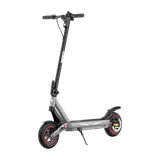
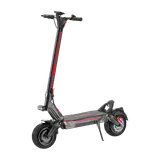
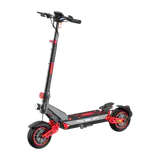
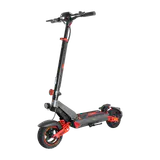
At Zwheel, we offer scooters tailored for urban commuting. The Zwheel ZSA Plus (800W) is a fantastic entry-level commuter with a 25-mile range and solid safety features. For more power, consider the Zwheel D3S-S (1000W), which delivers smooth acceleration and a 30-mile range.
Essential Safety Gear
Beyond the scooter, your gear matters:
- Helmet: DOT or CPSC certified.
- Gloves: Protect hands in a fall.
- Jacket: Abrasion-resistant with reflective elements.
- Footwear: Closed-toe shoes with grippy soles.
Dress for visibility—bright colors and reflective materials help drivers see you.
Navigating Intersections and Turns
Intersections are hotspots for accidents. Follow these steps:
- Approach: Slow down and cover brakes.
- Scan: Look left, right, and ahead for oncoming traffic.
- Signal: Use hand signals early.
- Position: For left turns, merge into the left lane or use a two-stage turn (if legal).
- Proceed: Only when you have a clear gap.
Never assume a driver sees you—make eye contact and wait for acknowledgment.
Handling Common Hazards
- Potholes and debris: Scan ahead and steer around them. Avoid sudden swerves.
- Wet roads: Reduce speed and increase following distance. Brake gently.
- Parked cars: Watch for doors opening—ride at least 3 feet away.
- Pedestrians: Yield and use a bell or horn to alert them.
Night Riding Tips
Visibility drops at night. Use a bright headlight, wear reflective gear, and stick to well-lit routes. Avoid busy roads if possible.
Maintaining Your Scooter for Safety
Regular maintenance ensures your scooter performs reliably:
- Check tire pressure weekly.
- Inspect brake pads monthly.
- Keep the battery charged between 20-80% for longevity.
- Clean and lubricate moving parts.
Refer to your manual for specific intervals.
Conclusion
Riding an electric scooter in traffic doesn't have to be daunting. By following these guidelines—pre-ride checks, understanding laws, mastering techniques, and choosing the right scooter—you can navigate city streets safely and confidently. Remember, safety is a continuous practice. Stay alert, ride defensively, and enjoy the ride.
Ready to upgrade your commute? Explore Zwheel's lineup of safe, reliable electric scooters.
Frequently Asked Questions
1. Is it safe to ride an electric scooter in traffic?
Yes, when done responsibly. Follow traffic laws, wear safety gear, and stay alert. Choose a scooter with adequate power and brakes for urban riding.
2. What speed is safe for electric scooters in traffic?
Stick to local speed limits (often 15 mph in bike lanes). Ride at a speed that allows you to stop safely and react to hazards.
3. Do I need a license to ride an electric scooter on the road?
Regulations vary. Check your local laws—some places require a driver's license or a permit for higher-speed scooters.
4. How can I be more visible to drivers?
Use lights, wear bright/reflective clothing, and make eye contact. Signal your intentions clearly.
5. What should I do if my scooter breaks down in traffic?
Pull over to a safe spot, activate hazard lights if available, and move off the road. Call for assistance if needed.
Escrito por
Zwheel Team
Parte del equipo editorial de Zwheel, cubriendo tendencias de movilidad, guías de productos y consejos para ciclistas.