UL 2272 Certification: Electric Scooter Safety Standard Explained
UL 2272 is the safety standard that tests electric scooter electrical systems for fire and shock hazards. Here's what it covers, why it matters, and how to verify certification before you buy.
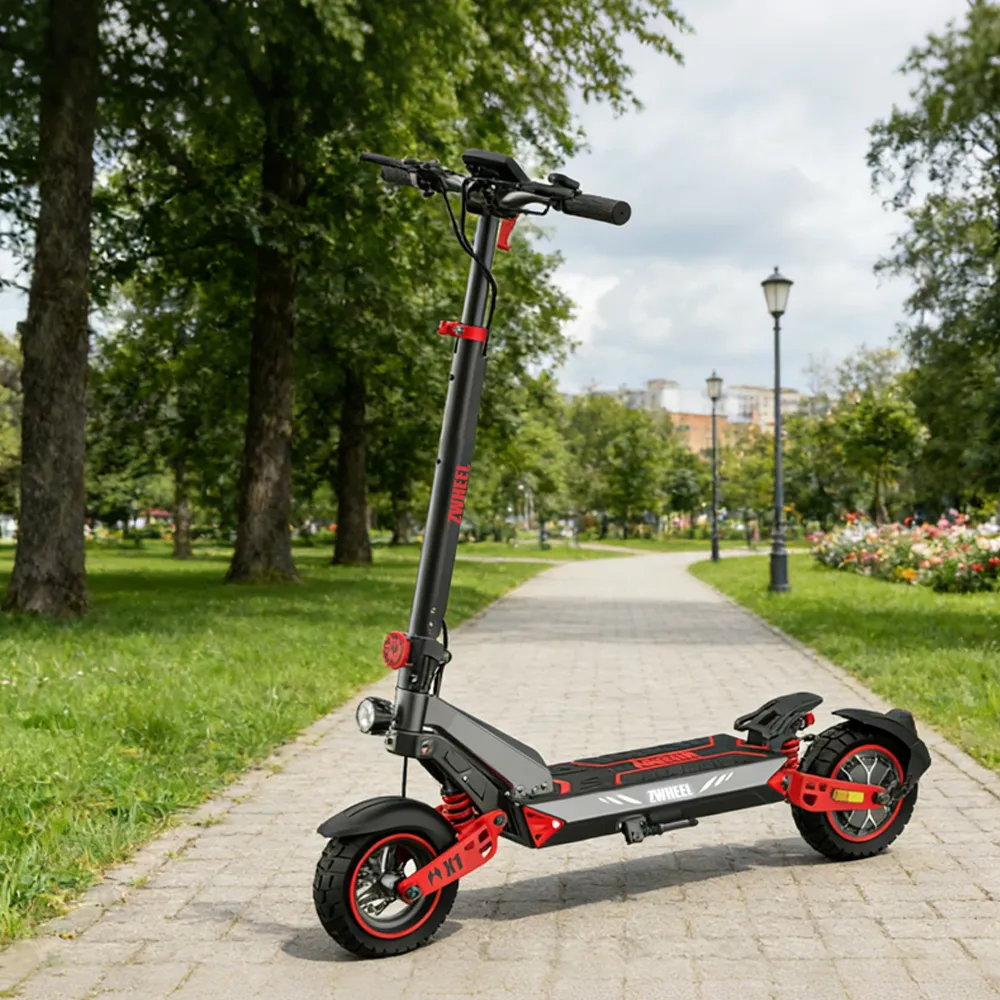
Tabla de contenidos
- UL 2272 Certification: Electric Scooter Safety Standard Explained
- What Is UL 2272?
- What Does UL 2272 Test?
- Why UL 2272 Certification Matters for Electric Scooter Safety
- How to Verify UL 2272 Certification
- UL 2272 vs. Other Safety Standards
- What to Look for in a Safe Electric Scooter
- Practical Tips for Safe Riding and Charging
- Conclusion
- Frequently Asked Questions
- Is UL 2272 certification required by law?
- How can I tell if an electric scooter is UL 2272 certified?
- Does UL 2272 cover the charger as well?
- Can a scooter be safe without UL 2272 certification?
- What should I do if my scooter's battery starts to swell or overheat?
UL 2272 Certification: Electric Scooter Safety Standard Explained
If you're shopping for an electric scooter, you've likely seen the term "UL 2272 certified" plastered across product pages. But what does it actually mean? In short, UL 2272 is the safety standard that evaluates the entire electrical system of an e-scooter—battery, charger, motor, and wiring—for fire and electric shock hazards. It's the difference between a scooter that's been rigorously tested and one that's a rolling fire risk. In this guide, we'll break down the UL 2272 certification electric scooter safety standard explained in plain English, so you can make an informed purchase and ride with confidence.
What Is UL 2272?
UL 2272, officially titled "Electrical Systems for Personal E-Mobility Devices," is a safety standard developed by Underwriters Laboratories (UL), a global safety science organization. It was first published in 2016 in response to a surge of fires and injuries linked to hoverboards and early e-scooters. The standard covers self-balancing scooters, e-scooters, and other personal e-mobility devices.
UL 2272 is not a law, but it's widely referenced by regulators, retailers, and manufacturers. In many jurisdictions, including parts of the U.S. and Europe, compliance with UL 2272 is either required or strongly recommended for legal sale. More importantly, it's a benchmark consumers can trust.
What Does UL 2272 Test?
The standard puts the scooter's electrical system through a battery of tests designed to simulate real-world abuse and failure scenarios. Key tests include:
- Overcharge and over-discharge: Ensures the battery management system (BMS) prevents excessive charging or draining, which can lead to overheating.
- Short circuit: Checks that the system can handle internal short circuits without catching fire.
- Temperature extremes: Evaluates performance in hot and cold environments.
- Vibration and drop: Simulates rough riding and impacts to ensure the battery and wiring remain intact.
- Water exposure: Tests resistance to splashes and rain (though not full submersion).
- Motor overload: Verifies the motor and controller can handle stress without failing dangerously.
- Enclosure and insulation: Checks for adequate protection against electric shock.
If a scooter passes all these tests, it earns the UL 2272 certification. The mark is a seal of approval that the device meets stringent safety requirements.
Why UL 2272 Certification Matters for Electric Scooter Safety
Battery fires are not a hypothetical risk. According to the U.S. Consumer Product Safety Commission (CPSC), there were at least 208 fires or overheating incidents involving micro-mobility devices between 2017 and 2022, resulting in 19 deaths. Many of these incidents were linked to non-certified batteries and chargers. UL 2272 certification directly addresses these risks.
When you choose a UL 2272 certified scooter, you're getting:
- Fire hazard mitigation: The BMS and battery cells are tested to prevent thermal runaway.
- Electrical shock protection: Proper insulation and enclosure design reduce the risk of shock during charging or riding.
- Reliability: Certified scooters undergo rigorous testing, so they're less likely to fail prematurely.
- Insurance and legal compliance: Some insurers and local laws require UL 2272 certification for e-scooters.
In 2023, New York City passed a law requiring all e-scooters and e-bikes sold or rented in the city to be certified to UL 2849 or UL 2272. Other cities and states are following suit. Even if certification isn't mandatory where you live, it's a smart choice for your safety and peace of mind.
How to Verify UL 2272 Certification
Not all claims are created equal. Some manufacturers might say their scooter is "UL compliant" or "tested to UL standards" without actually being certified. Here's how to verify:
- Look for the UL Mark: A genuine UL 2272 certified scooter will have the UL mark on the product, packaging, or user manual. The mark includes the UL logo and a file number.
- Check the UL Product iQ database: UL maintains a free online database where you can search for certified products by company name or file number. If the scooter isn't listed, it's not certified.
- Ask the manufacturer: Reputable brands will gladly provide their UL certificate or file number. If they hesitate, walk away.
- Beware of counterfeit marks: Some unscrupulous sellers fake the UL logo. Always verify through the official database.
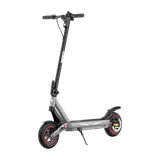
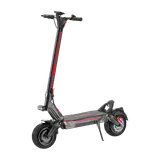
At Zwheel, we take safety seriously. All our electric scooters are designed to meet or exceed UL 2272 requirements. For example, the Zwheel ZSA Plus and Zwheel D3S-S are built with advanced battery management systems and rigorous quality control. You can ride knowing your scooter has been engineered with your safety in mind.
UL 2272 vs. Other Safety Standards
UL 2272 is specifically for personal e-mobility devices. It's often confused with UL 2849, which covers e-bikes, and UL 2054, which covers standalone batteries. While there's overlap, each standard addresses different product categories. For e-scooters, UL 2272 is the relevant certification.
In Europe, the equivalent standard is EN 17128, which covers light electric vehicles. Some manufacturers pursue both UL and EN certifications to sell globally. If you're buying from a European brand, look for EN 17128 compliance in addition to UL 2272.
What to Look for in a Safe Electric Scooter
Certification is just one piece of the puzzle. Here are other safety features to consider:
- Battery quality: Look for lithium-ion batteries from reputable manufacturers (e.g., LG, Samsung, Panasonic). Cheaper cells are more prone to failure.
- BMS features: A good battery management system includes overcharge, over-discharge, overcurrent, and temperature protection.
- Braking system: Disc brakes or electronic anti-lock brakes (E-ABS) provide reliable stopping power.
- Build quality: A sturdy frame and quality components reduce the risk of mechanical failure.
- Water resistance: An IP rating of IP54 or higher means the scooter can handle splashes and light rain.
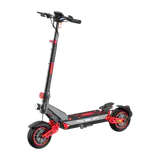
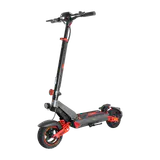
For riders who want a safe, high-performance scooter, consider the Zwheel ZSB2. It combines a 1500W motor with a robust battery system and is built to handle mixed terrain. And for those who need extreme power, the Zwheel ZSD2 offers a 4000W motor with safety features designed for aggressive riding.
Practical Tips for Safe Riding and Charging
Even with a certified scooter, safe practices matter. Follow these tips:
- Charge on a non-flammable surface: Avoid charging on carpets or near flammable materials. Use a timer to prevent overcharging.
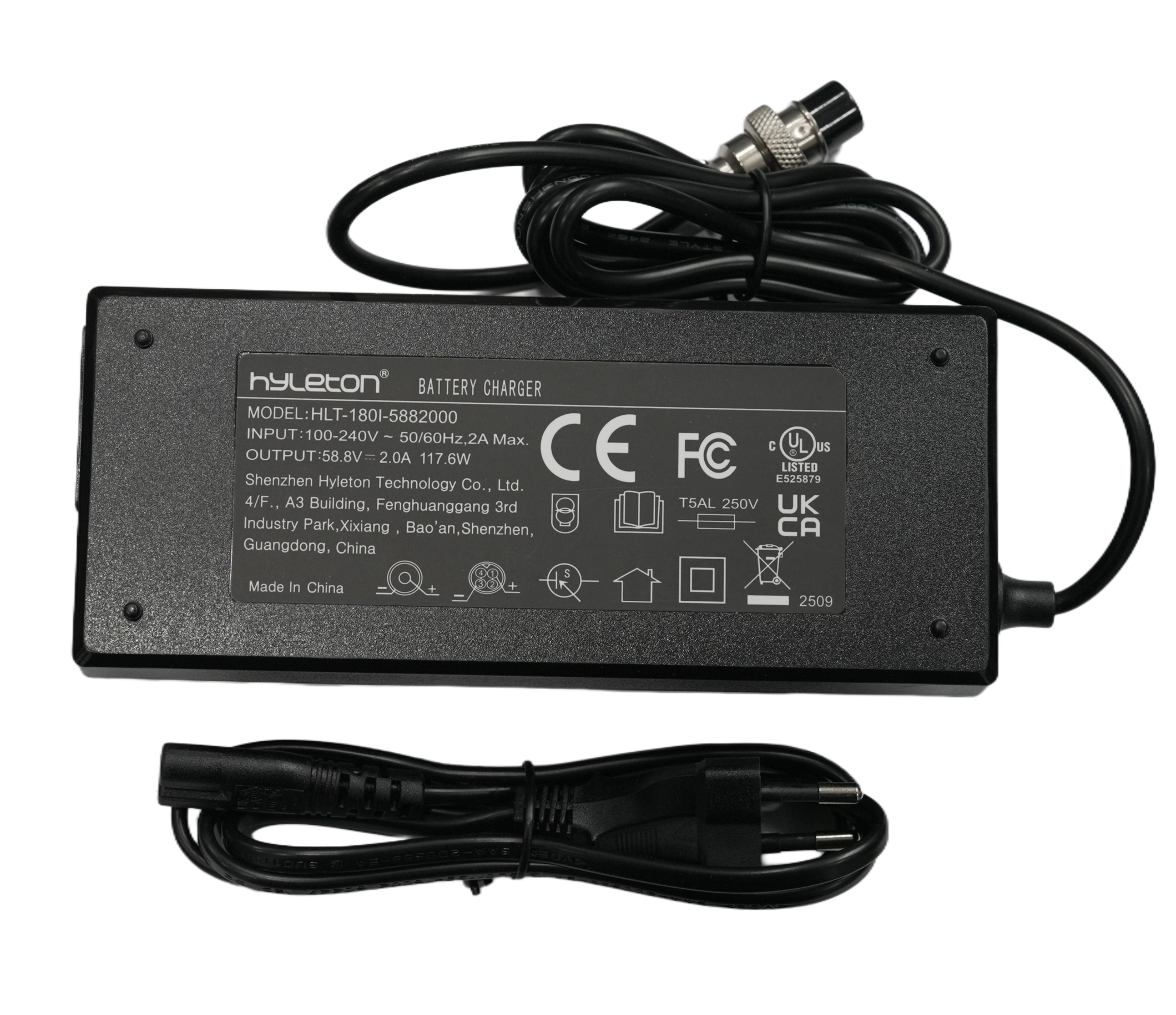
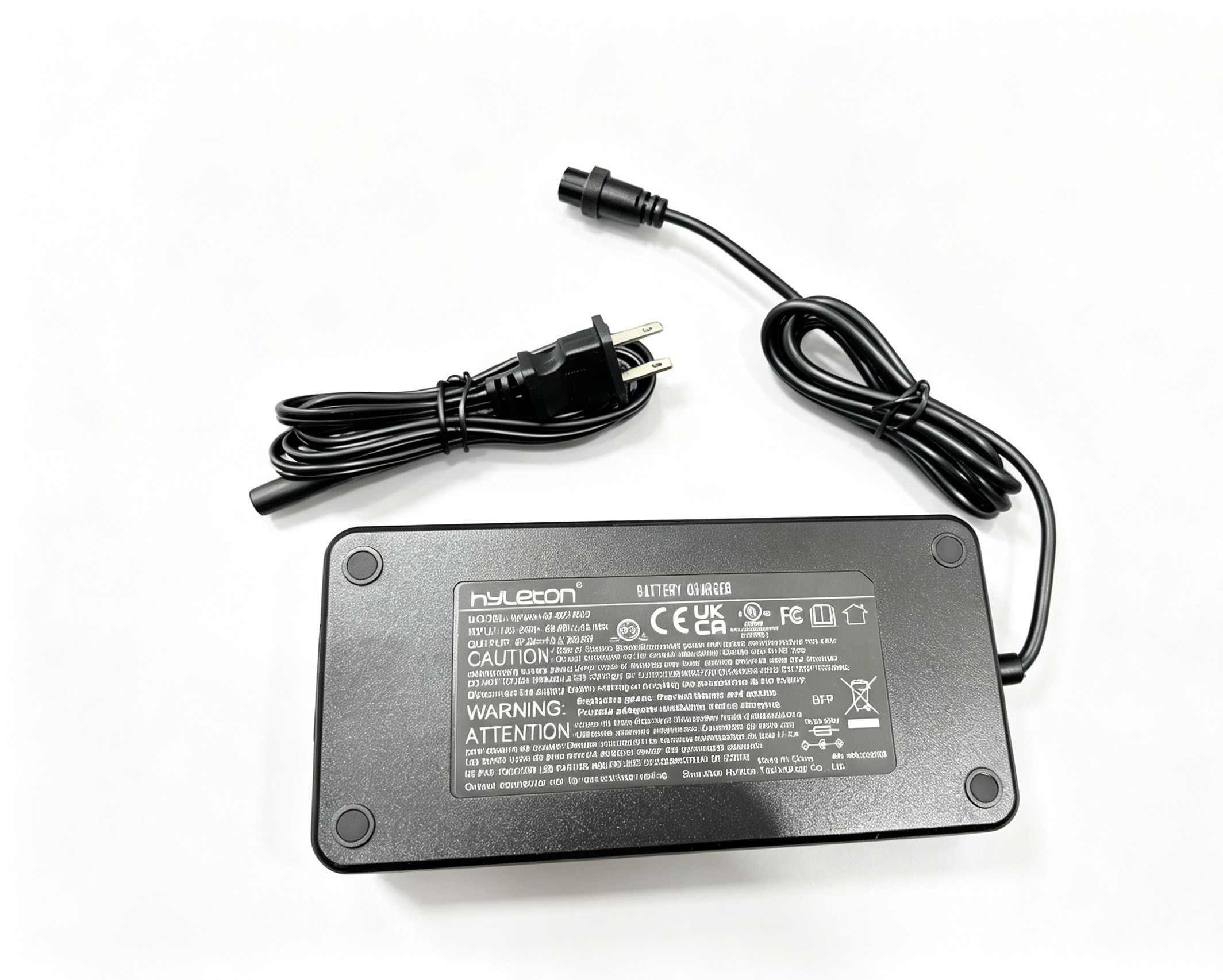
- Use the original charger: Aftermarket chargers may not be compatible and can cause fires.
- Inspect regularly: Check for frayed wires, damaged battery casings, or unusual heat during charging.
- Store properly: Keep your scooter in a dry, temperature-controlled area. Avoid extreme heat or cold.
- Don't modify the battery: DIY battery upgrades can bypass safety features and void certification.
By following these guidelines, you can extend the life of your scooter and reduce risks.
Conclusion
UL 2272 certification is more than a buzzword—it's a critical safety standard that every electric scooter buyer should understand. It ensures that the scooter's electrical system has been tested against fire, shock, and abuse scenarios. When you choose a UL 2272 certified scooter, you're prioritizing your safety and the safety of those around you. At Zwheel, we're committed to building safe, reliable e-scooters that meet rigorous standards. Browse our lineup to find the perfect ride for your needs.
Frequently Asked Questions
Is UL 2272 certification required by law?
It depends on your location. Some cities, like New York City, require UL 2272 certification for e-scooters sold or rented. Even where not mandated, many retailers and insurers require it. Always check local regulations.
How can I tell if an electric scooter is UL 2272 certified?
Look for the UL mark on the product or packaging, and verify the certification through UL's Product iQ database. You can also ask the manufacturer for their certificate.
Does UL 2272 cover the charger as well?
Yes, UL 2272 evaluates the entire electrical system, including the charger, battery, and motor. However, the charger may also be certified separately to UL 1310.
Can a scooter be safe without UL 2272 certification?
While some uncertified scooters may be well-built, certification provides independent verification of safety. Without it, you're taking a risk. It's always safer to choose a certified model.
What should I do if my scooter's battery starts to swell or overheat?
Stop using it immediately and move it to a safe, non-flammable area away from structures. Do not attempt to charge or discharge it. Contact the manufacturer or a local battery recycling facility for proper disposal.
Escrito por
Zwheel Team
Parte del equipo editorial de Zwheel, cubriendo tendencias de movilidad, guías de productos y consejos para ciclistas.