Can You Ride an Electric Scooter on the Sidewalk? Laws Explained
Wondering if you can ride an electric scooter on the sidewalk? We explain state and city laws, fines, and safety tips so you can ride legally and confidently.
Sommaire
- Can You Ride an Electric Scooter on the Sidewalk? Laws Explained
- Why Sidewalk Riding Is Usually Illegal
- State-by-State Electric Scooter Sidewalk Laws: What You Need to Know
- States That Ban Sidewalk Riding Statewide
- States With Mixed or Local Control
- States Where Sidewalk Riding Is Allowed (With Conditions)
- City Ordinances Matter More Than State Law
- Penalties for Riding on the Sidewalk
- Where Should You Ride Instead?
- Bike Lanes and Protected Lanes
- Roads With Speed Limits Under 25–30 mph
- Multi-Use Paths and Trails
- Safety Tips for Riding Legally and Confidently
- Choosing a Scooter That Fits Your Legal Riding Environment
- What About Sidewalk Riding for Delivery Workers?
- Frequently Asked Questions
- Can you ride an electric scooter on the sidewalk in California?
- Is it legal to ride an e-scooter on the sidewalk in New York City?
- What happens if you get caught riding on the sidewalk?
- Are there any cities where sidewalk riding is allowed?
- Do electric scooter laws vary by state?
- Conclusion: Know the Law, Ride Smart
Can You Ride an Electric Scooter on the Sidewalk? Laws Explained
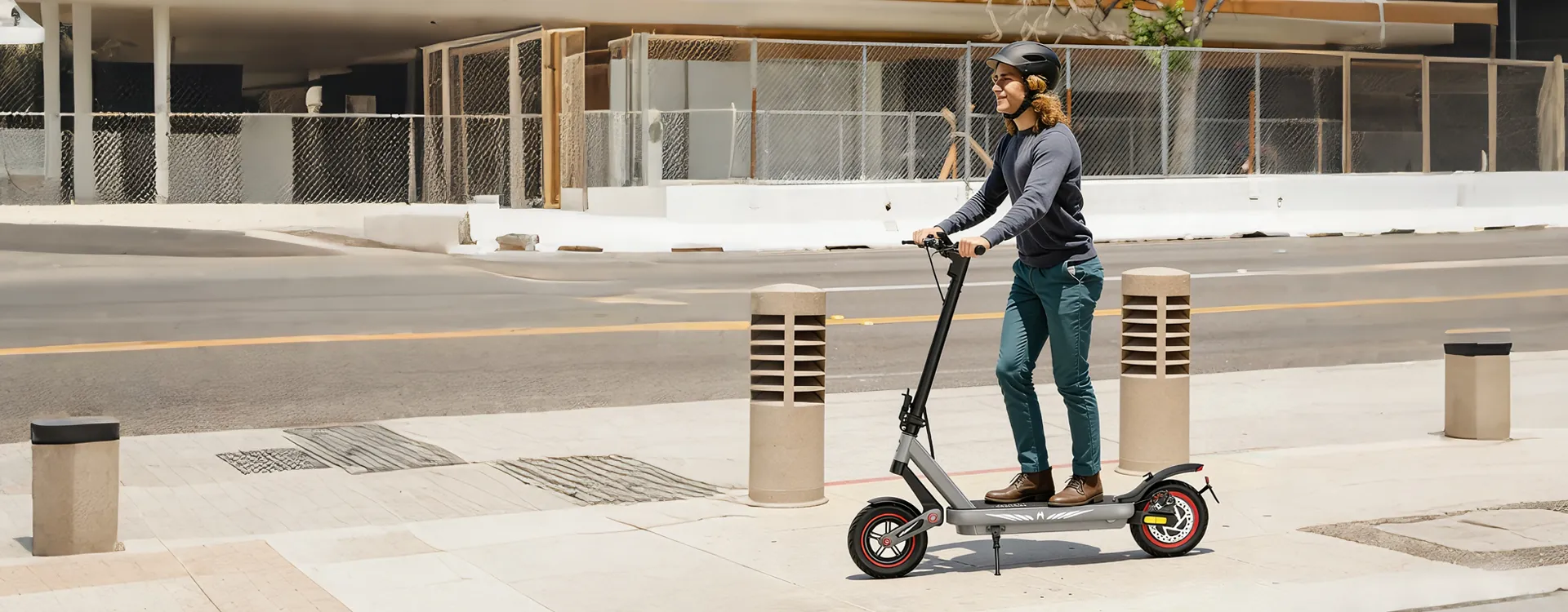
If you've ever glided past a pedestrian on your e-scooter and wondered, "Can you ride an electric scooter on the sidewalk?" you're not alone. This is one of the most common questions new riders ask—and the answer isn't as simple as a yes or no. In most U.S. cities, riding on the sidewalk is either banned outright or heavily restricted. But the rules vary wildly depending on where you live, and getting it wrong can cost you a fine or worse.
In this guide, we'll break down the current legal landscape as of 2026, explain why so many places prohibit sidewalk riding, and give you practical tips for staying on the right side of the law. Whether you're commuting to work or just cruising the neighborhood, knowing the rules keeps you safe and your wallet intact.
Why Sidewalk Riding Is Usually Illegal
Sidewalks are designed for pedestrians—people walking, kids on bikes, someone pushing a stroller. When you add a 30–50 lb electric scooter moving at 15–20 mph, the risk of collision and injury skyrockets. That's the core reason most cities restrict or ban sidewalk riding.
Studies from the National Association of City Transportation Officials (NACTO) show that pedestrians are among the most vulnerable road users, and e-scooters on sidewalks create conflicts. A 2023 report from the Insurance Institute for Highway Safety (IIHS) found that sidewalk scooter crashes often involve pedestrians stepping out of doorways or turning without looking. Cities respond by pushing scooters onto the street or into bike lanes.
There's also the simple matter of speed. A pedestrian walks at about 3 mph. A scooter traveling at 15 mph covers five times the distance in the same time. That speed differential makes sidewalks dangerous for everyone.
State-by-State Electric Scooter Sidewalk Laws: What You Need to Know
Electric scooter regulations are a patchwork of state laws and city ordinances. Some states leave it to local governments; others set a statewide default. Here's a snapshot of how different states handle sidewalk riding as of 2026. Always check your specific city codes before you ride—this is a general guide, not legal advice.
States That Ban Sidewalk Riding Statewide
Several states explicitly prohibit e-scooters on sidewalks. Examples include:
- California: Under California Vehicle Code 21235, electric scooters cannot be ridden on sidewalks. Riders must use bike lanes or roads. Some cities like Santa Monica and San Francisco enforce this strictly.
- New York: New York City bans e-scooters on sidewalks, and the state legalized them for streets and bike lanes in 2020. Fines can reach $250 for repeat offenses.
- Florida: Florida Statute 316.2065(10) prohibits riding electric scooters on sidewalks unless local ordinances allow it. Many cities, including Miami, have opted to ban them.
- Texas: Texas Transportation Code 551.352 allows cities to regulate scooters, and most major metros (Austin, Dallas, Houston) prohibit sidewalk riding in their downtown areas.
States With Mixed or Local Control
Some states don't have a statewide ban but allow cities to decide. For example:
- Washington: State law permits e-scooters on sidewalks only if local jurisdictions don't prohibit it. Seattle bans sidewalk riding; smaller towns may allow it.
- Colorado: Denver prohibits sidewalk riding, but some suburban areas permit it with speed limits (usually under 10 mph).
- Georgia: Atlanta bans sidewalk scooters, but other Georgia cities have varying rules.
States Where Sidewalk Riding Is Allowed (With Conditions)
A few states allow sidewalk riding, often with restrictions like speed limits or yielding to pedestrians. Examples include:
- Virginia: Allows e-scooters on sidewalks if local ordinances don't ban it, but riders must yield to pedestrians and give an audible signal when passing.
- Oregon: Portland allows sidewalk riding only outside of designated areas, and riders must keep speed under 10 mph.
- Hawaii: Some counties permit sidewalk riding, but not in Waikiki or other high-traffic tourist zones.
Even where allowed, riding on the sidewalk rarely means you can zoom freely. You're typically required to yield to pedestrians, travel at a walking pace, and sometimes dismount in busy areas.
City Ordinances Matter More Than State Law
In practice, your city's rules are what you'll encounter on the street. Many municipalities have their own e-scooter ordinances that are stricter than state law. For instance:
- Los Angeles: Bans sidewalk riding in most areas, with fines starting at $250.
- Chicago: Prohibits sidewalk riding in the central business district and requires scooters to use bike lanes.
- Washington, D.C.: Allows sidewalk riding outside the downtown core but caps speed at 10 mph and requires yielding to pedestrians.
- Paris: Banned e-scooters on sidewalks entirely in 2019 and later restricted them to bike lanes.
Before you ride, spend five minutes searching "[your city] electric scooter sidewalk law." Look for the official municipal code or department of transportation page. Apps like Bird and Lime often display local rules in-app, but don't rely solely on them—especially if you own your own scooter.
Penalties for Riding on the Sidewalk
Fines vary by location. In New York City, riding on the sidewalk can cost you up to $250. In Los Angeles, the fine starts at $250 and can go higher with repeat offenses. Some cities impound the scooter. In extreme cases, reckless riding could lead to a misdemeanor charge if you injure someone.
Beyond fines, there's civil liability. If you hit a pedestrian while riding illegally on the sidewalk, you could be held responsible for medical bills and damages. That's a risk no one should take.
Where Should You Ride Instead?
If sidewalks are off-limits, where can you legally ride? The short answer: bike lanes, roads with low speed limits, and designated scooter paths. Here's how to choose the safest option.
Bike Lanes and Protected Lanes
Bike lanes are the gold standard for e-scooter riding. They keep you separated from faster cars and off the sidewalk. Protected bike lanes—with physical barriers—are even better. If your city has a good bike network, plan your route around it.
Roads With Speed Limits Under 25–30 mph
Most states allow e-scooters on roads with speed limits up to 25 or 30 mph. Ride with traffic, obey stop signs and signals, and use hand signals. Avoid high-speed arterials where cars travel 40+ mph.
Multi-Use Paths and Trails
Many cities have multi-use paths where e-scooters are welcome. These are often the most enjoyable places to ride. Just remember to yield to pedestrians and announce yourself when passing.
Safety Tips for Riding Legally and Confidently
Wherever you ride, safety should be your top priority. Here are practical tips to keep you out of trouble and off the injury list.
- Wear a helmet. It's required for riders under 18 in many states and recommended for everyone. A good helmet costs $30–$60 and can save your life.
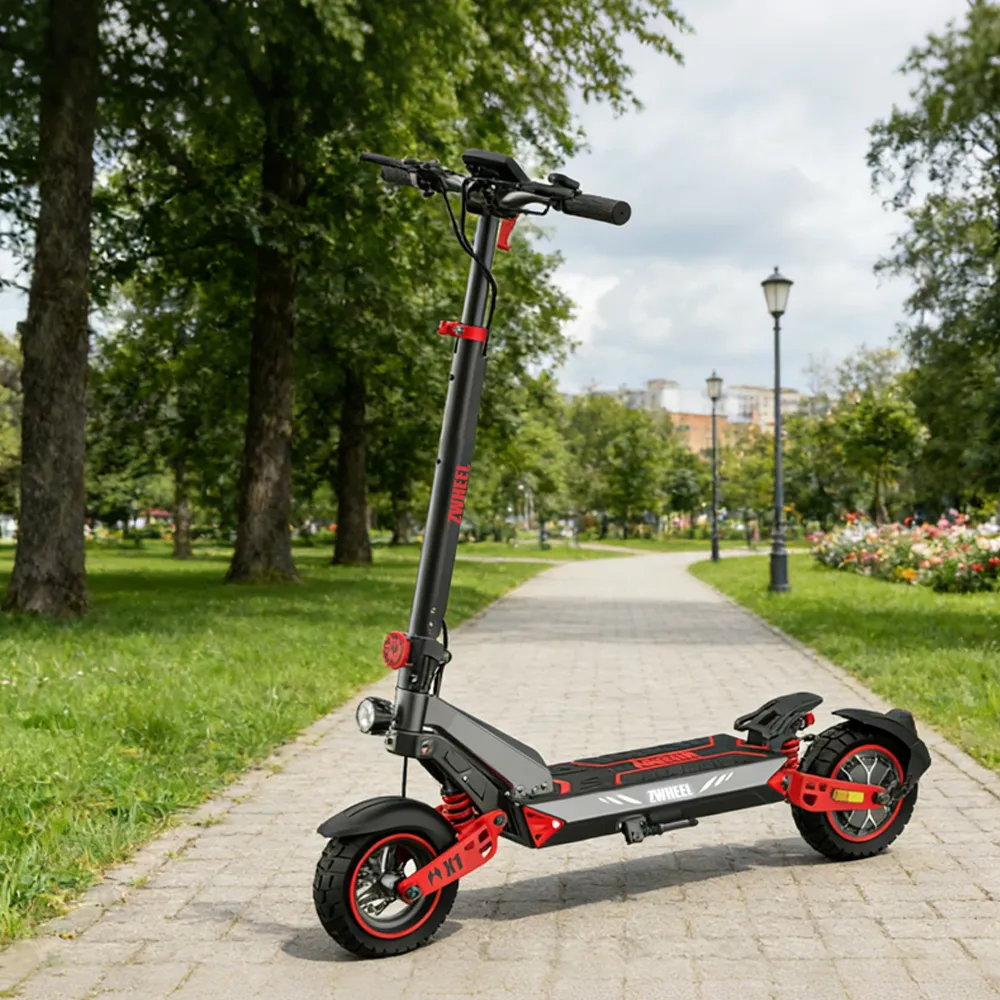
- Use lights and reflectors. If you ride at night, you need a front white light and rear red reflector. Many scooters, like the Zwheel ZSA Plus, come with integrated lighting.
- Don't ride on the sidewalk—even if you see others doing it. Enforcement varies, but the law is the law. Set a good example.
- Yield to pedestrians. When crossing a sidewalk to enter a building or park, dismount and walk your scooter.
- Check local rules before every trip. If you're traveling to a new city, look up its scooter laws. Ignorance isn't a defense.
- Ride predictably. Signal turns, avoid weaving, and stay visible.
Choosing a Scooter That Fits Your Legal Riding Environment
Not all e-scooters are created equal, and your choice can affect where you can legally ride. Some cities cap scooter speed at 15 mph on bike paths or require certain wattage limits. If you're mostly commuting on roads and bike lanes, a lighter, road-friendly model makes sense. The Zwheel D3S-S (1000W, $600) is a solid commuter option with a focus on city riding.
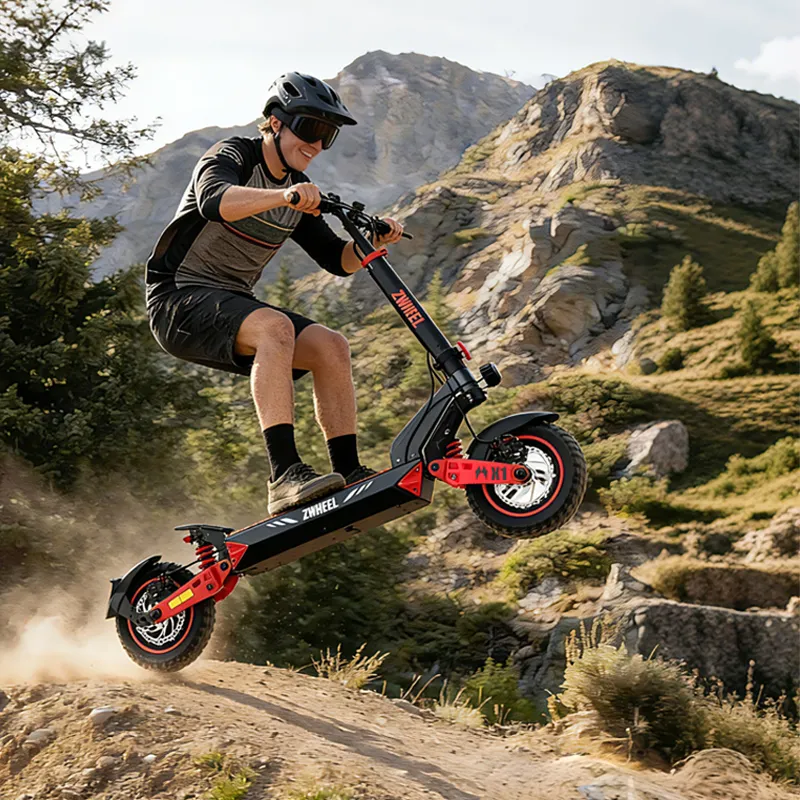
If you plan to ride on mixed terrain—like gravel paths or unpaved trails where sidewalks aren't even an option—you might want more power and suspension. The Zwheel ZSB2 (1500W, $650) is an all-terrain model that handles both city streets and light off-road use. Just remember: off-road capability doesn't mean you can ride it on the sidewalk.
For riders who want maximum performance on legal off-road trails, the Zwheel ZSD1 (2000W, $800) offers serious power for mountain terrain. Again, keep it off pedestrian walkways.
What About Sidewalk Riding for Delivery Workers?
In many cities, delivery workers on e-scooters face the same sidewalk bans as everyone else. New York City, for example, requires delivery workers to use bike lanes and prohibits sidewalk riding. Some cities have created specific loading zones or allow brief sidewalk use to reach a building entrance, but you must dismount and walk. If you're a delivery rider, check your city's rules—fines can add up quickly and cut into your earnings.
Frequently Asked Questions
Can you ride an electric scooter on the sidewalk in California?
No. California Vehicle Code 21235 prohibits riding electric scooters on sidewalks. Riders must use bike lanes or roads. Fines can exceed $250.
Is it legal to ride an e-scooter on the sidewalk in New York City?
No, sidewalk riding is illegal in NYC. E-scooters must be ridden in bike lanes or on streets with speed limits under 30 mph. Fines start at $50 and can reach $250 for repeat offenses.
What happens if you get caught riding on the sidewalk?
You could receive a citation with fines ranging from $50 to $250 or more, depending on the city. In some cases, the scooter may be impounded. If you injure a pedestrian, you could face civil liability or even criminal charges.
Are there any cities where sidewalk riding is allowed?
A few cities allow it with restrictions. For example, Washington, D.C., permits sidewalk riding outside the downtown core but caps speed at 10 mph and requires yielding to pedestrians. Virginia allows it unless local ordinances ban it. Always check your specific city's rules.
Do electric scooter laws vary by state?
Yes, significantly. Some states ban sidewalk riding statewide (California, New York, Florida), while others leave it to local governments (Washington, Colorado). Always check both state and city laws before you ride.
Conclusion: Know the Law, Ride Smart
So, can you ride an electric scooter on the sidewalk? In most places, the answer is no—and for good reason. Sidewalks are for pedestrians, and mixing fast-moving scooters with foot traffic creates unnecessary danger. The laws are clear in many states and cities, and the penalties can be steep.
The best approach is to plan your route around bike lanes, low-speed roads, and multi-use paths. Always check your local ordinances, wear a helmet, and ride respectfully. If you're in the market for a scooter that matches your legal riding environment, explore Zwheel's lineup—from the commuter-friendly ZSA Plus to the all-terrain ZSB2. Ride legal, ride safe, and enjoy the journey.
Ecrit par
Zwheel Team
Membre de l'equipe editoriale Zwheel, couvrant les tendances de mobilite, guides et conseils.