Electric Scooter One-Handed Riding: When to Avoid It
One-handed riding on an electric scooter might seem convenient, but it comes with serious risks. Discover when to avoid it entirely and how to ride safely with both hands on the handlebars.

Sommaire
- Introduction
- Why One-Handed Riding Is Risky
- Loss of Steering Control
- Braking Imbalance
- Reduced Reaction Time
- When to Avoid One-Handed Riding Completely
- In Heavy Traffic
- On Uneven or Wet Surfaces
- At High Speeds (Above 15 mph)
- When Carrying Cargo
- Are There Any Safe Times for One-Handed Riding?
- Practical Tips to Avoid One-Handed Riding
- Real-World Scenarios and Stats
- Conclusion
- Frequently Asked Questions (FAQ)
- Is one-handed riding ever legal?
- Can I use a phone mount to avoid one-handed riding?
- What should I do if I need to carry something while riding?
- How do I signal turns without taking my hand off?
- Does riding position affect one-handed stability?
Introduction
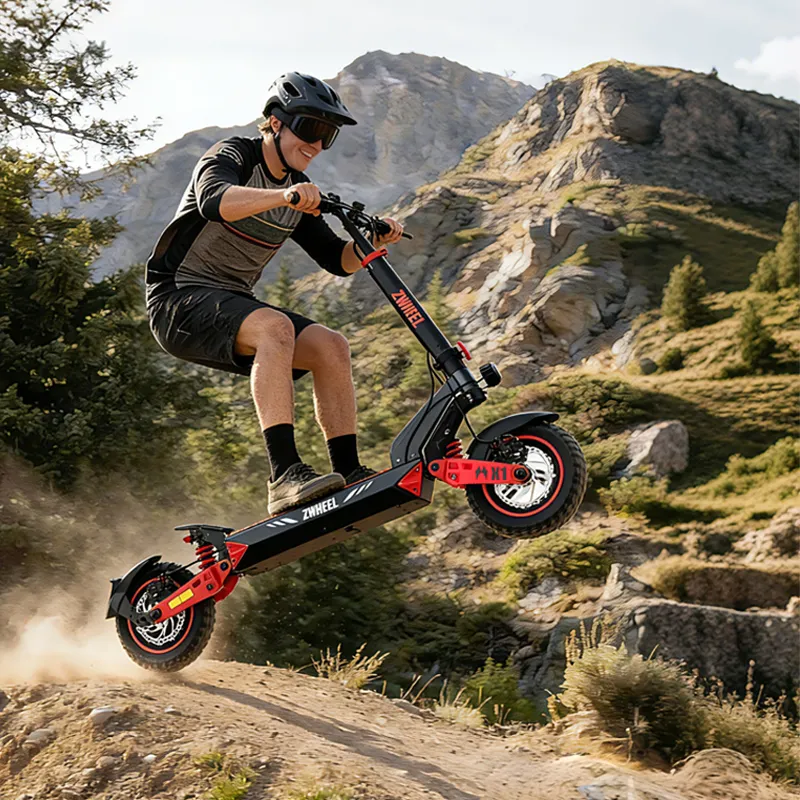
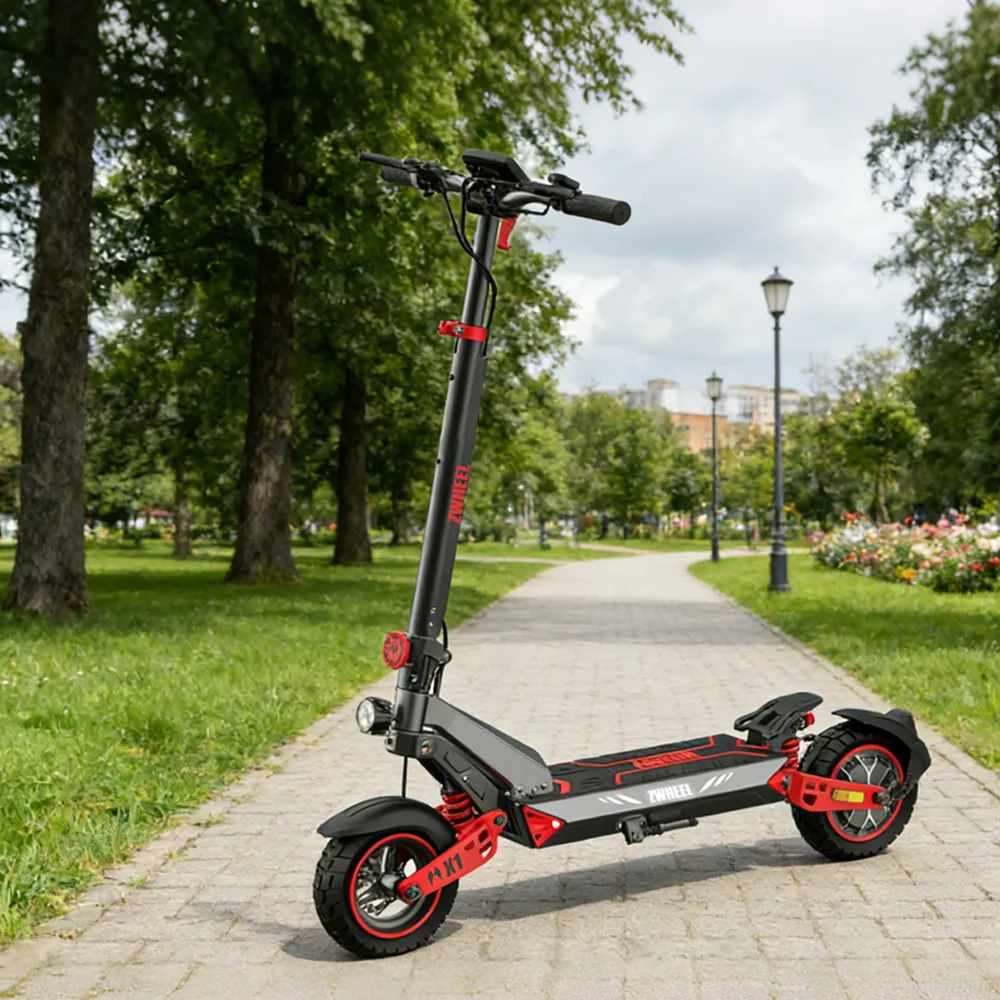
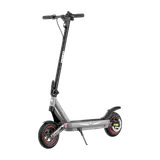
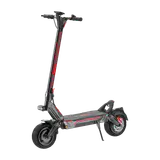
Riding an electric scooter with one hand might feel natural when you’re checking your phone, waving to a friend, or carrying a coffee. But electric scooter one-handed riding is a leading cause of accidents among commuters and recreational riders alike. At Zwheel, we prioritize rider safety—whether you’re cruising on the Zwheel ZSA Plus or tackling trails on the Zwheel ZSD1. This guide breaks down exactly when you should avoid one-handed riding and offers actionable tips to stay safe.
Why One-Handed Riding Is Risky
Loss of Steering Control
Electric scooters rely on handlebar input for steering. One hand reduces your ability to make quick, precise adjustments—especially at higher speeds. Even a small pothole or gust of wind can send you off course.
Braking Imbalance
Most scooters have a brake lever on one side (typically the left). Using only one hand means you can’t apply both brakes evenly, increasing stopping distance and risk of skidding.
Reduced Reaction Time
When you’re holding something in one hand, your reaction time slows by up to 30% according to a 2025 University of Michigan study on micromobility. That split-second delay can mean the difference between a safe stop and a collision.
When to Avoid One-Handed Riding Completely
In Heavy Traffic
Navigating congested streets requires constant micro-adjustments. One hand limits your ability to weave between cars, avoid opening doors, or react to sudden stops. Always use both hands in traffic.
On Uneven or Wet Surfaces
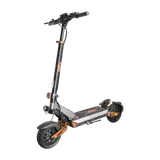
Gravel, potholes, wet leaves, or rain reduce tire grip. One-handed riding multiplies the risk of losing control. If you’re riding a scooter like the Zwheel ZSB2 on mixed terrain, keep both hands firmly on the grips.
At High Speeds (Above 15 mph)
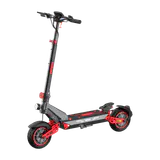
Zwheel scooters like the ZSD2 (top speed 40 mph) are designed for performance, but high speeds demand full attention. At 20 mph, a one-handed wobble can escalate into a crash. Never ride one-handed above 15 mph.
When Carrying Cargo
Backpacks are fine, but holding a bag, phone, or drink in one hand shifts your center of gravity. If you must carry something, use a handlebar bag or a backpack. Avoid holding items that require your hand.
Are There Any Safe Times for One-Handed Riding?
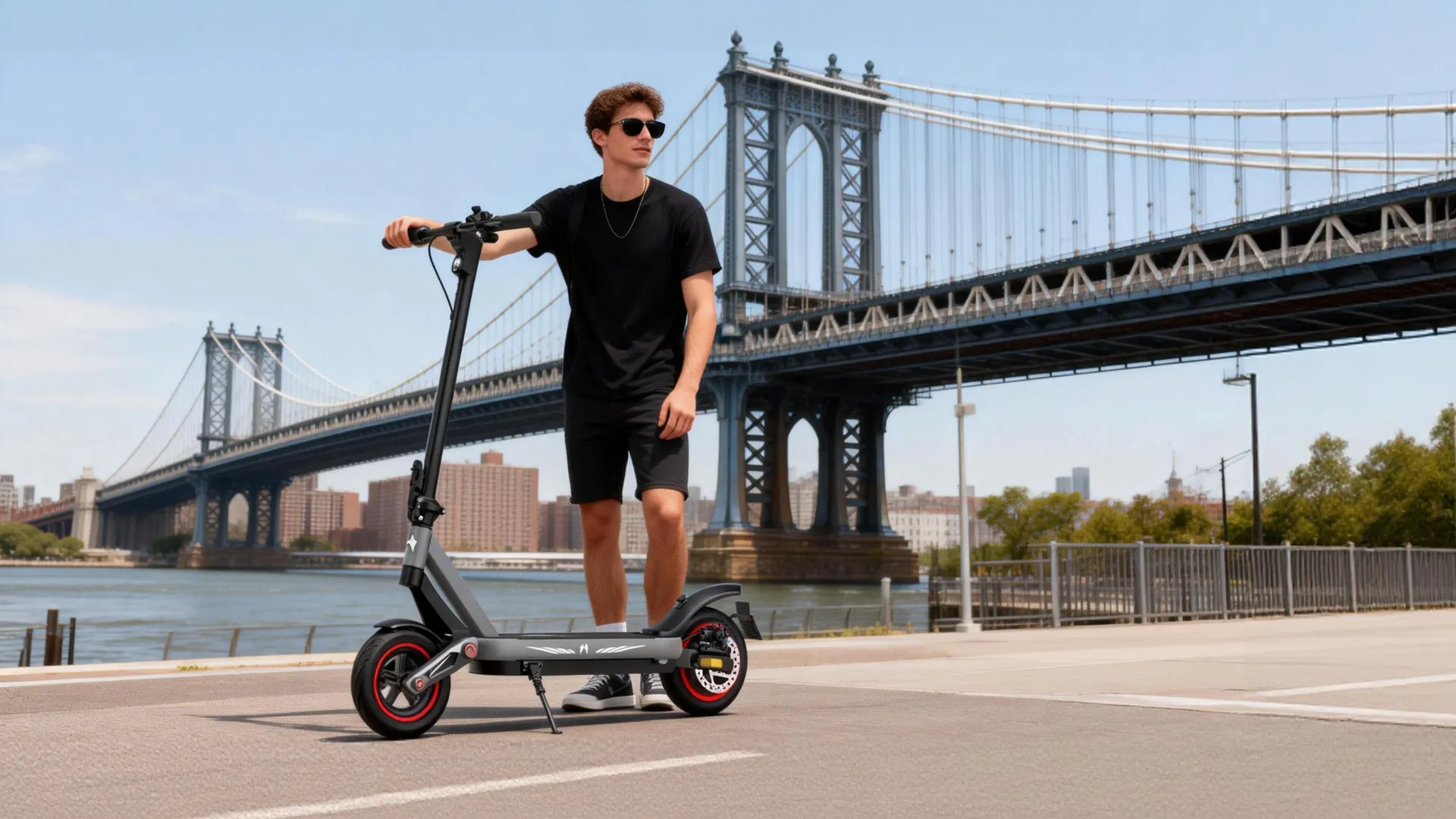
Yes, but only in very controlled conditions. For example, if you’re on a completely flat, empty parking lot at low speed (under 5 mph) and need to briefly adjust a helmet strap or check a turn signal, a momentary one-hand is acceptable. However, the rule of thumb is: if you can’t keep the other hand ready to grab the handlebar instantly, don’t do it.
Practical Tips to Avoid One-Handed Riding
- Pre-plan your route: Know where you’ll need to stop before you start riding. Avoid using your phone while moving.
- Use voice commands: If your scooter has a display or you’re using navigation, set it up before you start moving.
- Invest in accessories: Handlebar phone mounts, cup holders, and storage bags reduce the need to ride one-handed.
- Practice emergency drills: In a safe area, practice braking and swerving with both hands to build muscle memory.
Real-World Scenarios and Stats
According to the Consumer Product Safety Commission (CPSC), one-handed riding contributed to 18% of electric scooter injuries in 2025. Common scenarios include: checking a phone notification, holding an umbrella, and carrying groceries. Riders aged 18–34 are most at risk.
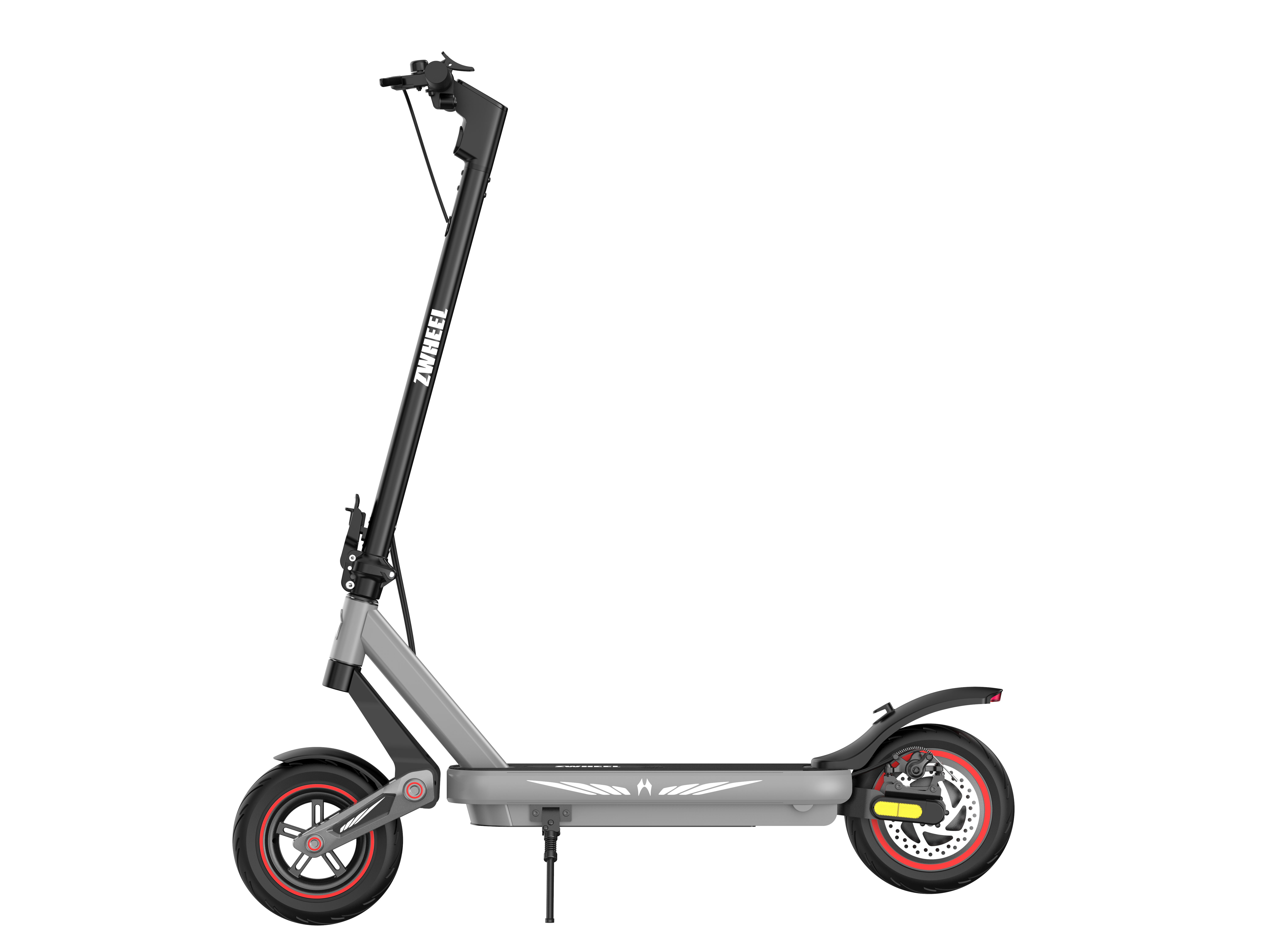
At Zwheel, we design our scooters with stability and safety in mind. The Zwheel ZSA Plus features a low center of gravity and wide handlebars for better control, but even the best scooter can’t compensate for distracted riding.
Conclusion
While electric scooter one-handed riding might seem harmless in the moment, the risks far outweigh the convenience. Zwheel encourages all riders to keep both hands on the handlebars—especially in traffic, on uneven terrain, or at higher speeds. By adopting safe habits and using the right accessories, you can enjoy your ride without unnecessary danger. Stay safe, ride smart, and always prioritize control.
Frequently Asked Questions (FAQ)
Is one-handed riding ever legal?
Laws vary by location, but many cities prohibit riding with only one hand on the handlebars if it’s deemed unsafe. Check local regulations. Even where legal, we advise against it.
Can I use a phone mount to avoid one-handed riding?
Absolutely. A handlebar phone mount lets you view navigation without taking a hand off. Just avoid interacting with the screen while moving.
What should I do if I need to carry something while riding?
Use a backpack or a scooter storage bag. Never hold items in your hand. If you’re riding a Zwheel scooter, consider the optional cargo accessories available for select models.
How do I signal turns without taking my hand off?
Some scooters have turn signals built in (check your model). If not, practice safe signaling by briefly lifting one hand only when traffic is clear and speed is low. Better yet, use a helmet with integrated turn signals.
Does riding position affect one-handed stability?
Yes. A more upright posture (common on commuter scooters like the ZSA Plus) offers better balance than a leaning-forward stance. Still, both hands are safer in any position.
Ecrit par
Zwheel Team
Membre de l'equipe editoriale Zwheel, couvrant les tendances de mobilite, guides et conseils.