Electric Scooter for Photographers: Location Scouting Guide
Photographers, ditch the car and cover more ground with an electric scooter. Learn how to choose the right model, carry your gear safely, and scout locations like a pro.
Indice
- Why Every Photographer Needs an Electric Scooter for Location Scouting
- Why an Electric Scooter Beats Walking (and Driving) for Scouting
- Access to Hidden Locations
- Time and Cost Efficiency
- Choosing the Right Electric Scooter for Location Scouting
- Range and Battery Life
- Stability and Suspension
- Portability and Storage
- Cargo Capacity
- Top Zwheel Models for Photographers
- Zwheel ZSA Plus – The Budget-Friendly Commuter
- Zwheel D3S-S – The All-Around Performer
- Zwheel ZSB2 – The Off-Road Explorer
- How to Carry Camera Gear on a Scooter
- Essential Accessories for Photographer Scooters
- Tips for Scouting Locations by Scooter
- Frequently Asked Questions
- Can I ride an electric scooter on sidewalks while scouting?
- What's the best electric scooter for carrying heavy camera gear?
- How far can I realistically scout on a single charge?
- Are electric scooters allowed on trails and in parks?
- Can I lock my scooter safely while I shoot?
- Final Thoughts
Why Every Photographer Needs an Electric Scooter for Location Scouting
As a photographer, you know that the perfect location can make or break a shoot. But finding that hidden alleyway, that perfect golden-hour vantage point, or that abandoned building with killer light often requires covering a lot of ground—and doing it quickly. That's where an electric scooter for photographers location scouting becomes a game-changer. Unlike a car, a scooter lets you weave through traffic, park almost anywhere, and access narrow streets and paths that are off-limits to vehicles. Unlike walking, it lets you cover 5–10 times more ground in the same amount of time, so you can scout multiple locations in a single afternoon.
In this guide, we'll explore why electric scooters are the ultimate scouting companion, what features to look for, and how to carry your camera gear safely. We'll also recommend a few Zwheel models that are particularly well-suited for photographers who need range, stability, and portability.
Why an Electric Scooter Beats Walking (and Driving) for Scouting
Let's break down the numbers. On foot, you might cover 2–3 miles in an hour while stopping to take notes and photos. In a car, you're limited to roads and parking spots, and you'll spend more time circling the block than actually scouting. An electric scooter, on the other hand, can easily cover 10–15 miles in an hour, even with stops. That means you can explore three or four neighborhoods in the time it would take to walk one.
Plus, scooters are allowed on many bike paths, boardwalks, and pedestrian-friendly zones where cars are banned. They're also quiet, so you won't disturb wildlife or locals while scouting. And when you find a spot you love, you can hop off, lock the scooter to a rack, and spend as much time as you need composing your shot.
Access to Hidden Locations
Some of the best photo spots are tucked away in alleys, industrial areas, or along narrow trails. A scooter's compact size lets you slip through gaps that would stop a car cold. Just be sure to check local regulations—some cities restrict scooters on sidewalks or in parks.
Time and Cost Efficiency
Scouting by car means fuel, parking fees, and the hassle of finding a spot. A scooter costs pennies to charge and often parks free. Over a year of scouting, that adds up to hundreds of dollars saved—money you can put toward a new lens instead.
Choosing the Right Electric Scooter for Location Scouting
Not all scooters are created equal. As a photographer, you'll need a model that balances range, stability, and cargo capacity. Here's what to prioritize:
Range and Battery Life
You don't want to run out of juice miles from your car. Look for a scooter with a realistic range of at least 20 miles. Keep in mind that range drops in cold weather or when carrying heavy gear. A good rule of thumb: divide the manufacturer's claimed range by two for real-world mixed riding.
Stability and Suspension
You'll be riding on varied surfaces—cobblestones, gravel paths, potholed streets. A scooter with dual suspension and pneumatic tires will keep you stable and reduce fatigue. Wider decks also help you shift your weight when carrying a backpack.
Portability and Storage
If you plan to combine scooting with public transit or store it in a car trunk, a folding mechanism is essential. Check the folded dimensions and weight—anything under 50 lbs is manageable for most people.
Cargo Capacity
You'll need to carry your camera bag, tripod, and maybe a change of clothes. Look for scooters with a sturdy deck and the option to mount a front bag or use a backpack. Some photographers use a cargo net or straps to secure a hard case to the deck.
Top Zwheel Models for Photographers
Zwheel offers several scooters that fit the bill for location scouting. Here are three standouts:
Zwheel ZSA Plus – The Budget-Friendly Commuter
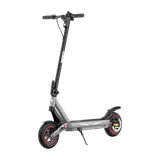
With an 800W motor and a range of up to 25 miles, the Zwheel ZSA Plus is perfect for urban photographers who stick to city streets and bike paths. It's lightweight (around 35 lbs) and folds easily, so you can toss it in the trunk or take it on the subway. The 8.5-inch pneumatic tires handle bumps reasonably well, and the deck is wide enough for a small camera bag between your feet.
Zwheel D3S-S – The All-Around Performer
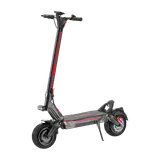
Step up to the Zwheel D3S-S for more power (1000W) and a bit more range. It features dual suspension and 10-inch tires, making it more comfortable on rough roads and gravel paths. The D3S-S also has a higher weight capacity, so you can carry a heavier backpack without worrying about strain on the frame.
Zwheel ZSB2 – The Off-Road Explorer
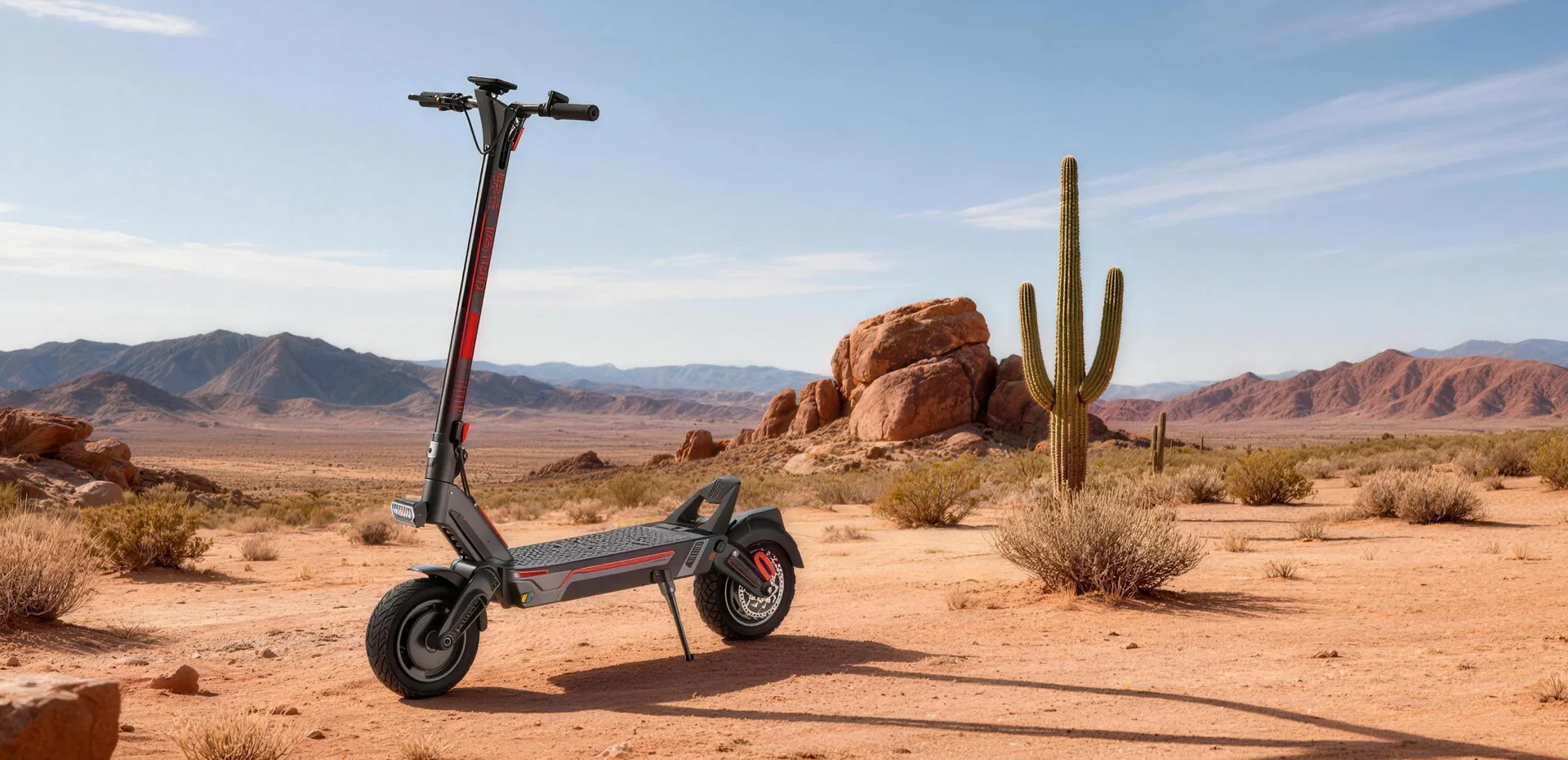
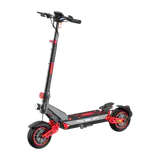
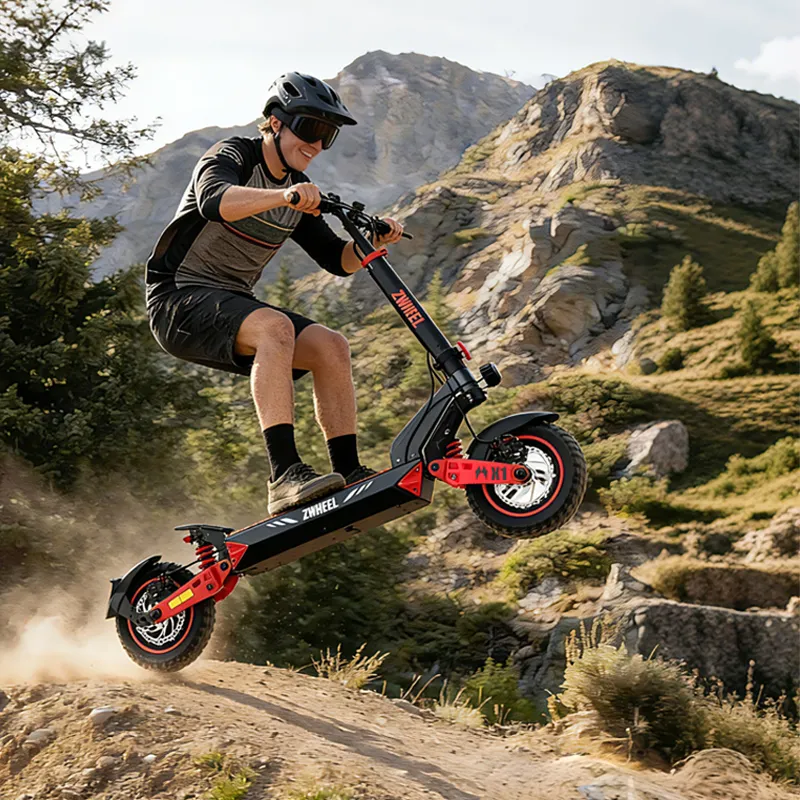
If your scouting takes you off the beaten path—think dirt trails, grassy fields, or uneven terrain—the Zwheel ZSB2 is a worthy companion. With a 1500W motor, 10-inch off-road tires, and full suspension, it can handle just about anything you throw at it. The range is impressive, too, so you can venture further without worrying about battery anxiety.
How to Carry Camera Gear on a Scooter
Safety first: never ride with a camera bag hanging off one shoulder. Instead, use a backpack with padded straps and a sternum strap to keep the load stable. A dedicated camera backpack like those from Peak Design or Lowepro works well. For extra security, consider a hard case strapped to the deck—but make sure it doesn't interfere with your feet or steering.
If you're carrying a tripod, look for a scooter with a front-mounted hook or a small rack. Alternatively, a tripod bag with a shoulder strap can be worn cross-body. Just keep the weight balanced.
Essential Accessories for Photographer Scooters
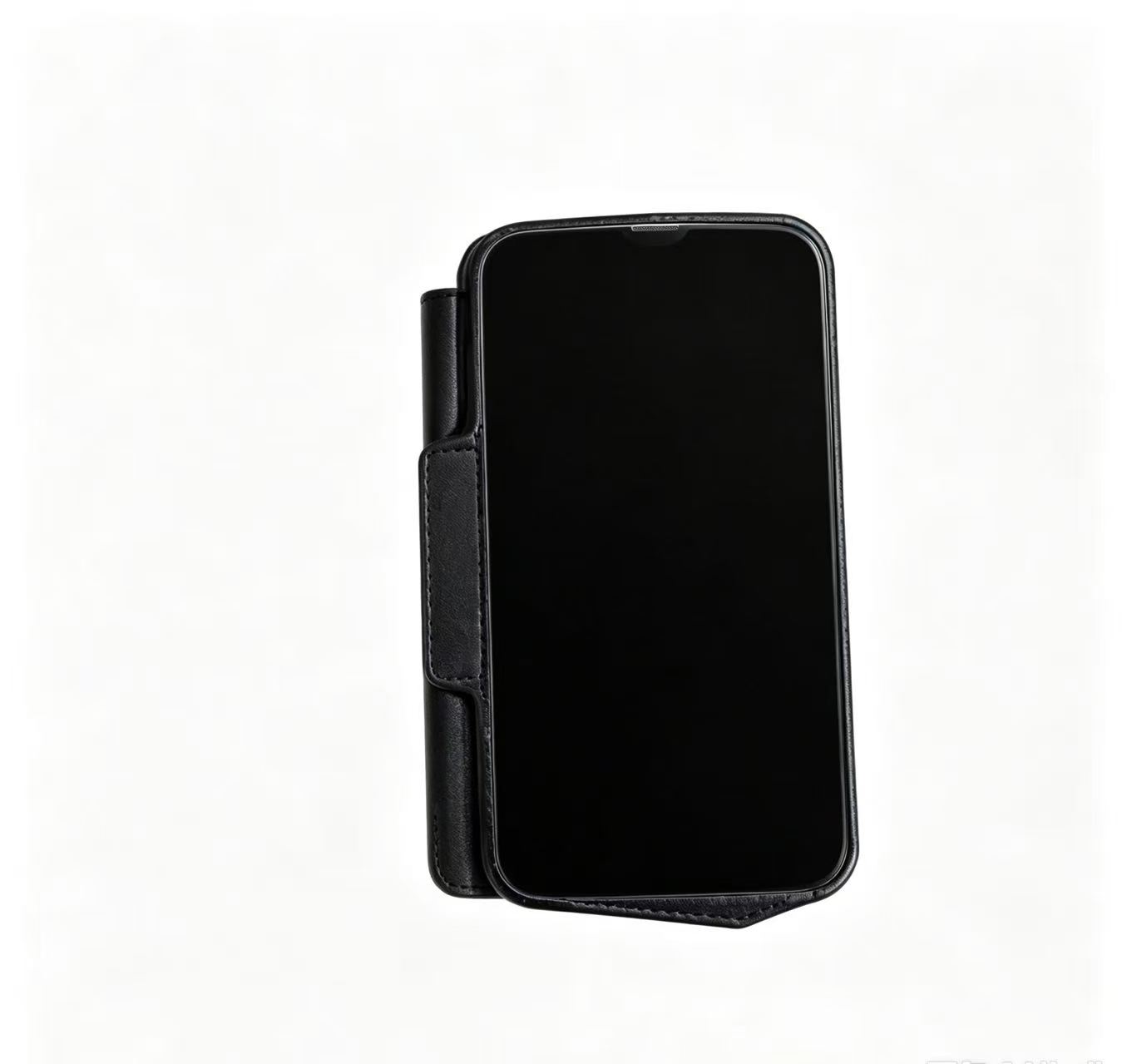
- Phone mount: For navigation and quick location checks.
- Waterproof bag cover: Weather can change fast.
- Lock: A sturdy U-lock or chain to secure the scooter while you shoot.
- Portable charger: To keep your phone and camera batteries topped up.
Tips for Scouting Locations by Scooter
Before you head out, plan your route using Google Maps or a dedicated scouting app like Scouted. Mark potential spots and cluster them to minimize backtracking. Ride during the time of day you plan to shoot—light changes everything. And always respect private property and local regulations; just because you can access a spot doesn't mean you should.
Also, keep a notebook or use a voice memo app to record notes about each location: lighting conditions, best angles, parking availability, and any permits required. This will save you time on shoot day.
Frequently Asked Questions
Can I ride an electric scooter on sidewalks while scouting?
Laws vary by city and state. In many places, scooters are allowed on sidewalks but must yield to pedestrians. Always check local ordinances and ride responsibly.
What's the best electric scooter for carrying heavy camera gear?
Look for a model with a high weight capacity (300 lbs or more) and a wide deck. The Zwheel ZSB2 and ZSD1 are good choices for heavier loads.
How far can I realistically scout on a single charge?
Most scooters claim 20–30 miles, but real-world range is often 60–70% of that when carrying gear and dealing with hills. Plan for 12–18 miles per charge.
Are electric scooters allowed on trails and in parks?
It depends on the park. National parks often ban them, while many city parks allow them on paved paths. Always check signage and regulations.
Can I lock my scooter safely while I shoot?
Yes, use a sturdy U-lock and lock it to a fixed rack or pole. Avoid leaving it unattended for long periods in high-theft areas.
Final Thoughts
An electric scooter for photographers location scouting is more than a convenience—it's a productivity multiplier. It lets you cover more ground, discover hidden spots, and spend less time stuck in traffic. By choosing a model with the right range, stability, and cargo capacity, you'll be able to focus on what matters: capturing incredible images. Ready to upgrade your scouting game? Explore Zwheel's lineup and find the perfect scooter for your next adventure.
Scritto da
Zwheel Team
Parte del team editoriale Zwheel, con focus su mobilita elettrica, guide prodotti e consigli.