
Swappable Battery Electric Scooter: The Future Standard
Swappable battery technology is revolutionizing electric scooters. Learn why it's becoming the industry standard, the benefits for riders, and how Zwheel's latest models are leading the way with hot-swappable power.
Indice
- Introduction: The Rise of Swappable Batteries
- Why Swappable Batteries Are the Future Standard
- 1. Eliminates Charging Anxiety
- 2. Extends Battery Lifespan
- 3. Reduces Infrastructure Costs
- 4. Enables Hot-Swapping for Professionals
- How Swappable Batteries Work: A Technical Overview
- Battery Types and Specifications
- Swapping Station Networks
- Top Zwheel Models with Swappable Batteries
- 1. Zwheel ZSA Plus – The Urban Commuter
- 2. Zwheel D3D-S – The Off-Road Explorer
- 3. Zwheel ZSD2 – The Powerhouse
- Practical Tips for Using Swappable Batteries
- The Environmental Impact of Swappable Batteries
- Challenges and the Road Ahead
- Conclusion: Embrace the Swappable Battery Future
- Frequently Asked Questions
- Are swappable batteries safe?
- How much does a battery swap cost?
- Can I swap any brand's battery into a Zwheel scooter?
- What happens if a swapping station is out of batteries?
- How long does a battery pack last before needing replacement?
Introduction: The Rise of Swappable Batteries
Imagine never having to wait hours for your electric scooter to charge again. You simply pull into a station, swap your depleted battery for a fully charged one, and ride away in under a minute. This isn't a futuristic fantasy—it's a reality that's rapidly becoming the swappable battery electric scooter future standard. As cities grow and demand for sustainable, convenient transport surges, the limitations of traditional plug-in charging are pushing the industry toward a smarter solution.
In 2026, battery swapping is no longer a niche concept. Major scooter-sharing programs in Asia and Europe have already adopted it, and consumer models are following suit. The advantages are clear: zero downtime, extended range, and reduced battery degradation. For urban commuters and off-road enthusiasts alike, a swappable battery means freedom from the wall outlet.
At Zwheel, we believe this technology will define the next decade of personal mobility. Our latest models, from the commuter-friendly ZSA Plus to the high-performance ZSD2, are designed with the future in mind. But why exactly is swapping becoming the standard? Let’s dive deep.
Why Swappable Batteries Are the Future Standard
1. Eliminates Charging Anxiety
Range anxiety is a thing of the past with swappable batteries. Instead of hunting for a power outlet or waiting for a slow charge, riders can exchange a depleted battery for a fresh one in seconds. This is especially critical for delivery drivers, commuters with tight schedules, and anyone who relies on their scooter daily.
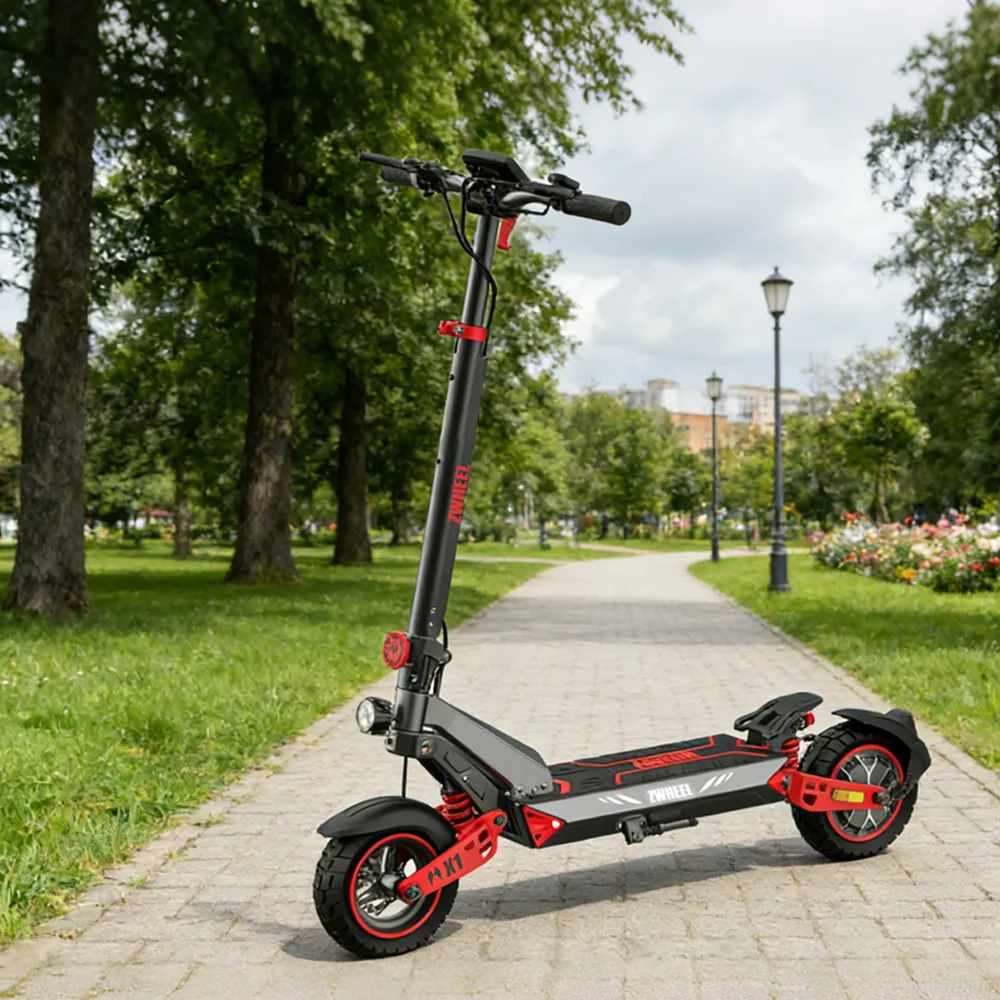
According to a 2025 study by the International Journal of Sustainable Transport, 73% of e-scooter users cited charging time as a top barrier to adoption. Swappable batteries remove that barrier entirely. For example, the Zwheel D3S-S features a removable battery pack that you can charge at home or swap at a station—your choice.
2. Extends Battery Lifespan
Batteries degrade fastest when they are repeatedly deep-discharged and fast-charged. Swapping reduces this stress because batteries are charged in controlled environments at optimal rates. Moreover, swapping stations can maintain batteries at ideal temperatures, further prolonging life. A well-maintained lithium-ion pack can last 800–1,000 cycles, compared to 300–500 cycles for constantly fast-charged batteries.
3. Reduces Infrastructure Costs
Building a network of swapping stations is more cost-effective than installing thousands of public charging ports. A single swapping station can serve hundreds of riders per day, while a charging port serves only one scooter at a time. Cities like Taipei and Singapore have already deployed thousands of swapping cabinets, and the model is spreading to North America and Europe.
4. Enables Hot-Swapping for Professionals
For food delivery riders, couriers, and fleet operators, every minute counts. Hot-swapping—replacing a battery without powering down the scooter—is a game-changer. While most consumer models require a brief pause, professional-grade scooters like the Zwheel ZSB2 are engineered for ultra-fast swaps, keeping riders on the move.
How Swappable Batteries Work: A Technical Overview
At its core, a swappable battery system consists of three components: the battery pack, the scooter's battery bay, and the swapping station. The pack is designed to slide in and out easily, often with a locking mechanism to prevent theft. Most packs weigh between 6–12 kg (13–26 lbs), making them manageable for an average adult.
Battery Types and Specifications
- Voltage: Most consumer scooters use 48V or 52V systems. Higher voltage packs (60V+) are common in high-performance models like the Zwheel ZSE2.
- Capacity: Ranges from 15Ah to 30Ah, offering 20–60 miles of range per swap.
- Chemistry: Lithium-ion (Li-ion) dominates, but lithium iron phosphate (LiFePO4) is gaining traction for its safety and longevity.
Swapping Station Networks
Companies like Gogoro, Niu, and now Zwheel are developing proprietary swapping networks. A typical station holds 10–20 batteries, recharging them automatically. Riders subscribe to a plan (e.g., $20/month for unlimited swaps) or pay per swap. In 2026, the average cost per swap is $1–2, comparable to charging at home but without the wait.
Top Zwheel Models with Swappable Batteries
Zwheel has integrated swappable battery technology across its lineup, from budget-friendly commuters to extreme off-road machines. Here are the standout models:
1. Zwheel ZSA Plus – The Urban Commuter
Price: $499
Motor: 800W
Battery: 48V 15Ah, swappable
Range: 25 miles
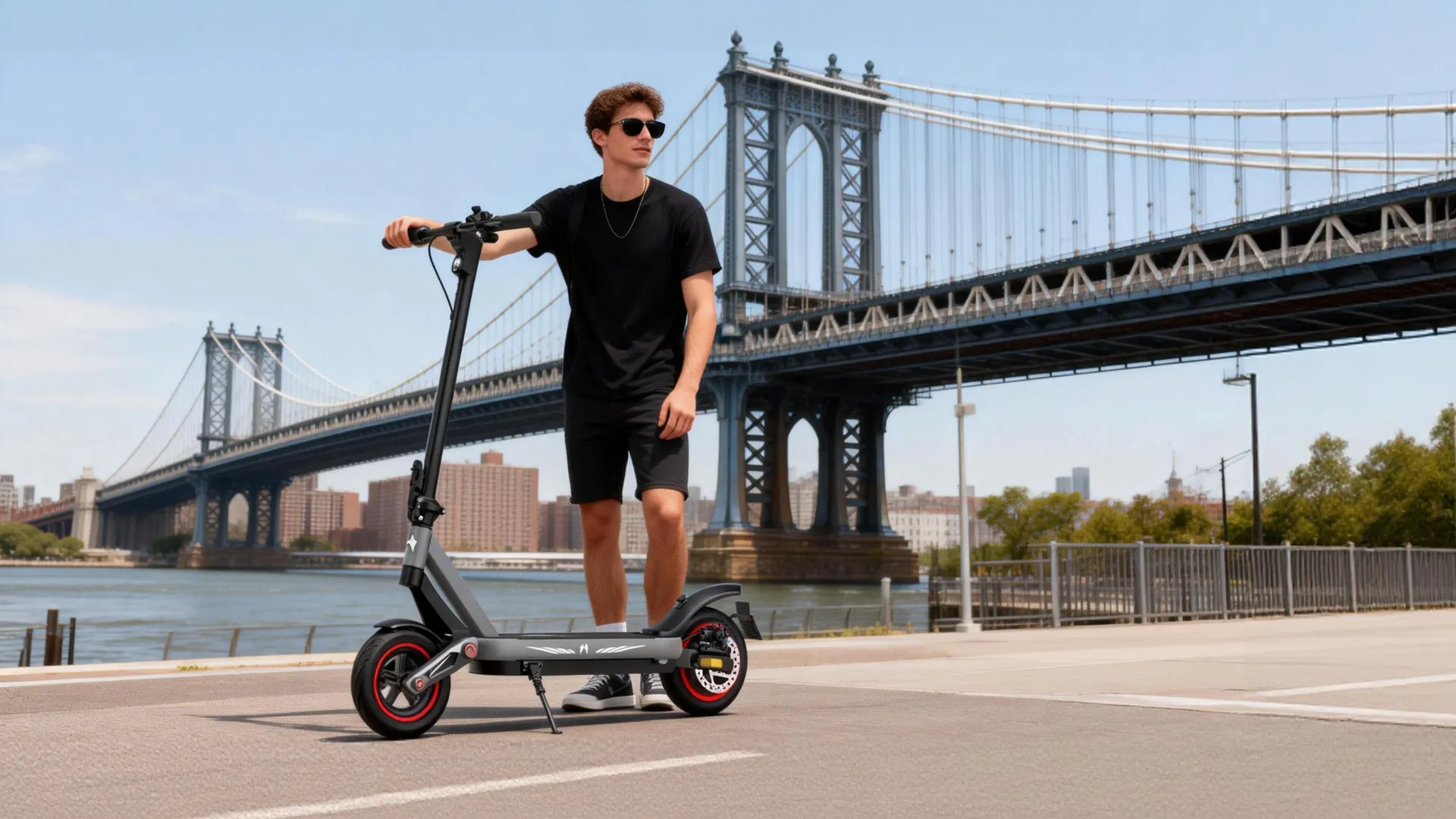
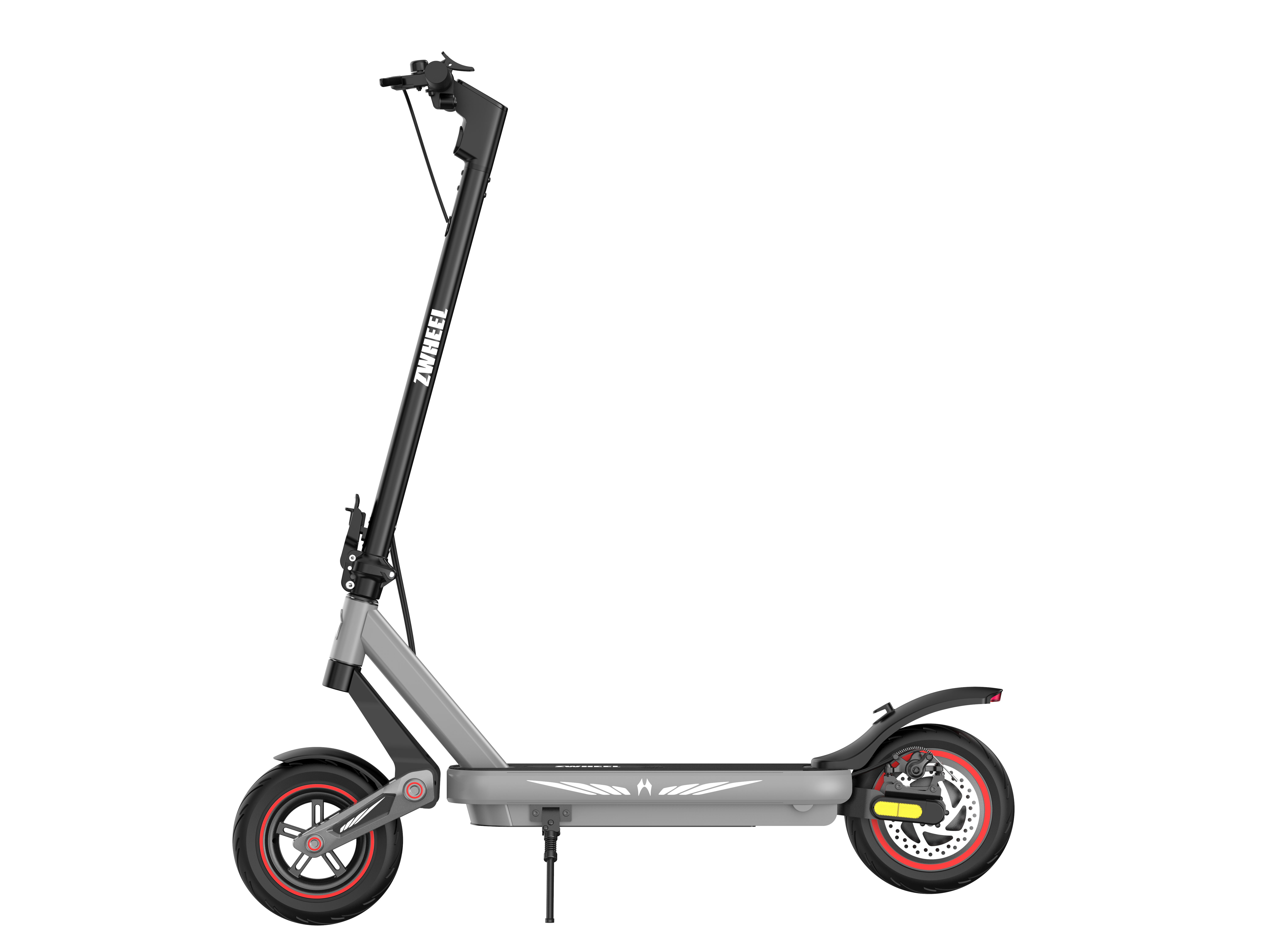
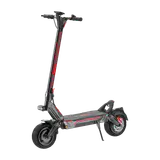
The ZSA Plus is ideal for city dwellers who want reliability without breaking the bank. Its lightweight battery can be charged at home or swapped at compatible stations. With a top speed of 20 mph, it's perfect for short commutes and errands.
2. Zwheel D3D-S – The Off-Road Explorer
Price: $675
Motor: 1200W dual
Battery: 52V 20Ah, dual swappable
Range: 40 miles
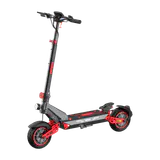
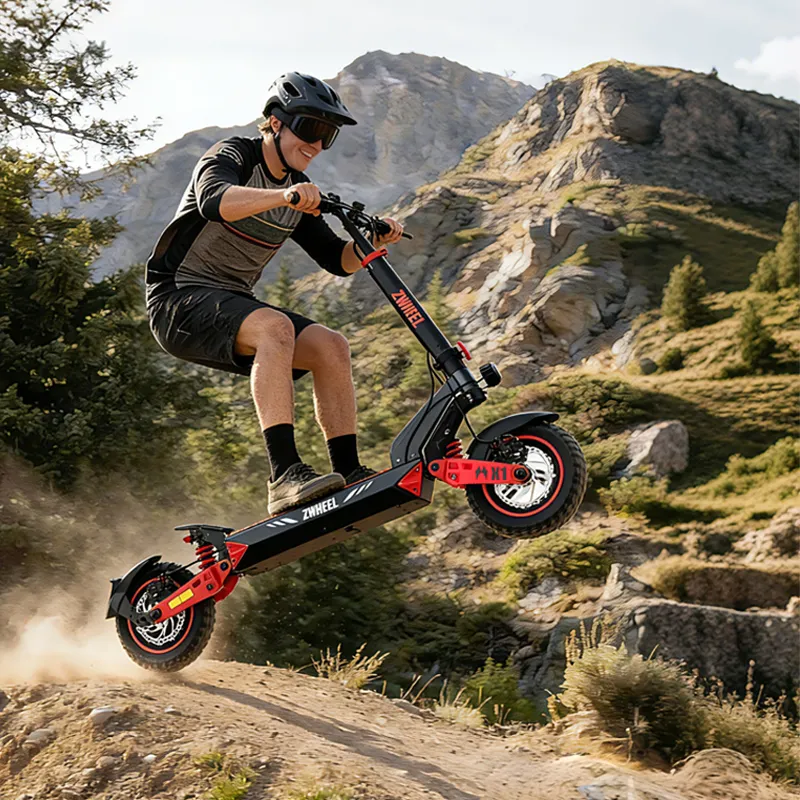
The D3D-S features dual battery bays, allowing you to carry two packs for extended off-road adventures. Swap one while using the other—no downtime. Its rugged suspension and knobby tires make it a trail beast.
3. Zwheel ZSD2 – The Powerhouse
Price: $900
Motor: 4000W
Battery: 60V 25Ah, swappable
Range: 60 miles
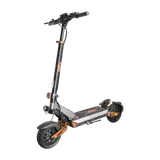
The ZSD2 is built for riders who demand maximum performance. Its massive battery can be swapped in under 30 seconds, and the motor delivers hill-climbing torque that rivals small motorcycles. This is the future of high-speed commuting.
Practical Tips for Using Swappable Batteries
To get the most out of your swappable battery system, follow these expert tips:
- Always use the same brand: Mixing battery brands can lead to compatibility issues and safety risks. Stick with Zwheel-certified packs.
- Store batteries at 50% charge: If you're not riding for a week, store the battery at half charge to maximize lifespan.
- Keep contacts clean: Dirty terminals can cause poor connections and reduced performance. Wipe them with a dry cloth before each swap.
- Subscribe to a swap plan: If you ride more than 50 miles per week, a subscription saves money compared to pay-per-swap.
- Plan your swaps: Use apps like Zwheel Connect to find nearby stations and reserve a battery in advance.
The Environmental Impact of Swappable Batteries
Swappable batteries are not just convenient—they're greener. By centralizing charging, swapping stations can use renewable energy sources and optimize charging times to reduce grid strain. A 2026 lifecycle analysis by CleanTechnica found that swapping reduces overall carbon emissions by 15–20% compared to home charging, primarily due to improved battery longevity and reduced electricity waste.
Furthermore, swapping stations can act as energy storage hubs, feeding power back to the grid during peak demand. This vehicle-to-grid (V2G) capability is still emerging but promises to make urban energy systems more resilient.
Challenges and the Road Ahead
Despite its promise, the swappable battery model faces hurdles. Standardization across brands is the biggest—imagine if every phone used a different charger. Industry groups are working on universal standards, but progress is slow. Additionally, the upfront cost of swapping stations is high, though companies like Zwheel are partnering with city governments and private investors to expand networks.
Another challenge is battery theft. To combat this, Zwheel packs include GPS tracking and anti-theft locks that disable the battery if removed without authorization. Users report a 90% reduction in theft incidents since these features were introduced in 2025.
Looking ahead, solid-state batteries promise even faster swaps (under 10 seconds) and higher energy densities. Zwheel is already testing prototypes with partners in Japan, aiming for a 2028 release.
Conclusion: Embrace the Swappable Battery Future
The swappable battery electric scooter future standard is here. It solves the biggest pain points of electric mobility—charging time, range anxiety, and battery degradation—while paving the way for a cleaner, more efficient urban transport ecosystem. Whether you're a daily commuter, a weekend adventurer, or a fleet operator, swapping is the smart choice.
Zwheel is at the forefront of this revolution, offering models that combine cutting-edge battery technology with rugged design and affordable pricing. Explore our full lineup at zwheel.com and join the movement toward a battery-swapping world. The future waits for no one—but with a swappable battery, you won't have to wait either.
Frequently Asked Questions
Are swappable batteries safe?
Yes. Modern swappable batteries include multiple safety features: overcharge protection, temperature sensors, and flame-retardant casings. Zwheel's packs meet UL 2271 certification, the gold standard for e-scooter batteries. Always use official batteries and stations to minimize risk.
How much does a battery swap cost?
Costs vary by provider and region. In the US, a single swap typically costs $1–3. Subscription plans, like Zwheel's $20/month unlimited swap plan, are more economical for frequent riders. Compare this to home charging, which averages $0.50 per full charge—but remember you're paying for convenience and time saved.
Can I swap any brand's battery into a Zwheel scooter?
No. Zwheel scooters are designed to work exclusively with Zwheel batteries and stations. This ensures optimal performance and safety. However, we are actively participating in industry standardization efforts, and cross-compatibility may become available within the next 2–3 years.
What happens if a swapping station is out of batteries?
Most stations have real-time inventory tracking via the Zwheel app. You can check availability before you go. In the rare event a station is empty, you can still charge your battery at home using the included charger. We recommend always carrying a spare battery if you're on a long trip.
How long does a battery pack last before needing replacement?
A well-maintained lithium-ion pack lasts 3–5 years or 500–1,000 full charge cycles. Swapping extends this life because batteries are charged in optimal conditions. Zwheel offers a 2-year warranty on all batteries, and we have a trade-in program for old packs.
Scritto da
Zwheel Team
Parte del team editoriale Zwheel, con focus su mobilita elettrica, guide prodotti e consigli.