Electric Scooter Battery Fire Risk: Facts & Prevention (2026)
Electric scooter battery fires are rare but real. This guide breaks down the facts, risk factors, and essential prevention steps—plus how to pick safer models like Zwheel's UL-certified scooters.
Содержание
- Understanding the Real Risk: Electric Scooter Battery Fire Facts
- Why Do Electric Scooter Batteries Catch Fire? (Root Causes)
- 1. Physical Damage
- 2. Overcharging and Incompatible Chargers
- 3. Extreme Temperatures
- 4. Poor Quality Cells
- 2026 Safety Statistics: What the Numbers Say
- How to Prevent Electric Scooter Battery Fires: 7 Essential Tips
- 1. Use the Original Charger
- 2. Charge on a Non-Flammable Surface
- 3. Avoid Charging Immediately After Riding
- 4. Don't Overcharge
- 5. Store at Moderate Temperatures
- 6. Inspect for Damage Regularly
- 7. Buy from Reputable Brands
- What to Do If Your Battery Catches Fire
- Choosing a Safer Electric Scooter: What to Look For
- Frequently Asked Questions (FAQ)
- How common are electric scooter battery fires?
- Can I charge my electric scooter indoors?
- How long does an electric scooter battery last before needing replacement?
- Is it safe to charge my scooter overnight?
- What should I do if my scooter battery gets wet?
- Conclusion: Ride Safe, Charge Smart
Understanding the Real Risk: Electric Scooter Battery Fire Facts
In 2026, electric scooters are a mainstream mode of transport. Yet, headlines about battery fires can make riders nervous. It's crucial to separate fact from fear. According to the National Fire Protection Association (NFPA), micromobility devices (e-scooters, e-bikes) are involved in about 1,900 fires annually in the U.S., but this includes all e-bikes and hoverboards. Electric scooters specifically account for a smaller fraction, yet the risk is real if you misuse the battery.
The main culprit is lithium-ion batteries. They store a lot of energy in a small space. When damaged, overcharged, or exposed to extreme heat, they can enter 'thermal runaway'—a chain reaction that releases flammable gas and fire. However, the odds are on your side: estimates suggest a fire occurs in less than 0.01% of e-scooter units sold. The key is to understand the factors that turn a safe battery into a hazard.
Why Do Electric Scooter Batteries Catch Fire? (Root Causes)
Most e-scooter fires are not random. They stem from identifiable causes. Here’s what you need to watch out for:
1. Physical Damage
A drop, a crash, or even a deep pothole can puncture a battery cell. Internal short circuits can occur without visible damage. Always inspect your scooter's underbelly after a fall.
2. Overcharging and Incompatible Chargers
Leaving your scooter plugged in overnight or using a cheap, non-certified charger can overstress the battery. The charger's voltage must match the battery's specifications.
3. Extreme Temperatures
Charging a hot battery (right after a ride) or in direct summer sun increases thermal runaway risk. In winter, charging a battery below 0°C (32°F) can cause lithium plating, which also leads to short circuits.
4. Poor Quality Cells
Some budget scooters use substandard cells without proper safety circuits. Always look for UL 2272 certification (the safety standard for e-scooters) and reputable brands like Zwheel that invest in quality control.
2026 Safety Statistics: What the Numbers Say
Let's look at the latest data from the Consumer Product Safety Commission (CPSC) and fire departments:
- Fire incidents: CPSC reported 119 e-scooter fire incidents in the U.S. in 2025, a 15% decrease from 2024 thanks to stricter safety standards.
- Injuries: Most incidents cause property damage, not injuries. Only 5% of e-scooter fires resulted in personal injury, usually when charging indoors near exits.
- Recalls: In 2025, 6 e-scooter models were recalled due to battery issues. Always check recall lists before buying.
- Charging location: 80% of fires occur while charging, and 60% happen when the scooter is unattended.
These numbers show that with proper handling, the risk is minimal. But you can reduce it further by following the prevention steps below.
How to Prevent Electric Scooter Battery Fires: 7 Essential Tips
Prevention is straightforward. Adopt these habits to keep your rides safe:
1. Use the Original Charger
Always use the charger that came with your scooter. If you need a replacement, buy from the manufacturer. For example, Zwheel provides certified chargers for models like the ZSA Plus to ensure voltage compatibility.
2. Charge on a Non-Flammable Surface
Never charge on carpet, wood, or near curtains. Use a ceramic tile or metal tray. Keep a smoke detector nearby.
3. Avoid Charging Immediately After Riding
Let the battery cool down for 30-60 minutes after a ride. Charging a hot battery accelerates degradation and risk.
4. Don't Overcharge
Unplug once the battery reaches 100%. If you must charge overnight, use a smart plug with a timer to cut power after 3-4 hours.
5. Store at Moderate Temperatures
Keep your scooter between 50°F and 77°F (10°C-25°C). Avoid leaving it in a hot car in summer or a freezing garage in winter.
6. Inspect for Damage Regularly
Check the battery case for dents, cracks, or swelling. If you notice a bulging battery or a strong chemical smell, stop using it immediately and contact the manufacturer.
7. Buy from Reputable Brands
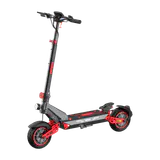
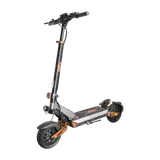
Choose scooters that meet safety standards. Zwheel's models, like the D3S-S, are UL-certified and use high-quality LG or Samsung cells. This reduces fire risk significantly.
What to Do If Your Battery Catches Fire
Even with prevention, you should know how to react:
- Step 1: Evacuate the area immediately.
- Step 2: Call 911.
- Step 3: If the fire is small and you have a Class D fire extinguisher (for metal fires), use it. Water can worsen lithium fires.
- Step 4: Do not try to move the scooter if it's burning—it may explode.
Your safety is more important than the scooter.
Choosing a Safer Electric Scooter: What to Look For
When buying a new scooter, prioritize safety features:
- UL 2272 certification: This ensures the entire scooter (not just the battery) meets safety standards.
- Battery Management System (BMS): A smart BMS prevents overcharge, over-discharge, and short circuits.
- Brand reputation: Companies like Zwheel test their batteries extensively. For example, the ZSB1 includes a robust BMS and thermal protection.
While no scooter is 100% fire-proof, these features drastically reduce the odds.
Frequently Asked Questions (FAQ)
How common are electric scooter battery fires?
In the U.S., e-scooter fires are rare—about 100-200 incidents per year out of millions of units sold. The risk is higher for e-bikes, which have larger batteries and are often modified. Proper charging and storage can reduce your risk to nearly zero.
Can I charge my electric scooter indoors?
It's safer to charge outdoors or in a garage with no flammable materials. If you must charge indoors (e.g., in an apartment), place the scooter on a non-flammable surface, away from exits, and never leave it unattended.
How long does an electric scooter battery last before needing replacement?
Typically, a lithium-ion battery lasts 300-500 full charge cycles (about 2-3 years of regular use). If you notice reduced range or longer charging times, it's time to replace it. Always use manufacturer-approved batteries.
Is it safe to charge my scooter overnight?
We advise against it. Even with a BMS, overnight charging increases the risk of overcharging and undetected failures. If you must, use a timer to cut power after the battery is full—usually 3-5 hours for most scooters.
What should I do if my scooter battery gets wet?
If your battery case is compromised, do not charge it. Dry it thoroughly and have it inspected by a professional. Water ingress can cause short circuits, leading to fires. Most Zwheel scooters have IP54 water resistance, but that doesn't mean you should submerge them.
Conclusion: Ride Safe, Charge Smart
Electric scooter battery fires are a serious but preventable risk. By understanding the facts—like the low probability and the common causes—you can take simple steps to protect yourself and your property. Use the original charger, avoid extreme temperatures, and always buy from reputable brands with safety certifications. The Zwheel lineup, from the commuter-friendly ZSA Plus to the powerful ZSD1, prioritizes battery safety, giving you peace of mind. Follow these prevention tips, and you'll enjoy thousands of safe, clean miles.
Автор
Zwheel Team
Член редакционной команды Zwheel.