Master Electric Scooter Hill Climbing: Technique & Gear Guide 2026
Conquer steep hills with confidence using our 2026 guide to electric scooter hill climbing technique and gear. From weight distribution to motor torque, learn how to pick the right scooter and ride like a pro.
Содержание
- Why Hill Climbing Matters for Electric Scooter Riders in 2026
- Understanding Hill Climbing Physics: Torque, Weight, and Grade
- Torque vs. Power: What Actually Gets You Up a Hill?
- Real-World Grade Examples
- Essential Electric Scooter Hill Climbing Techniques
- 1. Pre-Climb Preparation: Check Your Battery and Tires
- 2. Body Positioning: Shift Your Weight Forward
- 3. Throttle Control: Smooth and Steady Wins the Climb
- 4. Use Your Brakes Strategically
- 5. Zigzag on Extremely Steep Hills
- Choosing the Right Gear: Scooters Built for Hills
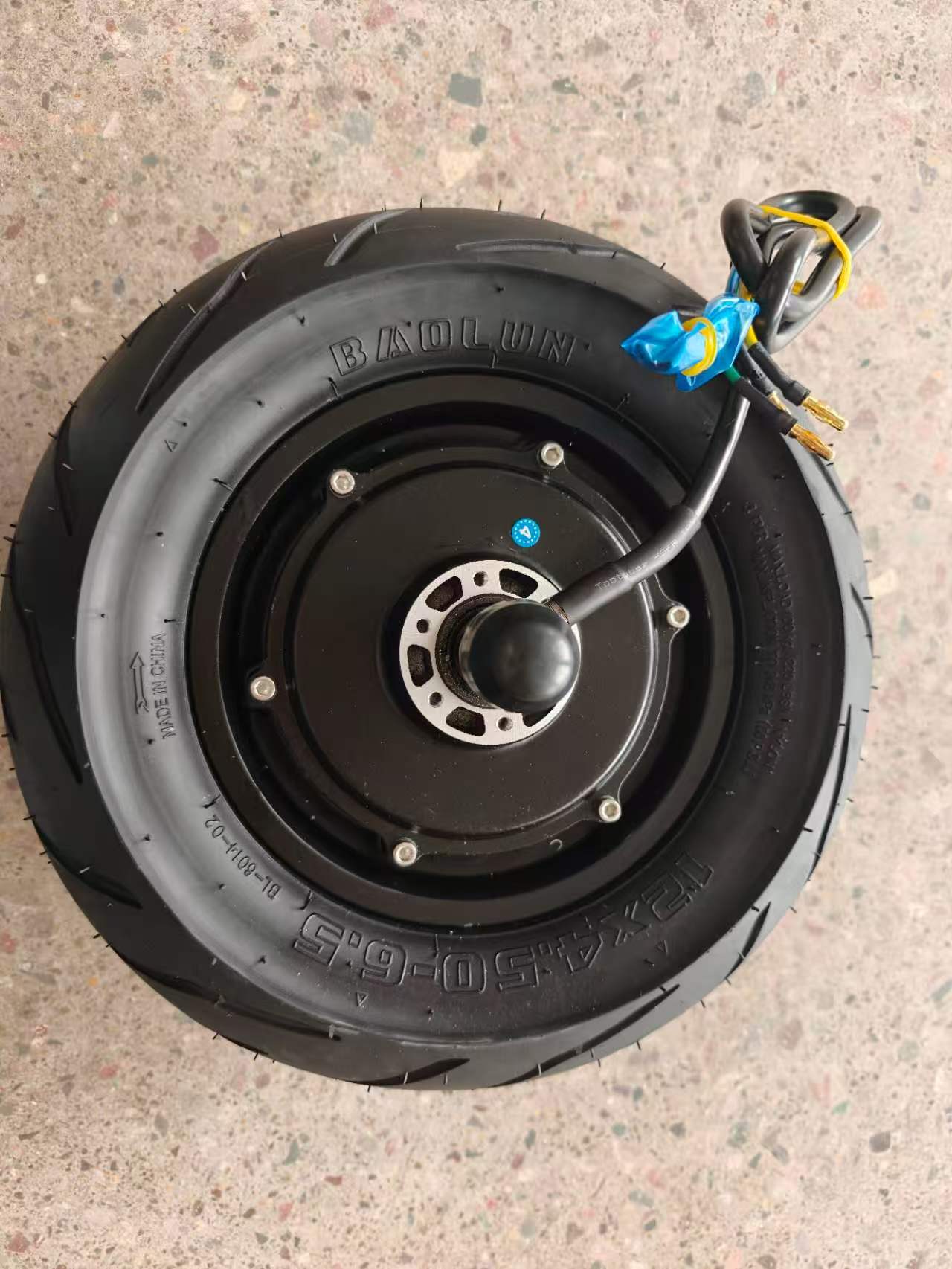
- Motor Power and Type
- Battery Capacity and Voltage
- Tire Type
- Suspension
- Advanced Tips for Extreme Hill Climbing
- Use Your Body as a Pendulum
- Pre-Load the Suspension
- Know Your Scooter's Limits
- Maintenance After Hill Climbing
- Frequently Asked Questions
- Can I ride an electric scooter up a 15% grade?
- How do I prevent my scooter from tipping backward on a steep hill?
- What's the best electric scooter for hill climbing under $1000?
- Does regenerative braking help on hills?
- How can I improve my scooter's hill climbing without buying a new one?
- Conclusion: Master the Climb with the Right Technique and Gear
Why Hill Climbing Matters for Electric Scooter Riders in 2026
If you live in a city with rolling terrain—like San Francisco, Seattle, or Pittsburgh—or you simply enjoy weekend rides through hilly parks, mastering electric scooter hill climbing technique and gear is essential. A poorly executed climb can drain your battery fast, stress your motor, or even leave you walking your scooter up the last stretch. In 2026, with more powerful and affordable electric scooters than ever, riders have no excuse to avoid hills. But power alone isn't enough; technique matters just as much.
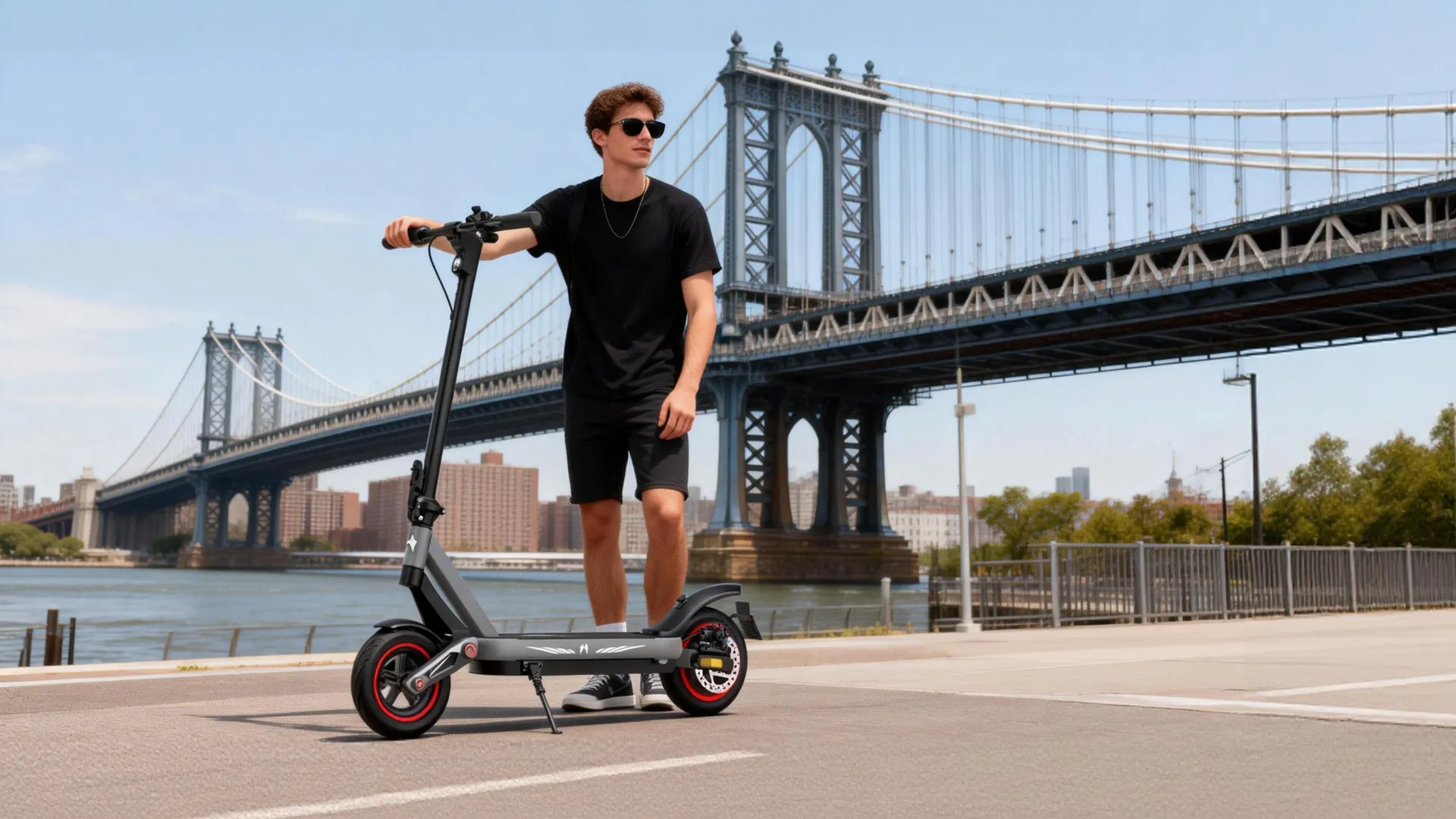
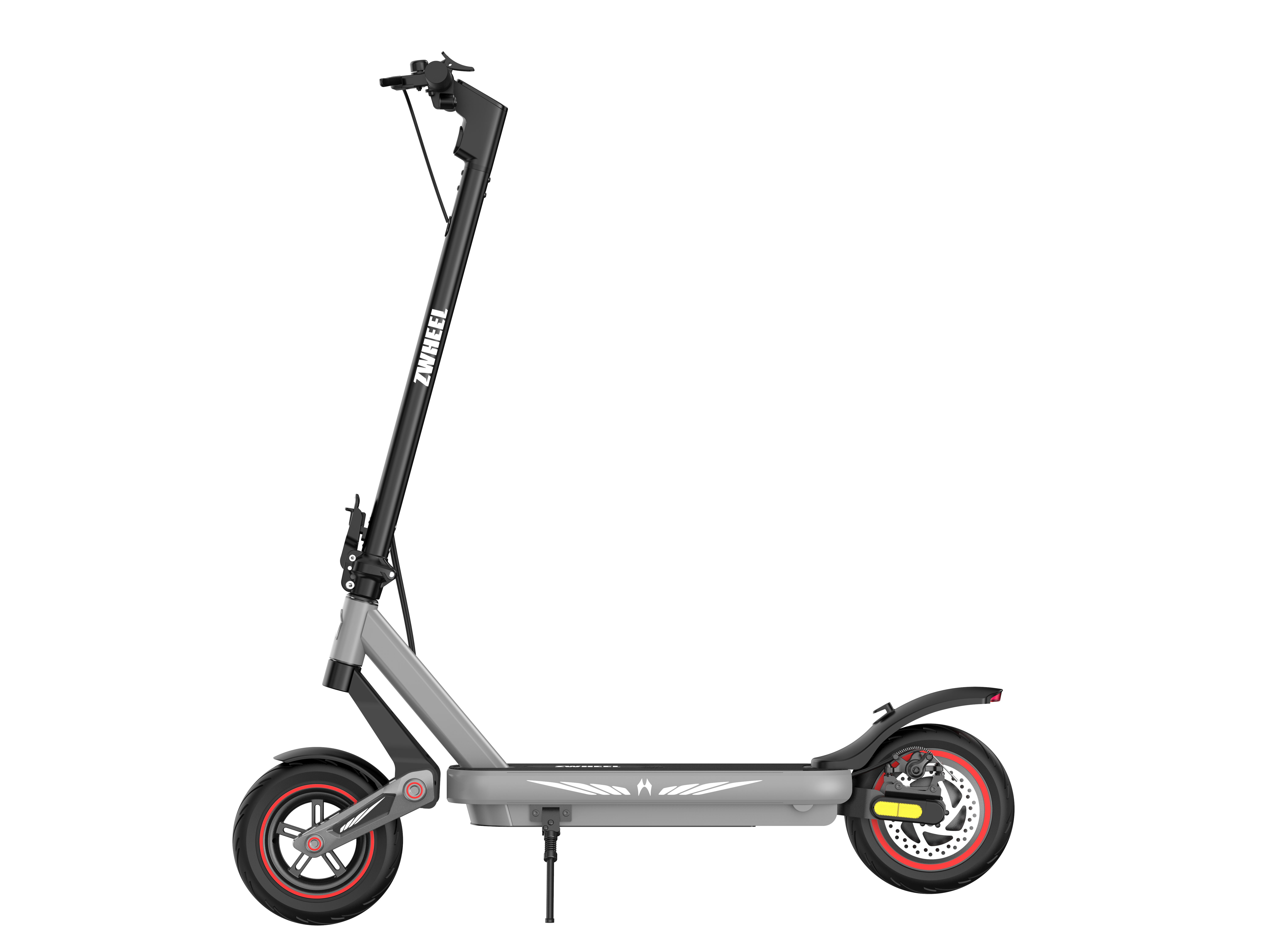
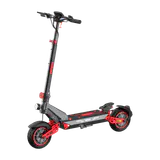
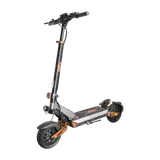
This guide covers everything from body positioning and throttle control to choosing the right scooter for steep grades. Whether you're a daily commuter or an off-road enthusiast, you'll learn how to tackle inclines up to 30% or more with confidence. And if you're in the market for a new ride, we'll point you to models that excel in hill climbing—like the Zwheel ZSD1 (2000W) for serious off-road climbs or the Zwheel ZSA Plus (800W) for affordable city hill climbing.
Understanding Hill Climbing Physics: Torque, Weight, and Grade
Before we dive into techniques, let's quickly cover the science. Hill climbing ability depends on three main factors: motor torque (not just power), total weight (rider + scooter), and the grade of the hill (measured in percent or degrees).
Torque vs. Power: What Actually Gets You Up a Hill?
Power (watts) is important, but torque (Newton-meters) is what moves you against gravity. A scooter with 800W peak power but high torque gearing can outperform a 1000W scooter with poor torque. For steep hills, look for motors with at least 50 Nm of torque. Many 2026 models, like the Zwheel ZSB2 (1500W), offer excellent torque-to-weight ratios.
Real-World Grade Examples
- 5-10% grade: Moderate hill, any decent scooter can handle it with proper technique.
- 10-15% grade: Steep climb, requires good torque and rider input.
- 15-20% grade: Very steep, only scooters with 1000W+ and skilled riders.
- 20%+ grade: Extreme, needs 1500W+ and advanced technique.
Essential Electric Scooter Hill Climbing Techniques
Now, let's get into the actionable steps. These techniques work for any scooter, but they become critical on steeper grades.
1. Pre-Climb Preparation: Check Your Battery and Tires
Never start a steep climb with less than 50% battery. Hill climbing consumes 2-3x more energy than flat riding. Also, ensure your tires are inflated to the recommended PSI (usually 40-50 PSI for city scooters). Under-inflated tires increase rolling resistance and make climbing harder.
2. Body Positioning: Shift Your Weight Forward
As you approach the hill, shift your weight slightly forward to keep the front wheel planted. On steep inclines, the front wheel can lift, causing loss of steering control. Lean forward from your hips, keeping your knees bent and arms relaxed. This is the single most important technique for electric scooter hill climbing.
3. Throttle Control: Smooth and Steady Wins the Climb
Avoid mashing the throttle at the base of the hill. Instead, apply gradual acceleration. If you slam the throttle, you risk wheel spin or controller overload. Once you're moving, maintain a steady speed—don't slow down and then try to accelerate again, as that drains battery. If you need to slow, use gentle braking and then accelerate smoothly.
4. Use Your Brakes Strategically
On very steep descents after the climb, use regenerative braking if available. It recovers some energy and saves your mechanical brakes. On the climb itself, avoid braking unless necessary—every stop costs momentum.
5. Zigzag on Extremely Steep Hills
If the hill is too steep to climb straight (say, 20%+), try a zigzag pattern. This reduces the effective grade you're climbing at any moment. It's a common mountain biking technique that works well on scooters. Be aware of traffic and pedestrians.
Choosing the Right Gear: Scooters Built for Hills
Not all electric scooters are created equal for hill climbing. Here's what to look for when selecting a model, with specific Zwheel recommendations that match your needs.
Motor Power and Type
For hills, single motor scooters can work up to 1000W, but dual motors (like the Zwheel ZSD2 (4000W)) provide superior traction and torque for steep, loose terrain. Dual motors also distribute power to both wheels, reducing the chance of wheel spin on gravel or wet pavement.
Battery Capacity and Voltage
Higher voltage (48V or 52V) systems deliver power more efficiently. Look for batteries with at least 10Ah for moderate hills, 15Ah+ for serious climbing. The ZSD2's 20Ah battery ensures you can climb multiple hills without range anxiety.
Tire Type
Pneumatic tires (air-filled) provide better grip than solid tires. For off-road hill climbing, choose knobby tires. The Zwheel ZSD1 comes with 10-inch pneumatic off-road tires that excel on loose dirt and grass inclines.
Suspension
While not directly related to climbing, good suspension (front and rear) keeps your wheels in contact with the ground on uneven surfaces, improving traction. The ZSD1 features dual spring suspension for this reason.
Advanced Tips for Extreme Hill Climbing
If you're tackling grades over 20% or off-road trails, these advanced techniques will help.
Use Your Body as a Pendulum
On loose terrain, gently rock your body side to side to maintain momentum. This mimics the motion of a mountain bike rider and helps the rear wheel find traction.
Pre-Load the Suspension
Before a steep section, compress your suspension slightly by pressing down on the handlebars and then releasing just as you apply throttle. This gives you a small burst of forward momentum.
Know Your Scooter's Limits
Every scooter has a maximum grade it can handle. For example, the ZSD2 is rated for 35% grade, while the ZSA Plus is rated for 20%. Pushing beyond can cause motor overheating or battery voltage sag. Use a grade app (like "Hill Climb" on iOS) to measure before attempting.
Maintenance After Hill Climbing
Hill climbing puts extra stress on your scooter. After a session, check these components:
- Motor temperature: If it's too hot to touch, let it cool before charging.
- Brake pads: Replace if worn down to 1mm thickness.
- Tire tread: Inspect for cuts or embedded debris.
- Bolts: Tighten stem and handlebar bolts—they can loosen from vibration.
Frequently Asked Questions
Can I ride an electric scooter up a 15% grade?
Yes, most 800W+ scooters can handle 15% grades with proper technique. Shift your weight forward, use steady throttle, and ensure your battery is above 50%. The Zwheel D3S-S (1000W) is a great choice for this range.
How do I prevent my scooter from tipping backward on a steep hill?
Lean your body forward and keep your center of gravity low. If you feel the front wheel lifting, reduce throttle slightly and shift more weight forward. Practice on moderate hills first.
What's the best electric scooter for hill climbing under $1000?
The Zwheel ZSB2 (1500W) at $650 offers excellent torque and battery life, making it one of the best budget-friendly options for steep hills. For extreme off-road, the ZSD1 at $800 is unbeatable.
Does regenerative braking help on hills?
Yes, it can recover 5-10% of battery on descents, but it's not a substitute for mechanical braking. Use regen braking for gentle deceleration and save disc brakes for emergency stops.
How can I improve my scooter's hill climbing without buying a new one?
Reduce rider weight (carry less cargo), inflate tires to max PSI, and practice smooth throttle control. You can also upgrade to a higher-capacity battery if your model allows, but that's often not cost-effective.
Conclusion: Master the Climb with the Right Technique and Gear
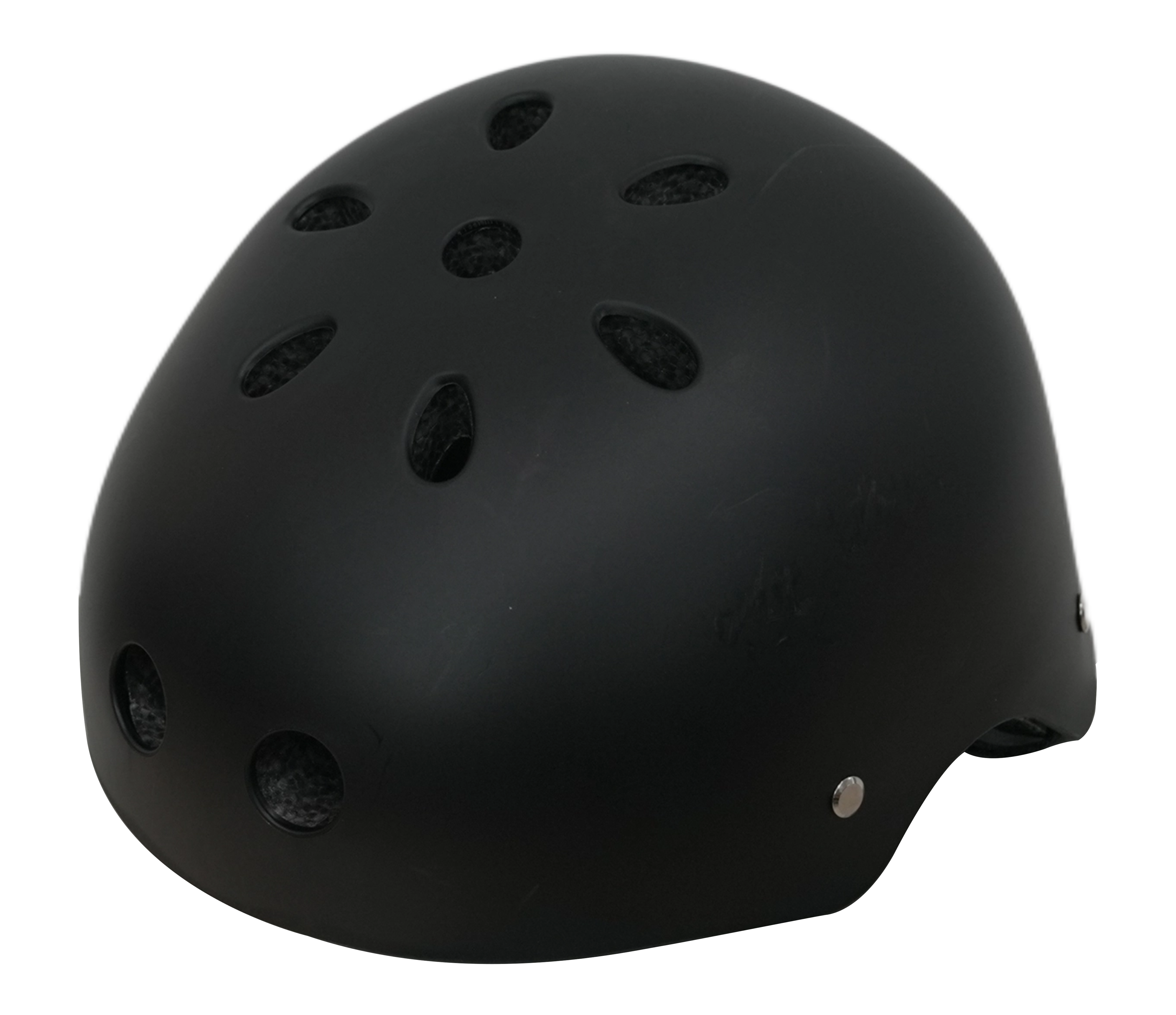
Electric scooter hill climbing doesn't have to be intimidating. By combining proper technique—weight shift, throttle control, and strategic braking—with the right gear (a scooter that matches your terrain), you can conquer any incline. Remember, practice makes perfect. Start on moderate hills, gradually increase difficulty, and always prioritize safety with a helmet and gloves.
Whether you choose the versatile Zwheel ZSA Plus for city commutes or the powerful Zwheel ZSD2 for off-road adventures, the right electric scooter hill climbing technique and gear will transform your riding experience. Happy climbing!
Автор
Zwheel Team
Член редакционной команды Zwheel.