How to Check Electric Scooter Battery Health (2026 Guide)
Wondering if your e-scooter battery is still healthy? Learn how to check electric scooter battery health with simple tests, warning signs, and maintenance tips to keep your ride going strong.

Содержание
- Why Battery Health Matters for Your Electric Scooter
- Understanding Electric Scooter Batteries
- How to Check Electric Scooter Battery Health: 5 Practical Methods
- 1. Check the Voltage with a Multimeter
- 2. Perform a Range Test
- 3. Use the Scooter's Built-In Battery Indicator
- 4. Monitor Charging Behavior
- 5. Check for Physical Signs
- Warning Signs Your Battery Is Failing
- How to Extend Your Electric Scooter Battery Life
- When to Replace Your Battery
- Tools and Apps for Battery Health Monitoring
- Frequently Asked Questions
- How often should I check my electric scooter battery health?
- Can I revive a dead electric scooter battery?
- What voltage indicates a bad battery?
- Does cold weather affect battery health?
- How can I tell if my battery is swollen?
- Final Thoughts
Why Battery Health Matters for Your Electric Scooter
Your electric scooter's battery is its heart. It determines how far you can go, how fast you can accelerate, and ultimately how much you enjoy every ride. Over time, all lithium-ion batteries degrade—it's a fact of chemistry. But how do you know if your battery is still in good shape or if it's time for a replacement? Learning how to check electric scooter battery health can save you from unexpected breakdowns, costly repairs, and even safety hazards.
In this guide, we'll walk you through practical methods to assess your battery's condition, from simple voltage checks to real-world range tests. We'll also cover the warning signs of a failing battery and share tips to extend its lifespan. Whether you ride a commuter scooter or a high-performance off-road model, these steps will help you keep your battery in top form.
Understanding Electric Scooter Batteries
Most electric scooters use lithium-ion batteries, typically with a nominal voltage of 36V, 48V, 52V, or 60V. They're rated in amp-hours (Ah) and watt-hours (Wh), which indicate capacity. For example, a 48V 15Ah battery has 720Wh of energy. Over time, capacity fades due to charge cycles, temperature extremes, and improper charging habits.
Battery health is often expressed as a percentage of its original capacity. A new battery might deliver 100% of its rated range, while one at 80% health will only go 80% as far. Most manufacturers consider a battery at 70-80% capacity to be at the end of its useful life for e-scooters.
How to Check Electric Scooter Battery Health: 5 Practical Methods
You don't need a professional lab to assess your battery. Here are five methods, from quick checks to more detailed tests.
1. Check the Voltage with a Multimeter
A multimeter is the most direct way to gauge battery health. Here's how:
- Fully charge your scooter and let it rest for 1-2 hours.
- Locate the battery terminals (usually under the deck or seat).
- Set your multimeter to DC voltage and touch the probes to the positive and negative terminals.
- Compare the reading to the battery's nominal voltage. A fully charged 48V battery should read around 54.6V (for a 13S configuration). If it reads significantly lower—say 50V—the battery may be degraded.
Note: Always consult your scooter's manual for exact voltage specs. If you're not comfortable working with electronics, ask a professional.
2. Perform a Range Test
This is the most practical real-world test. Fully charge your battery, then ride at a consistent speed (e.g., 15 mph) on a flat route until the battery dies or hits low-voltage cutoff. Compare the distance to your scooter's original rated range.
For instance, if your scooter was rated for 25 miles and now only goes 15, your battery health is roughly 60%—a sign it's nearing replacement. Keep in mind that cold weather, hills, and heavy loads can reduce range, so test under similar conditions each time.
3. Use the Scooter's Built-In Battery Indicator
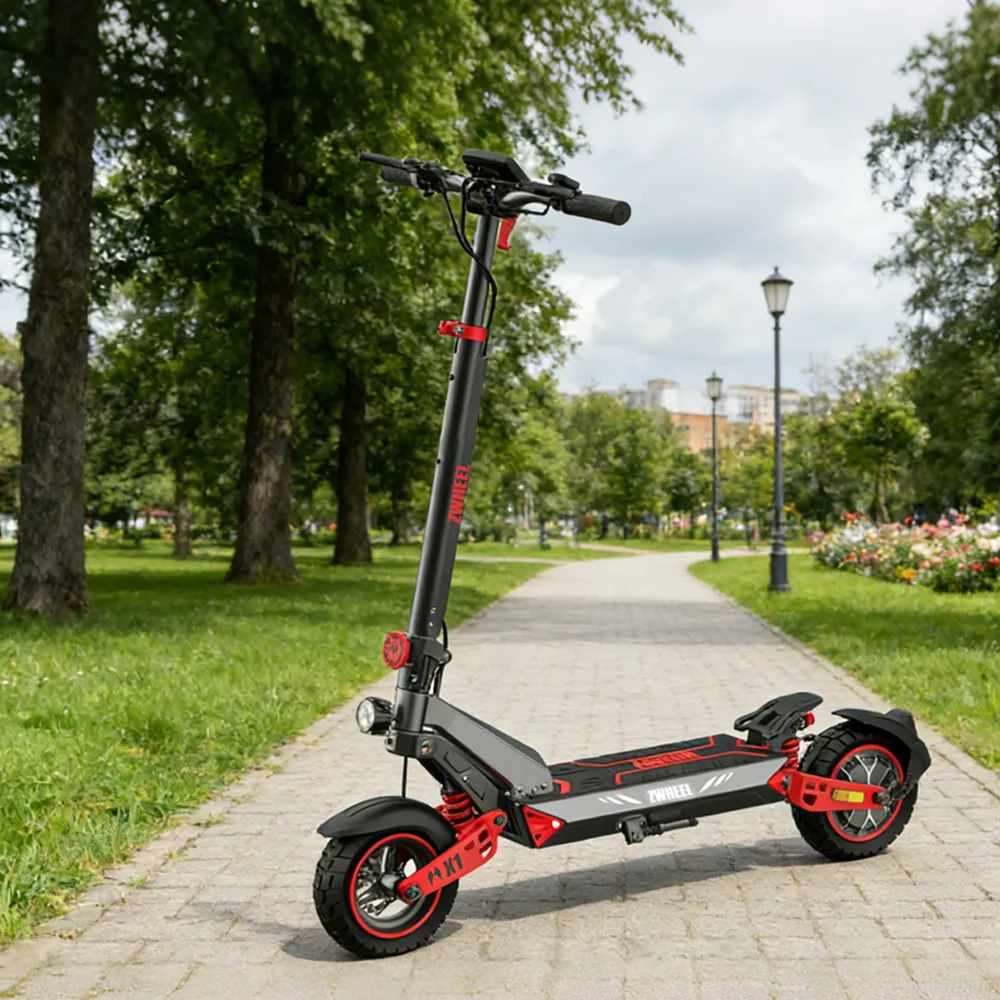
Many modern scooters, including those from Zwheel, feature smart displays that show battery voltage or state of charge. Some even provide a health percentage or error codes. Check your manual to see if your model offers this. If it does, monitor it over time—a gradual decline is normal, but sudden drops indicate a problem.
4. Monitor Charging Behavior
A healthy battery charges predictably. If you notice:
- Charging takes much longer than usual
- The charger never turns green (or turns green immediately)
- The battery gets unusually hot during charging
These are red flags. They could mean cell imbalance, a faulty BMS, or a failing charger. Test with a known-good charger to isolate the issue.
5. Check for Physical Signs
Inspect the battery pack for swelling, leaks, or corrosion. A swollen battery is dangerous and should be replaced immediately—do not attempt to use or charge it. If you see any physical damage, consult a professional.
Warning Signs Your Battery Is Failing
Beyond the tests above, watch for these symptoms:
- Rapid voltage sag: The battery drops from full to empty under load quickly.
- Reduced top speed: The scooter can't reach its usual top speed even on a full charge.
- Frequent shutdowns: The scooter powers off unexpectedly during acceleration.
- Long charge times: Charging takes hours longer than it used to.
- Overheating: The battery or charger gets excessively hot.
If you experience any of these, it's time to dig deeper.
How to Extend Your Electric Scooter Battery Life
Proper care can significantly slow degradation. Here are actionable tips:
- Keep it cool: Avoid charging or storing in extreme heat (above 30°C/86°F) or freezing cold.
- Charge to 80% for daily use: Unless you need full range, charge to 80-90% to reduce stress on the cells.
- Avoid deep discharges: Recharge before the battery hits 0%. Aim to plug in at 20-30%.
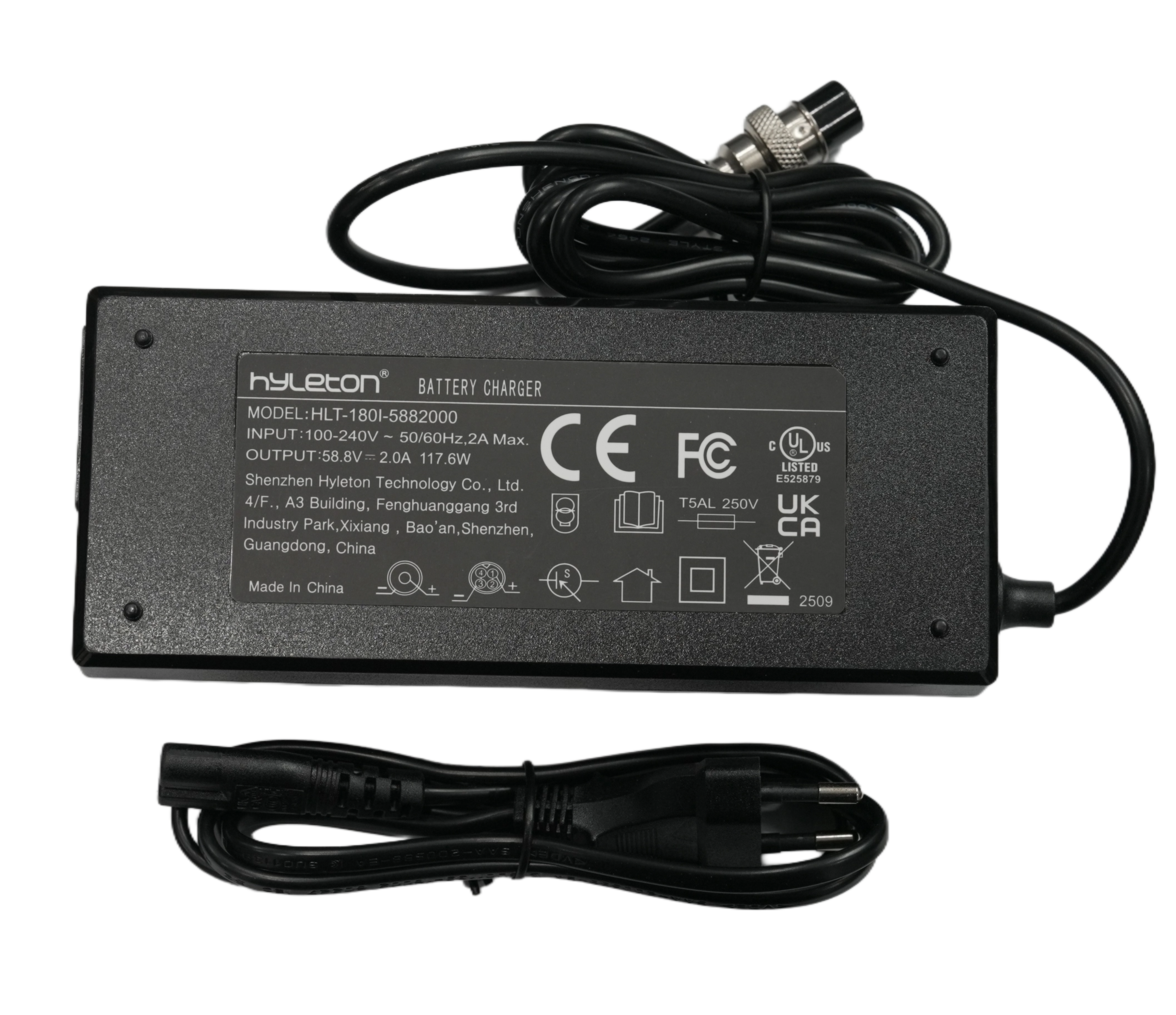
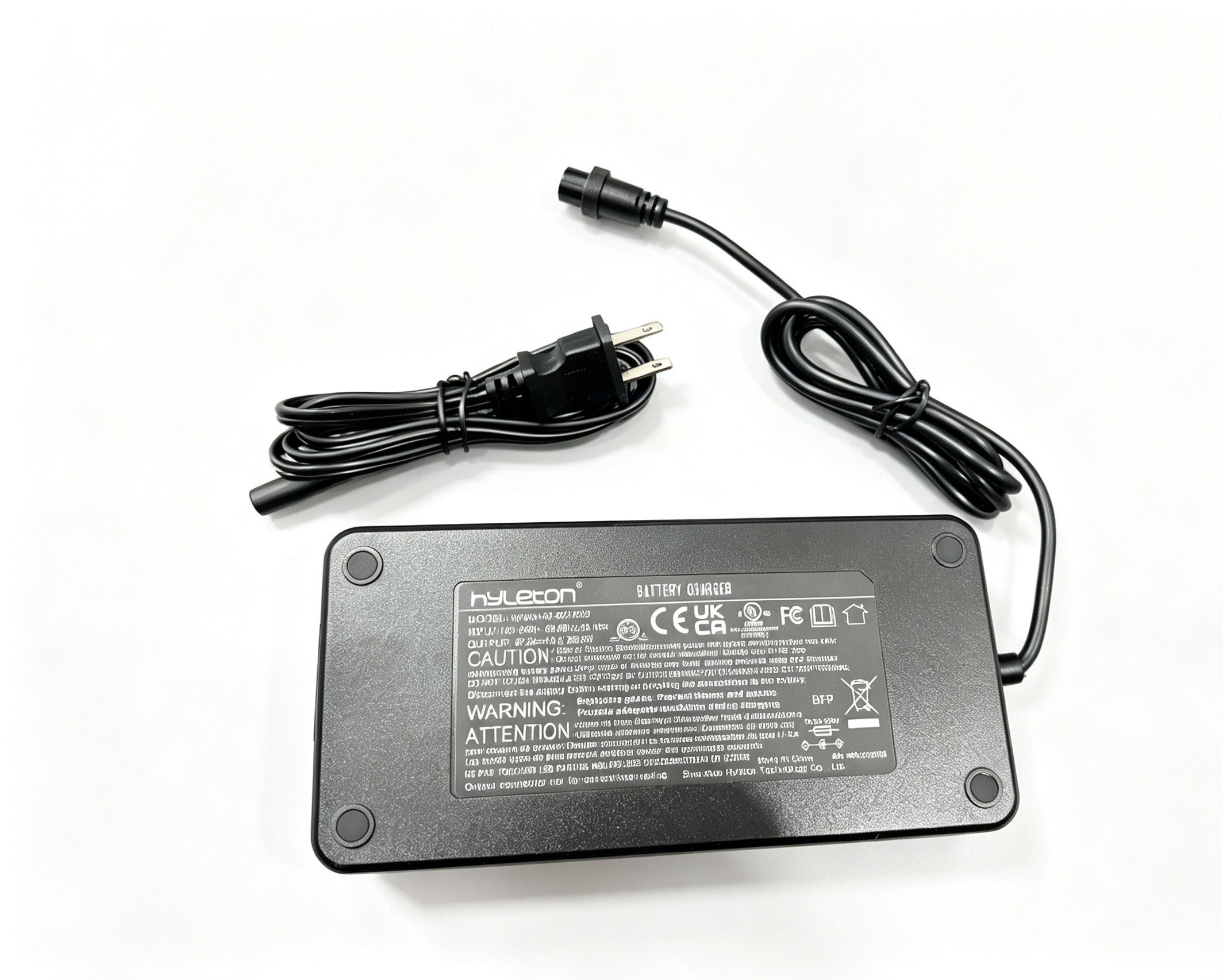
- Use the original charger: Off-brand chargers can damage the BMS and cells.
- Store at 50% charge: If you won't ride for weeks, store the battery at around 50% in a cool, dry place.
- Ride smoothly: Jackrabbit starts and constant top-speed runs drain the battery faster and generate heat.
Following these habits can double your battery's lifespan. For high-performance scooters like the Zwheel ZSD2, which packs a 4000W motor, proper care is even more critical due to higher power demands.
When to Replace Your Battery
If your battery health is below 70% and range no longer meets your needs, replacement is the best option. Most e-scooter batteries last 2-4 years or 500-800 full charge cycles. However, if you notice swelling, leaks, or overheating, replace immediately—safety first.
When replacing, choose a reputable brand and ensure compatibility with your scooter's voltage and connector type. Upgrading to a higher-capacity battery can extend range, but check that your controller and motor can handle it.
Tools and Apps for Battery Health Monitoring
For tech-savvy riders, there are apps and devices that provide deeper insights. Some scooters have Bluetooth connectivity and companion apps that log battery data. Third-party tools like the "Battery Monitor" app (for Android) can track voltage and estimate health if your scooter has a smart BMS. Always verify compatibility before relying on these.
Frequently Asked Questions
How often should I check my electric scooter battery health?
We recommend a quick check every 3 months, or if you notice changes in range or performance. A full range test every 6 months is a good practice.
Can I revive a dead electric scooter battery?
If the battery is deeply discharged, a qualified technician might be able to revive it with a specialized charger, but it's not always safe or successful. Prevention is better—avoid draining below 20%.
What voltage indicates a bad battery?
It depends on the nominal voltage. For a 48V battery, a full charge should be around 54.6V. If it reads below 48V after charging, it's likely degraded. For a 36V battery, full charge is 42V; below 36V is a concern.
Does cold weather affect battery health?
Cold temperatures temporarily reduce capacity and increase internal resistance, but they don't usually cause permanent damage if you warm the battery before charging. However, charging a cold battery can be harmful—let it reach room temperature first.
How can I tell if my battery is swollen?
A swollen battery may cause the casing to bulge or not fit properly. If you notice any deformation, stop using it immediately and replace it. Swollen batteries can catch fire.
Final Thoughts
Knowing how to check electric scooter battery health empowers you to ride safely and avoid unexpected downtime. Regular voltage checks, range tests, and monitoring charging behavior will give you a clear picture of your battery's condition. Pair that with good charging habits, and you'll maximize both performance and lifespan.
If you're in the market for a new scooter with a robust battery system, consider models like the Zwheel ZSA Plus for commuting or the Zwheel ZSB2 for all-terrain adventures. They're built with quality cells and smart BMS for reliable power.
Got a battery tip to share? Drop a comment below—we'd love to hear from you.
Автор
Zwheel Team
Член редакционной команды Zwheel.