Electric Scooter Acceleration: 0-15 MPH Comparison
Not all electric scooters are created equal. We break down 0-15 mph acceleration times across models, explain what affects speed, and help you choose the right scooter for your commute or trail adventures.
جدول المحتويات
- Electric Scooter Acceleration 0-15 MPH Comparison: What You Need to Know
- Why 0-15 MPH Matters More Than Top Speed
- Typical 0-15 MPH Acceleration Times by Scooter Class
- Entry-Level Commuters (250–500W)
- Mid-Range Commuters (500–1000W)
- Performance/Off-Road (1000–2000W)
- High-Performance/Racing (2000W+)
- What Affects Electric Scooter Acceleration?
- Motor Power (Watts)
- Weight (Scooter + Rider)
- Battery Voltage and Discharge Rate
- Tire Type and Terrain
- Rider Skill and Mode Settings
- How to Measure 0-15 MPH Acceleration
- Real-World Acceleration: What Riders Say
- Choosing the Right Scooter for Your Needs
- FAQs About Electric Scooter Acceleration
- How fast can a 1000W electric scooter go from 0 to 15 mph?
- Does acceleration decrease as the battery drains?
- Can I improve my scooter's acceleration?
- What's more important: top speed or acceleration?
- How does rider weight affect 0-15 mph times?
- Final Thoughts
Electric Scooter Acceleration 0-15 MPH Comparison: What You Need to Know
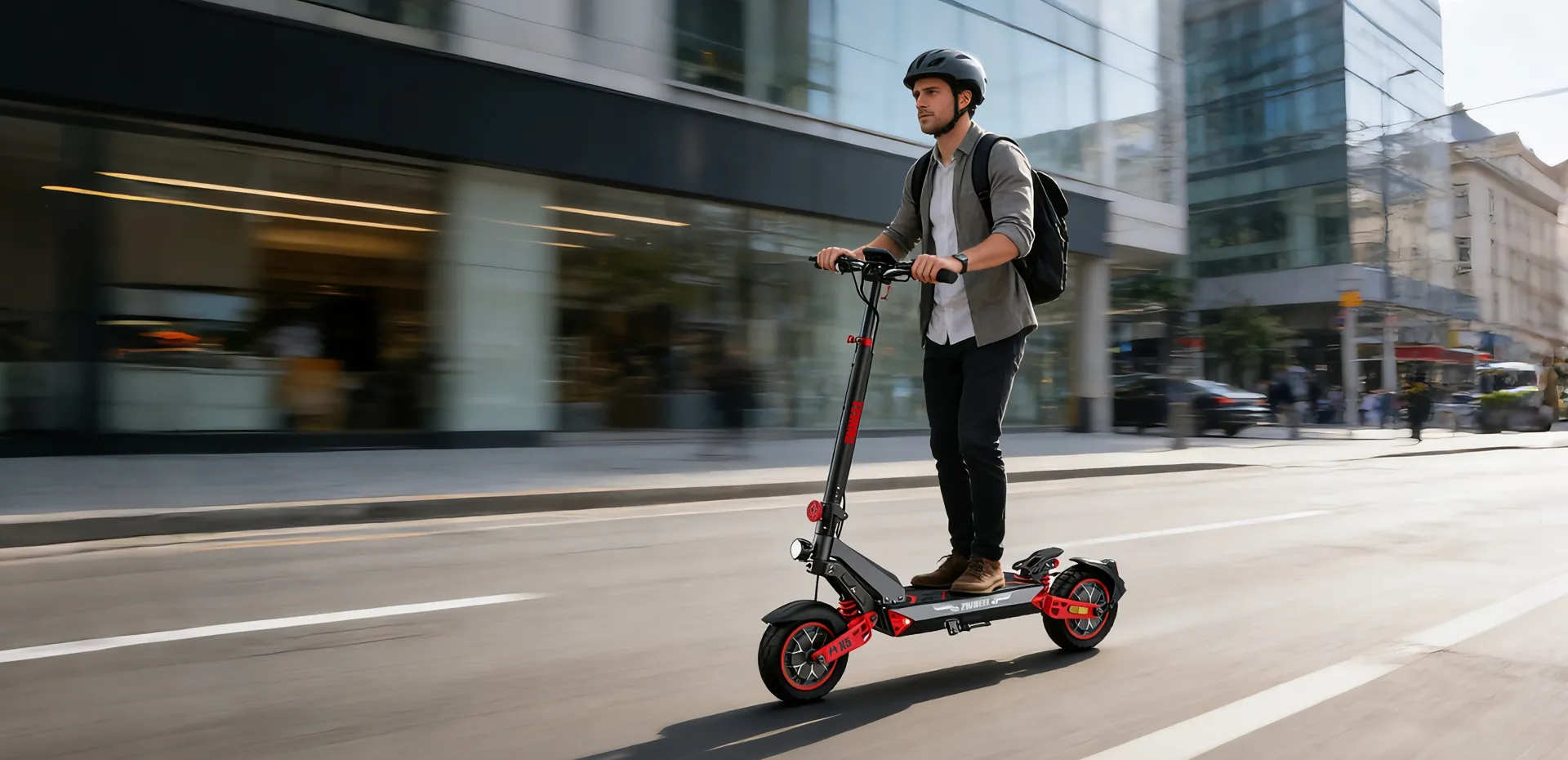
When you're shopping for an electric scooter, top speed gets a lot of attention—but acceleration is what you actually feel every time you twist the throttle. Whether you're merging into traffic, climbing a hill, or just having fun on a weekend ride, how quickly a scooter gets from 0 to 15 mph (0–24 km/h) tells you a lot about its real-world performance. In this electric scooter acceleration 0 to 15 mph comparison, we'll break down typical acceleration times across different classes of scooters, explain the factors that influence them, and help you decide what matters for your riding style.
We've gathered data from manufacturer specs, independent testing, and rider feedback to give you a realistic picture. No hype—just the numbers and what they mean for you.
Why 0-15 MPH Matters More Than Top Speed
Top speed is fun to brag about, but 0-15 mph acceleration is far more relevant to daily riding. Here's why:
- City riding: Most urban speed limits are 25–30 mph, and you'll rarely sustain top speed. Quick acceleration helps you keep up with traffic, safely cross intersections, and overtake slower cyclists.
- Hills and headwinds: A scooter that accelerates briskly on flat ground will handle inclines better. If you live in a hilly area, acceleration is a better indicator of real-world capability than a claimed top speed.
- Safety: Being able to quickly match the flow of traffic can reduce the risk of getting rear-ended or caught in a blind spot.
So when you compare electric scooters, pay close attention to 0-15 mph times—they're a practical benchmark for performance.
Typical 0-15 MPH Acceleration Times by Scooter Class
Acceleration varies widely depending on motor power, weight, and tuning. Below are typical ranges you can expect from different classes of electric scooters. Keep in mind that rider weight, terrain, and battery level can affect these numbers by 10–20%.
Entry-Level Commuters (250–500W)
These scooters are designed for short trips and casual riding. They prioritize range and affordability over speed.
- 0-15 mph: 5–8 seconds
- Examples: Xiaomi Mi 3, Segway Ninebot Max G30
- Best for: Flat urban routes, short commutes under 5 miles
If you're a heavier rider or face hills, you'll want to step up to a more powerful model.
Mid-Range Commuters (500–1000W)
This is the sweet spot for most commuters. You get noticeably quicker acceleration without a huge price jump.
- 0-15 mph: 3–5 seconds
- Examples: Zwheel ZSA Plus (800W), Zwheel D3S-S (1000W)
- Best for: Daily commuting, mixed terrain, riders up to 220 lbs
The ZSA Plus, for instance, delivers smooth, responsive acceleration thanks to its 800W motor—enough to confidently handle city streets and moderate inclines.
Performance/Off-Road (1000–2000W)
These scooters are built for speed and torque. They'll get you to 15 mph in a hurry and keep climbing.
- 0-15 mph: 2–3.5 seconds
- Examples: Zwheel ZSB1 (1200W), Zwheel ZSD1 (2000W)
- Best for: Hilly areas, off-road trails, thrill-seekers
With 2000W on tap, the ZSD1 can reach 15 mph in around 2.5 seconds—fast enough to put a grin on your face every time.
High-Performance/Racing (2000W+)
These are the supercars of the scooter world. Insane acceleration, but they demand respect and skill.
- 0-15 mph: Under 2 seconds
- Examples: Zwheel ZSE2 (6000W)
- Best for: Experienced riders, track use, adrenaline junkies
The ZSE2's 6000W motor launches it to 15 mph in about 1.5 seconds—faster than many sports cars. It's not for beginners.
What Affects Electric Scooter Acceleration?
Several factors influence how quickly a scooter accelerates. Understanding these helps you interpret specs and make a smarter purchase.
Motor Power (Watts)
Generally, higher wattage means quicker acceleration. But it's not just about peak power—the controller and battery also play a role. A 1000W motor with a well-tuned controller can outperform a poorly tuned 1200W motor.
Weight (Scooter + Rider)
Lighter is faster. A 150 lb rider on a 30 lb scooter will accelerate quicker than a 220 lb rider on the same scooter. If you're a heavier rider, look for a scooter with a higher weight capacity and more powerful motor.
Battery Voltage and Discharge Rate
Higher voltage systems (e.g., 48V, 60V) deliver more power to the motor, improving acceleration. Also, battery charge level matters: a fully charged battery provides maximum power, while a low battery may reduce performance.
Tire Type and Terrain
Pneumatic tires on smooth pavement offer the best grip and acceleration. Off-road tires on loose gravel will slow you down. If you ride on varied terrain, consider an all-terrain model like the Zwheel ZSB2 (1500W, all-terrain).
Rider Skill and Mode Settings
Many scooters have multiple speed modes. Eco mode limits acceleration to conserve battery, while sport mode unleashes full power. Knowing how to use these modes can significantly affect your experience.
How to Measure 0-15 MPH Acceleration
If you want to test your own scooter's acceleration, here's a simple method:
- Find a flat, empty stretch of road (at least 200 feet).
- Start from a complete stop.
- Accelerate at full throttle (in sport mode if available).
- Use a stopwatch or a smartphone app (like GPS Speedometer) to time how long it takes to reach 15 mph.
- Repeat 2–3 times and average the results.
Remember that wind, surface, and battery level can affect results, so test under consistent conditions.
Real-World Acceleration: What Riders Say
Specs are one thing, but real-world feedback is invaluable. Here's what riders commonly report about popular Zwheel models:
- ZSA Plus (800W): "Quick off the line, perfect for city commuting. I can easily keep up with traffic and it handles mild hills without slowing down."
- ZSB1 (1200W): "Noticeably faster than my old 500W scooter. It gets to 15 mph in about 3 seconds—great for my hilly neighborhood."
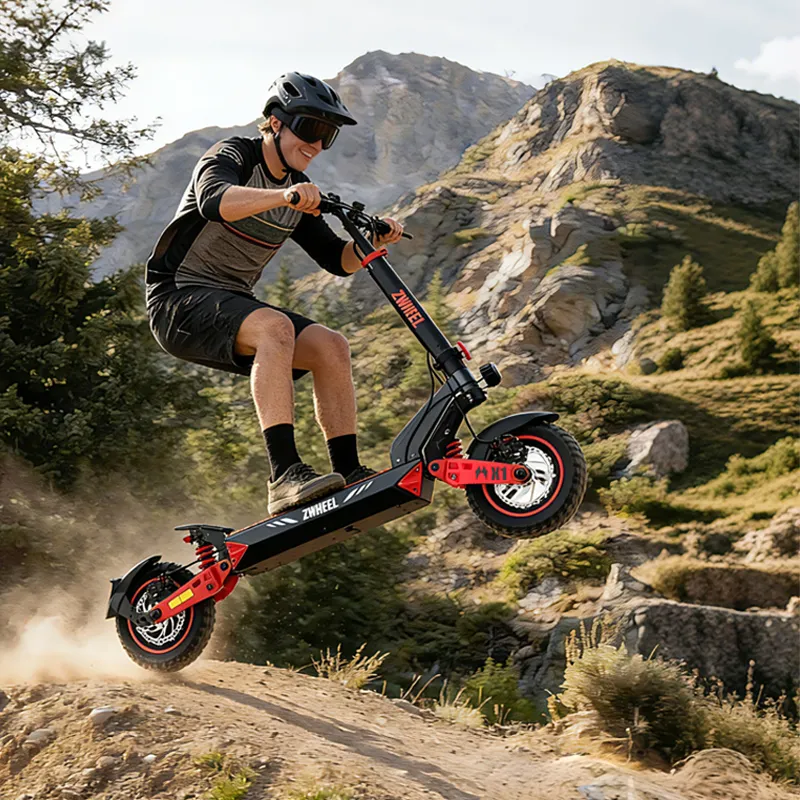
- ZSD1 (2000W): "Insane torque. I have to lean forward to keep the front wheel down. Not for beginners, but a blast for experienced riders."
These anecdotes align with our estimated acceleration ranges, giving you a realistic expectation.
Choosing the Right Scooter for Your Needs
Now that you understand acceleration, how do you pick the right scooter? Consider these factors:
- Commute distance and terrain: Flat city? A 500–800W scooter is plenty. Hills or off-road? Go for 1000W+.
- Your weight: Heavier riders should prioritize higher wattage and torque.
- Experience level: Beginners should start with a mid-range scooter and master throttle control before upgrading to a high-performance model.
- Budget: More power generally costs more, but there are great value options like the ZSA Plus at $499.
If you're unsure, it's better to slightly overbuy on power than to be underwhelmed—especially if you plan to ride in varied conditions.
FAQs About Electric Scooter Acceleration
How fast can a 1000W electric scooter go from 0 to 15 mph?
Most 1000W scooters can reach 15 mph in about 3–4 seconds, depending on rider weight and terrain. Models like the Zwheel D3S-S are tuned for responsive acceleration and fall within this range.
Does acceleration decrease as the battery drains?
Yes, most electric scooters experience a slight drop in acceleration as the battery voltage decreases. You might notice a 10–15% reduction in performance when the battery is below 20%. To maximize performance, keep your battery charged above 30%.
Can I improve my scooter's acceleration?
You can't easily upgrade the motor, but you can ensure your tires are properly inflated, reduce extra weight, and ride in sport mode. Some scooters allow controller tuning via apps, but check with the manufacturer first—modifications may void the warranty.
What's more important: top speed or acceleration?
For most riders, acceleration is more important because it affects safety and practicality in everyday riding. Top speed is only relevant if you have long, open stretches where you can safely go faster. Focus on acceleration for a better real-world experience.
How does rider weight affect 0-15 mph times?
Heavier riders will accelerate more slowly because the motor has to move more mass. As a rule of thumb, every additional 20 lbs can add 0.2–0.5 seconds to your 0-15 mph time. If you're near the scooter's weight limit, consider a more powerful model.
Final Thoughts
This electric scooter acceleration 0 to 15 mph comparison should give you a clear picture of what to expect from different scooter classes. Whether you're a daily commuter or a weekend thrill-seeker, acceleration is a key performance metric that directly impacts your riding experience. Remember to factor in your weight, terrain, and riding style when choosing a scooter—and don't be afraid to test ride if possible.
At Zwheel, we offer a range of scooters to match every need, from the efficient ZSA Plus to the exhilarating ZSE2. Explore our lineup and find the perfect ride for your adventures.
بقلم
Zwheel Team
عضو في فريق تحرير Zwheel، يغطي اتجاهات التنقل الكهربائي وأدلة المنتجات ونصائح الركوب.