Electric Scooter for Real Estate Agents: Show Homes Faster
Learn how an electric scooter for real estate agents showing homes can cut travel time, impress clients, and increase your productivity. Practical advice and top model picks inside.

جدول المحتويات
- Why Real Estate Agents Are Turning to Electric Scooters for Showings
- How an Electric Scooter for Real Estate Agents Showing Homes Saves Time and Money
- 1. Beat Traffic and Parking Woes
- 2. Reduce Transportation Costs
- 3. Impress Clients with Eco-Friendly Efficiency
- Choosing the Right Electric Scooter for Showings
- Key Features to Look For
- Top Zwheel Models for Real Estate Professionals
- Practical Tips for Using an Electric Scooter in Your Real Estate Business
- 1. Plan Your Route Strategically
- 2. Dress for Success (and Safety)
- 3. Secure Your Scooter During Showings
- 4. Charge Smartly
- 5. Use It as a Marketing Tool
- Real Numbers: The ROI of an Electric Scooter for Showings
- Common Concerns and How to Address Them
- "Isn't it unprofessional to arrive on a scooter?"
- "What about bad weather?"
- "How do I transport it if I need to drive?"
- Frequently Asked Questions
- Can I use an electric scooter for real estate showings in all weather?
- What's the best electric scooter for real estate agents who need to carry it up stairs?
- How do I secure my scooter while showing a home?
- Is it legal to ride an electric scooter on sidewalks?
- How much can I save by using an electric scooter instead of a car for showings?
- Conclusion
Why Real Estate Agents Are Turning to Electric Scooters for Showings
If you're a real estate agent, you know the drill: back-to-back showings across town, tight parking, and the constant pressure to be punctual. In 2026, with urban traffic denser than ever and clients expecting seamless experiences, an electric scooter for real estate agents showing homes has emerged as a surprisingly practical tool. It's not just a gadget—it's a time-saver, a conversation starter, and sometimes even a deal-closer.
Picture this: you're showing a downtown condo, then a townhouse five blocks away, then a suburban ranch. Parking alone can eat 10–15 minutes per stop. An electric scooter lets you zip between nearby properties, park almost anywhere, and arrive fresh-faced. Plus, it signals that you're forward-thinking and efficient—qualities clients appreciate.
In this guide, we'll explore how an electric scooter can transform your showing routine, what to look for in a model, and how to integrate it into your business. We'll also share real numbers and tips from agents who've made the switch.
How an Electric Scooter for Real Estate Agents Showing Homes Saves Time and Money
Let's break down the tangible benefits. The average real estate agent spends 30–40% of their workday in transit. In dense metro areas, that's even higher. An electric scooter can cut short-trip times dramatically.
1. Beat Traffic and Parking Woes
In cities like San Francisco, Boston, or New York, finding parking near a listing can take 10 minutes or more. With a scooter, you can park a few blocks away and glide to the door. For showings within a 2-mile radius, a scooter often beats a car. For example, a 1.5-mile trip that takes 12 minutes by car (including parking) might take 7 minutes by scooter—saving 5 minutes per stop. Over 10 showings a week, that's nearly an hour saved.
2. Reduce Transportation Costs
Gas, parking fees, and wear-and-tear add up. The IRS mileage rate for 2026 is 67 cents per mile. If you drive 50 miles a week for showings, that's $33.50 weekly—$1,742 annually. An electric scooter costs pennies per charge. A typical model uses about 1 kWh per 30 miles, costing roughly $0.15. Even with a higher upfront cost, the savings are substantial.
3. Impress Clients with Eco-Friendly Efficiency
Today's buyers, especially younger ones, value sustainability. Arriving on an electric scooter shows you're eco-conscious and tech-savvy. It's also a natural icebreaker: "That's a cool scooter—how far can it go?" opens a friendly conversation before you even step inside.
Choosing the Right Electric Scooter for Showings
Not all scooters are created equal. As a real estate agent, you need a balance of portability, range, comfort, and professionalism. Here's what to consider.
Key Features to Look For
- Range: You'll want at least 20–25 miles per charge to cover multiple showings without anxiety. Most commuter scooters offer 15–30 miles.
- Weight and Portability: If you need to carry it up stairs or fold it into a trunk, aim for under 40 lbs. Folding mechanisms should be quick and secure.
- Motor Power: 500W–1000W is sufficient for city streets and mild hills. Higher power (1200W+) is better if you have steep inclines or off-road paths.
- Comfort and Stability: Wide deck, pneumatic tires, and good suspension make a big difference on uneven sidewalks.
- Safety Features: Bright headlights, turn signals, and reliable brakes (disc or drum) are must-haves for visibility and control.
- Professional Appearance: A sleek, clean design that doesn't look like a toy. Matte finishes and integrated lights help.
Top Zwheel Models for Real Estate Professionals
Zwheel offers several models that fit the bill. Here are three standouts:
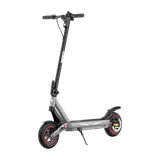
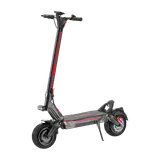
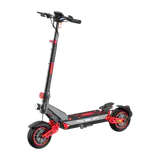
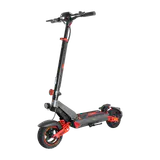
- Zwheel ZSA Plus: 800W motor, $499. This commuter scooter is lightweight (around 35 lbs), folds easily, and has a 25-mile range—perfect for city showings. Its clean design looks professional.
- Zwheel D3S-S: 1000W, $600. A step up in power and comfort, with a wider deck and better suspension. Great for agents covering larger areas or dealing with hilly neighborhoods.
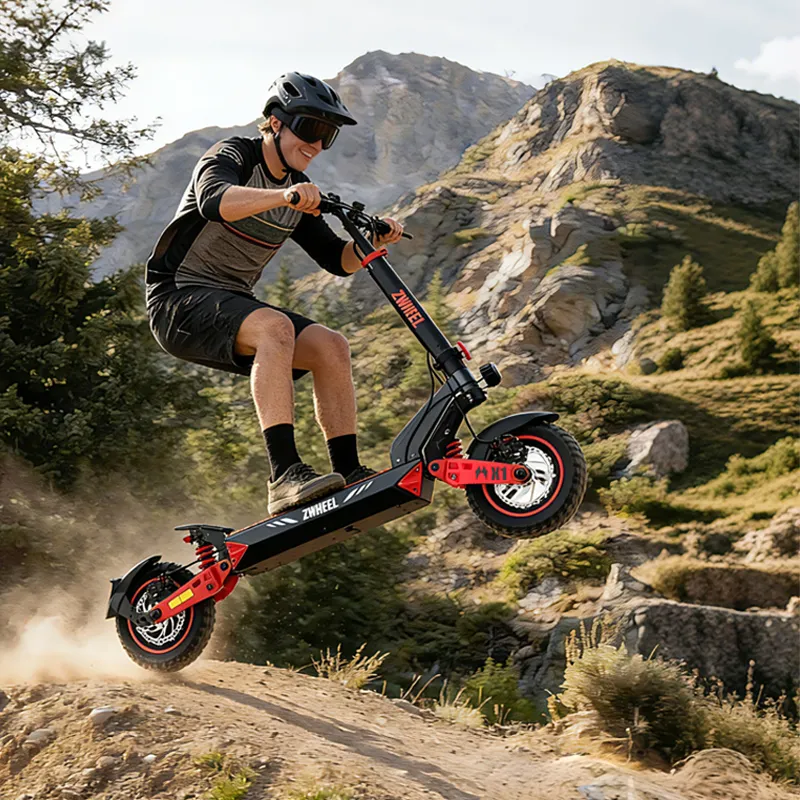
- Zwheel ZSB1: 1200W, $599. If your territory includes unpaved paths or you need extra range, this off-road-capable model offers versatility without sacrificing portability.
For most agents, the ZSA Plus or D3S-S hits the sweet spot of price, performance, and practicality.
Practical Tips for Using an Electric Scooter in Your Real Estate Business
Integrating a scooter into your workflow requires a bit of planning. Here's how to do it smoothly.
1. Plan Your Route Strategically
Cluster showings by neighborhood. Use apps like Google Maps or specialized real estate route planners to optimize. With a scooter, you can often take shortcuts through pedestrian zones or bike lanes that cars can't.
2. Dress for Success (and Safety)
You'll be meeting clients, so attire matters. Wear professional clothing that allows movement—perhaps a blazer over a breathable shirt. Always wear a helmet (choose a sleek, low-profile model) and consider a reflective vest for evening showings. Keep a lint roller and wipes in your bag for quick touch-ups.
3. Secure Your Scooter During Showings
Never leave your scooter unlocked. Use a sturdy U-lock or chain. Many scooters have built-in anti-theft features like alarms or GPS tracking. If you're showing an empty property, you can often bring the scooter inside and park it in the entryway—just ask the seller's permission first.
4. Charge Smartly
Most scooters charge in 3–5 hours. Plug in overnight and keep a charger at the office. If you're doing back-to-back showings all day, consider a model with a removable battery or fast-charging capability. A portable power bank for scooters can be a lifesaver.
5. Use It as a Marketing Tool
Mention your eco-friendly scooter in your bio or social media. Post a photo of you with it at a listing. It humanizes you and reinforces your brand as modern and efficient. Some agents even offer clients a quick spin around the block—with a waiver, of course.
Real Numbers: The ROI of an Electric Scooter for Showings
Let's quantify the benefits. Assume you're an agent doing 20 showings per week. Average distance between showings: 2 miles. By car, each leg takes 10 minutes (including parking). By scooter, 6 minutes. Savings: 4 minutes per leg. Over 20 showings, that's 80 minutes per week—over 6.5 hours per month. If your time is worth $50/hour, that's $325 monthly in recovered productivity.
Plus, fuel and parking savings: If you save $20/week on gas and parking, that's $1,040 annually. Subtract the scooter cost ($500–$600) and electricity (negligible), and you're net positive within the first year. Add the intangible benefits—client impressions, reduced stress—and the case is compelling.
Common Concerns and How to Address Them
"Isn't it unprofessional to arrive on a scooter?"
Not if you present yourself well. Many professionals in other fields (consultants, tech sales) use scooters for short trips. As long as you're dressed appropriately and the scooter is clean, it reads as smart and efficient. If you're concerned, park a block away and walk the final stretch.
"What about bad weather?"
For rain or snow, have a backup plan—use your car or rideshare. Most scooters are water-resistant but not waterproof. Keep a poncho and waterproof bag handy for light rain.
"How do I transport it if I need to drive?"
Most scooters fold and fit in a trunk. The ZSA Plus, for example, folds to about 42 inches long—manageable for most sedans. If you frequently switch between car and scooter, consider a lightweight model under 35 lbs.
Frequently Asked Questions
Can I use an electric scooter for real estate showings in all weather?
Light rain is usually fine if your scooter has an IP rating of IP54 or higher, but avoid heavy rain and snow. Always have a backup plan like a car or rideshare for inclement weather.
What's the best electric scooter for real estate agents who need to carry it up stairs?
Look for models under 35 lbs with a sturdy folding mechanism. The Zwheel ZSA Plus weighs around 35 lbs and is easy to carry one-handed when folded.
How do I secure my scooter while showing a home?
Use a heavy-duty U-lock and park in a visible, well-lit area. If possible, bring it inside. Some models have built-in alarms and GPS tracking for added security.
Is it legal to ride an electric scooter on sidewalks?
Laws vary by city and state. In many places, scooters are allowed on sidewalks but must yield to pedestrians. Check your local regulations. When in doubt, ride on the street (if safe) or walk the scooter on the sidewalk.
How much can I save by using an electric scooter instead of a car for showings?
Agents typically save $1,000–$1,500 per year on gas, parking, and maintenance, plus 5–7 hours per month in time. The exact amount depends on your mileage and local costs.
Conclusion
An electric scooter for real estate agents showing homes is more than a trend—it's a smart business tool. It saves time, cuts costs, and leaves a lasting impression on clients. By choosing a model that balances portability, range, and professionalism, you can streamline your showings and stand out in a competitive market. Ready to upgrade your showing game? Explore Zwheel's lineup and find the perfect ride for your real estate hustle.
بقلم
Zwheel Team
عضو في فريق تحرير Zwheel، يغطي اتجاهات التنقل الكهربائي وأدلة المنتجات ونصائح الركوب.