Electric Scooter Reduce Parking Stress City Living: 7 Ways It Works
Parking stress in cities is real. An electric scooter can reduce parking stress city living causes by eliminating parking fees, cutting commute time, and fitting into small spaces. Here's how.
جدول المحتويات
- Why Parking Stress Is a City Dweller's Nightmare
- How an Electric Scooter Eliminates Parking Headaches
- 1. No More Searching for Spots
- 2. Zero Parking Fees
- 3. Faster Door-to-Door Travel
- Real Numbers: The Cost of Parking vs. Scooting
- Practical Tips for City Scooter Commuting
- Choose a Scooter That Fits Your Lifestyle
- Plan Your Route
- Lock It Right
- Beyond Parking: Other City Living Benefits
- Reduced Stress and Better Health
- Environmental Impact
- Flexibility for Multi-Modal Commutes
- FAQ: Electric Scooters and Parking Stress
- Can I really avoid all parking fees with an e-scooter?
- How do I keep my scooter safe from theft?
- What if I need to carry groceries or a backpack?
- Is it legal to ride an e-scooter in my city?
- How long does it take to charge an electric scooter?
- Conclusion: Reclaim Your City With an Electric Scooter
Why Parking Stress Is a City Dweller's Nightmare
If you've ever circled a city block for 20 minutes looking for a parking spot, you know the frustration. In dense urban areas, parking is scarce, expensive, and time-consuming. According to a 2023 study by INRIX, drivers in major U.S. cities spend an average of 17 hours per year searching for parking, costing them over $345 in wasted time, fuel, and emissions. But there's a smarter way to move — one that completely sidesteps the parking problem: an electric scooter.
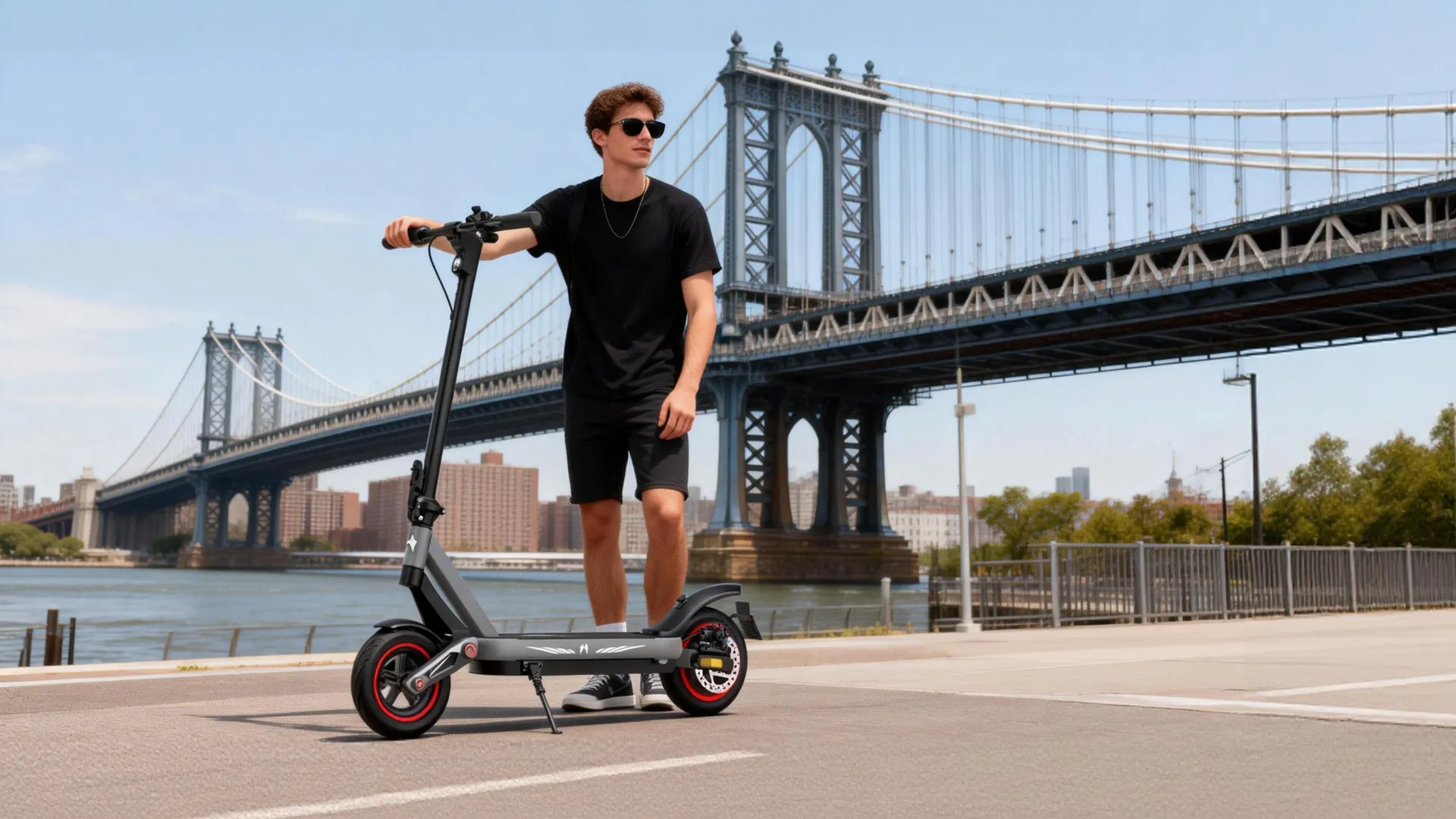
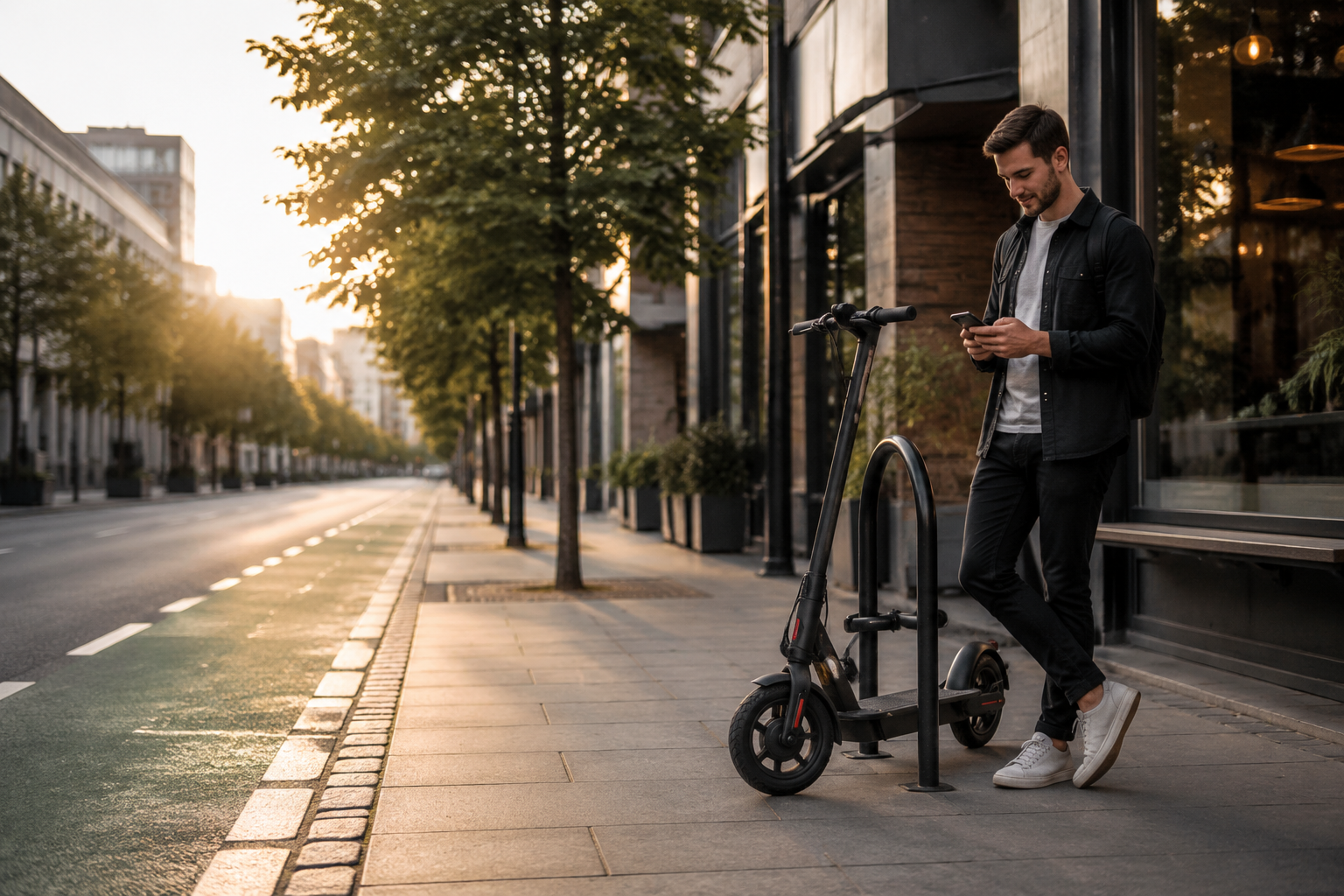
An electric scooter reduce parking stress city living creates by allowing you to park anywhere a bicycle can — no meter, no garage, no hassle. Whether you're commuting to work, running errands, or meeting friends downtown, an e-scooter transforms your relationship with urban space.
How an Electric Scooter Eliminates Parking Headaches
1. No More Searching for Spots
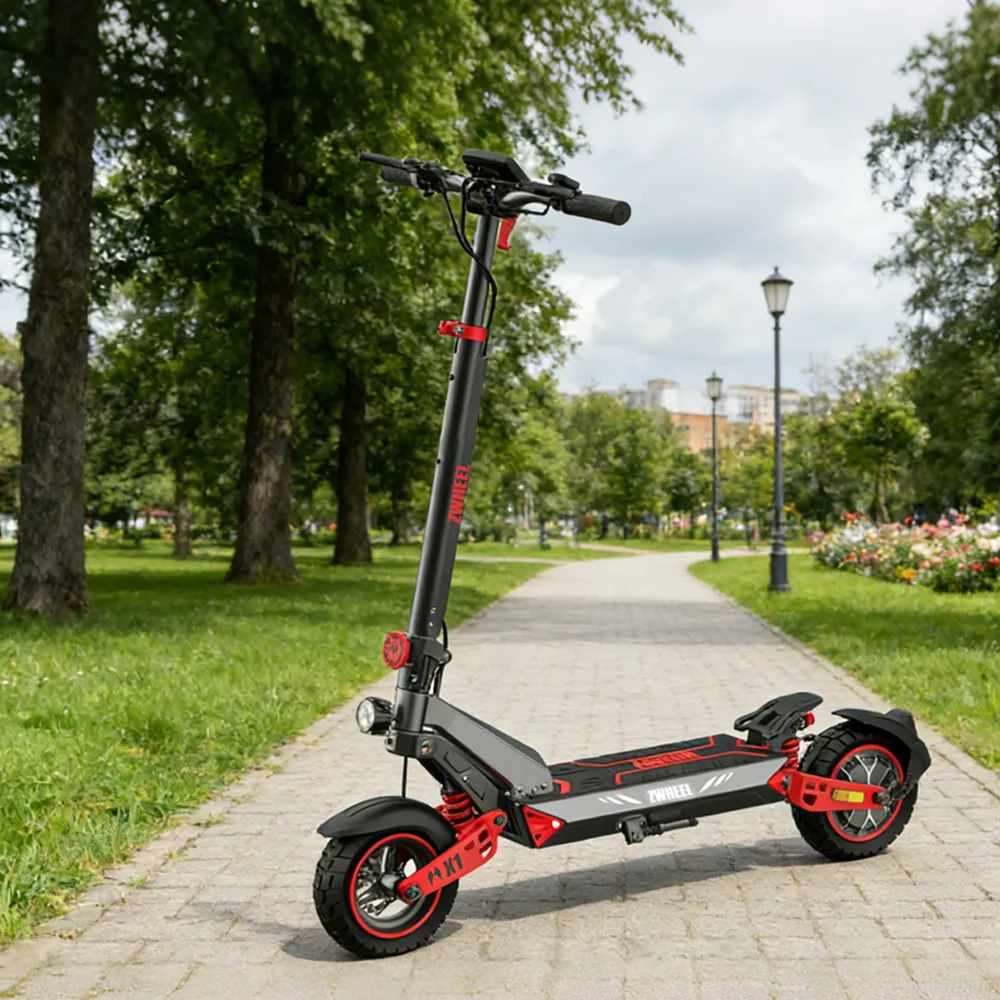
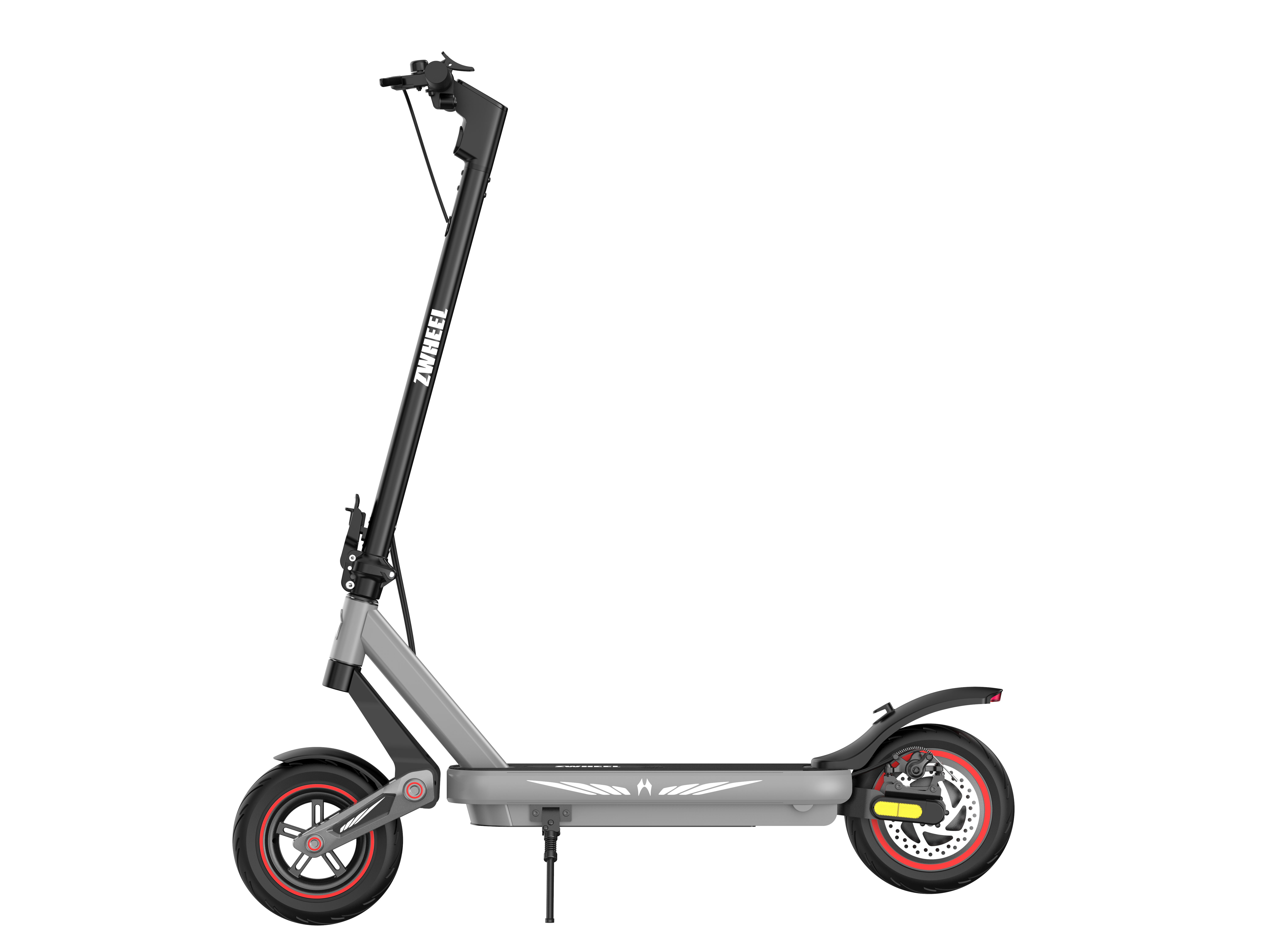
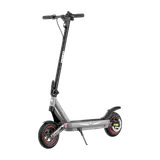
With an e-scooter, you can park right outside your destination — on a bike rack, a signpost, or even fold it and carry it inside. The Zwheel ZSA Plus, for instance, is lightweight and compact, making it easy to bring into offices or coffee shops. You never have to worry about finding a legal parking spot again.
2. Zero Parking Fees
City parking can cost $20–$40 per day in downtown areas. Over a year, that's $5,000–$10,000. An electric scooter costs pennies to charge (less than $0.10 per full charge) and requires no parking fees. The math is simple: you save hundreds each month.
3. Faster Door-to-Door Travel
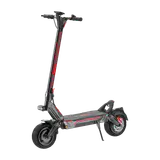
E-scooters can use bike lanes, paths, and sidewalks (where legal), bypassing traffic jams. A 2-mile commute that takes 15 minutes by car (plus 10 minutes parking) takes 8 minutes by scooter. The Zwheel D3S-S offers a 1000W motor and 28 mph top speed, getting you there fast.
Real Numbers: The Cost of Parking vs. Scooting
Let's break it down for a typical city commuter:
- Car parking: $30/day x 250 workdays = $7,500/year
- Car fuel: $150/month x 12 = $1,800/year
- E-scooter charging: $0.10/day x 250 = $25/year
- E-scooter maintenance: ~$50/year (tires, brakes)
Total annual savings: over $9,000. That's not including car insurance, which can cost $1,200–$2,000/year. By using an electric scooter for your daily commute, you can reduce parking stress city living and put thousands back in your pocket.
Practical Tips for City Scooter Commuting
Choose a Scooter That Fits Your Lifestyle
Not all e-scooters are created equal. For city use, look for:
- Portability: Foldable design, under 40 lbs
- Range: At least 15–20 miles for round trips
- Durability: Solid tires or puncture-resistant ones
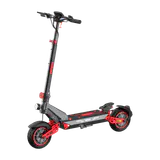
The Zwheel ZSB1 (1200W, 28 mph, 25-mile range) is a great all-rounder for mixed terrain. If you need more power for hills, the D3D-S offers dual motors and excellent torque.
Plan Your Route
Use apps like Google Maps or Citymapper to find bike-friendly routes. Avoid busy roads when possible. Many cities now have dedicated bike lanes that e-scooters can use legally.
Lock It Right
Invest in a high-quality U-lock or folding lock. Always lock your scooter to a fixed object. And if you can, bring it inside — most offices and cafes allow it.
Beyond Parking: Other City Living Benefits
Reduced Stress and Better Health
Studies show that active commuting (walking, biking, scootering) lowers cortisol levels and improves mood. The fresh air and light exercise of standing on a scooter can boost your mental health. Plus, you avoid the road rage of traffic jams.
Environmental Impact
E-scooters produce zero tailpipe emissions. If you replace a 10-mile car trip with a scooter, you save about 4 kg of CO2. Over a year, that's nearly a ton of carbon dioxide kept out of the atmosphere.
Flexibility for Multi-Modal Commutes
Many cities now allow e-scooters on buses and trains. You can ride to a transit hub, fold your scooter, and take it with you — solving the first-mile/last-mile problem. The Zwheel ZSA Plus, at just 33 lbs, is perfect for this.
FAQ: Electric Scooters and Parking Stress
Can I really avoid all parking fees with an e-scooter?
Yes. Since e-scooters can be parked on bike racks or carried indoors, you never need to pay for parking. Just check local regulations — some cities have specific rules about where you can leave scooters.
How do I keep my scooter safe from theft?
Use a sturdy lock, park in well-lit areas, and consider bringing your scooter inside. Many workplaces and apartment buildings allow it. The Zwheel D3S-S has a removable battery, so you can take that with you for extra security.
What if I need to carry groceries or a backpack?
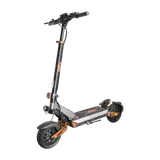
Most e-scooters have a small deck or optional baskets. You can also use a backpack or bungee cords. For larger loads, consider a scooter with a wider deck like the Zwheel ZSB2 (1500W), which offers a stable platform.
Is it legal to ride an e-scooter in my city?
Laws vary. Most U.S. states allow e-scooters on roads with speed limits under 25 mph and on bike lanes. Check your local DMV or city website for specific rules. Always wear a helmet.
How long does it take to charge an electric scooter?
Most models charge in 4–6 hours. The Zwheel ZSA Plus takes about 5 hours for a full charge. You can charge it overnight at home or at work.
Conclusion: Reclaim Your City With an Electric Scooter
Parking stress doesn't have to define your city experience. By switching to an electric scooter, you gain freedom, save money, and reduce your environmental footprint. The key takeaway: an electric scooter reduce parking stress city living by eliminating the biggest headache of urban driving — finding a place to park.
Whether you choose the budget-friendly ZSA Plus or the powerful ZSE2 for longer commutes, there's a Zwheel model for every city rider. Start scooting and stop circling.
بقلم
Zwheel Team
عضو في فريق تحرير Zwheel، يغطي اتجاهات التنقل الكهربائي وأدلة المنتجات ونصائح الركوب.