Electric Scooter Spring Riding Checklist After Winter Storage
After months in storage, your electric scooter needs a thorough check before hitting the road. This spring checklist covers battery, tires, brakes, and more to keep you safe and your ride smooth.
جدول المحتويات
- Why Your Electric Scooter Needs a Spring Check-Up
- 1. Battery Health: The Heart of Your Scooter
- Check the Charge Level
- Inspect for Damage or Swelling
- Charge and Discharge Cycle
- 2. Tire Inspection and Inflation
- Check Tire Pressure
- Inspect Tread and Sidewalls
- Spin the Wheels
- 3. Brake System: Safety First
- Mechanical Disc Brakes
- Brake Rotors
- Electronic Brakes (Regenerative)
- 4. Frame, Bolts, and Folding Mechanism
- Check All Bolts and Screws
- Inspect the Frame for Cracks
- Lubricate Moving Parts
- 5. Electrical System: Lights, Display, and Wiring
- Test All Lights
- Check the Display
- Inspect Wiring
- 6. Deck, Grips, and Comfort
- Check the Deck Grip Tape
- Inspect Handlebar Grips
- Shock Absorbers (If Equipped)
- 7. Test Ride in a Safe Area
- What to Check During the Ride
- 8. Additional Spring Riding Tips
- Watch for Wet Roads
- Check Local Laws
- Update Your Gear
- Conclusion
- FAQ: Electric Scooter Spring Riding Checklist After Winter Storage
- How long does it take to charge a battery after winter storage?
- Can I ride my electric scooter in the rain after winter storage?
- What should I do if my scooter makes a clicking noise when I accelerate?
- How often should I perform this spring checklist?
- Is it safe to store my scooter in a garage during winter?
Why Your Electric Scooter Needs a Spring Check-Up
After a long winter tucked away in a garage, basement, or storage unit, your electric scooter deserves some TLC before you take it out for that first spring ride. Cold temperatures, humidity, and simple inactivity can take a toll on key components—especially the battery, tires, and brakes. Skipping a pre-ride inspection can lead to dangerous malfunctions or expensive repairs. This spring, follow this comprehensive electric scooter spring riding checklist after winter storage to ensure your scooter is safe, reliable, and ready to roll.
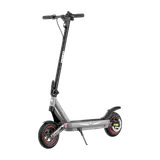
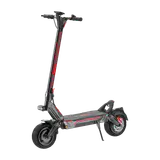
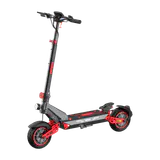
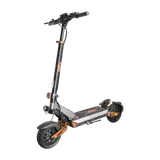
At Zwheel, we design premium electric scooters built to last through seasons of use, but even the best scooter benefits from a little care after hibernation. Whether you own a Zwheel ZSA Plus for city commuting or a rugged Zwheel ZSD1 for off-road adventures, this checklist applies to all models.
1. Battery Health: The Heart of Your Scooter
The battery is the most critical and sensitive component after winter storage. Cold temperatures can reduce charge capacity, and if stored at a very low or high state of charge, lithium-ion cells can degrade permanently.
Check the Charge Level
Ideally, you stored your scooter with the battery at 50–70% charge. When you first power it on, check the battery indicator. If it's critically low (below 20%), charge it slowly to full. If it's dead, don't panic—but it may need a longer charge cycle. Use the original charger only.
Inspect for Damage or Swelling
Look at the battery casing. Any bulging, cracks, or leaks mean the battery is compromised and must be replaced immediately. Do not attempt to charge a swollen battery.
Charge and Discharge Cycle
For optimal health, fully charge the battery, then take a short ride (2–3 miles) to discharge it. Then recharge to full again. This "exercise" helps recondition the cells. Avoid leaving it at 100% charge for days—if you're not riding immediately, keep it around 80%.
Pro tip: If your scooter has a removable battery, bring it indoors before charging if the garage is still cold (below 50°F / 10°C). Charging in cold temperatures can damage lithium cells.
2. Tire Inspection and Inflation
Tires naturally lose pressure over months of storage. Low tire pressure affects handling, range, and can cause pinch flats.
Check Tire Pressure
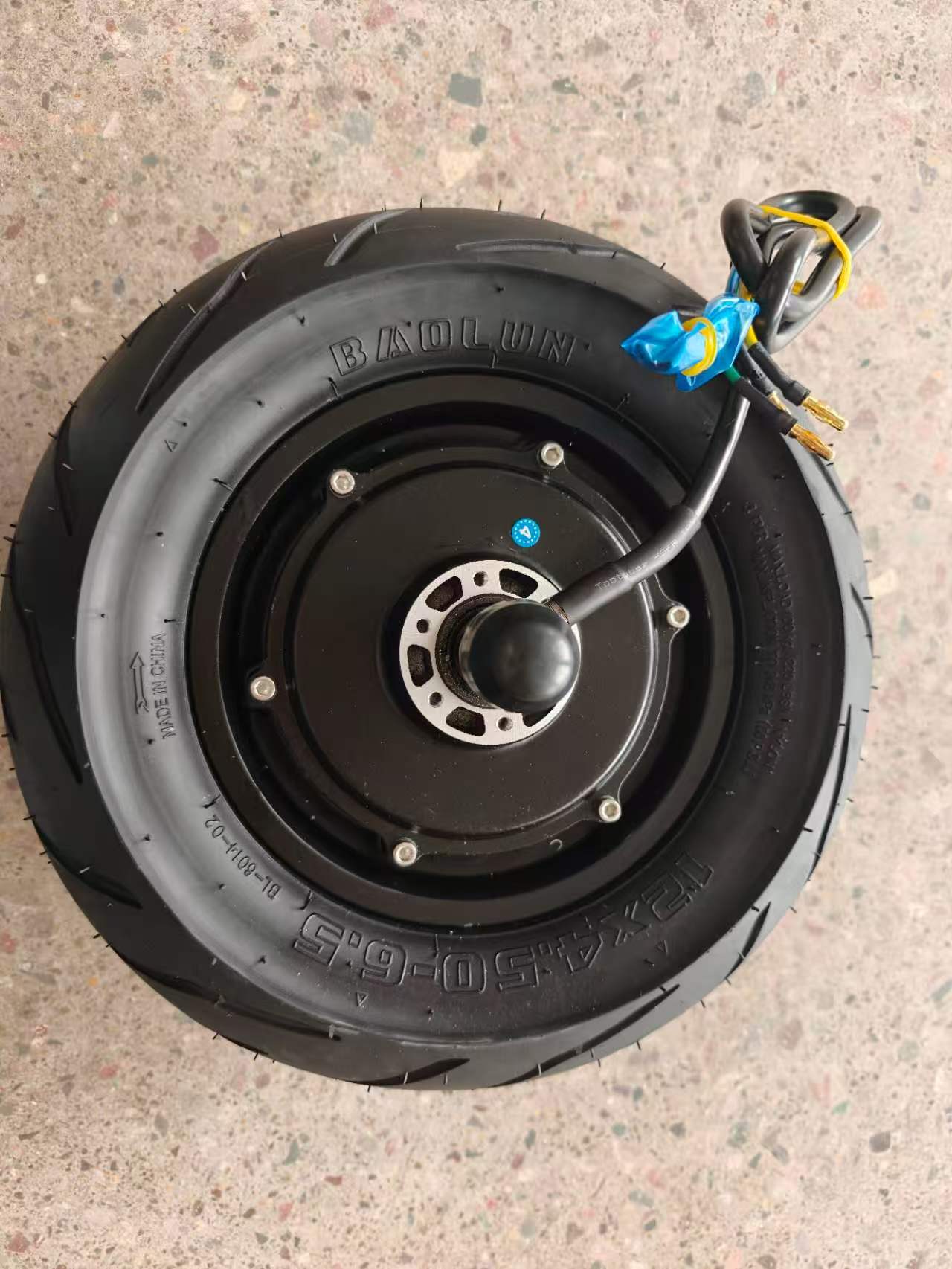
Use a digital tire gauge to check both tires. Most electric scooters require 40–50 PSI (check your owner's manual). Inflate to the recommended level. Under-inflated tires also waste battery power.
Inspect Tread and Sidewalls
Look for cracks, dry rot, or embedded debris. If you see deep cuts or worn tread, replace the tire before riding. For off-road models like the Zwheel ZSB2, check for any punctures from winter storage debris.
Spin the Wheels
Lift the scooter and spin each wheel. Listen for grinding or rubbing sounds. If the wheel wobbles, the axle or bearings may need servicing.
3. Brake System: Safety First
Brakes can corrode or become sticky after months of disuse. A thorough check is non-negotiable.
Mechanical Disc Brakes
Squeeze the brake levers. Do they feel spongy? Pull them fully and check if the pads contact the rotor evenly. If the lever pulls to the handlebar, the cable may have stretched or the pads are worn. Adjust the cable tension or replace pads as needed.
Brake Rotors
Spin the wheel and look for warping. A warped rotor will rub against the pads, reducing efficiency and creating noise. If warped, replace it.
Electronic Brakes (Regenerative)
Test the electronic brake function. On most Zwheel models, the e-brake engages when you release the throttle or press a dedicated button. If it doesn't respond, check the controller connections.
Quick test: Ride slowly in a safe area and apply both brakes. The scooter should stop smoothly and quickly, without pulling to one side.
4. Frame, Bolts, and Folding Mechanism
Winter storage can cause bolts to loosen or rust. A wobbly stem or loose handlebars is a recipe for a crash.
Check All Bolts and Screws
Using a hex key set, go over every bolt on the stem, handlebar clamp, deck, and fenders. Tighten any that are loose. Pay special attention to the folding mechanism—if it's loose, the scooter could fold while riding.
Inspect the Frame for Cracks
Look at the stem near the clamp, the deck weld points, and around the folding hinge. Even hairline cracks can grow under stress. If you find any, stop riding and contact Zwheel support.
Lubricate Moving Parts
Apply a small amount of silicone spray to the folding latch, brake levers, and throttle mechanism. Avoid oil-based lubricants on brake rotors or pads.
5. Electrical System: Lights, Display, and Wiring
Moisture can cause corrosion in electrical connectors, especially if stored in a damp environment.
Test All Lights
Turn on the headlight, taillight, and brake light (if equipped). Replace any burnt-out bulbs or LEDs. Clean the lenses with a microfiber cloth.
Check the Display
Power on the scooter and ensure the display shows accurate speed, battery level, and mode. If the screen flickers or shows strange characters, there may be a loose connection.
Inspect Wiring
Look for frayed wires, exposed copper, or chewed insulation (rodents love wires!). If you see damage, repair or replace the affected harness before riding.
6. Deck, Grips, and Comfort
Your riding experience starts with how the scooter feels under you.
Check the Deck Grip Tape
Over time, grip tape can wear down or peel. If it's smooth in spots, replace it. Slippery decks are dangerous, especially in wet spring conditions.
Inspect Handlebar Grips
Twist the grips. If they spin or feel loose, replace them. New grips improve control and comfort.
Shock Absorbers (If Equipped)
For models with suspension (like the Zwheel D3D-S), compress the suspension by pressing down on the deck. It should move smoothly without sticking. If it's stiff, clean and lubricate the stanchions.
7. Test Ride in a Safe Area
After completing the checklist, take your scooter for a short test ride in a low-traffic area (like an empty parking lot). This final step helps you catch any issues that weren't obvious during static inspection.
What to Check During the Ride
- Acceleration: Smooth without hesitation.
- Braking: Even and strong from both brakes.
- Steering: No wobble or stiffness.
- Noise: Listen for clicks, rattles, or grinding.
If everything feels good, you're ready to enjoy the spring weather safely. If something seems off, revisit the relevant section above or take your scooter to a professional.
8. Additional Spring Riding Tips
Spring weather can be unpredictable. Here are a few extras to keep in mind:
Watch for Wet Roads
Even if it's not raining, morning dew and melting snow can leave roads slick. Reduce your speed in corners and avoid puddles that may hide potholes.
Check Local Laws
Some cities update scooter regulations in spring. Ensure your scooter meets local requirements (lights, speed limits, helmet laws).
Update Your Gear
Spring is a great time to replace worn helmets or gloves. Visibility matters too—add reflective stickers or a bright vest.
Conclusion
Don't let a neglected scooter ruin your first spring ride. By following this electric scooter spring riding checklist after winter storage, you'll ensure your Zwheel scooter performs at its best, keeps you safe, and lasts for many seasons to come. A little preventive maintenance goes a long way—and it's the smartest way to start your riding season.
Ready to upgrade your ride? Explore the full lineup of Zwheel electric scooters and find the perfect model for your spring adventures.
FAQ: Electric Scooter Spring Riding Checklist After Winter Storage
How long does it take to charge a battery after winter storage?
It depends on the battery's remaining charge and capacity. Typically, a full charge takes 4–6 hours. If the battery was completely drained, it may take longer or may not accept a charge at all. Always use the original charger and monitor the process.
Can I ride my electric scooter in the rain after winter storage?
Most modern electric scooters have some water resistance (IPX4 or higher), but it's best to avoid heavy rain after storage. Check your scooter's IP rating and ensure all seals are intact. Zwheel models like the ZSA Plus are designed for light rain, but we recommend drying the scooter thoroughly after any wet ride.
What should I do if my scooter makes a clicking noise when I accelerate?
A clicking noise often indicates a loose motor wire, a damaged controller, or a loose spoke. Stop riding immediately and inspect the motor hub and wiring. If you're unsure, contact Zwheel support for guidance.
How often should I perform this spring checklist?
This checklist is essential after any extended storage period (over 1 month). For regular weekly use, a simpler pre-ride check (tire pressure, brake function, battery level) is sufficient.
Is it safe to store my scooter in a garage during winter?
Yes, but take precautions: charge the battery to 50–70%, remove it if possible, and store in a dry, temperature-controlled area. Cover the scooter to protect from dust and moisture. Avoid storing near chemicals or in areas with extreme temperature swings.
بقلم
Zwheel Team
عضو في فريق تحرير Zwheel، يغطي اتجاهات التنقل الكهربائي وأدلة المنتجات ونصائح الركوب.