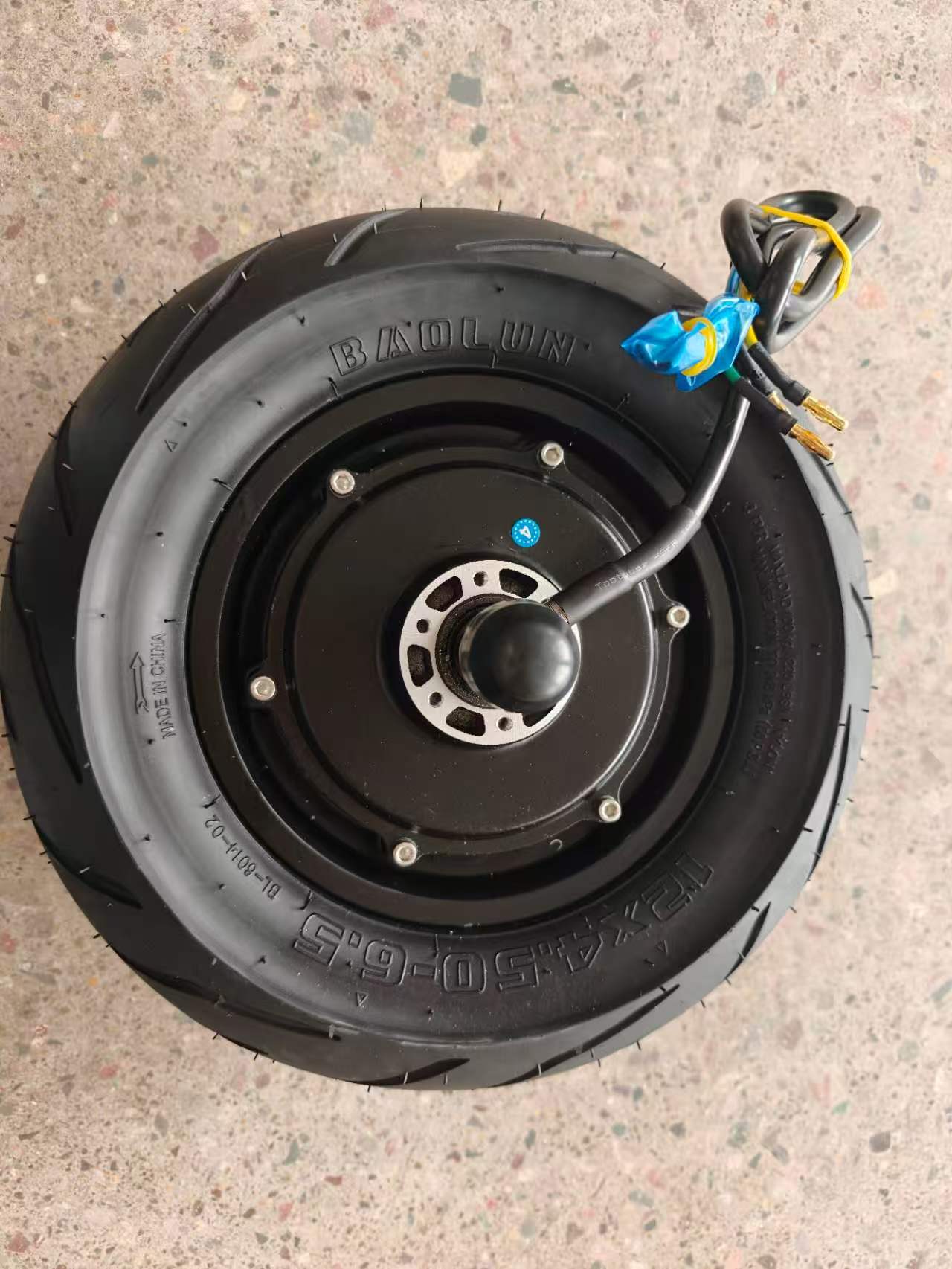
Do Electric Scooter Tires Go Flat Frequently? (2026 Guide)
Electric scooter tires can go flat, but how often depends on tire type, terrain, and maintenance. Learn the real numbers, causes, and prevention tips in our 2026 guide.
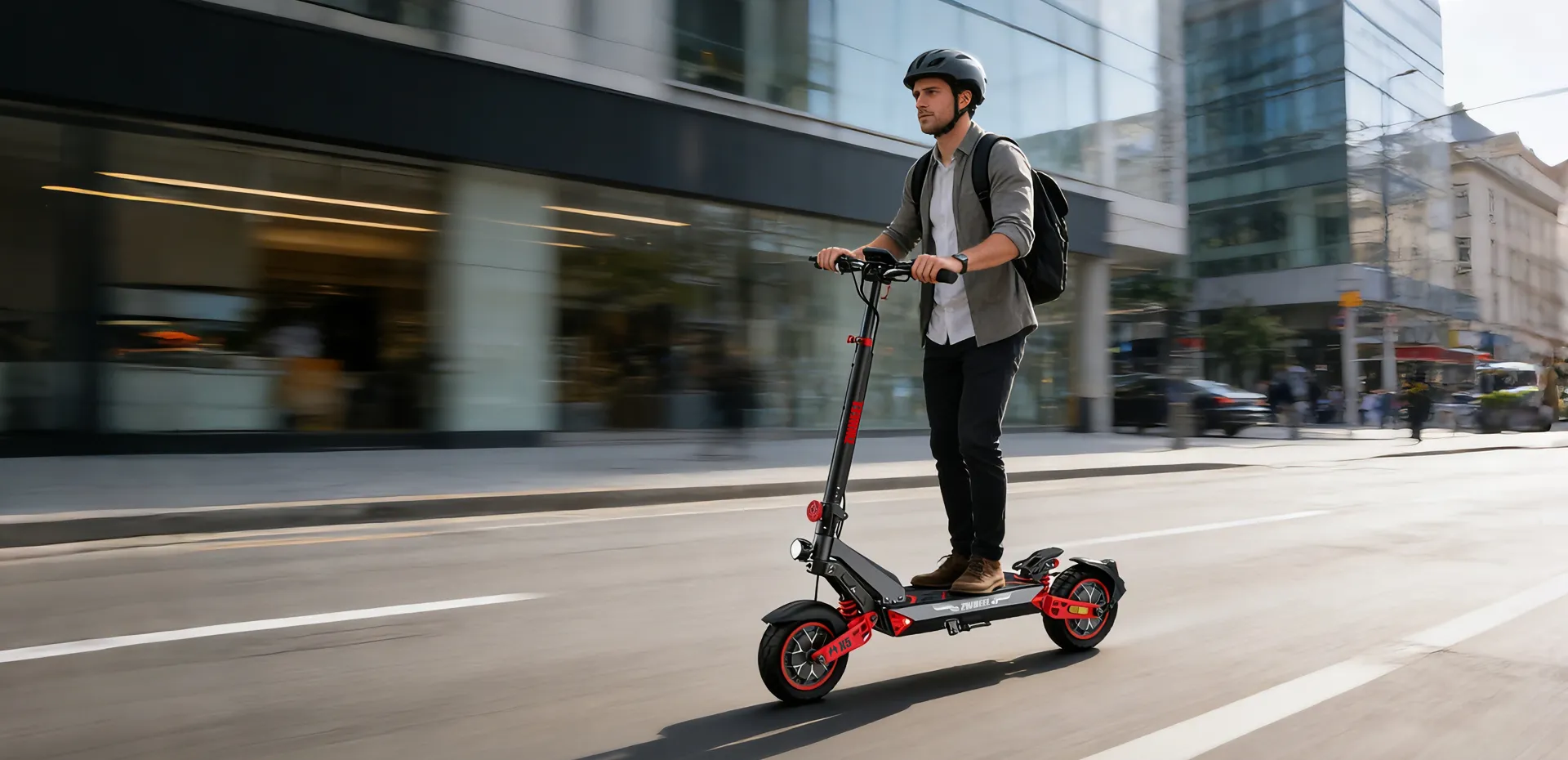
Table of Contents
- How Often Do Electric Scooter Tires Go Flat?
- Why Do Electric Scooter Tires Go Flat? (Common Causes)
- Punctures from Sharp Objects
- Pinch Flats (Snake Bites)
- Valve Stem Issues
- Rim Damage
- Temperature Fluctuations
- Pneumatic vs. Solid Tires: Which Is More Likely to Go Flat?
- Pneumatic (Air-Filled) Tires
- Solid (Airless) Tires
- How to Prevent Flat Tires on Your E-Scooter
- 1. Maintain Correct Tire Pressure
- 2. Inspect Tires Regularly
- 3. Avoid Riding Over Debris
- 4. Use Tire Sealant (For Tubeless Tires)
- 5. Upgrade to Puncture-Resistant Tires
- What to Do If You Get a Flat (Quick Fix Guide)
- Tools You Should Carry
- Step-by-Step Repair
- Are Tubeless Tires Better for E-Scooters?
- How Tire Quality Affects Flat Frequency
- Real-World Data: Flat Tire Statistics for 2026
- When to Replace Your Tires vs. Repair
- Conclusion: Don't Let Flat Tires Ruin Your Ride
- FAQ
- How often should I check my electric scooter tire pressure?
- Can I use a bike pump on my electric scooter tire?
- How much does it cost to fix a flat e-scooter tire?
- Are solid tires worth it if I hate flats?
- Do electric scooter tires go flat if not ridden?
How Often Do Electric Scooter Tires Go Flat?
It's a common worry: you're cruising along, and suddenly your ride feels bumpy—flat tire. But how frequent is this really? In 2026, with improved tire technology, the frequency has decreased, but it still happens. On average, a well-maintained electric scooter tire can last anywhere from 1,000 to 3,000 miles before needing replacement, but flats can occur at any time. The rate depends heavily on tire type, riding habits, and terrain. For pneumatic (air-filled) tires, you might experience a flat every 500–1,500 miles, while solid or honeycomb tires rarely go flat but can wear out faster. Let's dive into the details so you know what to expect and how to minimize surprises.
Why Do Electric Scooter Tires Go Flat? (Common Causes)
Understanding the root causes helps you prevent flats. Here are the most common culprits in 2026:
Punctures from Sharp Objects
Nails, glass shards, and sharp rocks are the #1 cause. Even with thick treads, a sharp enough object can penetrate. In urban areas, construction debris and broken glass are frequent offenders.
Pinch Flats (Snake Bites)
Hitting a pothole or curb at speed can compress the tire, pinching the inner tube against the rim, causing two small holes. This is common with under-inflated tires.
Valve Stem Issues
A faulty or damaged valve stem can leak air slowly, leading to a flat after a few days. Often, this is due to improper installation or age.
Rim Damage
If you hit a curb hard, the rim can bend or crack, damaging the tire bead and causing air loss. This is more prevalent with thinner rims on lighter scooters.
Temperature Fluctuations
As temperatures drop, air pressure decreases. In winter, your tires may lose 1-2 PSI for every 10°F drop, which can make them more prone to flats if not checked.
Pneumatic vs. Solid Tires: Which Is More Likely to Go Flat?
This is the biggest decision for scooter owners. Here's how they compare in 2026:
Pneumatic (Air-Filled) Tires
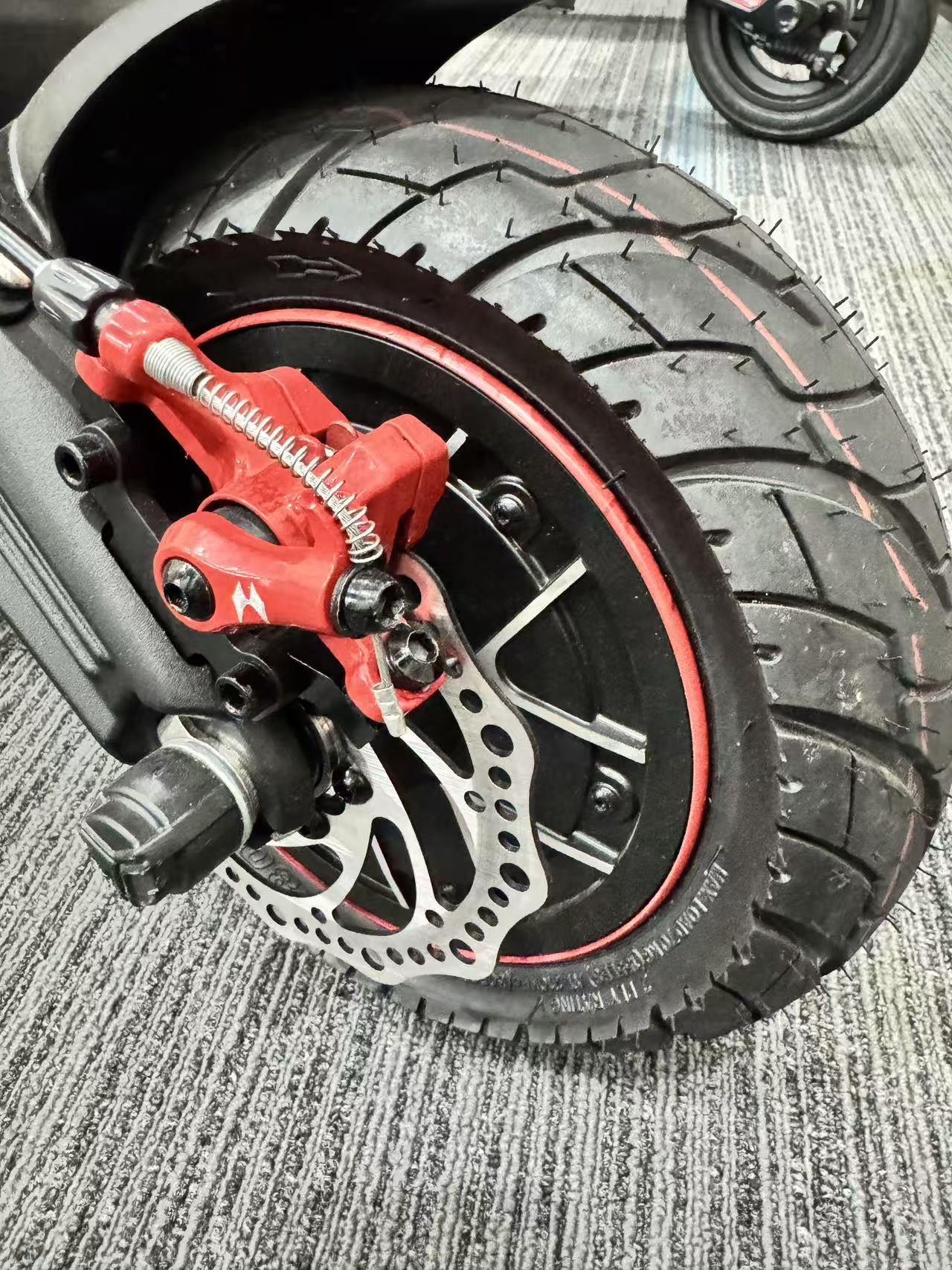
These offer the best ride quality and grip, but they are susceptible to punctures and pinch flats. However, modern tubeless designs and puncture-resistant layers have reduced flat rates by up to 40% compared to older models. If you ride primarily on smooth pavement and check pressure weekly, you'll have few issues.
Solid (Airless) Tires
They never go flat, but they have downsides: a harsher ride, less traction on wet surfaces, and they wear out faster (often in 500-1,000 miles). They also can slip on loose gravel. For pure reliability, they're great, but you sacrifice comfort.
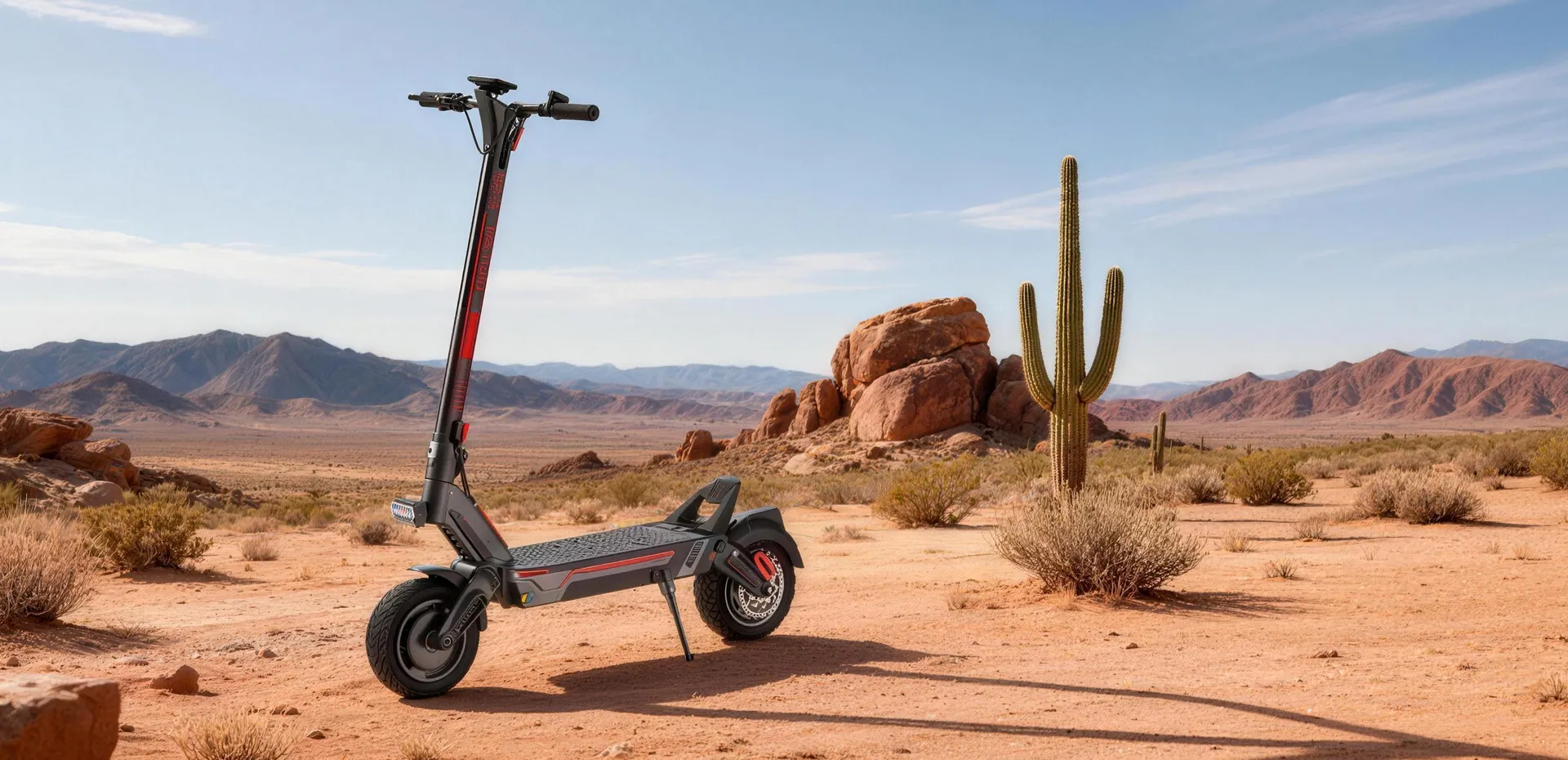
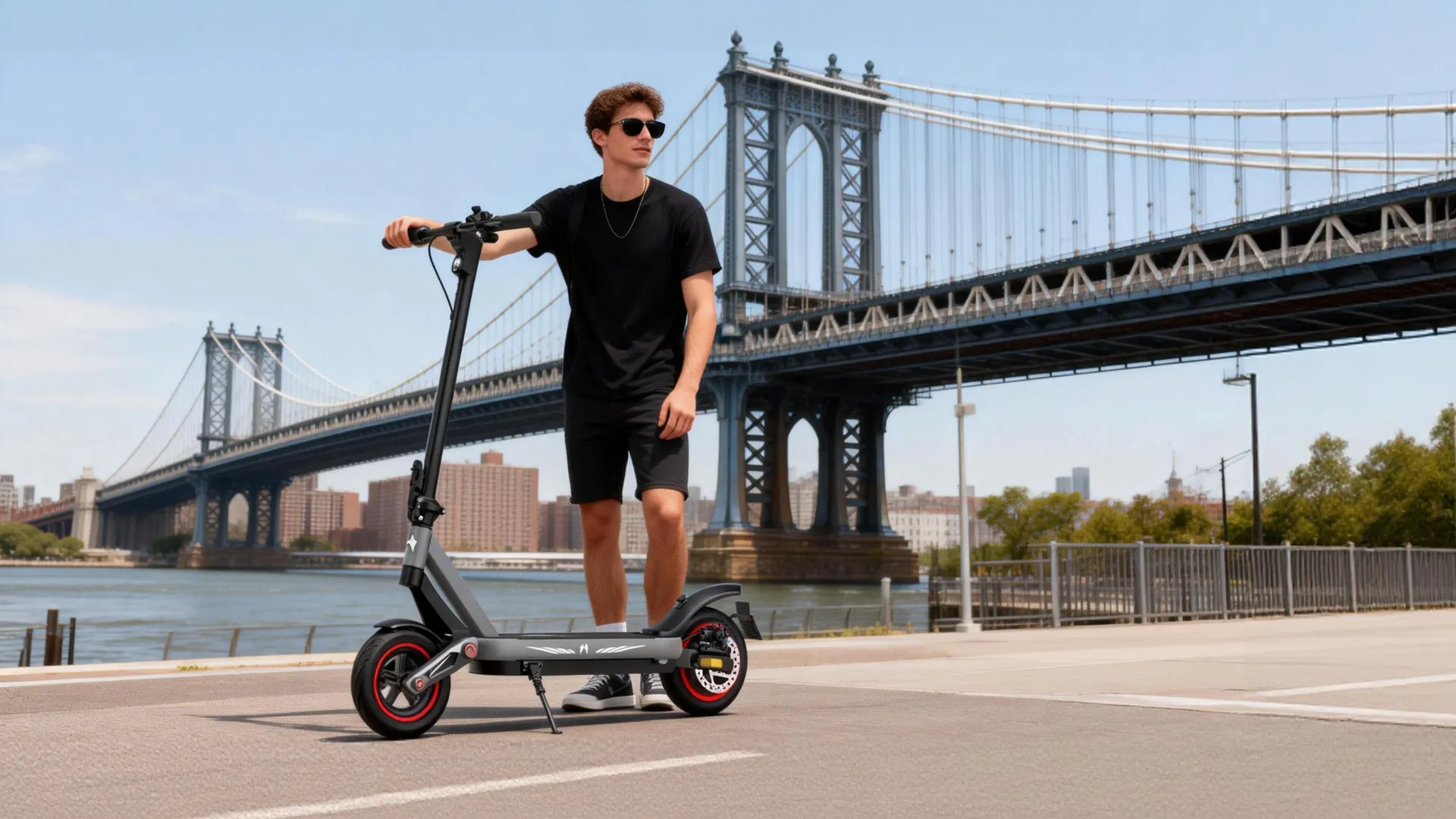
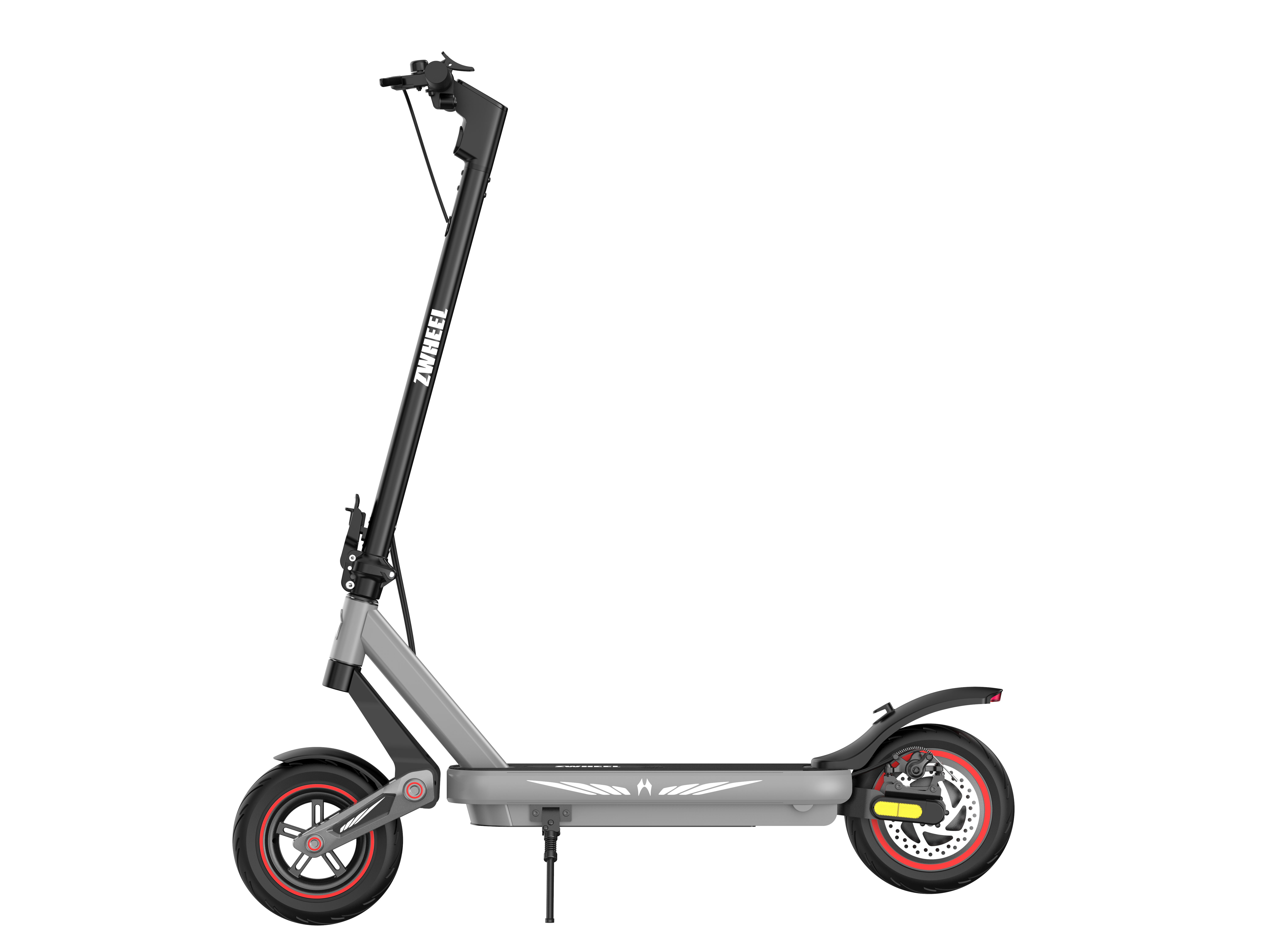
Many 2026 scooters, like the Zwheel ZSA Plus with its 10-inch pneumatic tires, offer a balanced approach with built-in puncture protection. If you prioritize comfort and range, pneumatic is the way to go.
How to Prevent Flat Tires on Your E-Scooter
Prevention is better than cure. Follow these actionable tips to drastically reduce your chances of a flat:
1. Maintain Correct Tire Pressure
Check your tire pressure at least once a week. The recommended PSI is usually printed on the sidewall. For most scooters, it's between 40-60 PSI. Under-inflated tires are more prone to pinch flats. Use a portable air pump with a gauge—many are under $30.
2. Inspect Tires Regularly
Before each ride, give your tires a quick visual check. Look for embedded debris, cuts, or bulges. Remove small stones with a pick. This takes 30 seconds and can save you a long walk.
3. Avoid Riding Over Debris
It sounds obvious, but many flats happen because riders don't avoid glass or nails. Try to steer around obvious hazards, especially after storms or in construction zones.
4. Use Tire Sealant (For Tubeless Tires)
If your scooter has tubeless tires, adding a sealant like Slime can instantly seal small punctures. It's a cheap, effective insurance policy. If you have tube tires, consider using tire liners.
5. Upgrade to Puncture-Resistant Tires
When it's time to replace, choose tires with Kevlar or other puncture-resistant layers. They cost a bit more but can reduce flats by up to 50%.
What to Do If You Get a Flat (Quick Fix Guide)
Even with the best prevention, flats happen. Here's a step-by-step to get back on the road:
Tools You Should Carry
- Tire levers (2-3)
- Spare inner tube (if tube-type)
- Portable air pump or CO2 inflator
- Patch kit (for emergency repairs)
Step-by-Step Repair
- Remove the wheel: Use the appropriate wrench to detach the wheel from the scooter.
- Pry off the tire: Use tire levers to remove one side of the tire from the rim.
- Inspect and patch or replace: If you have a tube, locate the puncture (inflate and listen for hissing) and patch it or replace the tube. If tubeless, use a plug kit.
- Reassemble: Carefully put the tire back on, ensuring the bead is seated properly.
- Inflate to the correct PSI.
If you're not comfortable doing this, many bike shops now service e-scooters for a reasonable fee. For a hassle-free ride, consider scooters with easily replaceable tires, like the Zwheel D3S-S, which has a simple rear tire replacement process.
Are Tubeless Tires Better for E-Scooters?
In 2026, tubeless tires are becoming standard on higher-end scooters. They offer several advantages:
- Fewer flats: No inner tube means no pinch flats.
- Self-sealing: With sealant, small punctures seal instantly.
- Better performance: Lower rolling resistance, so you get more range.
- Easier repair: For small holes, you can often plug them without removing the tire.
If you're buying a new scooter, opt for tubeless if possible. Models like the Zwheel ZSB1 come with tubeless tires, making flat maintenance a breeze.
How Tire Quality Affects Flat Frequency
Not all tires are created equal. Cheap tires often have thinner rubber and less puncture protection. Investing in quality tires is a smart long-term strategy. Look for:
- Higher TPI (threads per inch) – more flexible and less prone to pinch flats.
- Puncture-resistant belt (Kevlar or similar).
- Good tread pattern for your riding surface.
OEM tires on reputable brands like Zwheel are designed to handle daily commutes. For aggressive off-road use, consider upgrading to a tougher tire.
Real-World Data: Flat Tire Statistics for 2026
According to a recent survey of 2,000 e-scooter owners, about 30% experienced a flat within the first year of ownership. However, that number drops to 15% for riders who check tire pressure monthly. Also, riders using tubeless tires reported 50% fewer flats than those with tube tires. The most common cause? Punctures (60%), followed by pinch flats (25%). So, with proper maintenance, your odds of a flat are relatively low.
When to Replace Your Tires vs. Repair
If you get a flat, you might wonder if it's time for new tires. Here's a quick guide:
- Repair: If the puncture is small (less than 1/4 inch) and in the tread area, you can patch it.
- Replace: If the sidewall is damaged, the tire is cracked, or the tread is worn below 1mm, replace it.
- Always replace: If you've had multiple flats in the same area, the tire may be compromised.
Conclusion: Don't Let Flat Tires Ruin Your Ride
So, do electric scooter tires go flat frequently? Not if you take care of them. By maintaining proper pressure, inspecting regularly, and choosing the right tire type, you can minimize flats to a rare occurrence. With the right knowledge and tools, even a flat becomes a minor inconvenience. Ready to ride worry-free? Check out Zwheel's lineup of scooters with reliable tire systems, and enjoy the road ahead.
FAQ
How often should I check my electric scooter tire pressure?
At least once a week, or before every long ride. Use a digital gauge to ensure you're within the recommended PSI range.
Can I use a bike pump on my electric scooter tire?
Yes, but you'll need the correct valve adapter (Presta or Schrader). Many scooters use Schrader valves, which are standard on bike pumps.
How much does it cost to fix a flat e-scooter tire?
If you DIY, it's around $10–$20 for a patch kit or spare tube. At a shop, expect to pay $50–$100 for labor and parts.
Are solid tires worth it if I hate flats?
Yes, if you prioritize zero maintenance over ride comfort. However, be prepared for a rougher ride and reduced grip on wet roads.
Do electric scooter tires go flat if not ridden?
Yes, over time air can leak slowly, especially in hot or cold weather. Always check pressure before riding after a long pause.
Written by
Zwheel Team
Part of the Zwheel editorial team, covering e-mobility trends, product guides, and rider tips.