

Earth Day Electric Scooter: Carbon Footprint Savings in 2026
Learn how switching to an electric scooter for Earth Day 2026 can slash your carbon footprint. We break down real-world savings, compare with cars, and share eco-friendly riding tips.
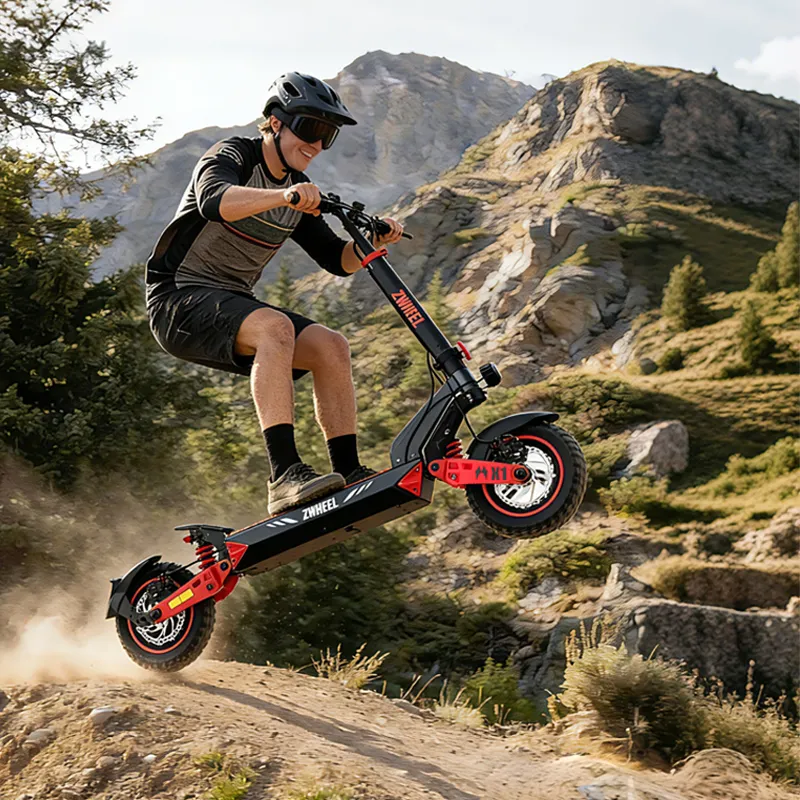
Table of Contents
- Why Earth Day Matters More Than Ever for Your Commute
- How an Electric Scooter Slashes Your Carbon Footprint
- The Numbers Behind the Savings
- Manufacturing and Battery Impact
- Real-World Carbon Savings: From City Streets to Off-Road Trails
- Commuting in the City
- Off-Road Adventures
- Practical Tips to Maximize Your Savings
- Comparing Electric Scooters to Other Green Transit Options
- E-Scooter vs. E-Bike
- E-Scooter vs. Public Transit
- The Bigger Picture: Earth Day 2026 and Beyond
- Frequently Asked Questions
- How much CO₂ does an electric scooter save compared to a car?
- Are electric scooters truly eco-friendly considering battery production?
- Can I use an electric scooter for off-road riding without harming nature?
- What's the best electric scooter for reducing my carbon footprint?
- How do I dispose of an electric scooter battery responsibly?
- Conclusion: Your Earth Day Resolution
Why Earth Day Matters More Than Ever for Your Commute
Earth Day 2026 is here, and with it comes a powerful reminder: every mile we travel leaves a mark on the planet. For urban commuters, the choice between a gas-guzzling car and an electric scooter isn't just about convenience—it's about the carbon footprint you leave behind. In this guide, we'll explore how an Earth Day electric scooter carbon footprint savings can transform your daily travel into a climate-positive habit. Whether you're new to e-scooters or a seasoned rider, the data speaks for itself: switching to electric is one of the most impactful personal changes you can make.
Consider this: the average passenger vehicle emits about 400 grams of CO₂ per mile (EPA 2025 data). An electric scooter, by contrast, emits just 10–20 grams per mile when accounting for grid electricity and manufacturing. That's a 95% reduction. Multiply that by 10 miles a day, 5 days a week, and you're saving over 1,000 kg of CO₂ annually—the equivalent of planting 50 trees. Small changes, huge impact.
How an Electric Scooter Slashes Your Carbon Footprint
The Numbers Behind the Savings
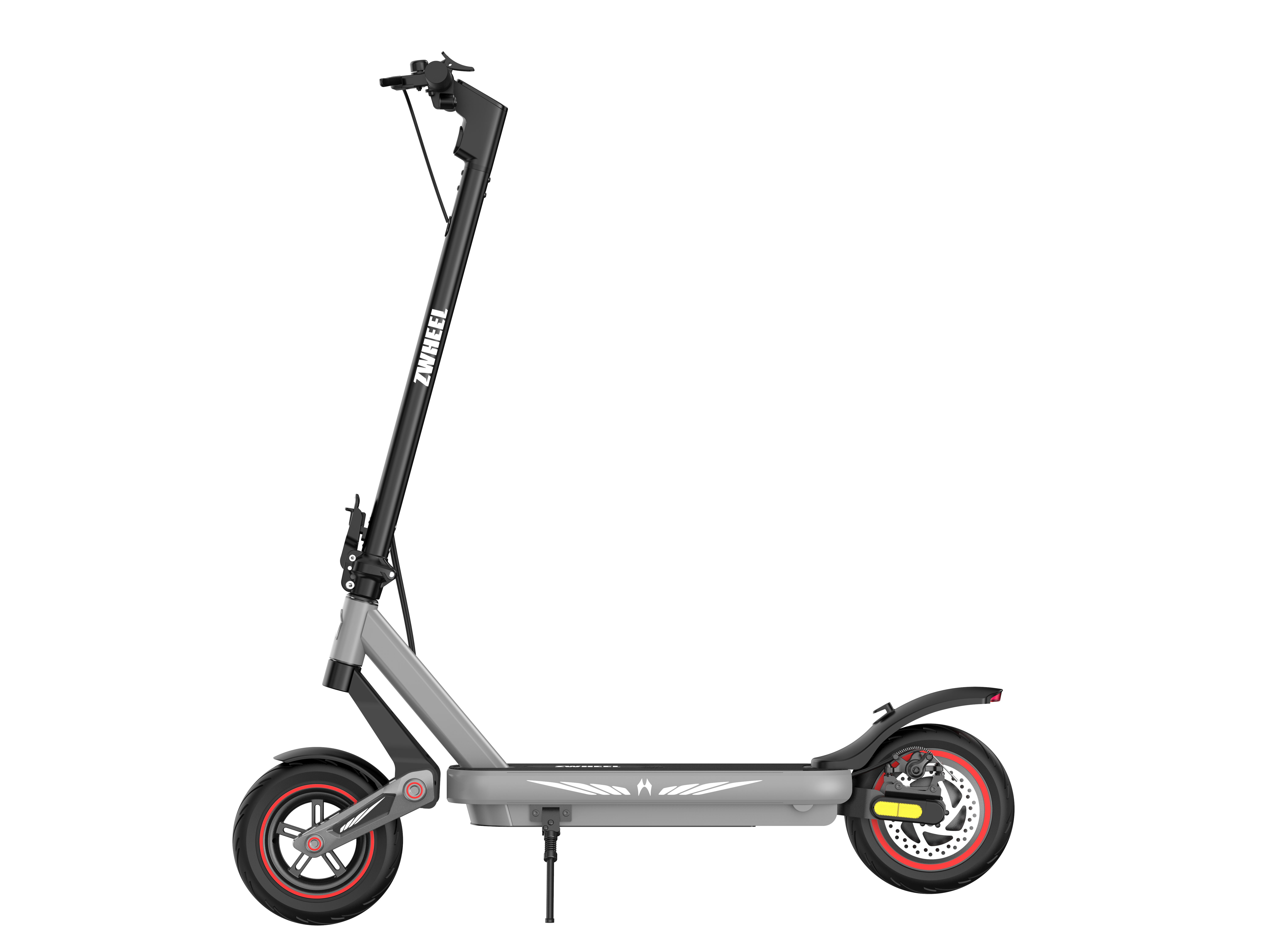
Let's get specific. A typical electric scooter like the Zwheel ZSA Plus (800W, $499) consumes about 0.5 kWh per 10 miles. In the U.S., the average grid emission rate is 0.85 lbs CO₂ per kWh (EIA 2026). That's 0.425 lbs (0.19 kg) per 10 miles. Compare that to a gas car at 8.8 kg per 10 miles (22 mpg). You're saving 8.6 kg of CO₂ every 10 miles. Over a year, that's over 1,000 kg saved—per rider.
If you're a delivery worker or daily commuter, those savings multiply. The Zwheel D3S-S (1000W, $600) offers a range of 25–30 miles per charge, making it ideal for longer commutes. Its 1000W motor ensures you're not sacrificing speed for sustainability.
Manufacturing and Battery Impact
Of course, no vehicle is zero-impact. Producing an electric scooter generates roughly 150–200 kg of CO₂ (including battery). But you recoup that within 2,000 miles of riding instead of driving. After that, it's pure savings. And with lithium-ion batteries lasting 300–500 charge cycles (3–5 years), the long-term benefit is clear.
Real-World Carbon Savings: From City Streets to Off-Road Trails
Commuting in the City
Urban commuters are the biggest winners. Replacing a 10-mile round-trip car commute with an electric scooter saves about 1,760 kg CO₂ per year. That's like taking one car off the road for 4 months. Models like the Zwheel ZSB1 (1200W, $599) combine off-road capability with street-legal features, so you can tackle bike lanes, paths, and even light trails—all while keeping emissions near zero.
Off-Road Adventures
Even recreational riding can be eco-friendly. The Zwheel ZSD1 (2000W, $800) is built for mountain trails, but its electric motor means zero tailpipe emissions. Pair that with regenerative braking (which recaptures energy), and you're reducing waste with every descent.
Practical Tips to Maximize Your Savings
- Charge wisely: Use off-peak electricity (often cleaner and cheaper). Many utilities offer time-of-use rates.
- Maintain your scooter: Keep tires inflated and brakes adjusted. A well-maintained scooter uses less energy per mile.
- Combine trips: Use your scooter for errands, not just commutes. Every car trip replaced counts.
- Recycle your battery: When it's time to replace, use a certified recycler. Lithium-ion recycling recovers 95% of materials.
Comparing Electric Scooters to Other Green Transit Options
E-Scooter vs. E-Bike
Both are great, but e-scooters are lighter and more portable. An e-scooter uses about 0.5 kWh per 10 miles vs. an e-bike's 1.0 kWh (due to heavier frame and larger battery). So e-scooters have a slight edge in energy efficiency. Plus, they're easier to store in small apartments.
E-Scooter vs. Public Transit
Public transit emissions vary widely. A bus with 20 passengers emits about 0.2 kg per passenger-mile. An e-scooter is still lower at 0.02 kg per mile. And you get door-to-door convenience without waiting.
The Bigger Picture: Earth Day 2026 and Beyond
This Earth Day, consider not just the scooter, but the movement. Cities are expanding bike lanes, installing charging stations, and offering rebates for electric micro-mobility. In 2026, over 40 U.S. cities have e-scooter sharing programs, and personal ownership is booming. The Earth Day electric scooter carbon footprint savings aren't just personal—they're part of a global shift toward cleaner air and quieter streets.
If you're ready to make the switch, the Zwheel ZSE2 (6000W, $1400) is a top-tier option for those who want speed and range. But even entry-level models deliver serious savings. The key is to start riding and stop driving.
Frequently Asked Questions
How much CO₂ does an electric scooter save compared to a car?
An electric scooter saves about 95% of CO₂ per mile compared to a typical gas car. For a 10-mile commute, that's roughly 8.6 kg of CO₂ saved per trip.
Are electric scooters truly eco-friendly considering battery production?
Yes. While battery production adds 150–200 kg of CO₂ upfront, you recoup that within 2,000 miles of riding instead of driving. Over a scooter's lifespan, net savings are substantial.
Can I use an electric scooter for off-road riding without harming nature?
Absolutely. Electric scooters have zero tailpipe emissions, so they don't pollute trails. Stick to designated paths to minimize erosion, and always respect wildlife.
What's the best electric scooter for reducing my carbon footprint?
The best scooter is one you'll actually ride. For most commuters, a mid-range model like the Zwheel ZSB2 (1500W, $650) offers a great balance of range, speed, and efficiency.
How do I dispose of an electric scooter battery responsibly?
Take it to a certified e-waste recycler or a battery drop-off location (like Home Depot or Lowe's). Never throw it in the trash. Many manufacturers also offer take-back programs.
Conclusion: Your Earth Day Resolution
This Earth Day, commit to one change: replace one car trip per day with an electric scooter. The Earth Day electric scooter carbon footprint savings are real, measurable, and impactful. Whether you choose the affordable Zwheel ZSA Plus or the powerful Zwheel ZSD2, you're investing in a cleaner planet. Start today, and let every mile be a vote for the Earth.
Written by
Zwheel Team
Part of the Zwheel editorial team, covering e-mobility trends, product guides, and rider tips.