Electric Scooter Winter Riding: Cold Weather Performance Tips
Learn how to maintain your electric scooter's performance in cold weather. Discover battery care tips, riding techniques, and gear recommendations for safe winter riding.
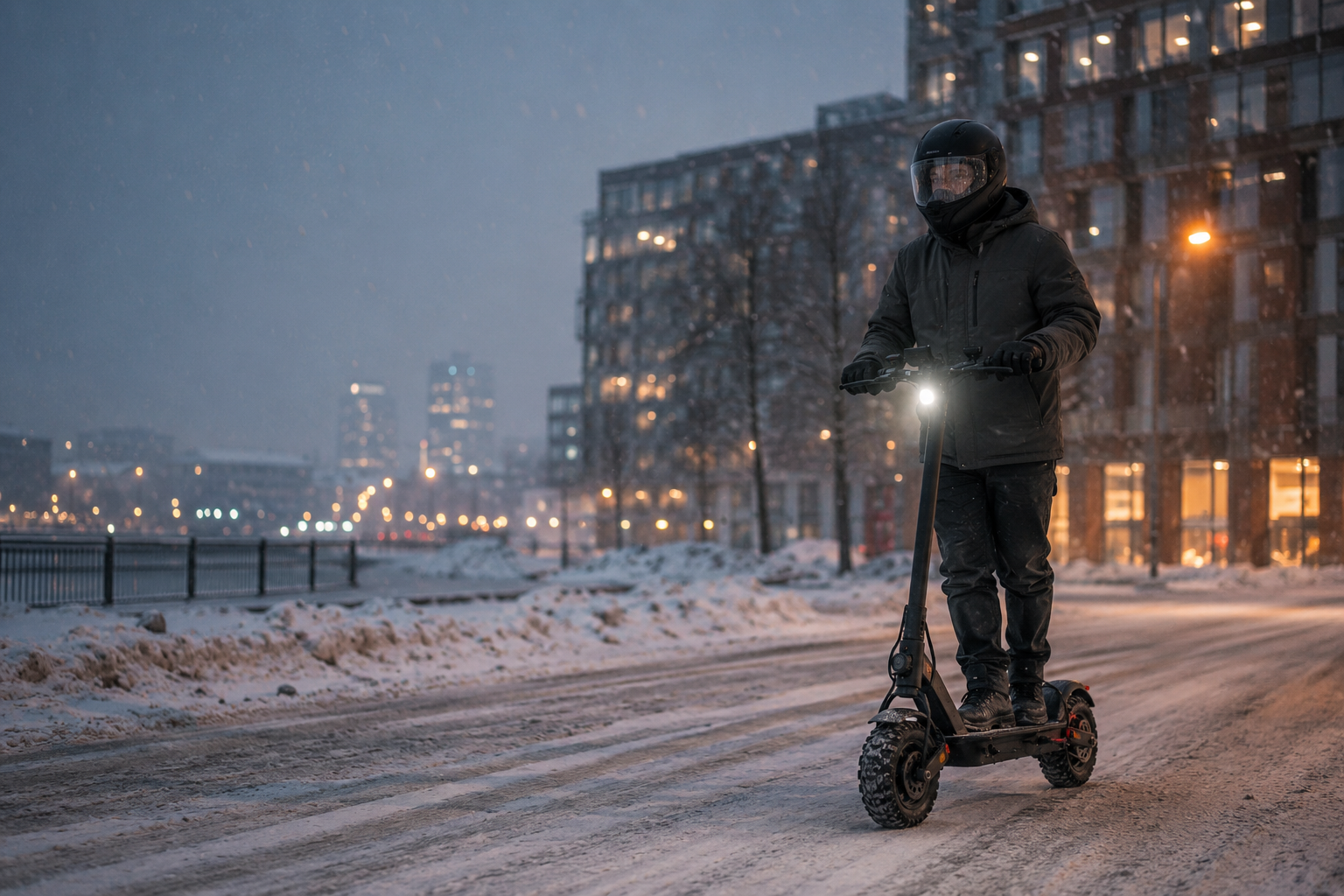
Table of Contents
- Introduction: Why Winter Riding Is Different
- How Cold Weather Affects Your Electric Scooter's Battery
- Lithium-Ion Battery Chemistry in Low Temperatures
- Practical Battery Care Tips for Winter
- Traction and Tire Performance in Snow and Ice
- Why Standard Tires Lose Grip
- Riding Techniques for Slippery Surfaces
- Rider Comfort and Safety Gear for Winter
- Dressing for the Ride
- Recommended Accessories
- Maintenance Checks for Winter Riding
- Before Each Ride
- After Each Ride
- Real-World Range Expectations and Planning
- Frequently Asked Questions
- Can I ride my electric scooter in the snow?
- How do I store my e-scooter battery in winter?
- Does cold weather permanently damage my e-scooter battery?
- What is the best electric scooter for winter riding?
- How can I improve traction on ice?
- Conclusion: Embrace Winter with Confidence
Introduction: Why Winter Riding Is Different
Winter transforms the electric scooter experience. As temperatures drop below 50°F (10°C), your scooter's battery chemistry changes, traction decreases, and your own comfort becomes a challenge. But with the right knowledge and preparation, you can ride safely and efficiently all season long. In this guide, we'll cover everything you need to know about electric scooter winter riding and cold weather performance, from battery management to tire pressure and gear.
How Cold Weather Affects Your Electric Scooter's Battery
Lithium-Ion Battery Chemistry in Low Temperatures
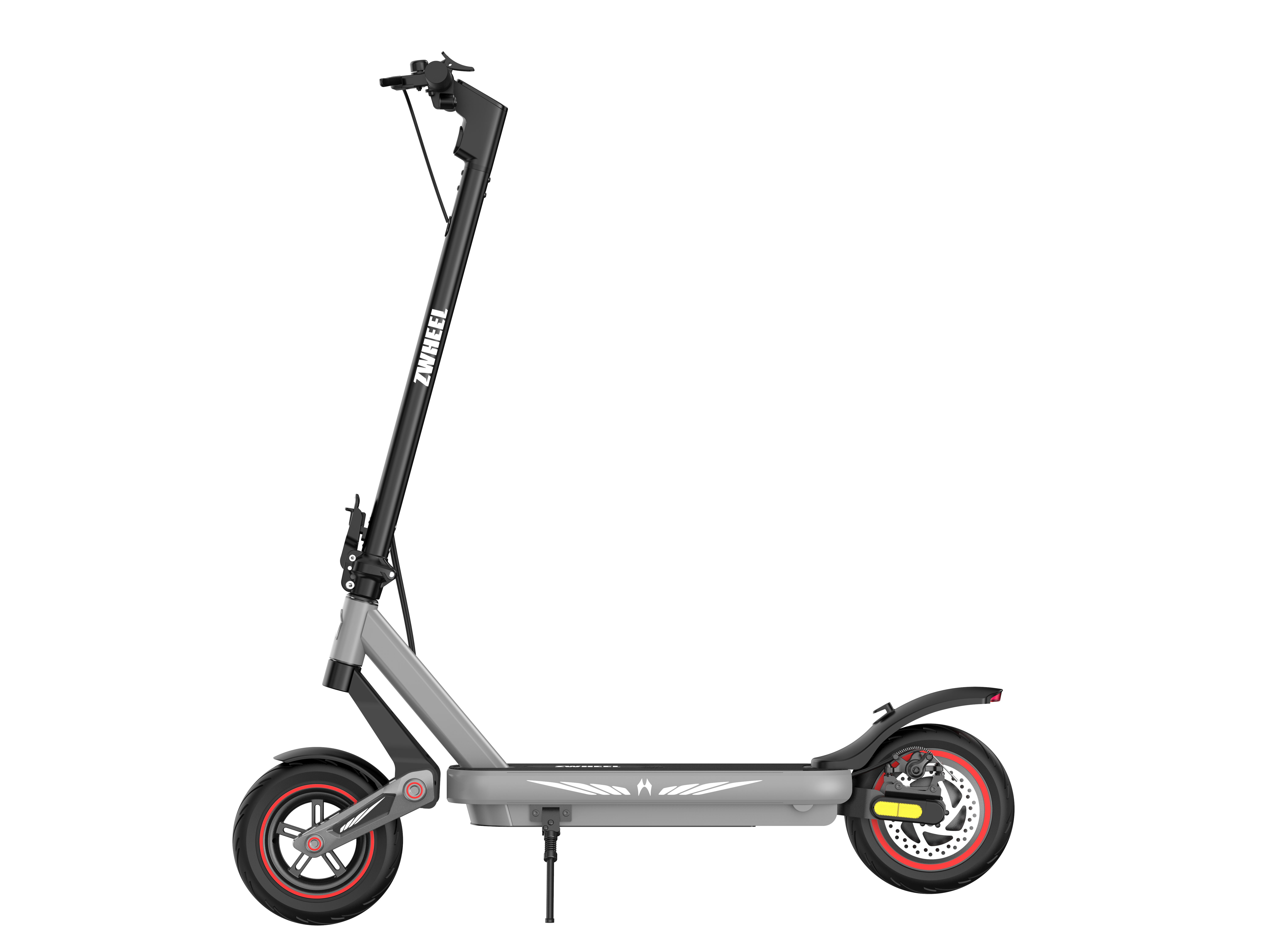
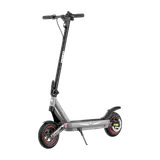
Lithium-ion batteries, which power most modern e-scooters including models like the Zwheel ZSA Plus and Zwheel D3S-S, rely on chemical reactions to generate electricity. Cold slows these reactions. At 32°F (0°C), you can expect a 20–30% reduction in range. At -4°F (-20°C), that reduction can exceed 50%. This is temporary—once the battery warms up, capacity returns—but it means you need to plan shorter trips or charge more frequently.
Practical Battery Care Tips for Winter
- Pre-warm your battery: Store your scooter indoors (above 50°F) before a ride. If you must leave it outside, use an insulated battery cover.
- Charge at room temperature: Never charge a frozen battery. Let it warm up for at least an hour before plugging in.
- Reduce discharge depth: Try not to drain the battery below 20% in cold weather. The voltage sag is more pronounced, and you risk triggering low-voltage cutoff.
- Use a smart charger: Some chargers automatically adjust voltage based on temperature. If yours doesn't, charge at a slower rate (e.g., 2A instead of 5A) to reduce stress.
Traction and Tire Performance in Snow and Ice
Why Standard Tires Lose Grip
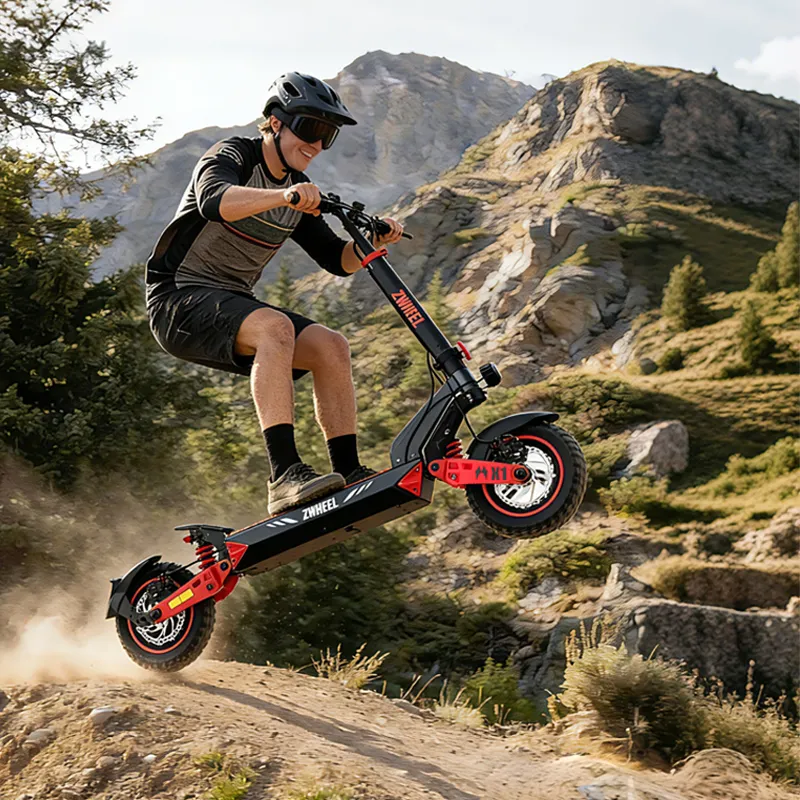
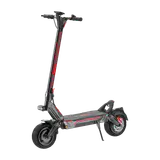
Most electric scooters come with street tires designed for dry or wet pavement. On snow, ice, or packed powder, these tires offer minimal traction. The rubber compound hardens in cold weather, further reducing grip. For winter riding, consider tires with deeper treads or even studded options. If you own an off-road model like the Zwheel ZSB1 (1200W, $599), its knobby tires already provide better traction, but you may still want to lower tire pressure slightly (by 5–10 psi) to increase the contact patch.
Riding Techniques for Slippery Surfaces
- Reduce speed: Cut your usual speed by at least 30% on snowy or icy roads. Sudden acceleration can cause wheel spin.
- Brake gently: Use both brakes smoothly. Many e-scooters have regenerative braking, which can be abrupt in cold conditions—feather the lever.
- Avoid sharp turns: Lean the scooter, not your body, and take corners wide.
- Keep a low center of gravity: Bend your knees slightly and stay relaxed. This absorbs bumps and helps maintain balance.
Rider Comfort and Safety Gear for Winter
Dressing for the Ride
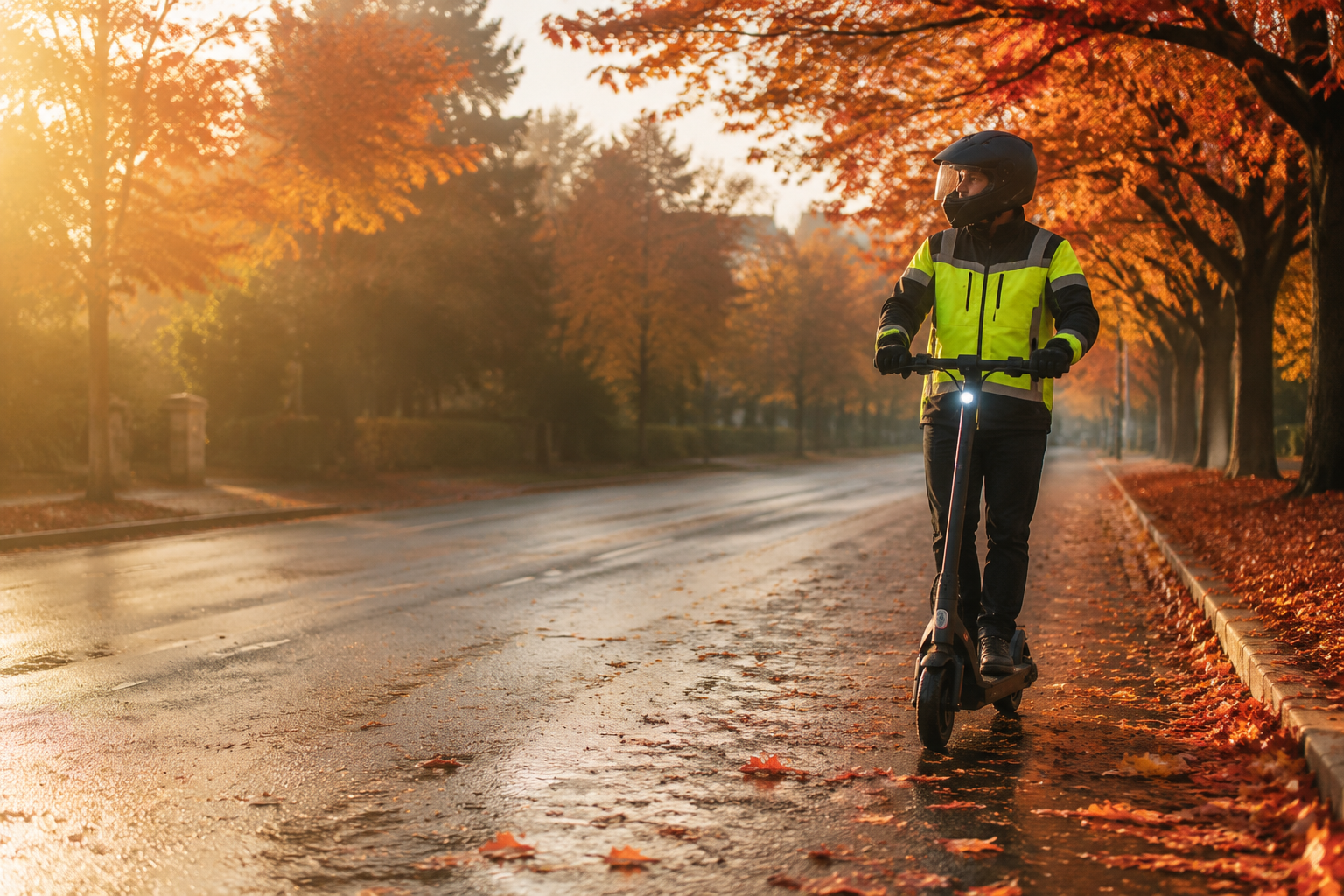
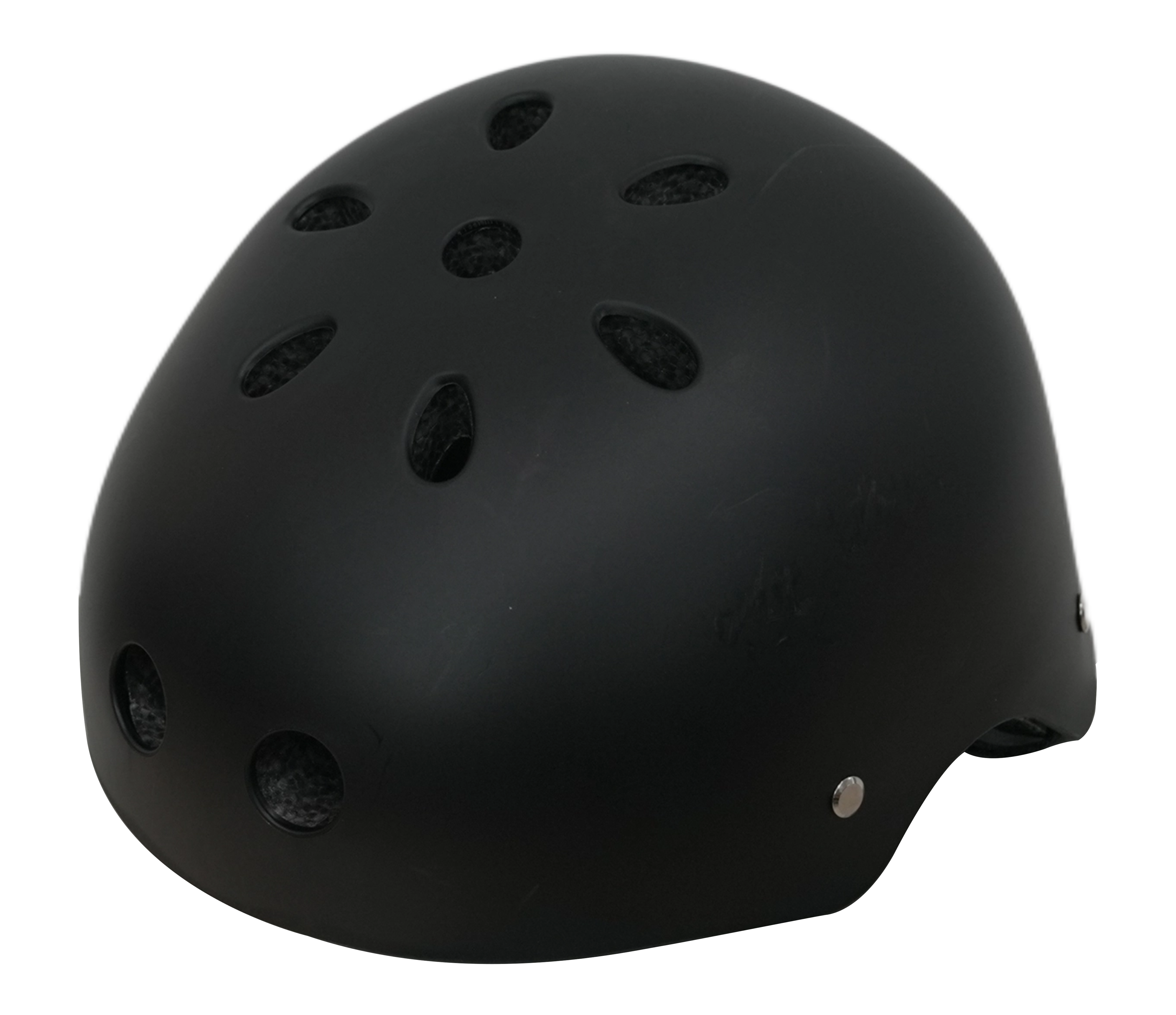
Wind chill at 20 mph can make 30°F feel like 15°F. Layer up: a moisture-wicking base layer, an insulating mid-layer (fleece or down), and a windproof outer shell. Don't forget gloves—your fingers are the first to go numb. Heated gloves or grips are a game-changer. For your head, a full-face helmet or a ski mask under a standard helmet protects your face from frostbite. Visibility is also critical: shorter days mean you're more likely to ride in dusk or dark. Use a bright headlight and taillight, and wear reflective gear.
Recommended Accessories
- Handlebar mitts: These block wind and keep your hands warm without bulky gloves.
- Battery insulation wrap: A neoprene sleeve can help maintain battery temperature during rides.
- Fender mudguards: Wet snow and slush spray up from the front wheel. Extended fenders keep you drier.
Maintenance Checks for Winter Riding
Before Each Ride
- Check tire pressure: Cold air is denser, so tires lose pressure faster. Inflate to the recommended psi (usually 40–50 for street tires).
- Inspect brakes: Wet and icy conditions can cause disc brakes to squeal or lose effectiveness. Clean rotors with isopropyl alcohol if needed.
- Test lights and signals: Visibility is paramount. Make sure your headlight, taillight, and brake light work.
After Each Ride
- Dry the scooter: Wipe down the frame, deck, and battery compartment to prevent rust and corrosion. Salt from roads accelerates metal damage.
- Lubricate moving parts: Use a dry lubricant on the chain (if applicable) and brake pivots. Avoid oil-based lubes that attract dirt.
- Store indoors: Never leave your scooter in an unheated garage or shed. Bring it inside to a climate-controlled space.
Real-World Range Expectations and Planning
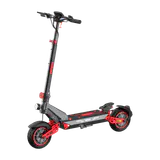
Let's be honest: your 20-mile summer range might become 12–14 miles in winter. Plan your route with charging points in mind. If you commute, consider charging at work. For longer rides, carry a portable charger. For example, the Zwheel ZSE2 (6000W, $1400) has a massive battery, but even it will see a 20–25% range drop in freezing conditions. Always start with a full charge and keep a buffer for unexpected detours or delays.
Frequently Asked Questions
Can I ride my electric scooter in the snow?
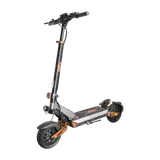
Yes, but with caution. Light snow (up to 1 inch) is manageable with proper tires and technique. Deep snow (2+ inches) can clog the fenders and cause the motor to overheat. Avoid riding in heavy snowfall or on ice unless you have studded tires. Models like the Zwheel ZSD1 (2000W, $800) with off-road tires handle light snow better than street scooters.
How do I store my e-scooter battery in winter?
Store the battery at around 50–60% charge in a dry, indoor environment above 50°F. Never store a fully charged or fully depleted battery in freezing temperatures. If you won't ride for weeks, check the charge monthly and top up if it drops below 30%.
Does cold weather permanently damage my e-scooter battery?
Not if you follow proper care. Temporary capacity loss is normal. However, repeatedly charging a frozen battery or storing it at very low temperatures can cause permanent capacity degradation. Always warm the battery before charging.
What is the best electric scooter for winter riding?
Look for models with IP65+ water resistance, knobby tires, and a powerful motor for climbing snowy hills. The Zwheel ZSD2 (4000W, $900) offers excellent traction and power for winter conditions. For budget-conscious riders, the ZSB1 is a solid choice.
How can I improve traction on ice?
Install studded tires or use tire chains designed for scooters. You can also reduce tire pressure slightly (by 5–10 psi) to increase the contact patch. Ride slowly and avoid sudden movements.
Conclusion: Embrace Winter with Confidence
Winter doesn't have to mean parking your electric scooter. With the right preparation—battery care, tire adjustments, proper gear, and cautious riding—you can enjoy reliable electric scooter winter riding and maintain strong cold weather performance. Remember to adjust your expectations for range and speed, and always prioritize safety. Whether you're commuting or exploring, your e-scooter can be a year-round companion. Stay warm, stay safe, and keep rolling.
Written by
Zwheel Team
Part of the Zwheel editorial team, covering e-mobility trends, product guides, and rider tips.