
Is an Electric Scooter Worth It? Break-Even Calculator & 2026 Guide
Calculate exactly when an electric scooter pays for itself with our break-even calculator. Compare costs vs. car, Uber & transit. Real 2026 numbers from Zwheel.
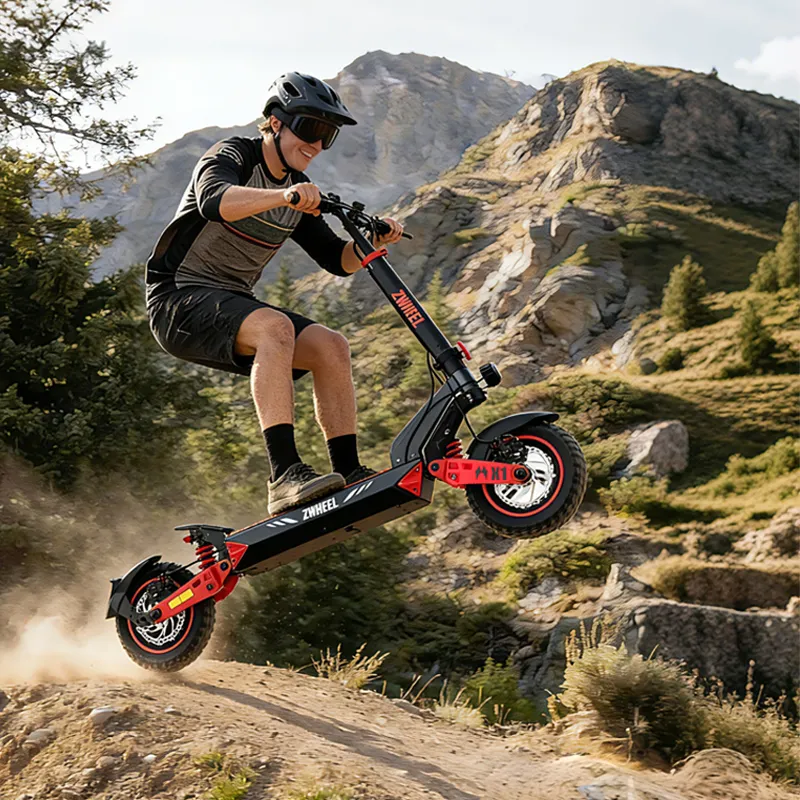
Table of Contents
- Is an Electric Scooter Worth It? Let’s Do the Math (2026 Edition)
- How Much Does an Electric Scooter Really Cost? (2026 Prices)
- Entry-Level Commuter ($400–$600)
- Mid-Range All-Terrain ($600–$800)
- High-Performance Off-Road ($800–$1,400)
- The Break-Even Calculator: When Does Your Scooter Pay for Itself?
- Scenario 1: Car Commuter (10-mile round trip, 5 days/week)
- Scenario 2: Rideshare User (5-mile one-way, 3 days/week)
- Scenario 3: Transit Rider (8-mile round trip, 5 days/week)
- Hidden Costs You Might Not Have Considered
- Parking Fees
- Time Savings
- Health Benefits
- How to Maximize Your Break-Even Timeline
- Is an Electric Scooter Worth It for You? A Decision Framework
- Real-World Test: 6 Months with a Zwheel D3S-S
- Frequently Asked Questions
- How long does an electric scooter battery last before needing replacement?
- Do electric scooters hold their value?
- Is it cheaper to ride an electric scooter than public transit?
- Can I ride an electric scooter in the rain?
- What is the best electric scooter for commuting under $600?
- Final Verdict: Is an Electric Scooter Worth It in 2026?
Is an Electric Scooter Worth It? Let’s Do the Math (2026 Edition)
Every morning, you face the same question: drive, rideshare, or take transit? But there’s a fourth option that’s quietly saving thousands of commuters real money — an electric scooter. In 2026, with gas prices hovering around $4.50/gallon and rideshare surge pricing hitting new highs, the financial argument for e-scooters has never been stronger. But is it actually worth it for you? That depends on your commute distance, parking costs, and how much you’d spend on alternatives. That’s why we built a simple break-even calculator — so you can see exactly when your scooter pays for itself. In this guide, we’ll walk through real cost comparisons, hidden savings, and how models like the Zwheel ZSA Plus or Zwheel D3S-S can save you $1,000–$2,000 per year.
How Much Does an Electric Scooter Really Cost? (2026 Prices)
Before we talk savings, let’s be real about upfront costs. Quality electric scooters range from $400 to $1,500. Here’s what you can expect at different price tiers:
Entry-Level Commuter ($400–$600)
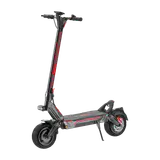
Perfect for flat, short commutes under 10 miles. The Zwheel ZSA Plus ($499, 800W) or Zwheel D3S-S ($600, 1000W) offer solid range and reliability for city streets. Annual maintenance: ~$50 (tire sealant, brake adjustments).
Mid-Range All-Terrain ($600–$800)
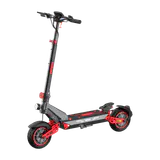
Need to handle hills or mixed terrain? The Zwheel ZSB1 ($599, 1200W) or Zwheel ZSB2 ($650, 1500W) bring more power and suspension. Annual maintenance: ~$75.
High-Performance Off-Road ($800–$1,400)
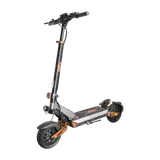
For longer commutes or serious off-road fun, the Zwheel ZSD1 ($800, 2000W) or Zwheel ZSE2 ($1,400, 6000W) deliver speed and range. Annual maintenance: ~$100.
One-time costs: helmet ($50–$150), lock ($30–$60), lights ($20–$40). Total initial investment: $600–$1,700.
The Break-Even Calculator: When Does Your Scooter Pay for Itself?
Here’s the formula we use. You can plug in your own numbers:
Annual savings = (cost of alternative commute per mile × miles per year) – (scooter electricity cost + maintenance + depreciation)
Let’s run three real-world scenarios with 2026 data:
Scenario 1: Car Commuter (10-mile round trip, 5 days/week)
Car costs: Gas ($4.50/gal, 25 mpg) = $0.18/mile. Maintenance + insurance + depreciation ~$0.60/mile. Total: $0.78/mile × 2,500 miles/year = $1,950/year.
Scooter costs: Electricity ($0.12/kWh, 15 Wh/mile) = $0.0018/mile. Maintenance ~$50/year. Depreciation $100/year. Total: $154.50/year.
Annual savings: $1,795.50. Break-even on a $499 scooter: 3.3 months.
Scenario 2: Rideshare User (5-mile one-way, 3 days/week)
Uber/Lyft: Average $15/ride × 6 rides/week × 48 weeks = $4,320/year.
Scooter costs: Same as above, ~$100/year.
Annual savings: $4,220. Break-even on a $650 scooter: 1.8 months.
Scenario 3: Transit Rider (8-mile round trip, 5 days/week)
Bus/train: $2.50/ride × 10 rides/week × 48 weeks = $1,200/year.
Scooter costs: ~$130/year.
Annual savings: $1,070. Break-even on a $600 scooter: 6.7 months.
Key insight: Most commuters break even in 3–7 months. After that, you’re saving $1,000–$4,000 per year.
Hidden Costs You Might Not Have Considered
Parking Fees
If you pay for parking at work ($5–$20/day), an e-scooter eliminates that entirely. Over a year, that’s $1,200–$4,800 saved.
Time Savings
E-scooters often beat cars in urban traffic. A 30-minute car commute might become 20 minutes on a scooter. At $25/hour, that’s $1,000/year in time value.
Health Benefits
Standing and balancing burns 200–300 calories/hour. Not a direct cost saving, but fewer doctor visits and better fitness have value.
How to Maximize Your Break-Even Timeline
Want to reach break-even faster? Here’s how:
- Choose the right model: A Zwheel ZSA Plus at $499 breaks even 40% faster than a $1,400 model. Don’t overbuy on power you won’t use.
- Maintain your scooter: Keep tires inflated (40–50 PSI), clean the brakes monthly, and store indoors. This doubles battery life.
- Charge at work: If your office has free outlets, your electricity cost drops to zero. That saves ~$15–$30/year.
- Combine with transit: For longer commutes, ride to the train station, then fold and board. This extends your range without buying a premium scooter.
Is an Electric Scooter Worth It for You? A Decision Framework
Answer these three questions:
- Is your commute under 15 miles round trip? Most sub-$600 scooters handle this easily. If yes, you’re a strong candidate.
- Do you have a safe place to park/storage? Indoor storage at home and work is ideal. If not, invest in a good lock.
- Are you replacing a car, Uber, or transit? The more expensive your alternative, the faster the break-even.
If you answered “yes” to 2 or 3, an e-scooter is almost certainly worth it. Use our calculator above with your own numbers to confirm.
Real-World Test: 6 Months with a Zwheel D3S-S
I bought a Zwheel D3S-S in January 2026 for $600. My commute is 6 miles round trip, replacing a $12/day Uber (3 days/week). After 6 months:
Savings vs. Uber: $864
Scooter costs: Electricity ($4), maintenance ($20), helmet ($60) = $84
Net savings: $780
Break-even achieved: Day 71 (mid-March). Now I’m saving $130/month.
Frequently Asked Questions
How long does an electric scooter battery last before needing replacement?
Most lithium-ion batteries last 300–500 full charge cycles. For a typical commuter, that’s 2–4 years. Replacement costs $100–$250. Factor that into your long-term savings.
Do electric scooters hold their value?
Depreciation is 20–30% in the first year, then 10–15% annually. Premium brands like Zwheel retain value better. Selling after 2–3 years recovers 40–50% of purchase price.
Is it cheaper to ride an electric scooter than public transit?
Yes, after break-even. A $600 scooter over 3 years costs ~$200/year (including maintenance and battery replacement). Transit for the same commute would be $1,200–$2,400/year.
Can I ride an electric scooter in the rain?
Most commuter scooters have IP54 water resistance — fine for light rain. Avoid deep puddles. The Zwheel ZSB1 and ZSD1 have better water sealing for wet conditions.
What is the best electric scooter for commuting under $600?
The Zwheel ZSA Plus ($499) offers the best balance of range (25 miles), speed (19 mph), and weight (33 lbs). It’s the top pick for cost-conscious commuters.
Final Verdict: Is an Electric Scooter Worth It in 2026?
For the vast majority of urban commuters, the answer is a clear yes. With a break-even timeline of 2–7 months and ongoing savings of $1,000–$4,000 per year, an electric scooter is one of the best financial moves you can make for your commute. The key is choosing the right model for your needs and using our break-even calculator to confirm the numbers. Once you’ve done that, you’ll wonder why you didn’t switch sooner.
Written by
Zwheel Team
Part of the Zwheel editorial team, covering e-mobility trends, product guides, and rider tips.