Lightweight Electric Scooter Under 30 Pounds: 2026 Guide
Looking for a lightweight electric scooter under 30 pounds? Our 2026 guide covers what matters—weight, range, motor power, and top models—so you can commute smarter.
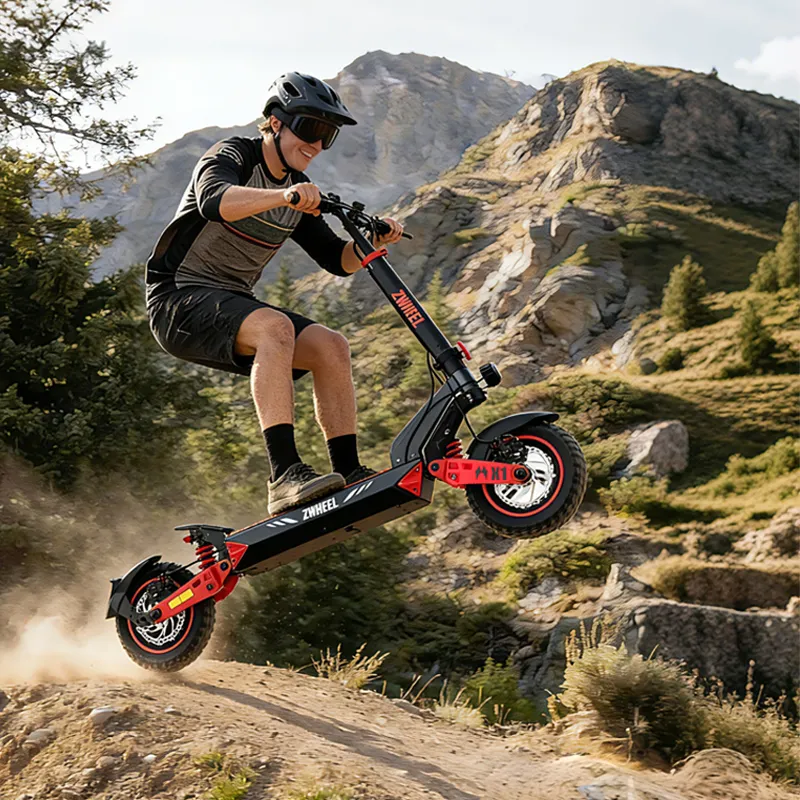
Table of Contents
- Why a Lightweight Electric Scooter Under 30 Pounds Is a Game-Changer in 2026
- What Does "Under 30 Pounds" Actually Mean for Performance?
- Motor Power and Speed
- Battery Range: What's Realistic?
- Build Quality and Materials
- Top Lightweight Electric Scooters Under 30 Pounds in 2026
- 1. Best for Pure Portability: 24–27 Pound Models
- 2. Best Balance of Weight and Power: 28–30 Pound Models
- 3. When to Go Slightly Heavier: Zwheel's Commuter Options
- How to Choose the Right Lightweight Scooter for Your Commute
- Real-World Tips for Living With a Sub-30-Pound Scooter
- Frequently Asked Questions
- Can a lightweight electric scooter under 30 pounds climb hills?
- How fast can a sub-30-pound electric scooter go?
- Are lightweight electric scooters safe for daily commuting?
- What's the best lightweight electric scooter for a 200-pound rider?
- How long do lightweight electric scooter batteries last?
- Final Thoughts: Is a Sub-30-Pound Scooter Right for You?
Why a Lightweight Electric Scooter Under 30 Pounds Is a Game-Changer in 2026
If you've ever wrestled a 50-pound electric scooter onto a crowded train or up a flight of stairs, you know the struggle. That's why the demand for a lightweight electric scooter under 30 pounds has exploded in 2026. As cities double down on micromobility—bike lanes, congestion pricing, and last-mile transit—riders want something they can actually carry, not just roll.
But here's the catch: going lighter usually means sacrificing power, range, or build quality. The good news? Advances in battery technology and motor design have made it possible to get a sub-30-pound scooter that doesn't feel like a toy. In this guide, we'll break down exactly what to look for, how much range you can realistically expect, and which models deliver the best value this year.
What Does "Under 30 Pounds" Actually Mean for Performance?
Thirty pounds (about 13.6 kg) is the sweet spot for portability. At that weight, most adults can carry the scooter with one hand for short distances—think boarding a bus, navigating a subway turnstile, or lifting it into a car trunk. But the physics of a lighter scooter come with trade-offs you should understand before buying.
Motor Power and Speed
Most sub-30-pound scooters use 250W to 500W motors. That's enough for 15–20 mph on flat ground, but you'll feel the limits on steep hills or if you weigh more than 180 pounds. If your commute includes a 10% grade, look for at least 350W of continuous power or a peak rating closer to 700W.
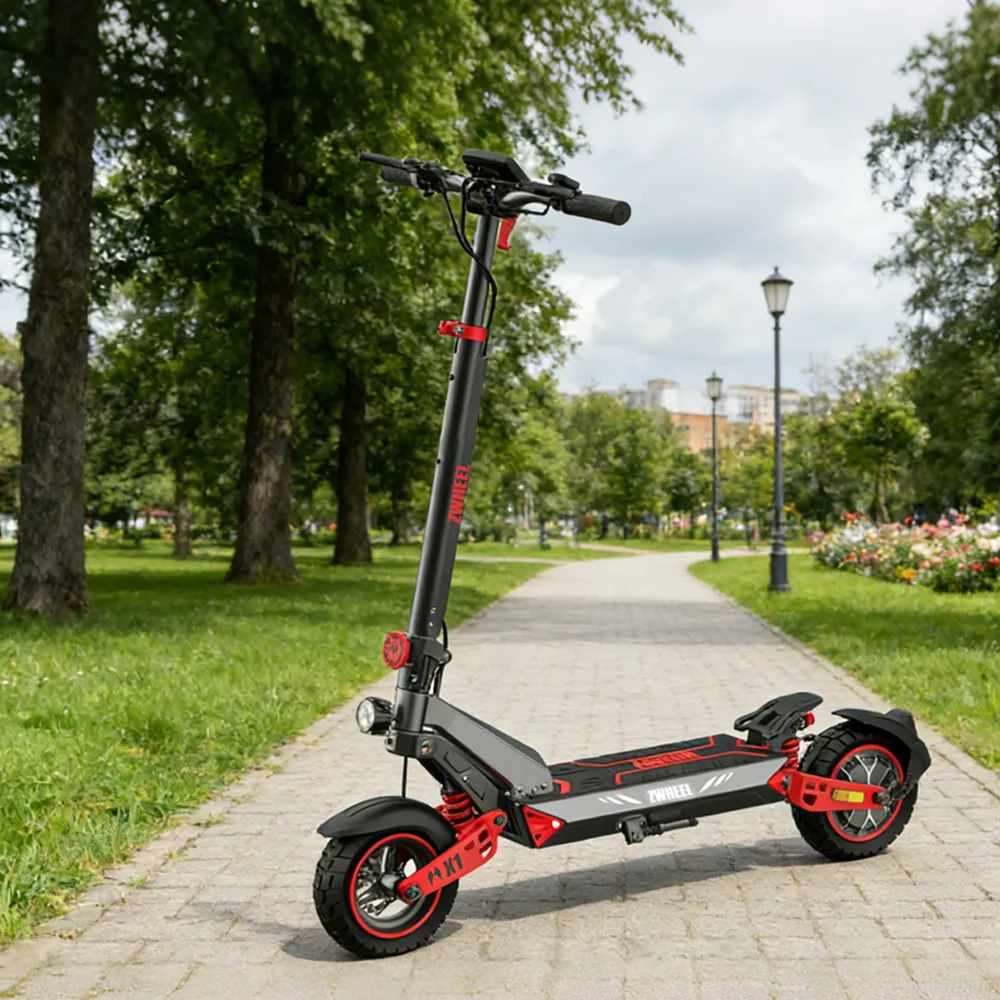
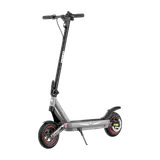
For riders who want a bit more punch without jumping into heavyweight territory, brands like Zwheel offer models that balance weight and power. The Zwheel ZSA Plus (800W, $499) weighs in at a reasonable 35 pounds—slightly over our threshold but worth considering if you can compromise a few pounds for extra torque.
Battery Range: What's Realistic?
Battery capacity is the biggest factor in both weight and range. A 30-pound scooter typically carries a 250Wh to 360Wh battery. In the real world—with stop-and-go traffic, hills, and a 165-pound rider—expect:
- 250Wh: 12–15 miles
- 300Wh: 15–18 miles
- 360Wh: 18–22 miles
Manufacturer claims of "40 miles" usually assume a 120-pound rider in Eco mode on flat ground. Always discount range claims by 30–40% for real commuting.
Build Quality and Materials
To hit sub-30-pound weights, manufacturers use aluminum alloy frames, thinner deck plates, and sometimes carbon fiber components. The trade-off is a lower maximum rider weight—often 220 pounds instead of 265. If you're a heavier rider, you'll want to prioritize frame stiffness over shaving the last two pounds.
Top Lightweight Electric Scooters Under 30 Pounds in 2026
While Zwheel's lineup leans toward more powerful commuter and off-road models, there are several sub-30-pound options on the market. Here's how to evaluate them—and where Zwheel fits if you're willing to go slightly heavier for more capability.
1. Best for Pure Portability: 24–27 Pound Models
These are the ultralights. They typically have 250W motors, 8-inch solid tires, and folding mechanisms that collapse in under 10 seconds. They're perfect for multimodal commutes—scooter to train, train to office. Just don't expect to climb hills or carry heavy groceries.
2. Best Balance of Weight and Power: 28–30 Pound Models
This category is where you'll find the most satisfying rides. Look for 350W–500W motors, 10-inch pneumatic tires (for comfort), and disc or electronic brakes. These scooters can handle 15–18 mph cruising and moderate hills without feeling sluggish.
3. When to Go Slightly Heavier: Zwheel's Commuter Options
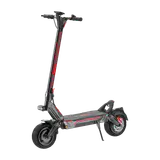
If your priority is a reliable daily commute with more range and power, a scooter in the 35–45 pound range might serve you better. The Zwheel D3S-S (1000W, $600) offers significantly more torque and range than any sub-30-pound scooter, and it still folds for transport. For riders who only occasionally need to carry their scooter, the extra 5–10 pounds is a worthwhile trade for performance.
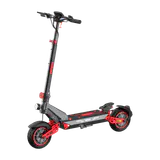
For those who want off-road capability without going full mountain-scooter, the Zwheel ZSB1 (1200W, $599) is a mixed-terrain option that handles gravel and dirt paths. It's heavier, but if your commute includes unpaved shortcuts, it's a smarter choice than a fragile ultralight.
How to Choose the Right Lightweight Scooter for Your Commute
Before you buy, map out your typical journey. Ask yourself:
- How far is my one-way commute? If it's under 8 miles, a 250Wh battery is fine. Over 10 miles, look for 300Wh+.
- Will I carry it up stairs or onto transit? If yes, stay under 30 pounds. If no, you have more options.
- What's the terrain like? Flat bike paths = 250W is enough. Hills = 350W+.
- How much do I weigh? Heavier riders should prioritize motor power and frame strength over minimal weight.
Also consider tire type. Solid tires never flat but transmit every bump. Pneumatic (air-filled) tires are heavier but far more comfortable. For sub-30-pound scooters, 8.5-inch pneumatic tires are a good compromise.
Real-World Tips for Living With a Sub-30-Pound Scooter
Owning a lightweight scooter is different from owning a heavier one. Here are practical tips to get the most out of it:
- Carry it properly: Use the stem as a handle, not the deck. This balances the weight and saves your back.
- Charge smart: Lithium batteries last longer if you keep them between 20% and 80% for daily use. Full charges are fine before long rides.
- Check tire pressure weekly: Under-inflated pneumatic tires kill range and speed. Invest in a small digital gauge.
- Lock it up: Lightweight scooters are easier to steal. Use a quality U-lock through the frame and rear wheel.
- Respect the weight limit: Exceeding the max rider weight stresses the frame and can cause cracks. Know your scooter's limit.
Frequently Asked Questions
Can a lightweight electric scooter under 30 pounds climb hills?
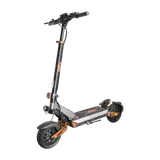
It depends on the motor and your weight. A 350W motor can handle mild hills (5–7% grade) for riders under 160 pounds. For steeper hills or heavier riders, you'll need 500W or more—which usually pushes the weight above 30 pounds. If hills are a daily part of your commute, consider a slightly heavier model like the Zwheel ZSB2 (1500W, $650) for reliable climbing power.
How fast can a sub-30-pound electric scooter go?
Most top out at 15–18 mph. Some 500W models can reach 20 mph, but sustaining that speed drains the battery quickly. For comparison, heavier performance scooters can exceed 30 mph, but they're not designed for easy carrying.
Are lightweight electric scooters safe for daily commuting?
Yes, if you choose one with quality brakes (disc or electronic), pneumatic tires, and a sturdy frame. Avoid no-name brands with vague specs. Stick to reputable manufacturers and always wear a helmet. In 2026, many cities also require lights and reflectors—check local regulations.
What's the best lightweight electric scooter for a 200-pound rider?
Look for a scooter with a maximum load rating of at least 220 pounds and a 350W+ motor. Solid tires are fine, but pneumatic tires will improve comfort. If you can accept a few extra pounds, a 35-pound commuter like the Zwheel ZSA Plus offers better stability and power for heavier riders.
How long do lightweight electric scooter batteries last?
Most lithium-ion batteries last 500–800 full charge cycles, which translates to 2–4 years of daily commuting. To maximize lifespan, avoid extreme temperatures, don't leave it at 0% or 100% for long periods, and store it indoors.
Final Thoughts: Is a Sub-30-Pound Scooter Right for You?
A lightweight electric scooter under 30 pounds is ideal for urban commuters who value portability above all else. It's perfect for short trips, multimodal commutes, and anyone who lives in a walk-up apartment. Just be realistic about range and hill-climbing ability.
If you need more power, range, or off-road capability, don't force yourself into the ultralight category. Zwheel's lineup includes options like the Zwheel ZSD1 (2000W, $800) for riders who want mountain-ready performance. The key is matching the scooter to your actual commute—not just the number on the scale.
Ready to ride? Explore Zwheel's full range of electric scooters and find the one that fits your lifestyle.
Written by
Zwheel Team
Part of the Zwheel editorial team, covering e-mobility trends, product guides, and rider tips.