Riding Electric Scooter with Backpack: Weight Distribution Tips
Learn how to ride an electric scooter with a backpack safely by mastering weight distribution. Discover practical tips for packing, positioning, and adjusting your riding style to stay balanced and stable.
Table of Contents
- Why Weight Distribution Matters When Riding an Electric Scooter with a Backpack
- How Backpack Weight Affects Your Scooter's Balance
- Optimal Backpack Weight for Electric Scooter Riding
- 7 Practical Tips for Better Weight Distribution on Your Scooter
- 1. Use a Backpack with a Sternum Strap and Hip Belt
- 2. Pack Heavy Items Low and Close to Your Back
- 3. Balance the Load Left-to-Right
- 4. Adjust Your Riding Posture
- 5. Slow Down Before Turns
- 6. Use Scooter-Specific Cargo Solutions
- 7. Practice Emergency Braking in a Safe Area
- Common Mistakes Riders Make with Backpacks
- How to Choose the Right Scooter for Carrying Cargo
- Scientific Principles: Center of Gravity and Inertia
- Final Thoughts: Ride Smarter, Not Harder
- Frequently Asked Questions
- Can I ride an electric scooter with a heavy backpack?
- Does a backpack affect electric scooter battery range?
- Should I wear a backpack on both shoulders or one?
- What type of backpack is best for electric scooter riding?
- Can I attach my backpack to the scooter instead of wearing it?
Why Weight Distribution Matters When Riding an Electric Scooter with a Backpack
Riding an electric scooter with a backpack is a common practice for commuters, students, and delivery riders. But did you know that improper weight distribution can significantly affect your stability, handling, and even battery range? When you carry a backpack, your center of gravity shifts, which can make the scooter feel less responsive or even tippy. This is especially true at higher speeds, during turns, or on uneven terrain.
Most electric scooters are designed for a balanced rider with no additional load. Adding a backpack—especially a heavy or unevenly packed one—changes the physics. Your body becomes the fulcrum, and the backpack acts as a pendulum. The key is to keep the weight as close to your body’s natural center of gravity as possible. That means positioning the load low and centered on your back, not high or off to one side.
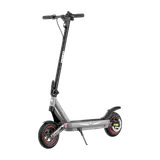
At Zwheel, we design our scooters with stability in mind, but even the best scooter can feel unstable if you’re not managing your backpack properly. For example, the Zwheel ZSA Plus (800W, $499) is a nimble commuter that handles city streets beautifully, but throwing a heavy backpack over one shoulder can make it feel unbalanced. Let’s dive into the science and practical tips to keep you safe and steady.
How Backpack Weight Affects Your Scooter's Balance
When you ride an electric scooter, your body is part of the suspension and steering system. Your arms, legs, and core work together to absorb bumps and maintain direction. Adding a backpack introduces an external load that your muscles must constantly compensate for. Here’s what happens:
- Higher center of gravity: A backpack that sits high on your shoulders raises your overall center of gravity, making the scooter feel top-heavy. This is dangerous during sudden stops or sharp turns.
- Lateral sway: If the backpack is heavier on one side (e.g., a laptop in a side pocket), you’ll naturally lean to compensate, causing the scooter to drift.
- Reduced braking stability: When you brake hard, the backpack’s inertia pushes you forward, potentially causing you to lose grip on the handlebars or even tip over the front wheel.
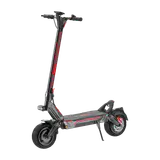
For a real-world example, consider the Zwheel D3S-S (1000W, $600). This commuter scooter has a solid deck and responsive brakes, but if you’re carrying a 15-pound backpack with a water bottle on one side, you’ll notice the scooter pulling to that side during turns. The solution isn’t to buy a heavier scooter—it’s to pack smarter.
Optimal Backpack Weight for Electric Scooter Riding
As a rule of thumb, your backpack should not exceed 10–15% of your body weight. For a 150-pound rider, that’s 15–22.5 pounds. Exceeding this can strain your back and dramatically reduce maneuverability. Here’s a quick reference:
- Light load (under 10 lbs): Minimal impact. Focus on even packing.
- Medium load (10–20 lbs): Noticeable but manageable with proper technique.
- Heavy load (over 20 lbs): High risk. Consider a cargo rack or pannier bag instead.
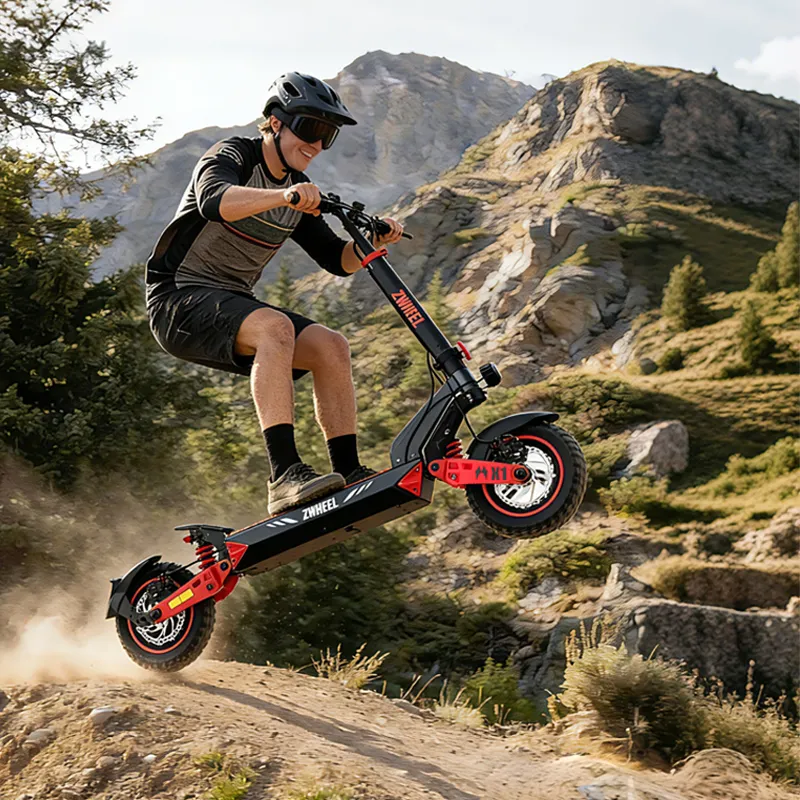
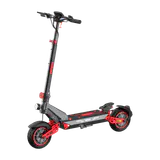
If you frequently carry heavy items like laptops, books, or groceries, you might benefit from a scooter with a more robust frame and suspension. The Zwheel ZSB1 (1200W, $599) is an off-road-capable model that handles mixed terrain and heavier loads better due to its wider deck and stronger motor. But even then, weight distribution is critical.
7 Practical Tips for Better Weight Distribution on Your Scooter
Here are actionable tips you can apply today to improve your riding experience with a backpack:
1. Use a Backpack with a Sternum Strap and Hip Belt
A backpack that moves independently of your body is dangerous. A sternum strap keeps the shoulder straps from sliding off, while a hip belt transfers some weight to your hips—lowering your center of gravity. This simple upgrade can make a 20-pound backpack feel like 10 pounds.
2. Pack Heavy Items Low and Close to Your Back
Place your laptop, water bottle, or tools in the main compartment right against your spine. Avoid putting heavy items in outer pockets or on top. Think of it like a hiking backpack: heavy stuff goes in the middle, close to your body.
3. Balance the Load Left-to-Right
If you carry a laptop on one side, counterbalance with something of similar weight on the other. Even a small imbalance can cause your scooter to pull during turns. Use small pouches or a second water bottle to even things out.
4. Adjust Your Riding Posture
Lean slightly forward when accelerating and slightly back when braking. This counteracts the inertia of the backpack. Keep your knees slightly bent to absorb shocks and maintain a low center of gravity. Think of yourself as a shock absorber for the backpack.
5. Slow Down Before Turns
With a backpack, your turning radius becomes wider and your lean angle more critical. Reduce your speed by 20–30% before entering a turn. This gives you time to adjust your body position and prevents the backpack from swinging out.
6. Use Scooter-Specific Cargo Solutions
If you carry heavy loads regularly, consider a scooter with a built-in cargo rack or use a front basket. The Zwheel ZSD1 (2000W, $800) has a robust frame that can support additional mounting points. Alternatively, use a backpack that clips to the deck or handlebars—but only if it’s designed for that purpose.
7. Practice Emergency Braking in a Safe Area
Find an empty parking lot and practice hard stops with your backpack. Feel how the load shifts and adjust your stance. This builds muscle memory so you react correctly in real traffic. It’s the best investment of 15 minutes you can make.
Common Mistakes Riders Make with Backpacks
Even experienced riders fall into these traps. Avoid them:
- Wearing the backpack on one shoulder: This creates a severe imbalance. Always use both straps.
- Overloading the backpack: More weight means less control. If you can’t fit it in one trip, split the load.
- Ignoring the backpack’s effect on range: A heavy backpack increases rolling resistance and motor load, reducing battery range by up to 15%. Plan your route accordingly.
- Not checking the backpack’s straps before riding: Loose straps can catch on handlebars or wheels. Do a quick pre-ride check.
How to Choose the Right Scooter for Carrying Cargo
While any scooter can handle a backpack, some models are better suited for heavier loads. Look for these features:
- Wider deck: Gives you more foot space to adjust your stance.
- Longer wheelbase: Improves straight-line stability at speed.
- Lower deck height: Lowers your center of gravity.
- Stronger brakes: Disc or drum brakes offer better stopping power with a load.
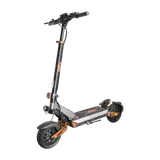
For example, the Zwheel ZSD2 (4000W, $900) has a low deck and powerful hydraulic brakes, making it an excellent choice for riders who carry heavy backpacks on hilly terrain. If you’re a delivery rider or urban commuter, investing in a scooter with these specs can dramatically improve safety.
Scientific Principles: Center of Gravity and Inertia
To truly master weight distribution, understand two concepts: center of gravity (CoG) and inertia. Your CoG is the point where your mass is balanced. Without a backpack, it’s roughly around your navel. With a backpack, it shifts upward and backward. The further it moves, the more unstable you become.
Inertia is the tendency of your backpack to keep moving in its current direction. When you brake, the backpack wants to keep going forward. When you turn, it wants to go straight. By keeping the backpack’s mass low and centered, you reduce the leverage it has on your body. That’s why a hip belt is so effective—it lowers the effective CoG of the combined system.
On a scooter like the Zwheel ZSB2 (1500W, $650), which has a solid all-terrain tire and dual suspension, you’ll feel less of the backpack’s inertia because the scooter itself absorbs more energy. But the principle remains: you are the pilot, and the backpack is your payload. Treat it like one.
Final Thoughts: Ride Smarter, Not Harder
Riding an electric scooter with a backpack doesn’t have to be a balancing act. By following the tips above—packing wisely, using the right gear, and adjusting your riding style—you can enjoy the same stability and control as an unloaded ride. Remember, the goal is to keep the weight close to your body, low, and centered.
Whether you’re commuting on a Zwheel ZSA Plus or tackling trails on a Zwheel ZSD2, good weight distribution is the difference between a smooth ride and a wobbly one. Practice these techniques, and you’ll never think twice about grabbing your backpack before a ride.
Frequently Asked Questions
Can I ride an electric scooter with a heavy backpack?
Yes, but you need to take precautions. Keep the weight under 15% of your body weight, use a backpack with a hip belt, and practice braking and turning in a safe area first. Heavy loads increase stopping distance and reduce maneuverability.
Does a backpack affect electric scooter battery range?
Yes. A heavy backpack increases the motor load, especially on hills, reducing range by up to 15%. If you’re planning a long ride, keep your backpack light or consider a scooter with a higher wattage motor like the Zwheel ZSD2 (4000W).
Should I wear a backpack on both shoulders or one?
Always use both shoulder straps. Wearing a backpack on one shoulder creates an imbalance that can cause the scooter to pull to one side, especially during turns. A sternum strap further stabilizes the pack.
What type of backpack is best for electric scooter riding?
Look for a backpack with a sternum strap, hip belt, and multiple compartments that allow you to distribute weight evenly. Avoid backpacks with bulky outer pockets that can catch wind or snag on handlebars.
Can I attach my backpack to the scooter instead of wearing it?
Some scooters have cargo racks or hook systems, but wearing the backpack is generally safer because it keeps the weight with your body. Attaching it to the scooter can affect handling and may not be secure. If you must, use a dedicated scooter cargo bag designed for that purpose.
Written by
Zwheel Team
Part of the Zwheel editorial team, covering e-mobility trends, product guides, and rider tips.