AI Features in Electric Scooters: Smart Riding in 2026
Learn about the latest AI features in electric scooters that make riding smarter, safer, and more efficient. Zwheel explores adaptive cruise control, collision avoidance, and smart theft prevention in 2026 models.

Inhaltsverzeichnis
- Introduction
- What Are AI Features in Electric Scooters?
- Key Components of AI in E-Scooters
- 1. Adaptive Cruise Control (ACC) and Speed Management
- How It Works
- 2. Collision Avoidance and Emergency Braking
- Automatic Emergency Braking (AEB)
- 3. Route Optimization and Smart Navigation
- Features in 2026
- 4. Theft Prevention and Security
- AI-Based Anti-Theft Features
- 5. Smart Energy Management and Battery Optimization
- How AI Saves Battery
- 6. Rider Assistance and Safety Alerts
- Common Alerts
- 7. Over-the-Air (OTA) Updates and Continuous Improvement
- What's New in 2026
- 8. The Future of AI in E-Scooters: What's Next?
- Potential Developments
- Conclusion
- Frequently Asked Questions
- 1. Do all electric scooters have AI features?
- 2. Can AI features be added to an existing scooter?
- 3. How does AI improve battery life in e-scooters?
- 4. Are AI-powered scooters more expensive?
- 5. Is it safe to rely on AI for braking and navigation?
Introduction
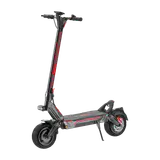
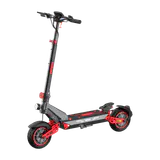
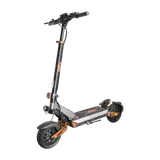
Electric scooters have come a long way from simple throttle-and-brake machines. In 2026, the integration of artificial intelligence (AI) is redefining what it means to ride smart. Whether you're commuting through city traffic or exploring off-road trails, AI features in electric scooters smart riding are now essential for safety, convenience, and performance. In this article, we'll dive into the most innovative AI-driven technologies available today, including adaptive cruise control, collision avoidance, route optimization, and theft prevention. We'll also show you how Zwheel's latest models, like the Zwheel ZSA Plus and Zwheel ZSD2, leverage these features to enhance your ride.
What Are AI Features in Electric Scooters?
AI features in electric scooters refer to the use of machine learning algorithms, sensors, and real-time data processing to automate or enhance riding functions. These features aim to improve safety, efficiency, and user experience. In 2026, AI is no longer a luxury—it's becoming standard in mid-range and premium e-scooters.
Key Components of AI in E-Scooters
Modern AI systems rely on a combination of hardware and software:
- LiDAR and radar sensors for obstacle detection
- Cameras for lane and sign recognition
- GPS and IMU (Inertial Measurement Unit) for navigation and stability
- Cloud connectivity for over-the-air updates and data analytics
These components work together to enable features like adaptive cruise control, automatic emergency braking, and smart energy management.
1. Adaptive Cruise Control (ACC) and Speed Management
One of the most practical AI features is adaptive cruise control, which automatically adjusts your speed to maintain a safe distance from vehicles or obstacles ahead. In 2026, ACC has become more sophisticated, using predictive algorithms to anticipate traffic flow changes.
How It Works
The scooter's sensors constantly monitor the road ahead. If a car slows down or a pedestrian steps into your path, the AI reduces motor output and applies regenerative braking smoothly. This is especially useful in stop-and-go city traffic, reducing rider fatigue.
For example, the Zwheel ZSA Plus integrates a basic form of speed limiting based on GPS zones, but higher-end models like the Zwheel ZSD2 offer full ACC with radar sensors.
2. Collision Avoidance and Emergency Braking
Collision avoidance systems use AI to detect imminent crashes and intervene. In 2026, these systems are more reliable than ever, thanks to deep learning models trained on millions of real-world riding scenarios.
Automatic Emergency Braking (AEB)
When the AI detects a high risk of collision—such as a car suddenly turning into your lane—it engages the brakes automatically, often faster than a human can react. Some systems also provide haptic feedback through the handlebars to alert the rider.
For off-road enthusiasts, the Zwheel ZSD2 includes terrain-aware braking that adjusts stopping power based on surface traction (e.g., gravel vs. pavement).
3. Route Optimization and Smart Navigation
AI-powered navigation goes beyond simple turn-by-turn directions. It learns your riding habits, preferred routes, and even battery consumption patterns to suggest the most efficient path.
Features in 2026
- Dynamic rerouting based on real-time traffic, construction, or weather
- Battery range prediction that accounts for elevation, wind, and your riding style
- Voice commands and heads-up display (HUD) integration
Some scooters now sync with your calendar to suggest departure times and routes to avoid delays.
4. Theft Prevention and Security
AI has revolutionized e-scooter security. In 2026, smart theft prevention systems use GPS tracking, motion sensors, and even facial recognition to protect your investment.
AI-Based Anti-Theft Features
- Geofencing: Alerts you if the scooter moves outside a designated area
- Immobilization: The AI locks the wheels and disables the motor when unauthorized movement is detected
- Predictive theft detection: Analyzes patterns (e.g., unusual tilt, prolonged vibration) to trigger an alarm or send a notification
Many Zwheel models come with built-in GPS and app-based locking, but the Zwheel ZSD2 takes it further with AI-driven anomaly detection.
5. Smart Energy Management and Battery Optimization
AI optimizes battery usage by learning your riding habits and adjusting power delivery accordingly. This extends range and prolongs battery life.
How AI Saves Battery
- Predictive energy distribution: Allocates power to the motor based on upcoming terrain (e.g., more power for hills, less for flats)
- Regenerative braking optimization: Adjusts the intensity of energy recovery based on speed and battery state
- Battery health monitoring: Predicts degradation and recommends optimal charging schedules
For example, the Zwheel ZSA Plus uses a smart BMS (Battery Management System) that balances cells and prevents overcharging, extending battery life by up to 20%.
6. Rider Assistance and Safety Alerts
AI acts as a co-pilot, providing real-time feedback and alerts to improve safety.
Common Alerts
- Blind spot detection: Warns you of vehicles approaching from behind
- Lane departure warning: Vibrates the handlebars if you drift out of your lane
- Fatigue detection: Monitors riding patterns (e.g., erratic steering) and suggests a break
These features are especially valuable for new riders or those commuting in heavy traffic.
7. Over-the-Air (OTA) Updates and Continuous Improvement
AI features in electric scooters are not static. With OTA updates, manufacturers can add new capabilities, improve existing algorithms, and fix bugs without requiring a service visit.
What's New in 2026
- Adaptive learning: The scooter's AI improves its performance based on your riding data over time
- New safety features: Added via firmware updates, e.g., pedestrian detection after initial purchase
- Performance tuning: Adjust motor response, suspension, and braking profiles to match your preferences
Zwheel offers OTA updates for all its connected models, ensuring your scooter stays current for years.
8. The Future of AI in E-Scooters: What's Next?
Looking ahead, AI will enable even more advanced capabilities:
Potential Developments
- Fully autonomous riding: While not yet legal on public roads, self-driving e-scooters are being tested in controlled environments
- Voice-controlled assistants: Integrated with smart home ecosystems (e.g., “Scooter, navigate to the nearest charging station”)
- Health monitoring: Sensors that track rider heart rate, posture, and fatigue
The Zwheel ZSD2 already includes some of these advanced sensors, and future models will push the envelope further.
Conclusion
AI features in electric scooters smart riding are transforming how we commute, explore, and stay safe. From adaptive cruise control and collision avoidance to smart energy management and theft prevention, these technologies make every ride more enjoyable and secure. As we move through 2026, the integration of AI will only deepen, making e-scooters smarter than ever. Whether you're a daily commuter or an off-road adventurer, investing in a scooter with AI capabilities—like those from Zwheel—is a step toward the future of personal mobility.
Frequently Asked Questions
1. Do all electric scooters have AI features?
No, AI features are typically found in mid-range to premium models. Entry-level scooters may have basic sensors, but full AI capabilities like adaptive cruise control and collision avoidance are reserved for higher-end models like the Zwheel ZSD2.
2. Can AI features be added to an existing scooter?
In most cases, no. AI features require specific hardware (sensors, processors, connectivity modules) that are integrated during manufacturing. However, some aftermarket accessories (e.g., smart helmets or GPS trackers) can add limited functionality.
3. How does AI improve battery life in e-scooters?
AI optimizes energy use by predicting terrain and adjusting power delivery. It also fine-tunes regenerative braking and monitors battery health to prevent degradation, potentially extending range by 10–20%.
4. Are AI-powered scooters more expensive?
Yes, but the cost gap is narrowing. In 2026, you can find AI-equipped scooters starting around $600, like the Zwheel D3S-S, while premium models with full sensor suites cost $800–$1400.
5. Is it safe to rely on AI for braking and navigation?
AI systems are designed to assist, not replace, the rider. While they significantly enhance safety, you should always remain attentive and ready to take manual control. Manufacturers test these features rigorously, but technology is not infallible.
Geschrieben von
Zwheel Team
Teil des Zwheel-Redaktionsteams mit Fokus auf E-Mobilität, Produktleitfäden und Fahrtipps.