The Essential Guide to Electric Scooter Knee Pads and Elbow Pads
Protect yourself while riding your electric scooter with the right knee and elbow pads. This guide covers types, materials, sizing, and practical advice for staying safe without sacrificing comfort.

Inhaltsverzeichnis
- Why Knee and Elbow Pads Matter for Electric Scooter Riders
- Types of Knee Pads and Elbow Pads for Electric Scooters
- Hard Shell vs. Soft Shell
- Slip-On vs. Strap-On
- Integrated vs. Separate
- How to Choose the Right Knee and Elbow Pads
- Fit and Sizing
- Material and Durability
- Ventilation and Breathability
- Practical Tips for Wearing and Maintaining Your Pads
- Wear Them Correctly
- Break Them In
- Clean After Every Ride
- Replace When Needed
- Top Features to Look for in 2026
- Real-World Recommendations
- FAQ: Electric Scooter Knee and Elbow Pads
- Do I really need knee pads for an electric scooter?
- Can I use skateboard pads for my electric scooter?
- How should knee pads fit?
- Are elbow pads as important as knee pads?
- How often should I replace my pads?
- Conclusion: Ride Safely with the Right Gear
Why Knee and Elbow Pads Matter for Electric Scooter Riders
Riding an electric scooter is a blast, but it comes with inherent risks—especially for your knees and elbows. These joints are the first to hit the pavement in a fall, and without proper protection, a simple spill can lead to painful scrapes, bruises, or even fractures. Electric scooter knee pads and elbow pads are not just accessories; they are essential safety gear that can make the difference between a minor scare and a serious injury.
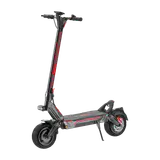
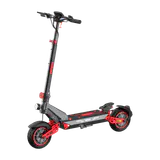
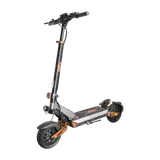
As more people commute on scooters like the Zwheel ZSA Plus (800W, $499) or the Zwheel D3S-S (1000W, $600), the need for reliable protective gear has grown. In 2026, the market offers a wide range of options, from budget-friendly basic pads to high-tech gear with impact-absorbing gels. This guide will help you choose the right pair for your riding style, budget, and body.
Types of Knee Pads and Elbow Pads for Electric Scooters
Not all pads are created equal. Understanding the different types will help you make an informed decision.
Hard Shell vs. Soft Shell
Hard shell pads feature a rigid outer plastic cap over foam padding. They offer excellent protection against sharp impacts and are ideal for off-road or high-speed riding (e.g., on a Zwheel ZSB2 at 1500W). Soft shell pads use flexible foam or gel and are more comfortable for everyday commuting. They are less protective but allow greater freedom of movement.
Slip-On vs. Strap-On
Slip-on pads are worn like sleeves and stay in place with elastic compression. They are great for low-speed city rides. Strap-on pads use Velcro straps for a customizable fit and are easier to take on and off, making them popular for shared scooters or quick trips.
Integrated vs. Separate
Some riders prefer integrated knee and elbow pads that come as a set, ensuring matching protection. Others buy separate pads to mix and match based on their specific needs (e.g., heavier knee protection for aggressive riding).
How to Choose the Right Knee and Elbow Pads
Selecting the perfect pair involves considering fit, material, and your riding environment.
Fit and Sizing
Measure the circumference of your knee (mid-patella) and elbow (mid-joint) while slightly bent. Most brands provide size charts: Small (12-13 inches knee), Medium (13-14.5 inches), Large (14.5-16 inches), and XL (16+ inches). A snug fit prevents slipping without cutting off circulation. Always try pads with the clothing you plan to wear underneath.
Material and Durability
Look for pads with CE-certified impact protection (EN 1621-1 standard). Outer shells made of polycarbonate or ABS plastic are durable, while inner linings of neoprene or breathable mesh improve comfort. Avoid cheap foam that compresses after a few falls—invest in quality that lasts.
Ventilation and Breathability
If you ride in warm weather, choose pads with perforated shells or mesh panels. Many modern pads use moisture-wicking fabrics to keep you cool during long commutes. For winter, thicker neoprene pads provide insulation.
Practical Tips for Wearing and Maintaining Your Pads
Getting the most out of your protective gear requires proper use and care.
Wear Them Correctly
Position knee pads so the hard cap covers your kneecap, with the top edge 2-3 inches above the knee. Elbow pads should cover the point of the elbow and extend a few inches up and down. Adjust straps so the pad doesn't rotate during movement.
Break Them In
New pads may feel stiff. Wear them around the house for 30 minutes before your first ride to soften the material and identify any pressure points.
Clean After Every Ride
Sweat and dirt degrade foam and straps. Wipe down hard shells with a damp cloth and mild soap. Machine-wash soft pads in a delicates bag on cold, then air dry. Never use bleach or fabric softener.
Replace When Needed
Check for cracks, flattened foam, or frayed straps. After a hard impact, replace the pad even if it looks fine—the internal structure may be compromised. Most pads last 1-2 years with regular use.
Top Features to Look for in 2026
The latest protective gear incorporates smart design and advanced materials. Here’s what’s trending this year:
- D3O® Impact Gel: A non-Newtonian material that stays flexible until impact, then hardens to absorb force. Found in premium pads.
- Anti-Slip Silicone Grips: Inner silicone strips keep pads from sliding down, a common frustration.
- Reflective Elements: Built-in reflectors improve visibility during night rides.
- Quick-Release Buckles: Magnetic or snap buckles allow fast removal without fumbling with straps.
These features are especially valuable for riders of high-performance models like the Zwheel ZSD1 (2000W, $800) who need maximum protection without compromising agility.
Real-World Recommendations
Based on rider feedback and expert reviews, here are three excellent options for 2026:
For Commuters: G-Form Pro-X Knee/Elbow Pads. Soft shell, D3O protection, machine washable. Ideal for city rides at speeds up to 20 mph.
For Off-Road Riders: Fox Racing Launch Pro Knee Guards. Hard shell, CE-certified, with a comfortable neoprene sleeve. Built for rough terrain and higher speeds.
Budget Pick: Triple Eight KP 22 Knee Pads. Hard shell, simple strap design, affordable. Good for beginners or occasional riders.
FAQ: Electric Scooter Knee and Elbow Pads
Do I really need knee pads for an electric scooter?
Yes. Even at low speeds (10-15 mph), a fall can cause serious knee and elbow injuries. Pads significantly reduce the risk of cuts, bruises, and fractures. Many riders who skip gear regret it after their first spill.
Can I use skateboard pads for my electric scooter?
Yes, but electric scooter pads are often designed for higher impact speeds. Skateboard pads may lack sufficient padding for scooters that reach 25+ mph. For safety, choose pads rated for cycling or motorsports.
How should knee pads fit?
They should be snug but not tight. The hard cap should sit directly over your kneecap, and the pad should not move when you bend your knee. If you can slide a finger easily under the strap, it's too loose.
Are elbow pads as important as knee pads?
Both are critical. In a fall, you instinctively extend your arms, making elbows vulnerable. Wearing both ensures balanced protection.
How often should I replace my pads?
Replace after a hard impact or if you notice cracks, flattened foam, or loose straps. With regular use, quality pads last 1-2 years. Inspect them monthly for wear.
Conclusion: Ride Safely with the Right Gear
Choosing the right electric scooter knee pads and elbow pads is a simple step that dramatically improves your safety and confidence on the road. Whether you're commuting on a Zwheel ZSA Plus or tackling trails on a Zwheel ZSD2 (4000W, $900), the right protective gear keeps you riding longer and smarter. Invest in quality pads that fit well, suit your riding style, and are easy to maintain. Your knees and elbows will thank you.
Geschrieben von
Zwheel Team
Teil des Zwheel-Redaktionsteams mit Fokus auf E-Mobilität, Produktleitfäden und Fahrtipps.