Electric Scooter Mirrors: Do You Need Them? Safety Guide
Are electric scooter mirrors a safety essential or just an extra accessory? Our guide covers the pros, cons, legal considerations, and practical advice to help you decide if you need them for your daily commute or off-road adventures.
Inhaltsverzeichnis
- Why Even Ask About Electric Scooter Mirrors?
- The Case for Mirrors: Safety First
- Improved Situational Awareness Without Neck Strain
- Reduced Accident Risk
- Legal Requirements in Some Areas
- When You Might Not Need a Mirror
- Types of Electric Scooter Mirrors
- Handlebar-End Mirrors
- Stem-Mounted Mirrors
- Helmet or Wrist Mirrors
- How to Choose the Right Mirror
- Installation Tips for a Secure Fit
- Real Rider Feedback: What Zwheel Owners Say
- Alternatives to Mirrors
- Frequently Asked Questions
- Are electric scooter mirrors legal?
- Do mirrors affect scooter performance?
- Can I install a mirror on any scooter?
- How do I prevent mirror vibration?
- Should I get one mirror or two?
- Conclusion: So, Do You Need Them?
Why Even Ask About Electric Scooter Mirrors?
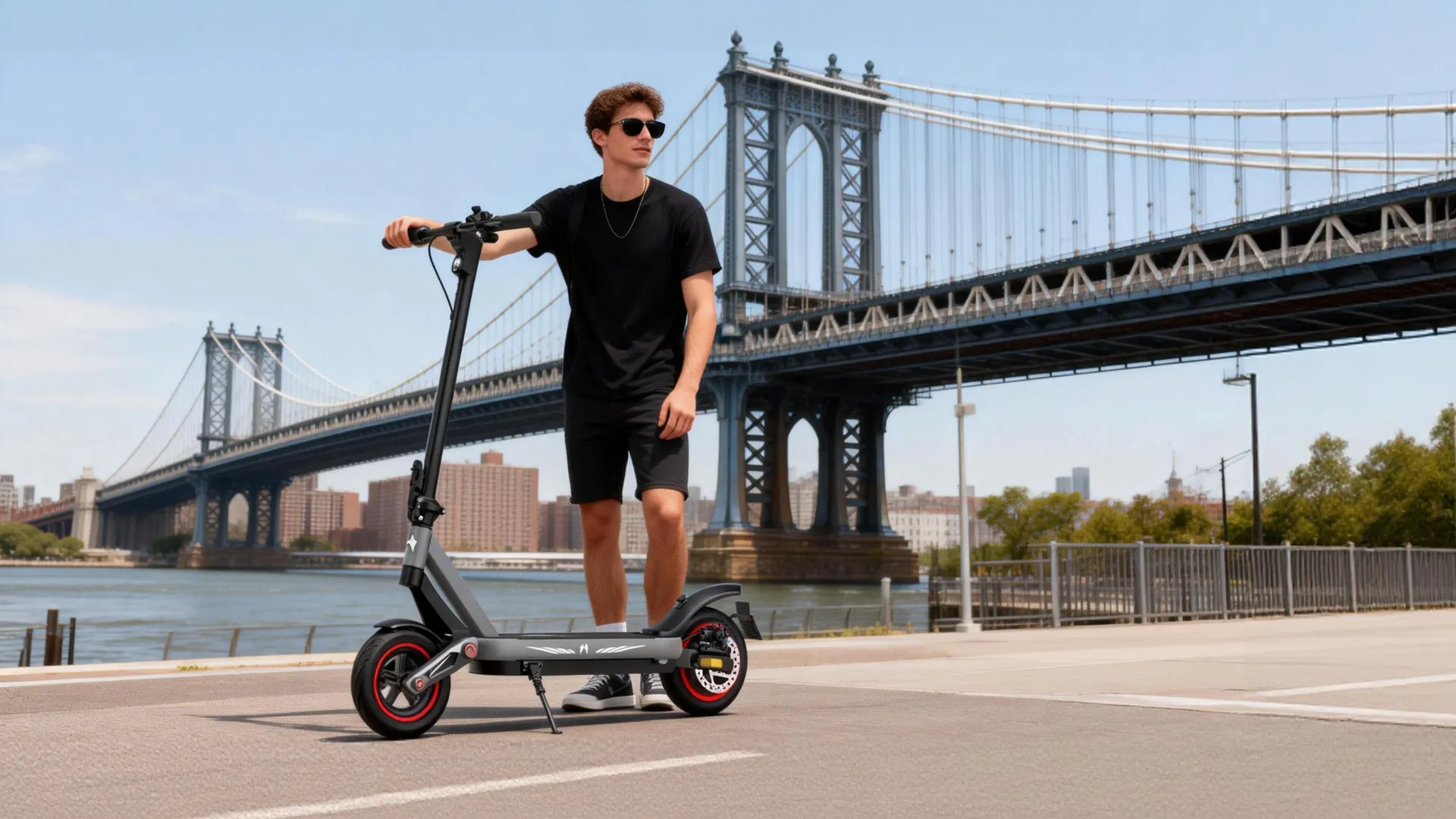
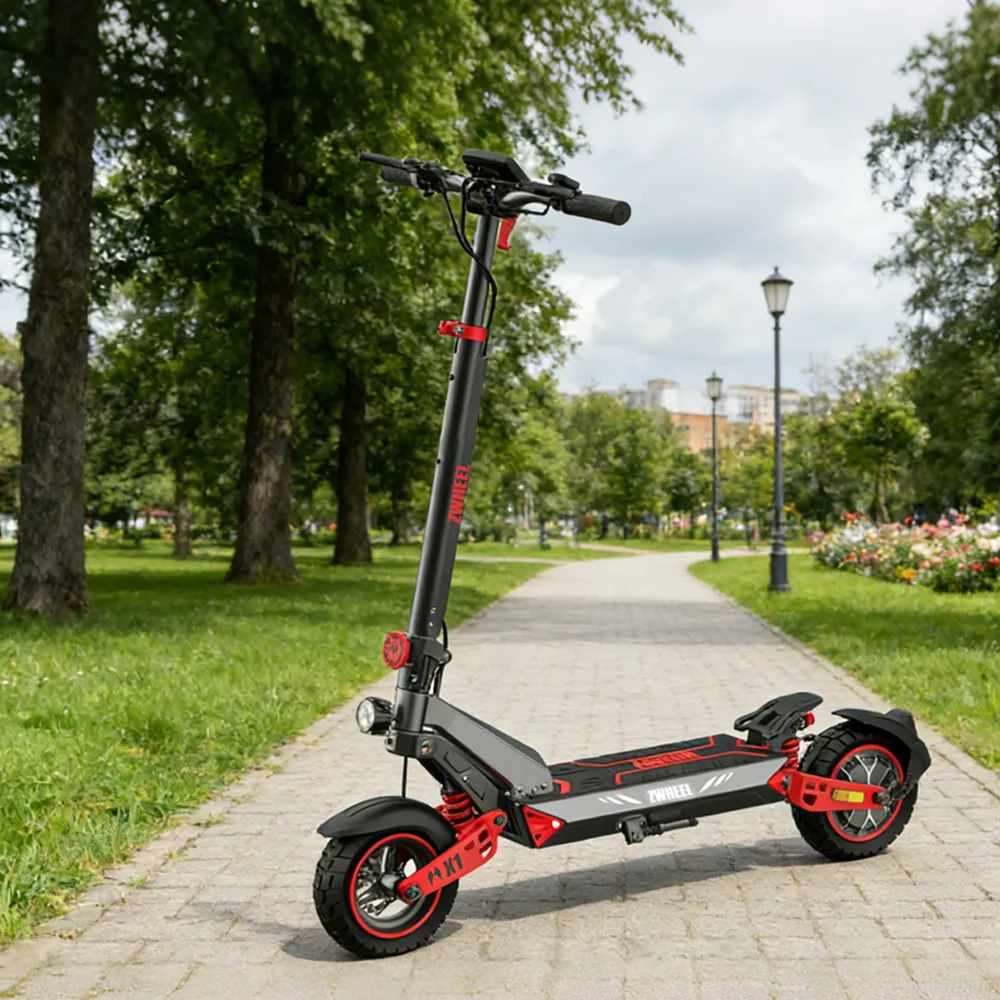
Picture this: you're cruising down a busy city street at 20 mph on your Zwheel ZSA Plus. A car suddenly merges into your lane from behind. Without a mirror, you'd have to twist your head around—breaking your forward focus and potentially swerving into danger. That's the core question behind electric scooter mirrors do you need them—is the added awareness worth the extra hardware?
In 2026, e-scooter ridership has exploded, and so have traffic interactions. More riders are sharing roads with cars, bikes, and pedestrians. Mirrors aren't just for motorcycles anymore. They're becoming a practical tool for scooterists who value situational awareness. But are they mandatory? Let's dive in.
The Case for Mirrors: Safety First
Improved Situational Awareness Without Neck Strain
One of the biggest advantages of a mirror is that you can check traffic behind you without turning your head. This keeps your eyes on the road ahead and your hands on the handlebars. For commuters weaving through traffic, this is a game-changer. A quick glance is all it takes to know if a car is approaching or if a cyclist is about to pass.
Reduced Accident Risk
According to a 2025 study by the National Highway Traffic Safety Administration, nearly 30% of e-scooter accidents involve collisions from behind or sideswipes. Mirrors help you anticipate these scenarios. When you know what's behind you, you can make safer lane changes, turns, and stops.
Legal Requirements in Some Areas
While not universal, some U.S. states and European cities now require mirrors on e-scooters if they exceed certain speeds or have specific features. For example, in California, any scooter capable of over 20 mph may need a mirror in certain counties. Always check your local laws—ignorance can lead to fines.
When You Might Not Need a Mirror
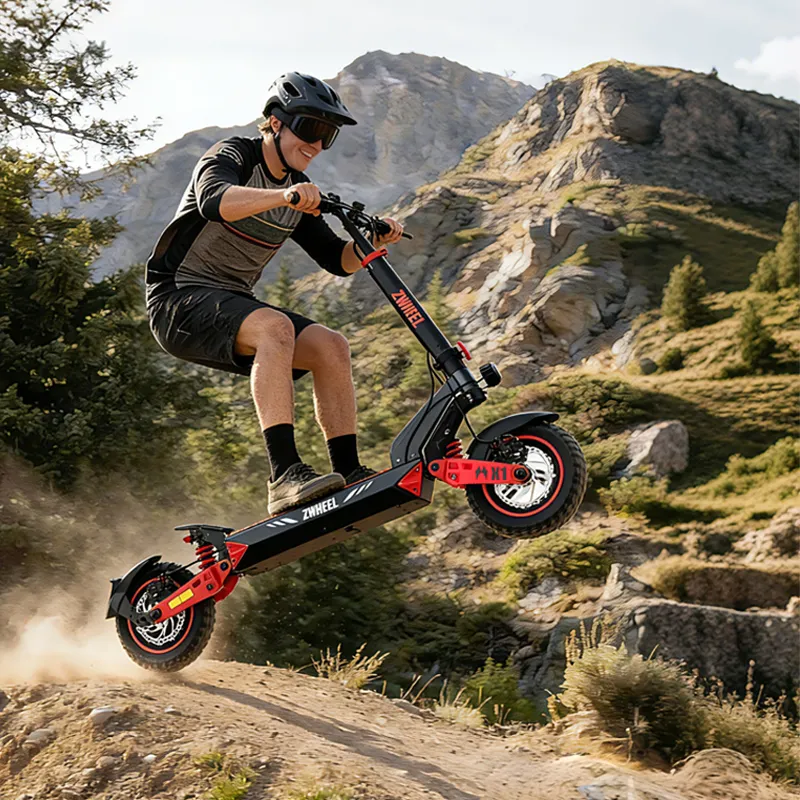
Let's be real: mirrors aren't for everyone. If you only ride on dedicated bike paths or private property at low speeds, the benefit diminishes. Similarly, if your scooter has a 360-degree camera system (rare but emerging), a mirror might be redundant. For off-road riders tackling trails on a Zwheel ZSD1, mirrors can get knocked off or vibrate too much to be useful.
Types of Electric Scooter Mirrors
Handlebar-End Mirrors
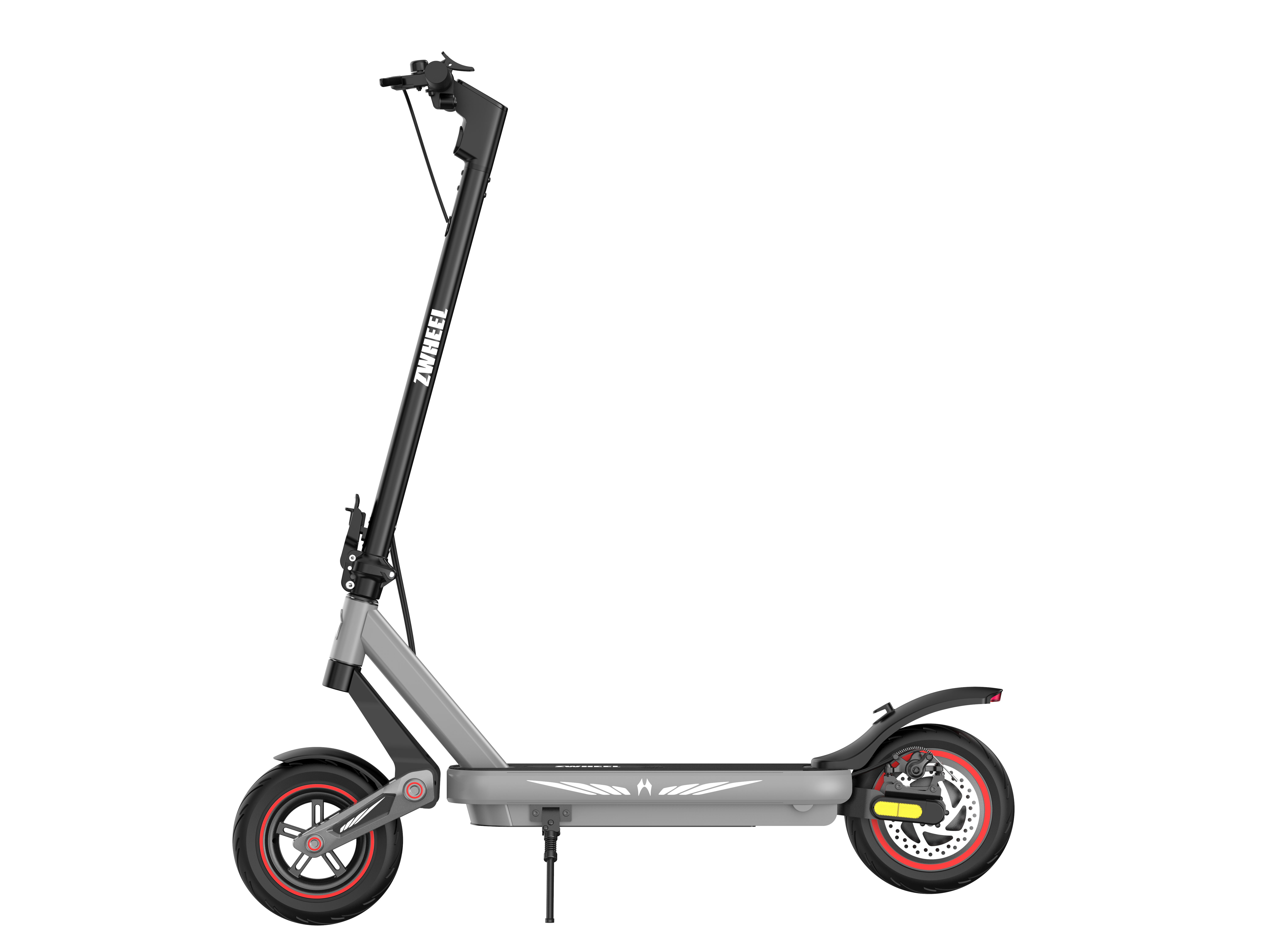
These attach to the end of your handlebar grip. They're popular because they stay out of your line of sight when not in use. They offer a wide field of view and are easy to install. However, they can make your scooter wider, which might be an issue in tight spaces.
Stem-Mounted Mirrors
Mounted on the stem (the vertical tube), these mirrors sit lower and are less obtrusive. They're great for keeping a low profile but may require you to look down more, which can be a split-second distraction.
Helmet or Wrist Mirrors
These are wearable options. Helmet mirrors attach to your visor or side, while wrist mirrors strap onto your arm. They offer flexibility but can be less stable and require getting used to. Not ideal for high-speed riding.
How to Choose the Right Mirror
When shopping for a mirror, consider these factors:
- Field of View: Convex mirrors offer a wider view but objects appear smaller. Flat mirrors give a more accurate distance perception.
- Stability: Look for vibration-dampening features. Cheap mirrors shake at high speeds, making them useless.
- Adjustability: You should be able to tilt and rotate the mirror to your preferred angle without tools.
- Durability: If you ride in rain or rough terrain, get a weatherproof and shatter-resistant mirror.
For commuters on a Zwheel D3S-S, a handlebar-end mirror with a rubberized mount is a solid choice. It stays put at 25 mph and doesn't interfere with folding.
Installation Tips for a Secure Fit
Most mirrors come with universal mounting kits. Follow these steps for a safe install:
- Clean the mounting area thoroughly.
- Use the provided rubber shims to prevent slipping.
- Tighten screws firmly but don't overtighten—you can crack plastic parts.
- Test the mirror by shaking the scooter. If it vibrates, add a rubber washer.
- Adjust the angle while seated in your normal riding posture.
Real Rider Feedback: What Zwheel Owners Say
We polled a few Zwheel owners in our community. Here's what they shared:
"I added a mirror to my ZSA Plus after nearly getting hit by a delivery van. Now I feel 10x safer in traffic." — Mark, Chicago
"I tried a stem mirror, but it kept loosening on bumpy roads. Switched to a handlebar-end and it's perfect." — Elena, San Francisco
"For off-road on my ZSD1, mirrors just get in the way. I rely on head checks and a loud horn." — Jake, Colorado
Alternatives to Mirrors
If you decide mirrors aren't for you, consider these safety tools:
- Bluetooth helmet headsets with voice alerts for hazards.
- Rear-facing cameras that display on your phone or handlebar screen.
- Loud horns or bells to alert others of your presence.
- Bright lights (especially a flashing rear light) to make you more visible.
Ultimately, the best safety device is the one you'll actually use. If a mirror feels like a hassle, skip it. But if it gives you peace of mind, it's worth the investment.
Frequently Asked Questions
Are electric scooter mirrors legal?
It depends on your location. Some states and cities require mirrors on vehicles exceeding certain speeds. Check your local traffic laws. In most places, they're optional but recommended for safety.
Do mirrors affect scooter performance?
No, mirrors add negligible weight (usually under 100 grams) and don't affect speed, battery, or handling. However, they can increase wind resistance slightly at high speeds.
Can I install a mirror on any scooter?
Most scooters with standard handlebars (22–25mm diameter) can accommodate universal mirrors. If you have an unusual stem or handlebar shape, look for custom-fit options or use an adapter.
How do I prevent mirror vibration?
Choose mirrors with rubber or silicone dampeners. Ensure the mount is tight but not over-tightened. Adding a thin rubber washer between the mirror base and handlebar can also reduce vibration.
Should I get one mirror or two?
One mirror on the left side (if you ride on the right side of the road) is usually sufficient for checking traffic. Two mirrors give you full rear coverage but can be overkill for most riders.
Conclusion: So, Do You Need Them?
After weighing the pros and cons, the answer to electric scooter mirrors do you need them is: it depends on your riding environment and personal comfort. If you frequently ride in mixed traffic, commute at higher speeds, or want to minimize neck strain, a mirror is a smart addition. For casual or off-road riders, it might be unnecessary.
What's undeniable is that situational awareness saves lives. Whether you choose a mirror, a camera, or just diligent head checks, being aware of your surroundings is the most important safety habit you can develop. If you do decide to try a mirror, start with an affordable, adjustable model and see how it feels. You might be surprised how much it changes your ride.
Happy and safe riding from all of us at Zwheel!
Geschrieben von
Zwheel Team
Teil des Zwheel-Redaktionsteams mit Fokus auf E-Mobilität, Produktleitfäden und Fahrtipps.