Electric Scooter Night Commute: Essential Accessories
Riding your electric scooter at night? Discover the essential accessories—lights, reflectors, and safety gear—that make your night commute safer and more comfortable.
Inhaltsverzeichnis
- Electric Scooter Night Commute Essential Accessories: Stay Safe After Dark
- Why Night Riding Demands Extra Preparation
- Essential Accessories for Your Electric Scooter Night Commute
- 1. High-Lumen Headlight
- 2. Rear Tail Light with Brake Sensor
- 3. Reflective Vest and Armbands
- 4. Handlebar Mirror
- 5. Helmet with Integrated Lights
- 6. Phone Mount with Power Bank
- 7. Tire Liners and puncture-resistant tires
- 8. Gloves and Weatherproof Gear
- Choosing the Right Scooter for Night Commutes
- Practical Tips for Safer Night Riding
- Frequently Asked Questions
- What is the minimum brightness for a scooter headlight at night?
- Are reflective stickers enough for night visibility?
- Can I use a regular bike light on my electric scooter?
- How often should I replace my scooter's lights?
- What should I do if my scooter breaks down at night?
- Final Thoughts
Electric Scooter Night Commute Essential Accessories: Stay Safe After Dark
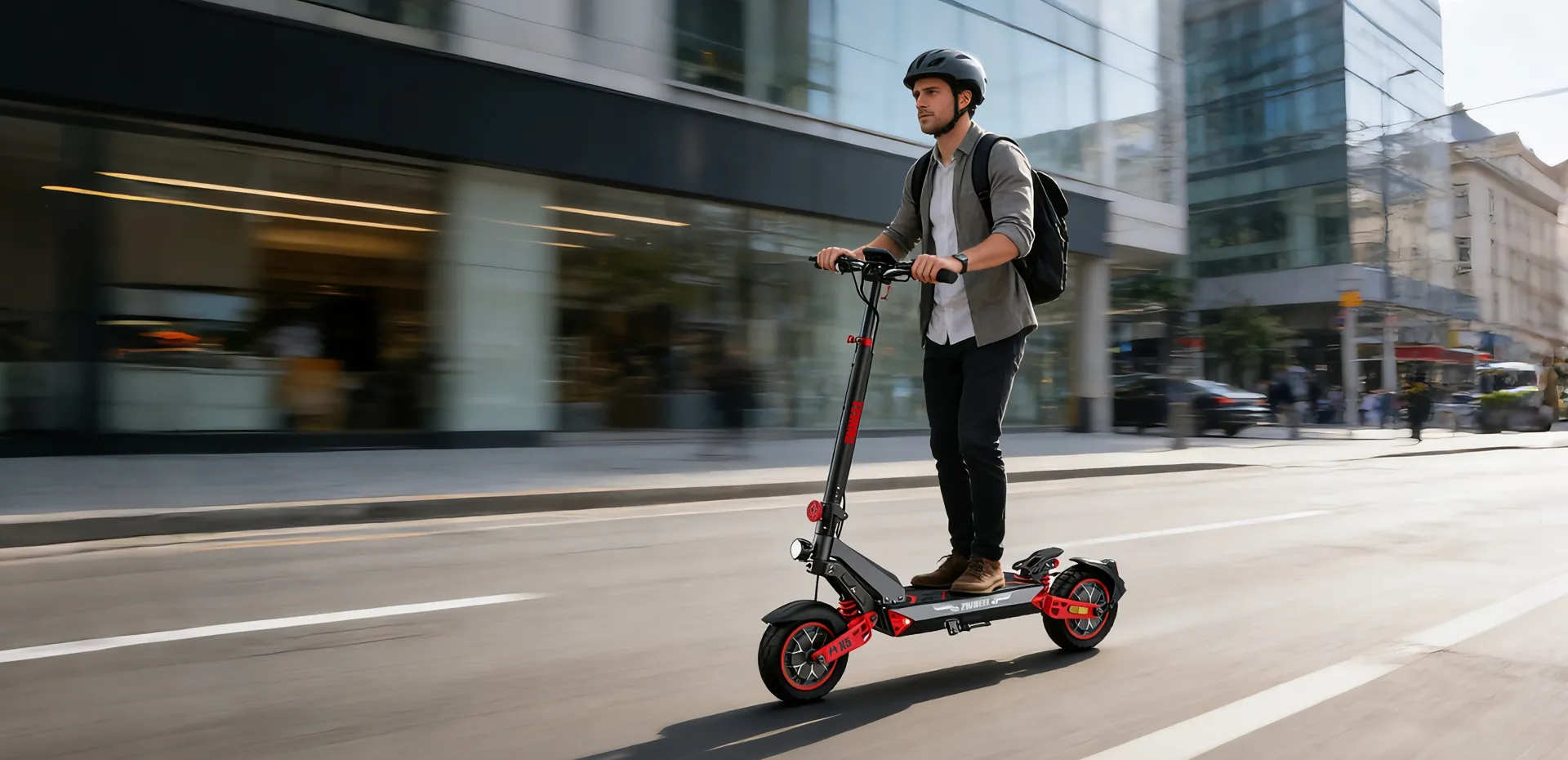
As the days get shorter and more of us find ourselves riding home after sunset, having the right gear for an electric scooter night commute becomes crucial. Whether you're commuting from work, running errands, or just enjoying an evening ride, visibility and safety should never be compromised. In this guide, we'll walk you through the essential accessories that every night rider should have—plus practical tips to make your after-dark journeys safer and more enjoyable.
Why Night Riding Demands Extra Preparation
Riding an electric scooter at night presents unique challenges. Reduced visibility, lower temperatures, and unpredictable road conditions all increase the risk of accidents. According to the National Highway Traffic Safety Administration (NHTSA), pedestrian and cyclist fatalities spike after dark—and scooter riders face similar risks. The good news? A few key accessories can dramatically improve your safety and confidence.
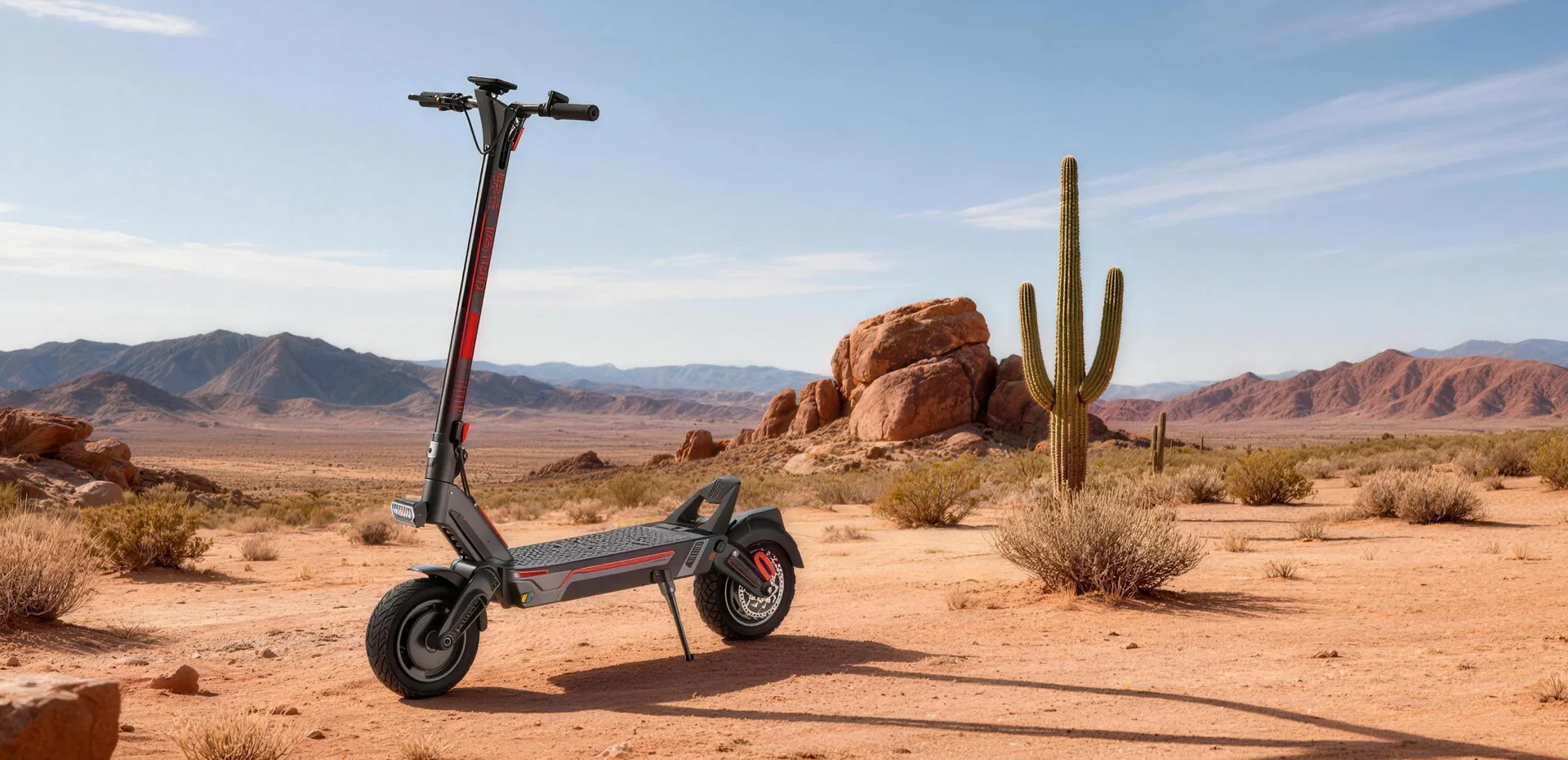
Before we dive into the accessories, it's worth noting that your scooter itself should be up to the task. Models like the Zwheel ZSA Plus come with built-in lights, but adding supplementary gear ensures you're seen from every angle.
Essential Accessories for Your Electric Scooter Night Commute
1. High-Lumen Headlight
Your scooter's stock headlight might be adequate for city streets, but a dedicated high-lumen headlight (at least 500 lumens) is a game-changer. Look for one with multiple brightness modes and a wide beam pattern. Mount it on your handlebars or stem for maximum coverage. Brands like Cygolite and Light & Motion offer reliable options.
Tip: Aim the light slightly downward to avoid blinding oncoming traffic, and choose a model with a built-in rechargeable battery.
2. Rear Tail Light with Brake Sensor
Being seen from behind is just as important as seeing ahead. A bright red tail light with a brake sensor (which flashes when you decelerate) significantly reduces rear-end collision risk. Many commuters pair this with a reflective vest or backpack cover for 360-degree visibility.
3. Reflective Vest and Armbands
Reflective clothing is one of the cheapest and most effective ways to boost your visibility. A lightweight reflective vest can be worn over any jacket, and reflective armbands/ankle bands add movement-based visibility. Look for vests with ANSI/ISEA 107 certification for guaranteed reflectivity.
4. Handlebar Mirror
Checking behind you without turning your head is invaluable at night. A convex handlebar mirror gives you a clear view of approaching traffic. Choose one with a sturdy clamp and adjustable angle—vibration-resistant models are best for scooter riding.
5. Helmet with Integrated Lights
A quality helmet is non-negotiable, but for night riding, consider one with built-in LED lights or reflective stickers. Helmets like the Lumos Matrix offer turn signals and brake lights, making you more predictable to drivers.
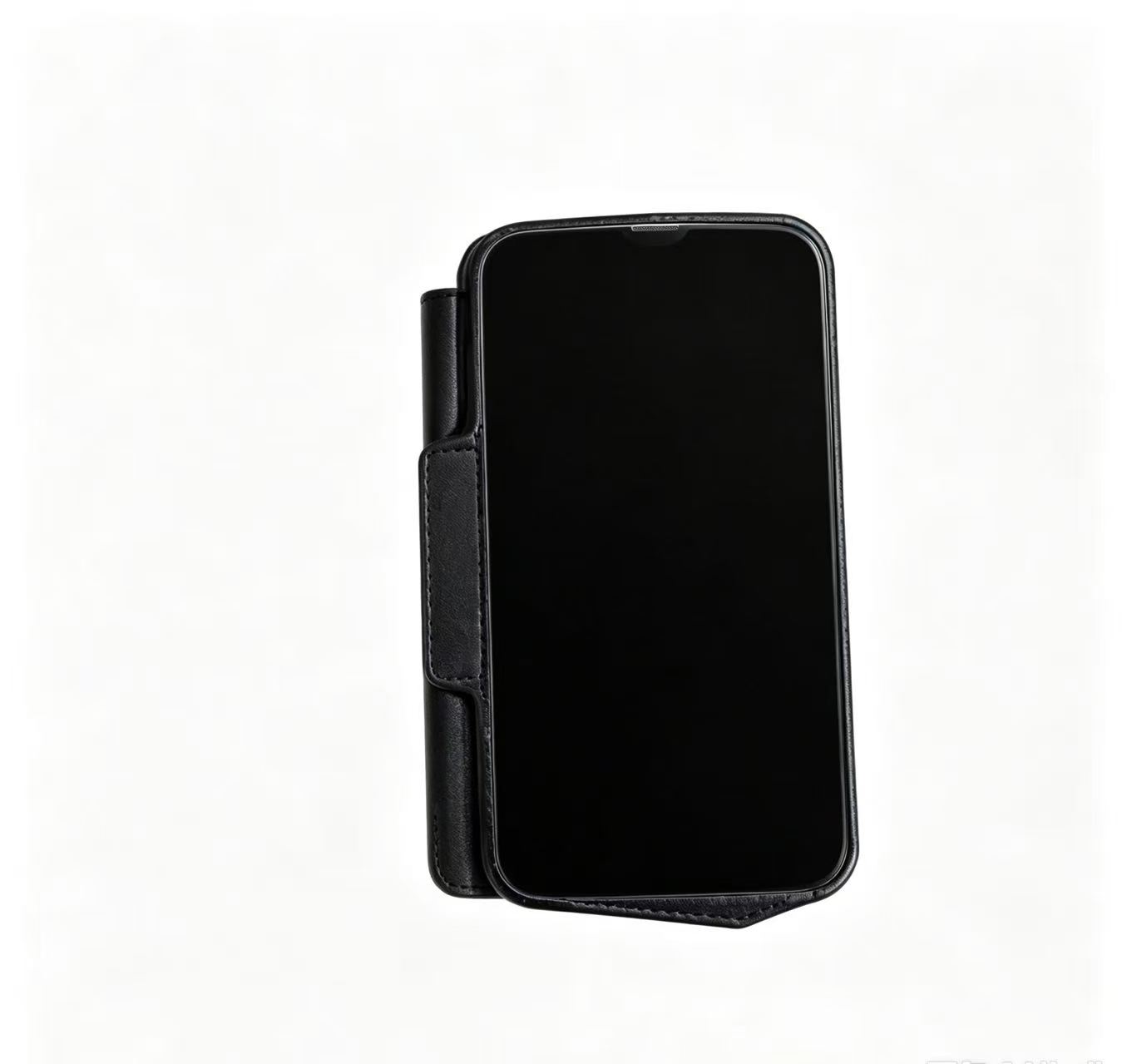
6. Phone Mount with Power Bank
Navigation at night is easier with a secure phone mount, but your phone's battery drains faster when using GPS and a bright screen. A handlebar-mounted power bank keeps your device charged, ensuring you never lose your route or emergency contact access.
7. Tire Liners and puncture-resistant tires
Nighttime road hazards—potholes, glass, debris—are harder to spot. Puncture-resistant tires or tire liners (like Mr. Tuffy) reduce the chance of flats. Also, carry a compact pump and a spare inner tube; fixing a flat in the dark is no fun.
8. Gloves and Weatherproof Gear
Temperatures drop after sunset, so insulated, windproof gloves and a lightweight rain jacket are essential. Look for gloves with touchscreen-compatible fingertips so you can use your phone without exposing your hands to the cold.
Choosing the Right Scooter for Night Commutes
While accessories are crucial, the scooter you ride also matters. For frequent night commutes, consider a model with robust built-in lighting and stable handling. The Zwheel D3S-S features a bright headlight and turn signals, plus a 1000W motor for confident acceleration. If your route includes unlit paths or rough terrain, the Zwheel ZSB2 offers all-terrain tires and a powerful 1500W motor, making it a reliable partner after dark.
Practical Tips for Safer Night Riding
- Plan your route: Stick to well-lit streets and avoid shortcuts through poorly lit areas.
- Reduce speed: Visibility is limited, so ride slower than you would in daylight.
- Stay alert: Avoid distractions like music or phone calls; keep your ears open for traffic.
- Use hand signals: Communicate your intentions clearly, especially when changing lanes.
- Check your gear: Before each ride, test your lights, brakes, and tire pressure.
Frequently Asked Questions
What is the minimum brightness for a scooter headlight at night?
For urban commuting, aim for at least 500 lumens. For unlit roads, 800–1000 lumens is better. Always choose a light with a focused beam to avoid dazzling others.
Are reflective stickers enough for night visibility?
Reflective stickers help but are not sufficient alone. Combine them with active lights (front and rear) and reflective clothing for maximum visibility.
Can I use a regular bike light on my electric scooter?
Yes, most bike lights can be mounted on scooter handlebars with the right bracket. Just ensure the mount is secure and the light is bright enough for your speed.
How often should I replace my scooter's lights?
LED lights typically last for years, but check for dimming or flickering. Replace batteries or the unit if output drops noticeably—usually every 2–3 years with regular use.
What should I do if my scooter breaks down at night?
Carry a basic tool kit, a portable charger, and a backup light. If stranded, move to a safe, well-lit area and call for assistance. Always share your route with someone before riding.
Final Thoughts
Your electric scooter night commute doesn't have to be risky. By investing in the right accessories—lights, reflectors, and safety gear—you can ride with confidence and peace of mind. Remember, visibility is your best defense. And if you're in the market for a scooter that's built for the dark, explore Zwheel's lineup, like the Zwheel ZSE2 for high-performance night rides. Stay safe, stay visible, and enjoy the ride.
Geschrieben von
Zwheel Team
Teil des Zwheel-Redaktionsteams mit Fokus auf E-Mobilität, Produktleitfäden und Fahrtipps.