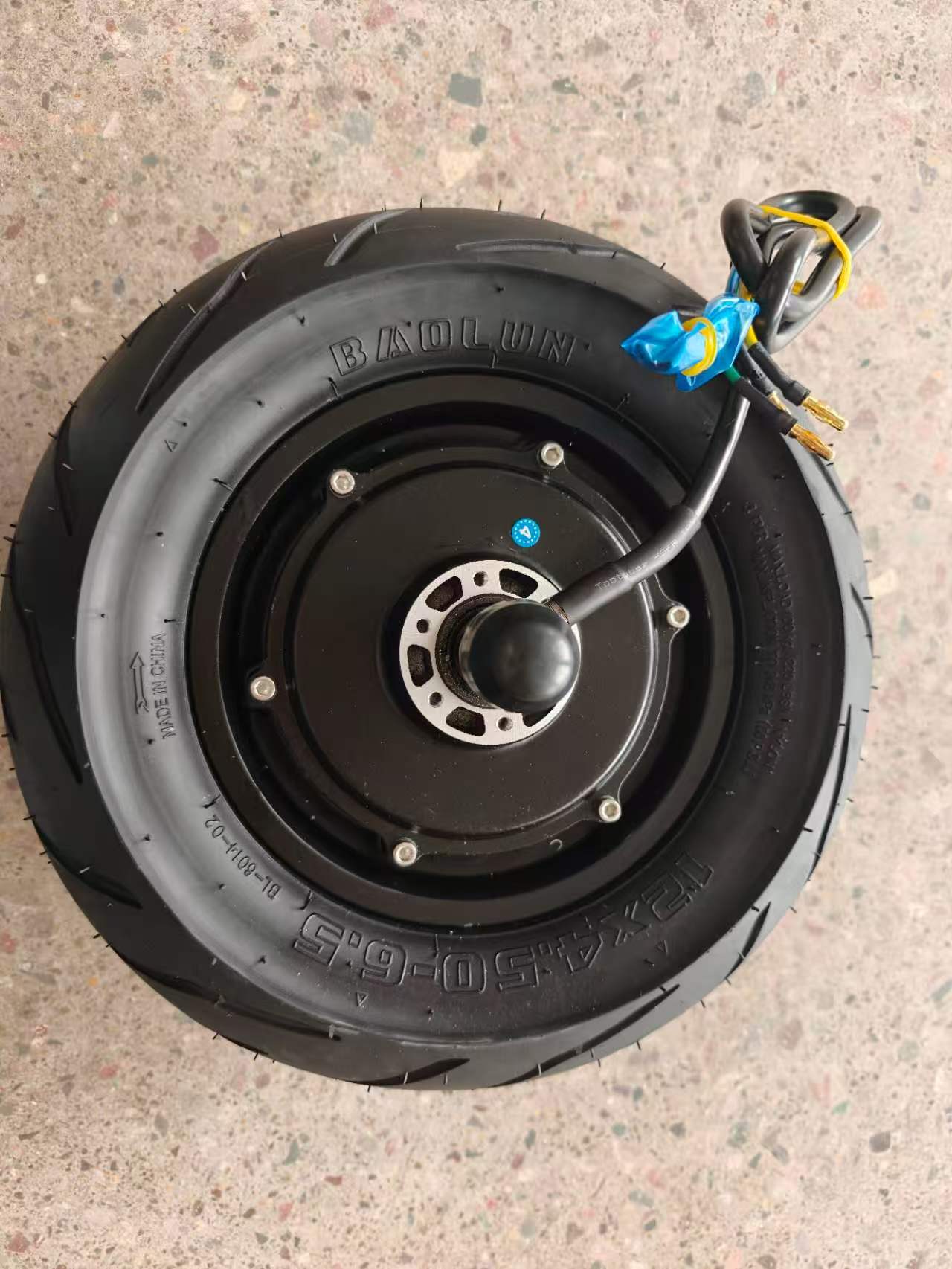
Electric Scooter Top Speed: Do You Actually Need 40 mph?
A 40 mph electric scooter sounds thrilling, but is it practical? We analyze top speeds by use case, legal considerations, and battery trade-offs to help you find the perfect scooter for your needs.

Inhaltsverzeichnis
- Why Everyone Talks About 40 mph Electric Scooters
- What Does 'Top Speed' Really Mean on an Electric Scooter?
- Commuting: How Fast Do You Really Need to Go?
- Off-Road and Trail Riding: When Speed Meets Terrain
- The Case for 40 mph (and When It Makes Sense)
- 1. Long-Distance Commuting on High-Speed Roads
- 2. Pure Thrill and Performance Riding
- 3. Steep Hills and Heavy Riders
- The Hidden Costs of 40 mph: Battery, Weight, and Price
- Legal Limits: Can You Even Ride 40 mph Legally?
- Safety at Speed: Why 40 mph Is Risky on a Scooter
- How to Choose the Right Top Speed for You
- Our Top Picks by Speed Range
- Best Commuter (25 mph)
- Best All-Rounder (30 mph)
- Best Off-Road Performance (35+ mph)
- For the Speed Junkie (45+ mph)
- Frequently Asked Questions
- Is a 40 mph electric scooter legal?
- How much battery does 40 mph use?
- What is a safe top speed for a beginner?
- Can I make my scooter go faster?
- What should I wear when riding at 40 mph?
- Conclusion: Do You Actually Need 40 mph?
Why Everyone Talks About 40 mph Electric Scooters
It's 2026, and electric scooters have evolved far beyond the 15 mph kick-push models of a few years ago. Now, you can buy a scooter that hits 40 mph or more right off the shelf. But do you actually need that kind of speed? The answer depends on how you ride, where you ride, and what you're willing to sacrifice in battery life, safety, and legality.
In this guide, we'll break down the real-world speeds you need for commuting, off-roading, and fun—and help you decide if a 40 mph scooter is worth it or overkill.
What Does 'Top Speed' Really Mean on an Electric Scooter?
Before we dive into whether you need 40 mph, it's important to understand that the advertised top speed is rarely what you'll achieve in everyday riding. Top speed is measured under ideal conditions: a fully charged battery, a lightweight rider (around 150 lbs), flat ground, and no wind. Add hills, a heavier rider, or a low battery, and your actual speed can drop by 20–30%.
For example, a scooter rated at 40 mph might only reach 32–35 mph on a typical commute with a 180 lb rider and a slight incline. So when you're comparing models, look at the sustained speed, not just the peak.
Commuting: How Fast Do You Really Need to Go?
If you're using your scooter for daily commuting in a city, your top speed needs are much lower than you might think. Most urban speed limits are 25–35 mph, and you'll rarely be able to go faster than that in traffic. In fact, riding at 40 mph in a city can be dangerous—you have less time to react to cars, pedestrians, and potholes.
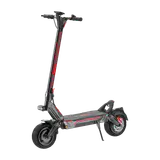
For a commuter scooter, a top speed of 20–28 mph is ideal. It gets you to work quickly without feeling unsafe. The Zwheel ZSA Plus (800W, 25 mph top speed) is a perfect example of a commuter scooter that's fast enough for city streets but not so fast that it's unwieldy.
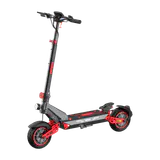
If you have a longer commute or need to keep up with faster traffic, consider a 30 mph scooter like the Zwheel D3S-S (1000W, 30 mph). It gives you a little extra headroom for suburban roads, but you're still in a manageable speed range.
Off-Road and Trail Riding: When Speed Meets Terrain
Off-road riding is a different beast. On trails, you need torque for hills and rough terrain, but top speed is less critical—you'll rarely exceed 25 mph on a rocky path. However, if you're doing mixed riding (some streets, some trails), a scooter that can hit 30–35 mph gives you the versatility to handle both.
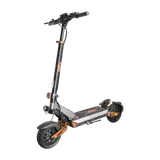
The Zwheel ZSB1 (1200W, 30 mph) is a great all-rounder for mixed terrain. It has enough power for hills and enough speed for the occasional straightaway, all without the bulk and cost of a 40 mph machine.
For dedicated off-roaders who want to tackle steep mountain trails, the Zwheel ZSD1 (2000W, 35 mph) offers that extra punch. But again, you're not going to be hitting 35 mph on a tight switchback—it's more about having the power to climb.
The Case for 40 mph (and When It Makes Sense)
So, who actually needs a 40 mph scooter? There are a few scenarios where it's justified:
1. Long-Distance Commuting on High-Speed Roads
If your commute includes stretches of road where traffic moves at 40–45 mph, a scooter that can hit 40 mph helps you keep up and stay safe. But this is rare—most cities have bike lanes or slower roads.
2. Pure Thrill and Performance Riding
Some riders just want the adrenaline rush. If you're buying a scooter purely for fun, 40 mph is a blast. The Zwheel ZSE2 (6000W, 60 mph) is an extreme example, but even a 40 mph scooter like the Zwheel ZSD2 (4000W, 45 mph) will give you that thrill.
3. Steep Hills and Heavy Riders
If you live in a hilly area or weigh over 220 lbs, a scooter with a higher top speed often has more torque, which helps you maintain speed on inclines. A 40 mph scooter might only do 25 mph up a hill, but that's better than a 25 mph scooter dropping to 12 mph.
The Hidden Costs of 40 mph: Battery, Weight, and Price
Here's the trade-off: to hit 40 mph, you need a bigger motor, a larger battery, and a heavier frame. That means more weight (often 70–100 lbs), a higher price tag, and reduced range if you ride at top speed.
For instance, a 40 mph scooter with a 20Ah battery might only get 15–20 miles of range if you're riding at 40 mph constantly. At 20 mph, that same scooter could go 30+ miles. So, if you need range, you're better off with a lower top speed.
Also, consider portability. A 40 mph scooter is not something you'll want to carry up stairs or onto a train. If you need a scooter for a mixed commute that includes public transit, a lighter 25 mph model is far more practical.
Legal Limits: Can You Even Ride 40 mph Legally?
This is a crucial point that many riders overlook. In most places, electric scooters are classified as low-speed vehicles, and their top speed is legally capped.
- United States: Most states limit e-scooters to 20–28 mph on public roads. Anything faster is often considered a moped or motorcycle, requiring a license, registration, and insurance.
- European Union: The limit is 25 km/h (15.5 mph) for scooters that don't require a license.
- United Kingdom: Legal e-scooters are capped at 15.5 mph.
- Australia: Generally 25 km/h (15.5 mph) on public roads.
So, if you buy a 40 mph scooter, you may not be able to legally ride it anywhere except private land. Before you spend extra money on speed, check your local laws. You might be better off with a scooter that's legal and practical, like the Zwheel ZSB1 (30 mph) which is still fast but more likely to be street-legal in many areas.
Safety at Speed: Why 40 mph Is Risky on a Scooter
Electric scooters have small wheels (typically 8–11 inches), which makes them inherently less stable at high speeds than a bicycle or motorcycle. At 40 mph, a pothole or a gust of wind can easily cause a wobble that leads to a crash. Even with larger 11-inch tires, you're still riding on a platform that wasn't designed for highway speeds.
In addition, at 40 mph, you need to wear full protective gear—helmet, gloves, knee and elbow pads, and perhaps a motorcycle jacket. Most scooter riders don't gear up to that level, which increases the risk of serious injury.
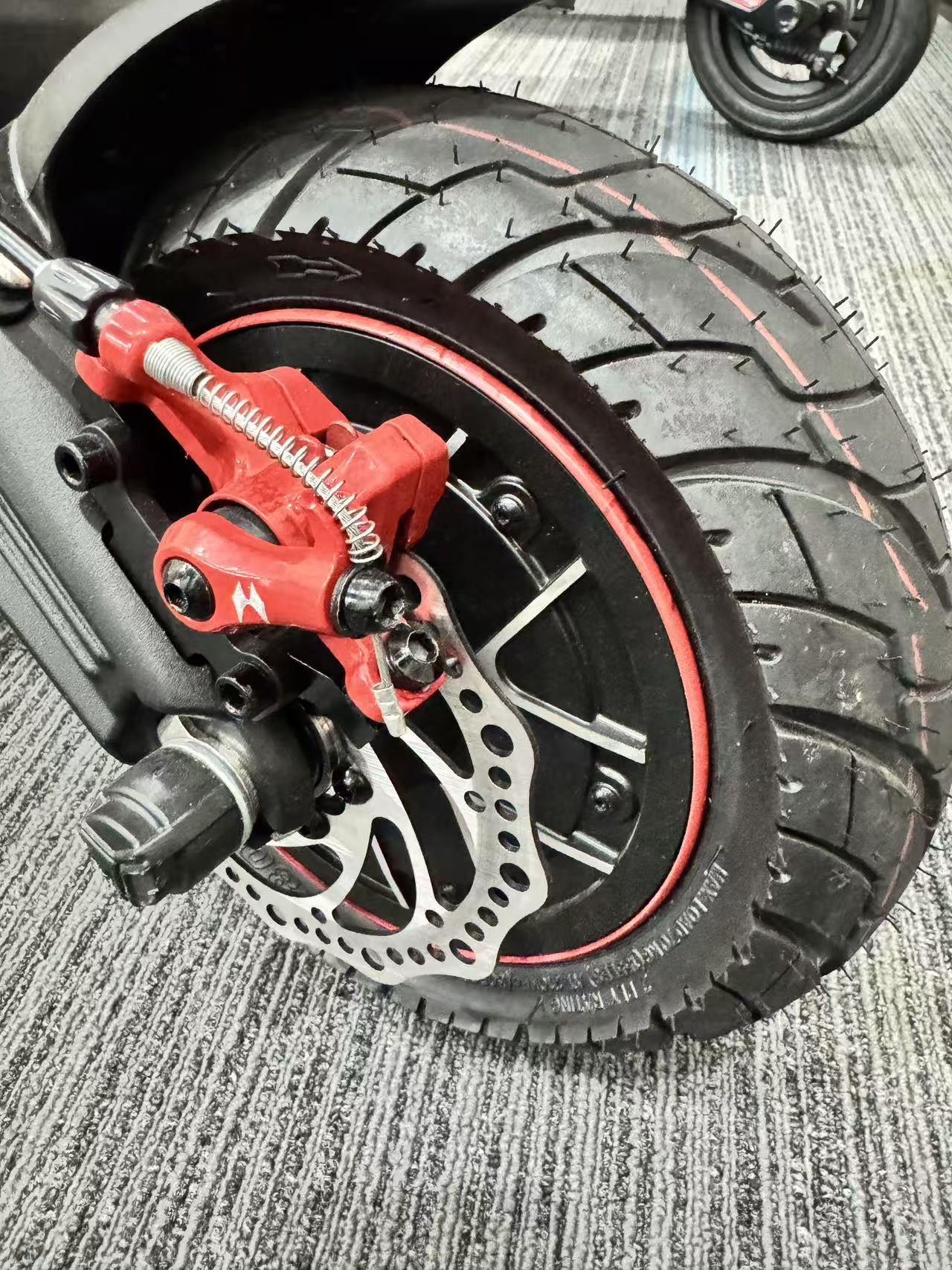
If you do choose a 40 mph scooter, invest in a quality full-face helmet and make sure the scooter has reliable brakes. Look for models with dual hydraulic disc brakes, like the Zwheel ZSD2, which offers excellent stopping power at high speeds.
How to Choose the Right Top Speed for You
Here's a simple guide to help you decide:
- Under 20 mph: Best for casual riders, short trips, and riders who prioritize portability and legal compliance.
- 20–28 mph: Ideal for most commuters. Fast enough to get you there quickly, but still legal in many places and manageable.
- 28–35 mph: Great for experienced riders who need extra speed for longer commutes or mixed terrain. Offers a good balance of performance and practicality.
- 35+ mph: Only for thrill-seekers and off-road enthusiasts who are willing to accept the legal, safety, and battery trade-offs.
Our Top Picks by Speed Range
Best Commuter (25 mph)
The Zwheel ZSA Plus is a fantastic choice for city riding. It's lightweight, has a decent range, and its 25 mph top speed is perfect for urban streets.
Best All-Rounder (30 mph)
The Zwheel D3D-S (1200W, 30 mph) offers a great mix of speed, range, and off-road capability. It's versatile enough for both commuting and weekend trail rides.
Best Off-Road Performance (35+ mph)
If you're serious about off-roading, the Zwheel ZSD1 (2000W, 35 mph) gives you the power to conquer steep hills and rough terrain, while still being manageable on the road.
For the Speed Junkie (45+ mph)
The Zwheel ZSD2 (4000W, 45 mph) is for those who want maximum performance. Just remember: with great speed comes great responsibility (and a need for full gear).
Frequently Asked Questions
Is a 40 mph electric scooter legal?
In most places, no. Many states and countries cap e-scooter speeds at 20–28 mph on public roads. A 40 mph scooter is often classified as a moped or motorcycle, requiring a license and insurance. Always check local laws before buying.
How much battery does 40 mph use?
Riding at 40 mph drains the battery much faster than cruising at 20 mph. You can expect to lose up to 50% of your range when riding at top speed. For example, a scooter with a 30-mile range at 20 mph might only get 15 miles at 40 mph.
What is a safe top speed for a beginner?
For beginners, we recommend a scooter with a top speed of 15–20 mph. This gives you time to learn balance and braking without being overwhelmed. You can always upgrade to a faster model later.
Can I make my scooter go faster?
Some scooters have speed limiters that can be removed, but doing so may void your warranty and make the scooter illegal to ride on public roads. Also, going faster than the motor is designed for can overheat it and damage the battery.
What should I wear when riding at 40 mph?
At 40 mph, you need full protective gear: a DOT-approved full-face helmet, armored jacket, gloves, knee and elbow pads, and closed-toe shoes. You're essentially riding at motorcycle speeds, so dress accordingly.
Conclusion: Do You Actually Need 40 mph?
For 95% of riders, the answer is no. A 40 mph electric scooter is overkill for commuting, often illegal on public roads, and comes with significant trade-offs in battery life, weight, and safety. Instead, choose a scooter that matches your real-world needs: 20–28 mph for city commutes, 30–35 mph for mixed terrain, and 40+ mph only if you're a true enthusiast with a safe place to ride.
Take a look at the Zwheel ZSA Plus for a commuter-friendly ride, or the Zwheel D3S-S if you need a bit more speed. And if you're still tempted by 40 mph, just remember: it's not about how fast you can go—it's about how fast you should go.
Geschrieben von
Zwheel Team
Teil des Zwheel-Redaktionsteams mit Fokus auf E-Mobilität, Produktleitfäden und Fahrtipps.