Electric Scooter vs Public Transit Cost Comparison 2026
Compare the true cost of owning an electric scooter versus using public transit in 2026. We analyze fares, maintenance, battery life, and hidden fees to reveal which option saves you the most money over time.
Inhaltsverzeichnis
- Introduction: The Commute Cost Crisis of 2026
- Breaking Down the Numbers: Upfront Costs
- Public Transit: The False Economy of Low Fares
- Electric Scooter: One-Time Investment, Long-Term Payoff
- Daily Operating Costs: The Real Savings
- Public Transit: Hidden Fees and Fare Hikes
- Electric Scooter: Pennies Per Mile
- Time Is Money: The Hidden Commute Cost
- Real-World Savings Example: The San Francisco Commuter
- When Public Transit Still Makes Sense
- Environmental Impact: The Green Bonus
- Conclusion: The Verdict
- Frequently Asked Questions
- How long does it take for an electric scooter to pay for itself compared to public transit?
- What about maintenance costs for electric scooters?
- Can I use an electric scooter in the rain or snow?
- How do I charge an electric scooter at work?
- Is an electric scooter legal on public transit?
Introduction: The Commute Cost Crisis of 2026
If you live in any major US city in 2026, you've felt the pinch. Public transit fares have climbed again — the average monthly pass in New York, Chicago, or San Francisco now exceeds $135. Meanwhile, gas prices hover near $4.50 a gallon, and parking fees have become a second mortgage. It's no wonder more commuters are asking: Is an electric scooter cheaper than public transit?
This electric scooter vs public transit cost comparison isn't just about the sticker price. We'll break down every hidden cost — from maintenance to battery charging to time savings — so you can make a data-driven decision. By the end, you'll know exactly how much you could save by switching to a Zwheel e-scooter.
Breaking Down the Numbers: Upfront Costs
Public Transit: The False Economy of Low Fares
At first glance, a $2.75 single ride seems cheap. But when you add up monthly passes, annual inflation, and the occasional ride-share when the bus doesn't show, the total balloons. Here's the real picture for 2026:
- Monthly pass (city average): $135
- Annual transit cost: $1,620
- Five-year cost: $8,100 (assuming 3% annual fare increases)
And that doesn't include the time cost — waiting 15 minutes for a bus that arrives late, or standing in the rain because the subway is delayed.
Electric Scooter: One-Time Investment, Long-Term Payoff
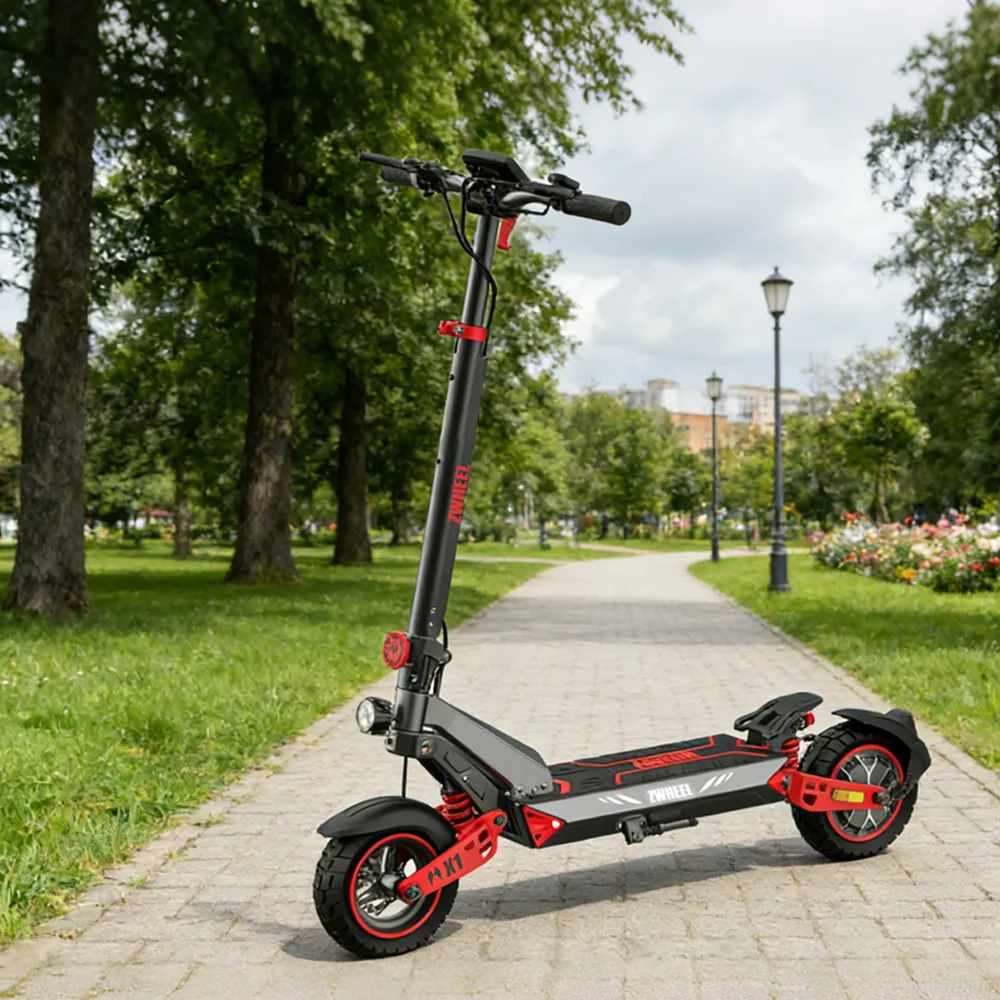
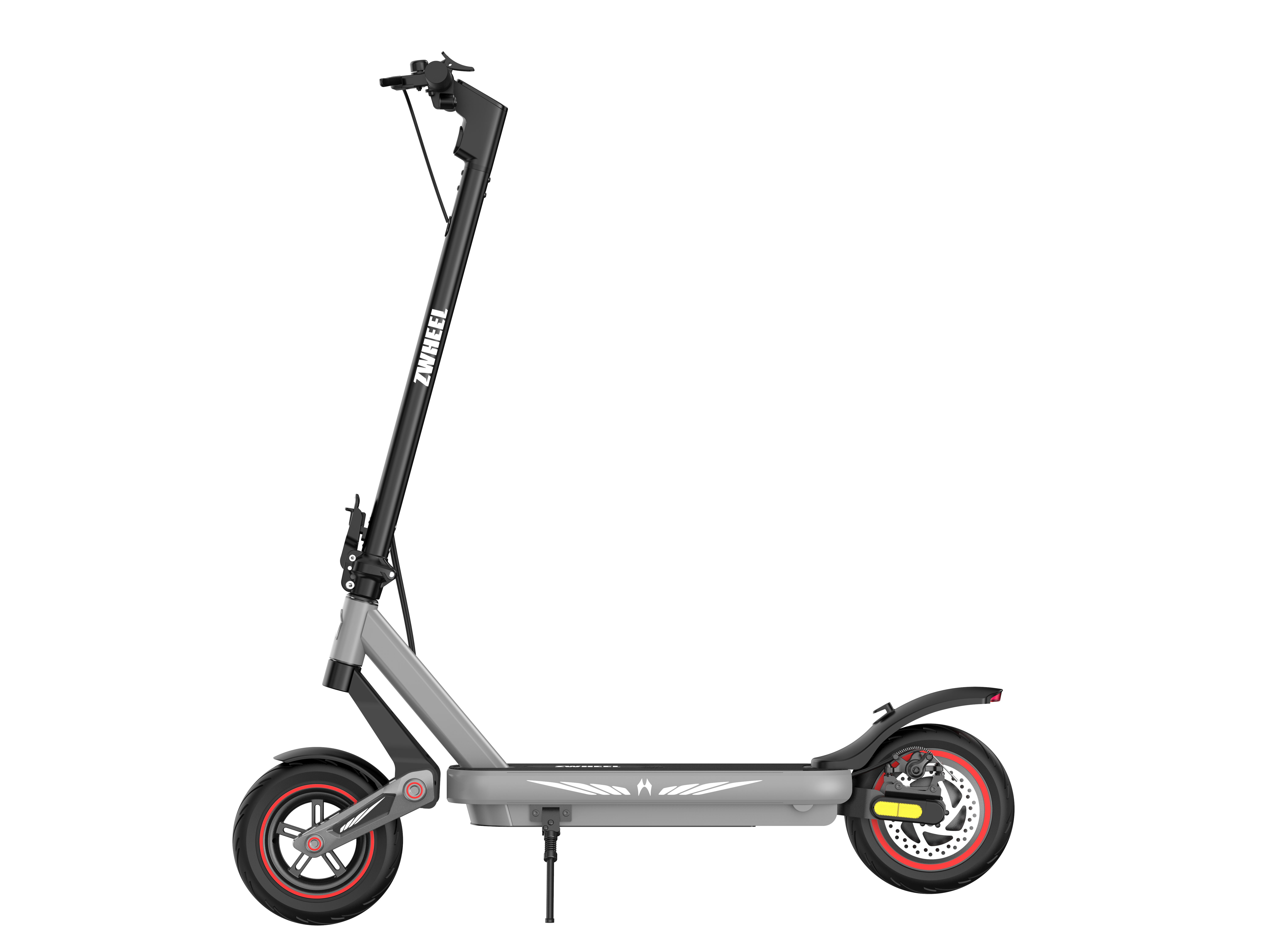
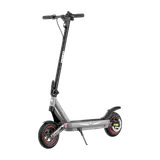
A quality electric scooter like the Zwheel ZSA Plus costs $499. That's about four months of transit fares. But unlike a transit pass, the scooter is yours forever. Even adding a helmet, lock, and basic maintenance kit (roughly $100 total), your first-year cost is around $600 — less than six months of public transit.
Here's the kicker: after the first year, your only recurring costs are electricity (pennies per charge) and occasional tire replacements. Over five years, the scooter's total cost of ownership is roughly $800 to $1,000, compared to over $8,000 for transit. That's an 87% savings.
Daily Operating Costs: The Real Savings
Public Transit: Hidden Fees and Fare Hikes
Beyond the monthly pass, public transit users face:
- Peak surcharges: Many cities now add $0.50–$1.00 during rush hour.
- Transfer fees: Some systems charge for each boarding.
- Ride-share fill-ins: When transit doesn't run late, you might spend $15–$25 on a Lyft.
These add up to an extra $40–$80 per month for the average commuter.
Electric Scooter: Pennies Per Mile
Charging a scooter costs about $0.05 to $0.10 per full charge, depending on local electricity rates. With a range of 20–30 miles per charge, that's less than $0.01 per mile. Even if you charge every day, your annual electricity cost is under $40.
Maintenance is minimal: replace brake pads every 1,000 miles ($15–$30), tires every 2,000 miles ($40–$60), and keep the battery healthy. Most Zwheel scooters use lithium-ion batteries that last 500–800 charge cycles — that's 3–5 years of daily commuting.
Time Is Money: The Hidden Commute Cost
We often ignore the value of time, but it's the biggest cost of all. The average American spends 54 minutes per day commuting. With public transit, that's often longer — waiting, transferring, walking to stops.
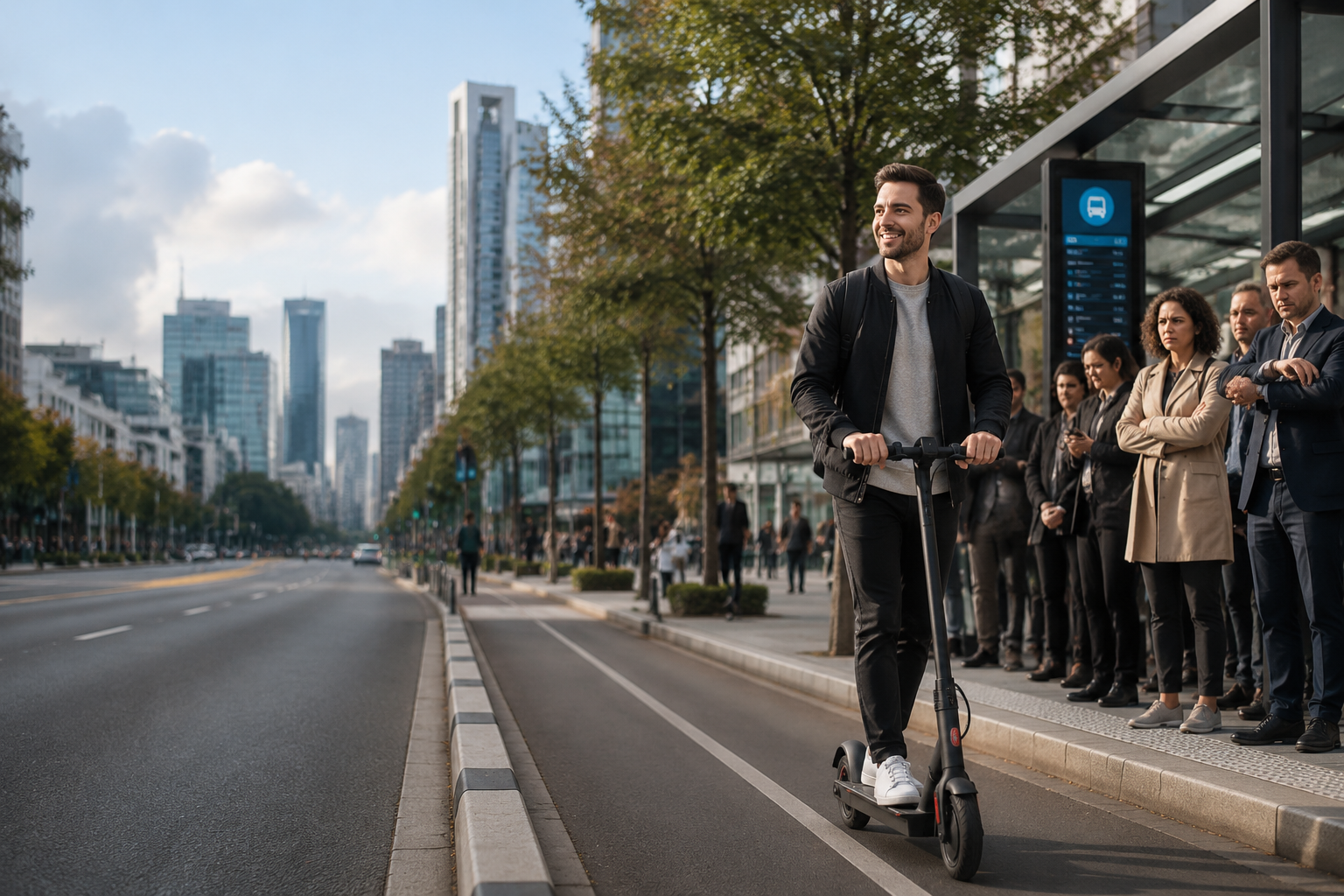
An electric scooter cuts commute time by 30–50% because you:
- Leave when you want (no schedule dependency)
- Take direct routes (no transfers or detours)
- Park at your destination (no walking from station)
If your time is worth $25 per hour, saving 20 minutes per day adds up to $2,000 per year in time value alone. Suddenly, the electric scooter vs public transit cost comparison tilts heavily in favor of the scooter.
Real-World Savings Example: The San Francisco Commuter
Meet Alex, a software engineer in San Francisco. He commutes 5 miles each way from the Mission District to SoMa. In 2025, he spent $145 per month on Muni passes plus $30 on occasional ride-shares. That's $2,100 per year.
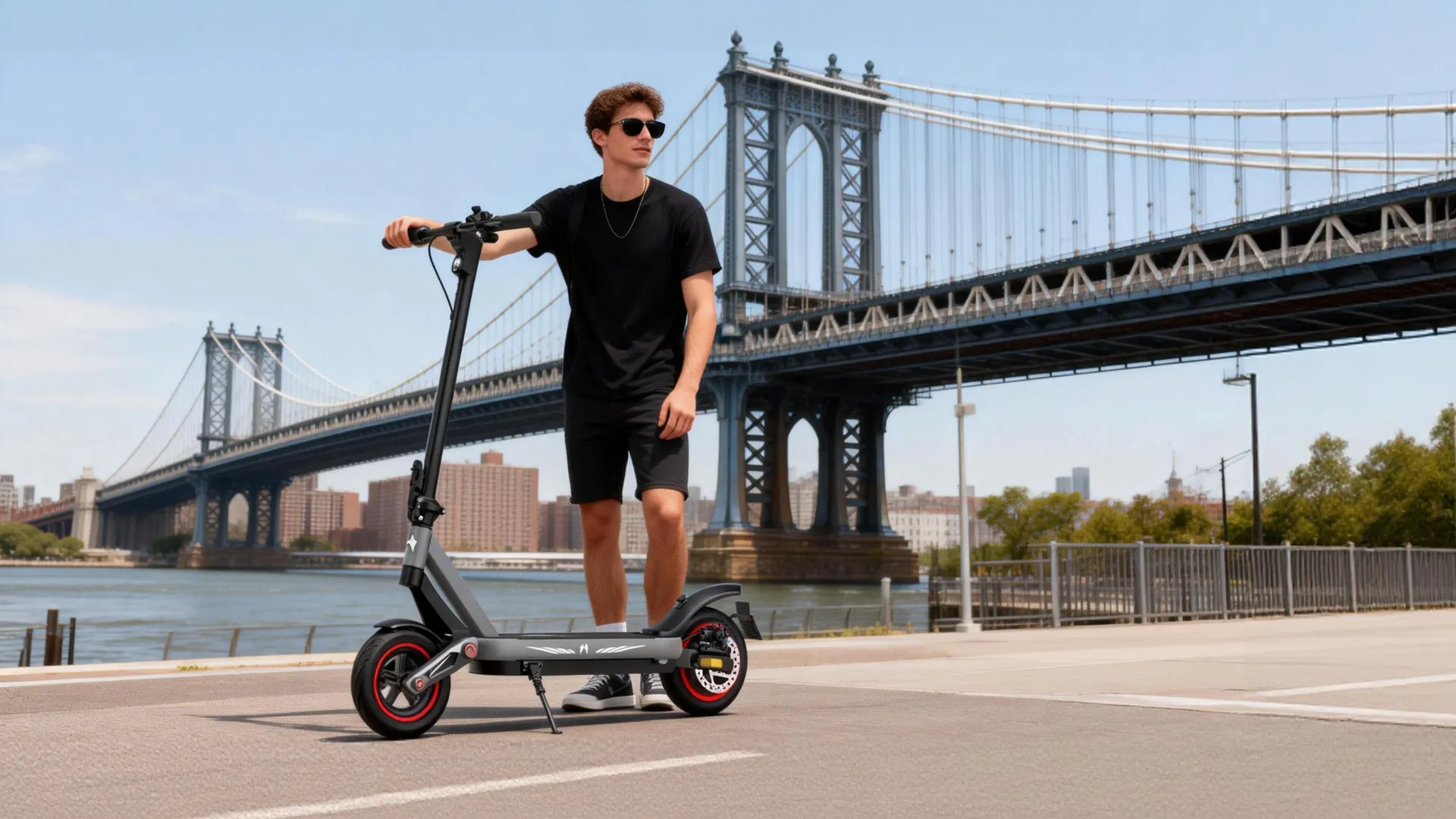
In January 2026, he bought a Zwheel D3S-S for $600. His first-year costs:
- Scooter: $600
- Helmet + lock: $80
- Electricity: $35
- Maintenance: $50
- Total Year 1: $765
Year 2 and beyond: ~$100 per year. Over five years, Alex saves roughly $8,500 compared to staying on Muni. That's a down payment on a car — or a nice vacation.
When Public Transit Still Makes Sense
Of course, an electric scooter isn't for everyone. If you commute 20+ miles each way, live in an area with extreme weather, or need to carry heavy cargo, public transit or a car may be better. But for the majority of urban commuters — especially those in dense cities with bike lanes — the scooter wins hands down.
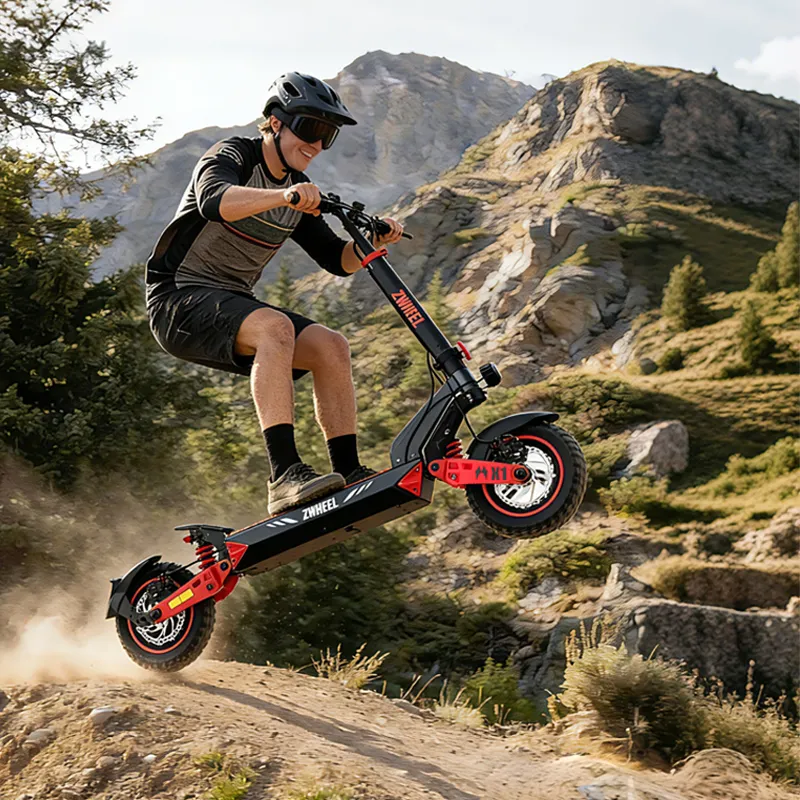
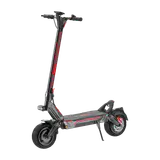
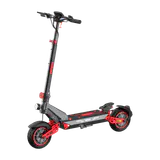
For longer commutes, consider a more powerful model like the Zwheel ZSB2 (1500W, 40-mile range) or the Zwheel ZSD1 (2000W, off-road capable). These can handle hills and longer distances while still costing a fraction of transit.
Environmental Impact: The Green Bonus
Public transit is often hailed as eco-friendly, but electric scooters are even cleaner. A scooter produces 0 grams of CO2 per mile (when charged from renewable sources) compared to a bus's 0.5 lbs per passenger-mile. Plus, scooters reduce traffic congestion and take up far less parking space.
In 2026, many cities offer incentives for e-scooter purchases — tax credits, rebates, or free parking. Check your local government for programs that could lower your upfront cost further.
Conclusion: The Verdict
After crunching the numbers, the electric scooter vs public transit cost comparison is clear: for most urban commuters, an e-scooter saves thousands of dollars per year, cuts commute time in half, and reduces your carbon footprint. The upfront investment pays for itself in under a year.
Ready to make the switch? Browse Zwheel's lineup of electric scooters to find the perfect model for your commute. Your wallet — and the planet — will thank you.
Frequently Asked Questions
How long does it take for an electric scooter to pay for itself compared to public transit?
Most riders break even within 4–6 months. With an average monthly transit pass of $135, a $500 scooter pays for itself in less than four months. After that, you're saving money every day.
What about maintenance costs for electric scooters?
Maintenance is minimal — typically $50–$100 per year for brake pads, tires, and occasional belt adjustments. Batteries last 3–5 years and cost $100–$200 to replace. Compare that to transit fare increases or car repairs, and it's a steal.
Can I use an electric scooter in the rain or snow?
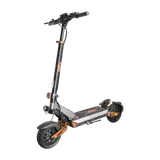
Most Zwheel scooters have an IP54 or higher water resistance rating, meaning they can handle light rain. For heavy rain or snow, consider a model with larger tires and better traction, like the Zwheel ZSD2 (4000W, off-road tires). Always ride cautiously in wet conditions.
How do I charge an electric scooter at work?
Many offices now have bike rooms or secure storage with outlets. If not, scooters with removable batteries — like some Zwheel models — let you charge at your desk. Always check with your building management first.
Is an electric scooter legal on public transit?
Most US transit agencies allow folding e-scooters on board, but policies vary. Check your local rules before bringing your scooter on a bus or train. Some systems require a cover or bag, so plan accordingly.
Geschrieben von
Zwheel Team
Teil des Zwheel-Redaktionsteams mit Fokus auf E-Mobilität, Produktleitfäden und Fahrtipps.