Electric Scooter Weight Capacity: How It Affects Performance
Weight capacity isn't just a number—it directly impacts your scooter's speed, range, and safety. Learn how to choose the right capacity for your weight and riding style.
Inhaltsverzeichnis
- Electric Scooter Weight Capacity: How It Affects Performance
- What Is Electric Scooter Weight Capacity?
- How Weight Capacity Affects Speed and Acceleration
- Real-World Impact
- Weight Capacity and Battery Range
- How Weight Capacity Influences Hill Climbing and Torque
- Safety and Structural Integrity
- How to Choose the Right Weight Capacity for You
- Frequently Asked Questions
- Does rider weight affect electric scooter speed?
- Can I exceed the weight capacity safely?
- How much does weight reduce battery range?
- What weight capacity do I need for off-road riding?
- Conclusion
Electric Scooter Weight Capacity: How It Affects Performance
When shopping for an electric scooter, you'll see a spec called "weight capacity" or "max load." It's easy to overlook, but this number is more than just a limit—it's a key factor that influences how your scooter performs. From acceleration to battery range, the relationship between rider weight and scooter capacity determines your entire riding experience. In this guide, we'll break down exactly how weight capacity affects performance and help you choose the right scooter for your needs.
What Is Electric Scooter Weight Capacity?
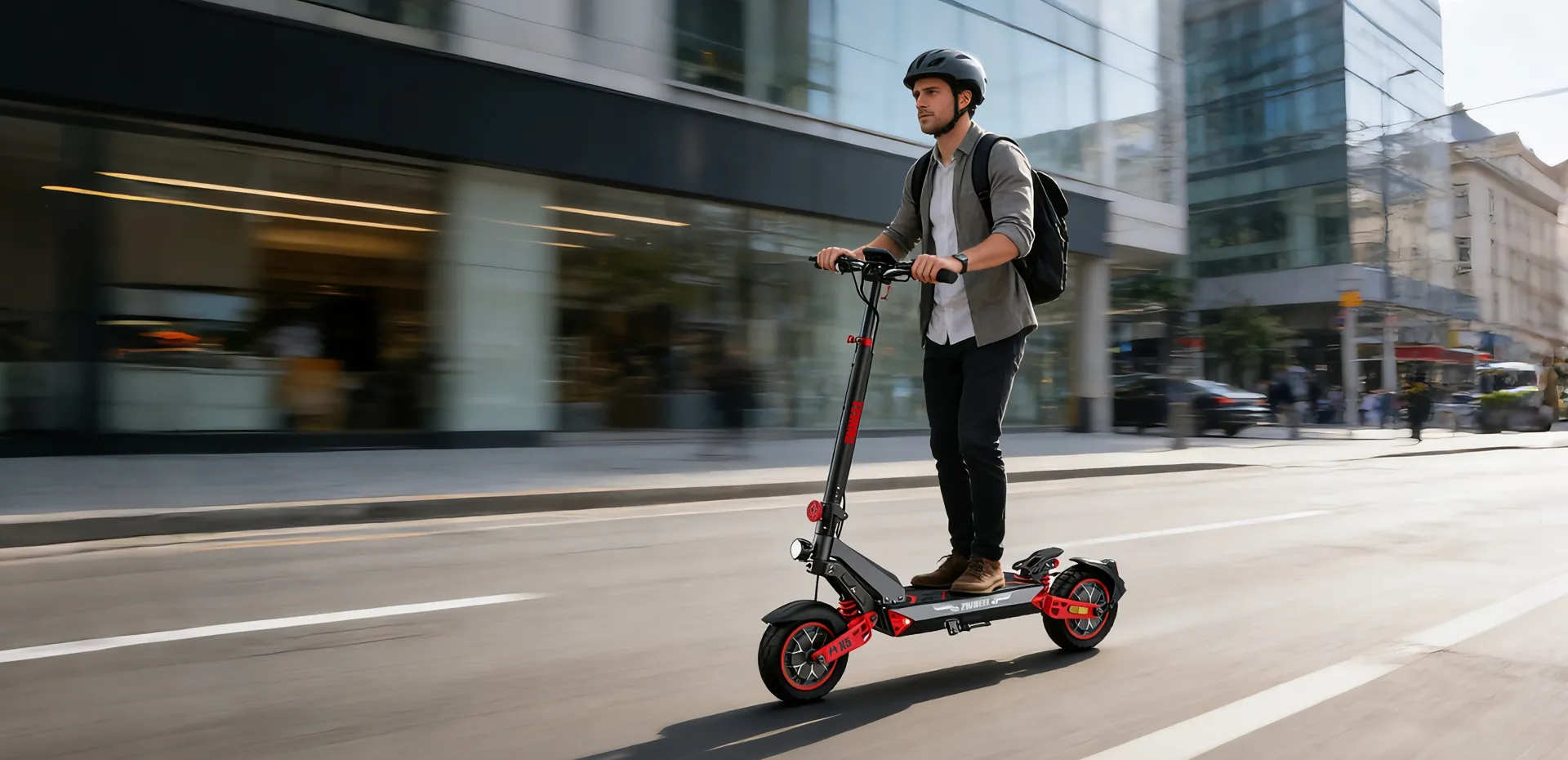
Weight capacity (also called maximum load) is the maximum weight a scooter is designed to safely support. This includes the rider plus any cargo like a backpack or groceries. Manufacturers determine this limit through stress testing, considering the frame, deck, wheels, and motor. Exceeding it can lead to structural failure, brake inefficiency, and motor strain.
Most commuter scooters have a capacity between 220 lbs and 265 lbs, while performance and off-road models can handle up to 330 lbs or more. But capacity isn't just about safety—it's a performance indicator. A scooter with a higher capacity typically has a stronger frame and motor, which can translate to better performance even for lighter riders.
How Weight Capacity Affects Speed and Acceleration
Weight is the enemy of speed. The heavier the total load, the more energy the motor needs to accelerate and maintain speed. If you're near the scooter's weight limit, you'll notice slower acceleration and a lower top speed, especially on inclines.
For example, a 150-lb rider on a scooter with a 265-lb capacity might hit 25 mph, while a 240-lb rider on the same scooter might only reach 20 mph. This isn't a defect—it's physics. The motor has to work harder to move more mass.
Real-World Impact
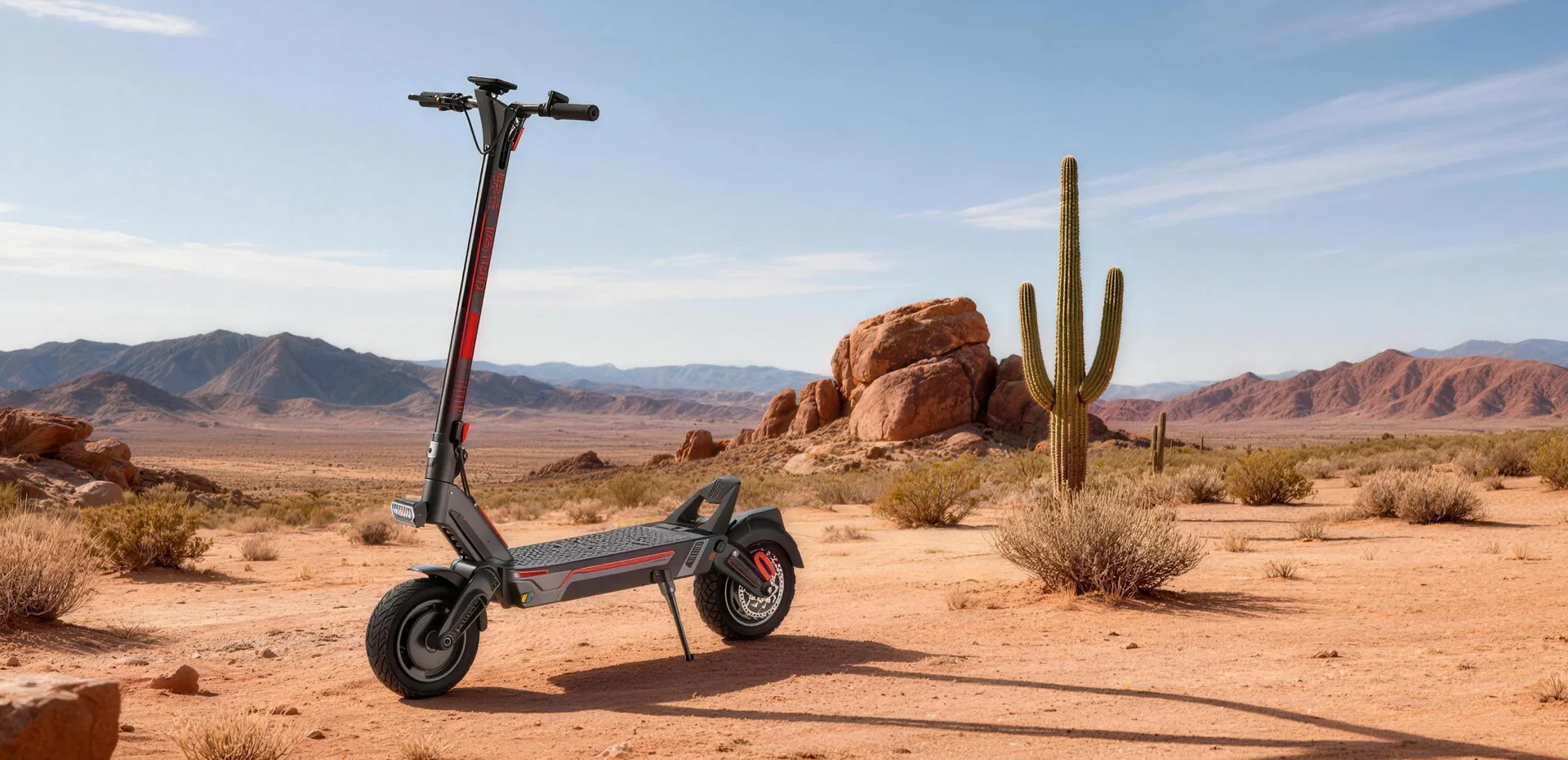
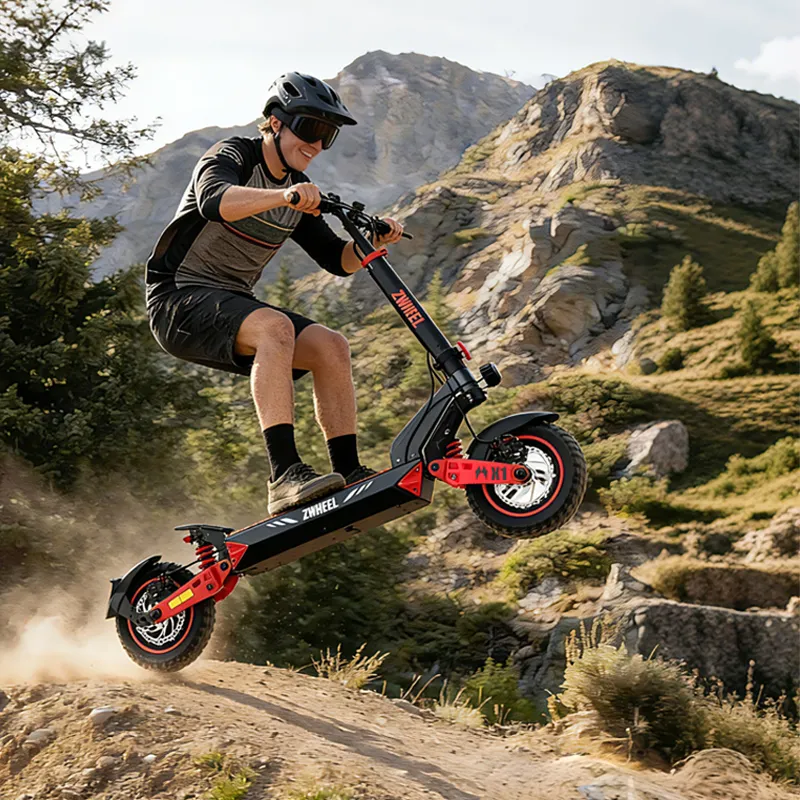
Consider the Zwheel ZSB2, a 1500W all-terrain scooter with a 330-lb capacity. A lighter rider will experience brisk acceleration and full speed, while a heavier rider will still enjoy strong performance but with slightly reduced top-end speed. The key is to choose a scooter where your weight is comfortably below the max capacity—ideally no more than 80% of the limit.
Weight Capacity and Battery Range
Range is another critical performance metric affected by weight. Heavier loads drain the battery faster because the motor draws more current to maintain speed. A 10% increase in total weight can reduce range by roughly 5-8%, depending on terrain and riding style.
If range is a priority, look for a scooter with a capacity that exceeds your weight by at least 50 lbs. This gives you a buffer for cargo and ensures the motor isn't maxed out during normal riding. For instance, the Zwheel D3S-S (1000W, 265-lb capacity) is an excellent commuter choice for riders up to 200 lbs who want to preserve range.
How Weight Capacity Influences Hill Climbing and Torque
Hill climbing is where weight capacity really shows its importance. A motor's torque determines its ability to conquer inclines, but excess weight can overwhelm even a powerful motor. If you frequently ride in hilly areas or carry cargo, choose a scooter with a higher capacity and a more powerful motor.
For example, the Zwheel ZSD1 (2000W, 330-lb capacity) is built for steep climbs and heavier riders. Its high-torque motor maintains speed on grades that would stall a lesser scooter. As a rule of thumb, if you weigh over 200 lbs and face hills daily, aim for at least 2000W and a capacity of 300 lbs or more.
Safety and Structural Integrity
Exceeding weight capacity isn't just a performance issue—it's a safety hazard. Overloading can cause the deck to crack, the stem to bend, or the brakes to fail. Always respect the manufacturer's limit. If you're close to the limit, consider upgrading to a model with a higher capacity for peace of mind.
Also, remember that weight capacity assumes even weight distribution. Standing off-center or carrying a heavy backpack can create stress points that reduce effective capacity. Distribute weight evenly and avoid sudden impacts.
How to Choose the Right Weight Capacity for You
Use this simple formula: your weight + typical cargo (10-20 lbs) should be no more than 80% of the scooter's max capacity. This ensures optimal performance and longevity.
- Under 150 lbs: Most scooters will perform excellently; you can focus on other features.
- 150-200 lbs: Look for a capacity of at least 250 lbs for headroom.
- 200-250 lbs: Choose a capacity of 300 lbs or more and a motor of 1000W+.
- Over 250 lbs: Opt for high-capacity models (330 lbs+) with powerful motors (2000W+) like the Zwheel ZSD2.
Also consider your riding style: aggressive off-road riding puts more stress on the frame, so a higher capacity is wise even if you're lighter.
Frequently Asked Questions
Does rider weight affect electric scooter speed?
Yes, heavier riders accelerate more slowly and may have a lower top speed, especially on inclines. Staying well below the weight capacity minimizes this effect.
Can I exceed the weight capacity safely?
No. Exceeding the limit compromises safety and can damage the scooter. Always adhere to the manufacturer's specified capacity.
How much does weight reduce battery range?
As a rule, every 10% increase in total weight reduces range by about 5-8%. Heavier riders should choose scooters with larger batteries.
What weight capacity do I need for off-road riding?
Off-road riding stresses the frame more, so choose a capacity at least 50 lbs above your weight. Look for models with 300 lbs+ capacity and powerful motors.
Conclusion
Electric scooter weight capacity is far more than a safety limit—it's a performance predictor. By understanding how it affects speed, range, and hill climbing, you can choose a scooter that matches your weight and riding style. Remember to leave a 20% buffer below the max capacity for optimal performance. Whether you're a lightweight commuter or a heavier rider seeking adventure, Zwheel offers models to suit every need. Explore our lineup today and ride with confidence.
Geschrieben von
Zwheel Team
Teil des Zwheel-Redaktionsteams mit Fokus auf E-Mobilität, Produktleitfäden und Fahrtipps.