Folding vs Non-Folding Electric Scooter: Pros and Cons
Deciding between a folding and non-folding electric scooter? We break down the pros and cons of portability, durability, performance, and value to help you choose the right commuter or off-road machine.
Inhaltsverzeichnis
- Introduction: Why the Fold Matters More Than Ever in 2026
- What Is a Folding Electric Scooter?
- Common Folding Mechanisms
- What Is a Non-Folding Electric Scooter?
- Rigid Frame Advantages
- Pros and Cons of Folding Electric Scooters
- Pros
- Cons
- Pros and Cons of Non-Folding Electric Scooters
- Pros
- Cons
- Key Comparison Factors: Folding vs Non-Folding
- 1. Portability and Storage
- 2. Ride Quality and Stability
- 3. Durability and Longevity
- 4. Weight and Carrying
- 5. Performance and Power
- 6. Price and Value
- Which One Should You Choose? A Decision Framework
- Real-World Maintenance Tips for Both Types
- For Folding Scooters
- For Non-Folding Scooters
- Conclusion: The Verdict on Folding vs Non-Folding Electric Scooter Pros and Cons
- Frequently Asked Questions
- Are non-folding electric scooters safer than folding ones?
- Can I take a non-folding scooter on public transit?
- Which is better for off-road riding: folding or non-folding?
- Do folding scooters have a shorter lifespan than non-folding ones?
- What is the best folding electric scooter under $500 in 2026?
Introduction: Why the Fold Matters More Than Ever in 2026
If you’re shopping for an electric scooter in 2026, the very first fork in the road is likely this: folding vs non-folding electric scooter pros and cons. It’s a decision that shapes how you’ll carry, store, and ride your scooter every single day. Folding models promise ultimate convenience for commuters who hop on trains or stash scooters under desks. Non-folding designs (often called rigid or fixed-frame) tout beefier frames, better stability at speed, and simpler mechanical design. But which one is actually right for you?
In this guide, we’ll dig into the real-world trade-offs. You’ll learn how folding mechanisms affect weight, durability, and ride quality. We’ll cover battery placement, stem wobble, suspension differences, and even warranty implications. By the end, you’ll have a clear checklist to match your lifestyle — whether you’re a daily subway rider, a weekend off-road explorer, or someone who just wants the best value for their dollar.
Let’s start with a quick snapshot of each category, then dive deep into the pros and cons.
What Is a Folding Electric Scooter?
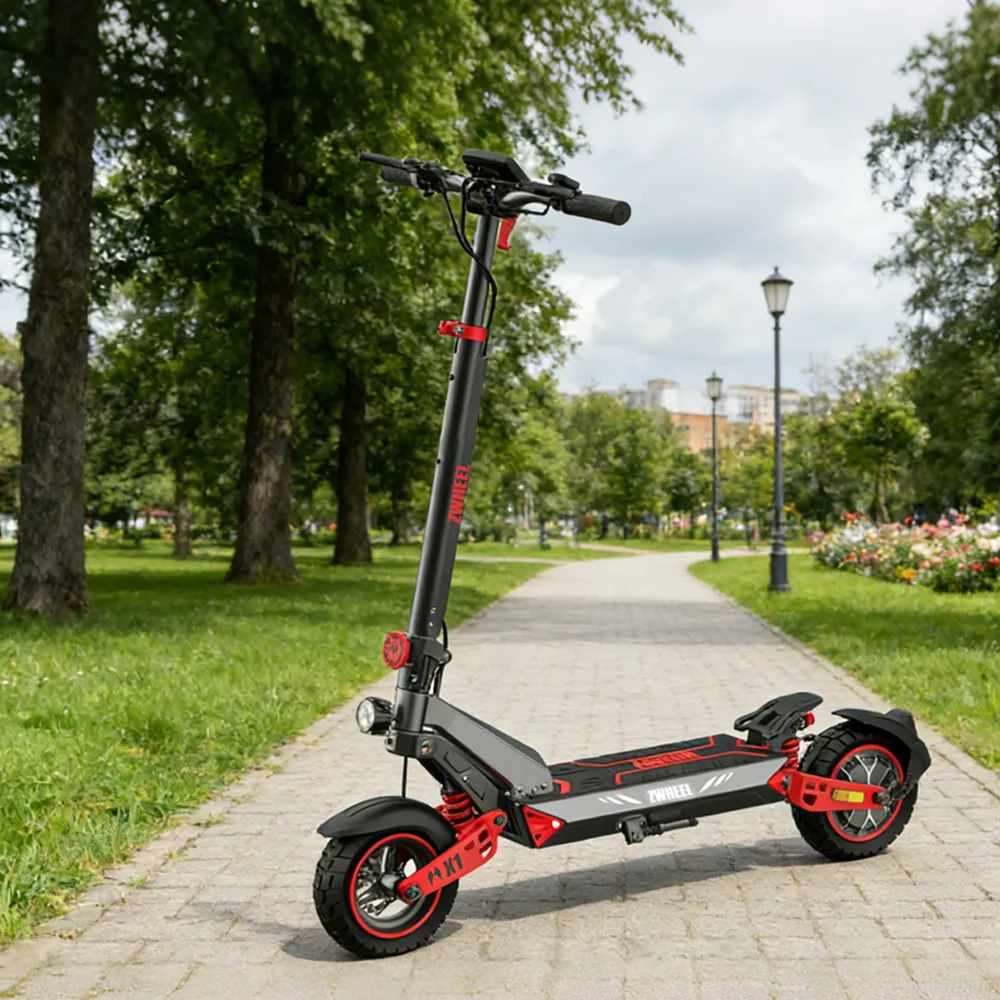
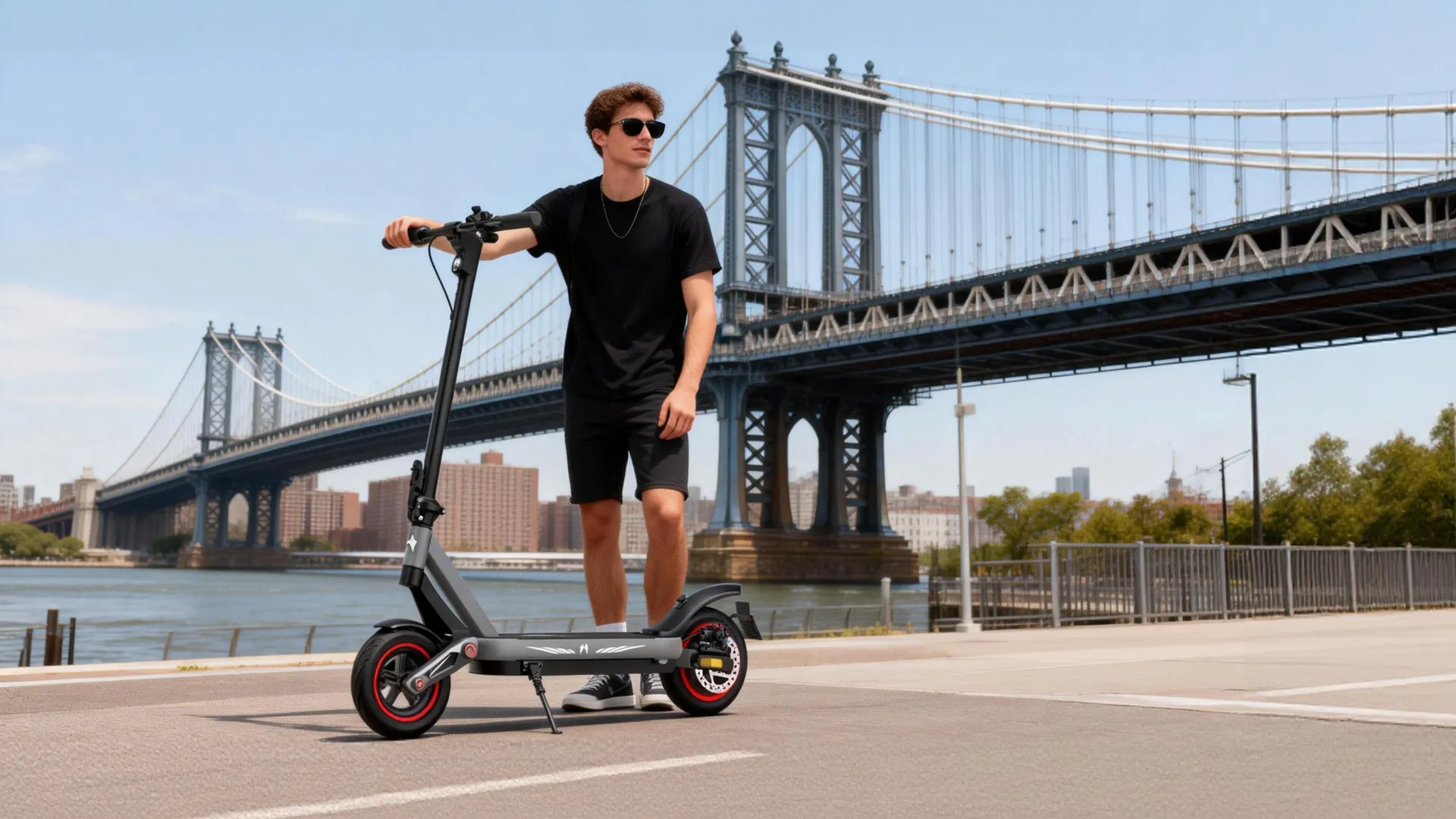
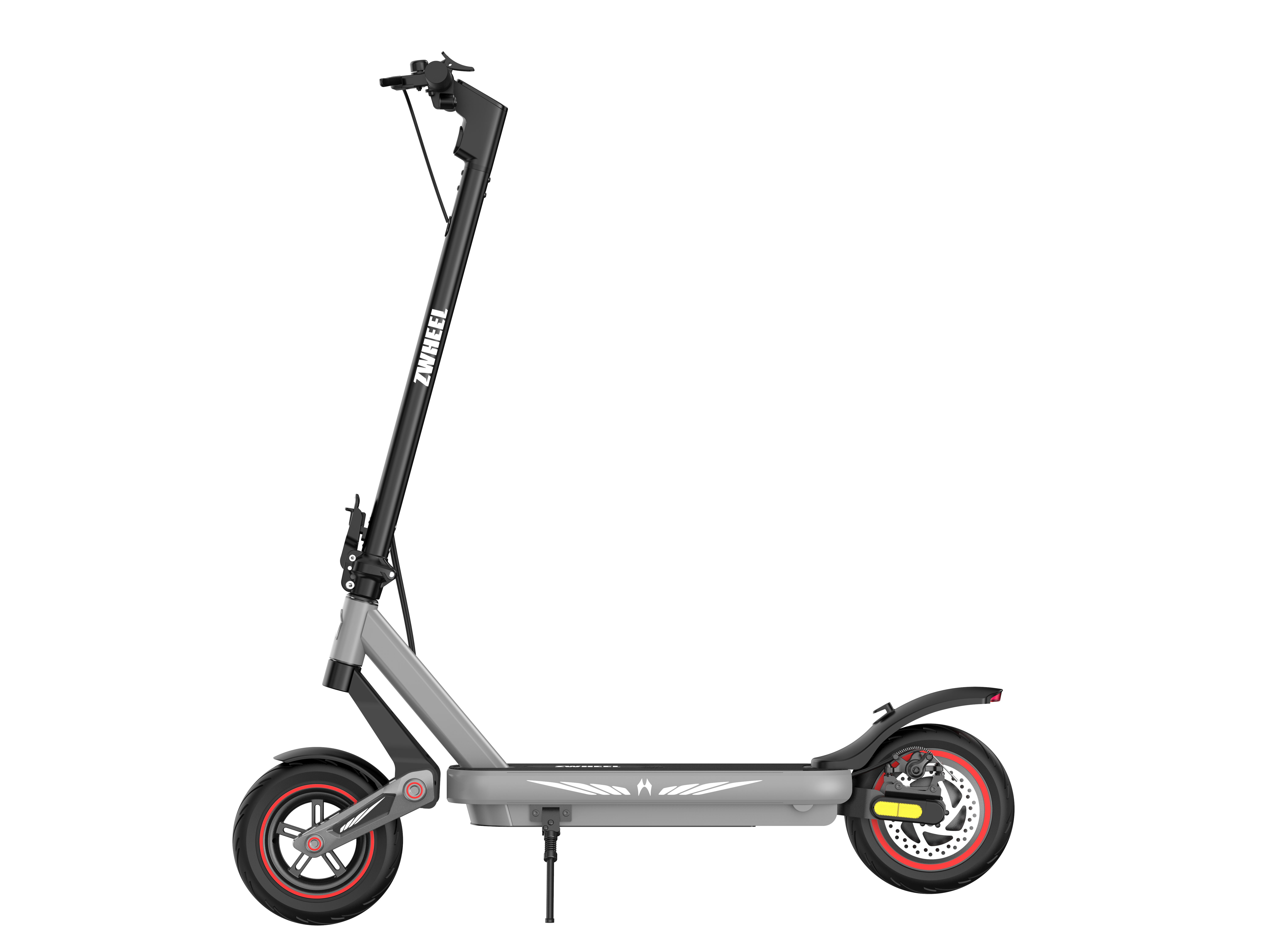
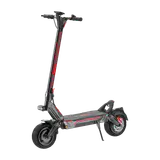
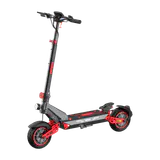
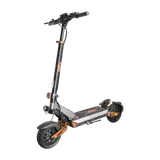
A folding electric scooter uses a hinge mechanism — usually near the stem or the deck — that allows the handlebars to fold down parallel to the deck. Most folding scooters also have a collapsible stem and sometimes folding handlebars or pedals. The goal is a compact package that can be carried onto public transit, stored in a car trunk, or tucked into a closet.
Common Folding Mechanisms
- Stem latch: A quick-release lever or clamp that unlocks the stem to fold. Found on most entry-level and mid-range scooters like the Zwheel ZSA Plus.
- Deck fold: The entire deck hinges upward, sometimes with a magnetic catch. Less common but very compact.
- Tri-fold: Multiple hinges allow the scooter to collapse into a briefcase-like shape. Heavier but incredibly portable.
Folding scooters are the default choice for urban commuters who combine riding with walking, trains, or buses. They’re also popular for last-mile trips from parking lots or campuses.
What Is a Non-Folding Electric Scooter?
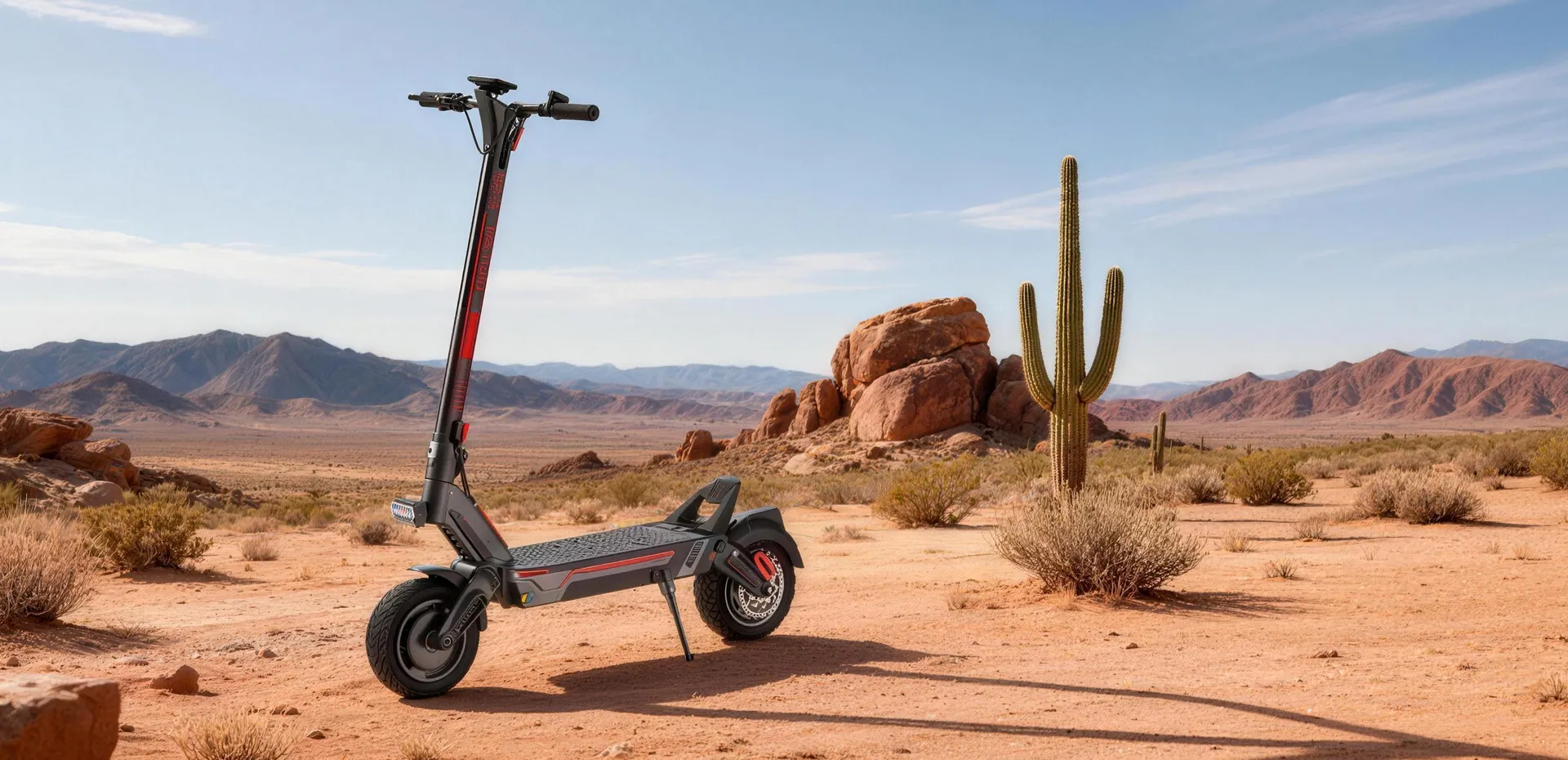
A non-folding (or rigid) electric scooter has a one-piece frame with no hinge. The stem is fixed, the deck is solid, and the handlebars are usually attached at a set height. These scooters prioritize structural integrity over portability.
Rigid Frame Advantages
- No moving hinge means fewer failure points and less maintenance.
- Stiffer frame reduces flex under hard acceleration or braking.
- Often allows for larger batteries and motors because the frame doesn’t need to accommodate a folding mechanism.
Non-folding scooters are favored by off-road riders, speed enthusiasts, and anyone who values maximum durability. Many high-performance models — like the Zwheel ZSD2 with its 4000W motor — are non-folding because the frame needs to handle extreme forces.
Pros and Cons of Folding Electric Scooters
Pros
- Ultimate portability: Folded, most scooters fit under a desk, in a gym locker, or on a bus seat. Great for mixed-mode commuting.
- Easy storage: No need for a garage or shed. Keep it in your apartment hallway or car trunk.
- Versatile for travel: Take it on a road trip or fly with it (check airline battery restrictions).
- Good for short trips: If your ride is under 5 miles each way, a folding scooter like the Zwheel D3S-S offers plenty of performance in a portable package.
Cons
- Stem wobble: Over time, hinges can loosen, causing a wobble at higher speeds (above 20 mph). Regular tightening helps, but it’s inherent in the design.
- Added weight from mechanism: The hinge, latch, and reinforcements add 2–4 pounds compared to a similar non-folding scooter.
- Potential failure point: A hinge can wear out, crack, or break. Quality matters — cheap folding scooters have a higher risk of hinge failure.
- Reduced power options: Most folding scooters top out around 1000W because the frame can’t safely handle more torque.
Pros and Cons of Non-Folding Electric Scooters
Pros
- Rock-solid stability: No hinge means zero stem wobble. The ride feels planted even at 30+ mph.
- Higher performance ceiling: Rigid frames can handle 2000W, 4000W, even 6000W motors. The Zwheel ZSE2 (6000W) is a prime example — it’s built for speed and torque, not folding.
- Better for rough terrain: Non-folding scooters often have longer wheelbases and more robust suspension, making them ideal for off-road trails.
- Simpler maintenance: No hinge to lubricate, tighten, or replace. Fewer things can go wrong.
Cons
- Hard to store: You need a dedicated space — a garage, shed, or large hallway. They don’t fit under most desks or in car trunks.
- Difficult to carry: Most non-folding scooters weigh 50–80+ pounds. Carrying them up stairs or onto a train is a workout.
- Not public transit friendly: Many buses and trains restrict large, non-folding items during rush hour.
- Less practical for mixed commuting: If you ride + train + walk, a rigid scooter becomes a burden.
Key Comparison Factors: Folding vs Non-Folding
1. Portability and Storage
This is the biggest differentiator. Folding scooters win hands-down for anyone who needs to carry their ride. A typical folding scooter folds to roughly 40x20x15 inches and weighs 35–50 lbs. Non-folding scooters are often 50+ inches long and can’t be reduced in size.
Tip: Measure your storage space before buying. If your apartment hallway is narrow, a folding scooter is probably essential.
2. Ride Quality and Stability
Non-folding frames are inherently stiffer. This translates to better handling at higher speeds and on bumpy roads. Folding scooters, even high-end ones, can develop a slight flex or wobble over time. That said, many modern folding scooters use dual clamps and reinforced stems to minimize this — the Zwheel ZSB1 (1200W) is a folding model that still feels solid up to 25 mph thanks to its robust hinge design.
3. Durability and Longevity
Non-folding scooters generally last longer because there’s no hinge to wear out. The frame is a single piece of metal (usually aluminum or steel). Folding scooters require periodic maintenance: tightening the hinge bolt, lubricating the latch, and checking for cracks. With good care, a quality folding scooter can last 3–5 years. A non-folding scooter can last 5–10 years or more.
4. Weight and Carrying
Folding scooters are typically lighter (30–50 lbs) because they’re designed for portability. Non-folding models weigh 50–90+ lbs. If you need to carry your scooter up stairs daily, weight matters more than anything. Look for a folding scooter under 40 lbs if you’re a stair-climber.
5. Performance and Power
Non-folding scooters dominate here. The absence of a hinge allows engineers to use thicker frame walls, larger batteries, and more powerful motors. If you need speeds above 30 mph or want to climb steep hills, a non-folding scooter like the Zwheel ZSD1 (2000W) is the way to go. Folding scooters rarely exceed 1500W because the hinge can’t safely handle the torque.
6. Price and Value
Folding scooters are generally more affordable — you can get a solid commuter for $400–$700. Non-folding scooters with similar specs (range, speed) are often $100–$200 more because of the heavier frame and larger components. However, non-folding models offer better long-term value if you’re a high-mileage rider, since they require fewer repairs.
Which One Should You Choose? A Decision Framework
Ask yourself these questions:
- Do you need to carry the scooter daily? If yes, choose folding. Look for under 40 lbs and a one-hand fold mechanism.
- Do you ride on rough roads or off-road trails? If yes, choose non-folding. The stability and suspension will make a huge difference.
- Is speed your priority? If you want to go 30+ mph, choose non-folding. Folding scooters are best at 15–25 mph.
- Do you have limited storage space? Folding is your friend. Measure the folded dimensions against your storage spot.
- What’s your budget? For under $600, folding is more common. For $700+, you can find excellent non-folding options.
For example, if you’re a city commuter who takes the subway and rides 3 miles each way, a folding scooter like the Zwheel ZSA Plus is a perfect match. If you’re a weekend adventurer who hits dirt trails and wants top speed, the non-folding Zwheel ZSD2 will serve you better.
Real-World Maintenance Tips for Both Types
For Folding Scooters
- Check the hinge bolt every month — use blue threadlocker if it loosens.
- Lubricate the latch mechanism with silicone spray every 3 months.
- Inspect the folding area for cracks, especially if you ride on bumpy roads.
- Don’t overtighten the hinge — it can strip the threads.
For Non-Folding Scooters
- Check all bolts (stem, deck, handlebars) every 3 months.
- Inspect the frame for stress fractures near welds, especially if you off-road.
- Keep the deck clean — mud and grit can cause slipping.
- Consider adding a steering damper if you ride at high speed.
Conclusion: The Verdict on Folding vs Non-Folding Electric Scooter Pros and Cons
Choosing between a folding and non-folding electric scooter comes down to your primary use case. If portability and storage are your top concerns, a folding scooter is the obvious winner. If you prioritize performance, durability, and stability, a non-folding frame will serve you better. There’s no universally “best” option — only the best for your lifestyle.
Remember the key trade-offs: folding means easier carrying but potential wobble; non-folding means rock-solid ride but harder storage. Both can be excellent investments if you match them to your needs. And with brands like Zwheel offering options across the spectrum — from the folding Zwheel D3S-S to the non-folding Zwheel ZSE2 — you can find a quality ride no matter which path you choose.
Frequently Asked Questions
Are non-folding electric scooters safer than folding ones?
Generally, yes. The rigid frame eliminates the possibility of hinge failure and reduces stem wobble at high speeds. However, a well-made folding scooter with a robust hinge (like those from reputable brands) is perfectly safe for normal commuting speeds under 25 mph. Always check the manufacturer’s weight and speed limits.
Can I take a non-folding scooter on public transit?
It depends on the transit agency. Many buses and trains allow non-folding scooters if they’re not too large, but during peak hours, they may be restricted. Folding scooters are almost always permitted because they can be stored compactly. Check your local transit rules before buying.
Which is better for off-road riding: folding or non-folding?
Non-folding scooters are generally better for off-road use. They offer greater frame stiffness, longer wheelbases for stability, and can accommodate larger tires and suspension systems. However, some folding off-road models exist — look for ones with reinforced hinges and at least 10-inch pneumatic tires.
Do folding scooters have a shorter lifespan than non-folding ones?
On average, yes. The hinge mechanism is a wear item that can loosen or break over time. With proper maintenance, a quality folding scooter can last 3–5 years. Non-folding scooters often last 5–10 years because there are fewer moving parts to fail. Battery life is similar for both types.
What is the best folding electric scooter under $500 in 2026?
The Zwheel ZSA Plus is a top contender in this price range. It offers an 800W motor, 25-mile range, and a reliable folding mechanism — all for under $500. It’s ideal for city commuters who need a portable yet powerful ride.
Geschrieben von
Zwheel Team
Teil des Zwheel-Redaktionsteams mit Fokus auf E-Mobilität, Produktleitfäden und Fahrtipps.