How to Clean and Maintain Your Electric Scooter
Discover the best practices for cleaning and maintaining your electric scooter. From weekly washes to battery care, keep your ride running smoothly for years.
Inhaltsverzeichnis
- How to Clean and Maintain Your Electric Scooter: The Ultimate Guide
- Why Cleaning and Maintenance Matter
- Essential Cleaning Supplies
- Step-by-Step Cleaning Process
- 1. Preparation
- 2. Dry Cleaning First
- 3. Wash the Frame and Deck
- 4. Clean the Wheels and Tires
- 5. Detail the Electrical Components
- 6. Dry and Lubricate
- Maintenance Schedule: Daily, Weekly, Monthly
- Battery Care: The Heart of Your Scooter
- Brake and Tire Maintenance
- Dealing with Water and Weather
- When to Seek Professional Help
- FAQs
- How often should I clean my electric scooter?
- Can I use a pressure washer on my electric scooter?
- What's the best way to store my electric scooter?
- How do I know when to replace my scooter's tires?
- Is it okay to leave my scooter plugged in overnight?
- Final Thoughts
How to Clean and Maintain Your Electric Scooter: The Ultimate Guide
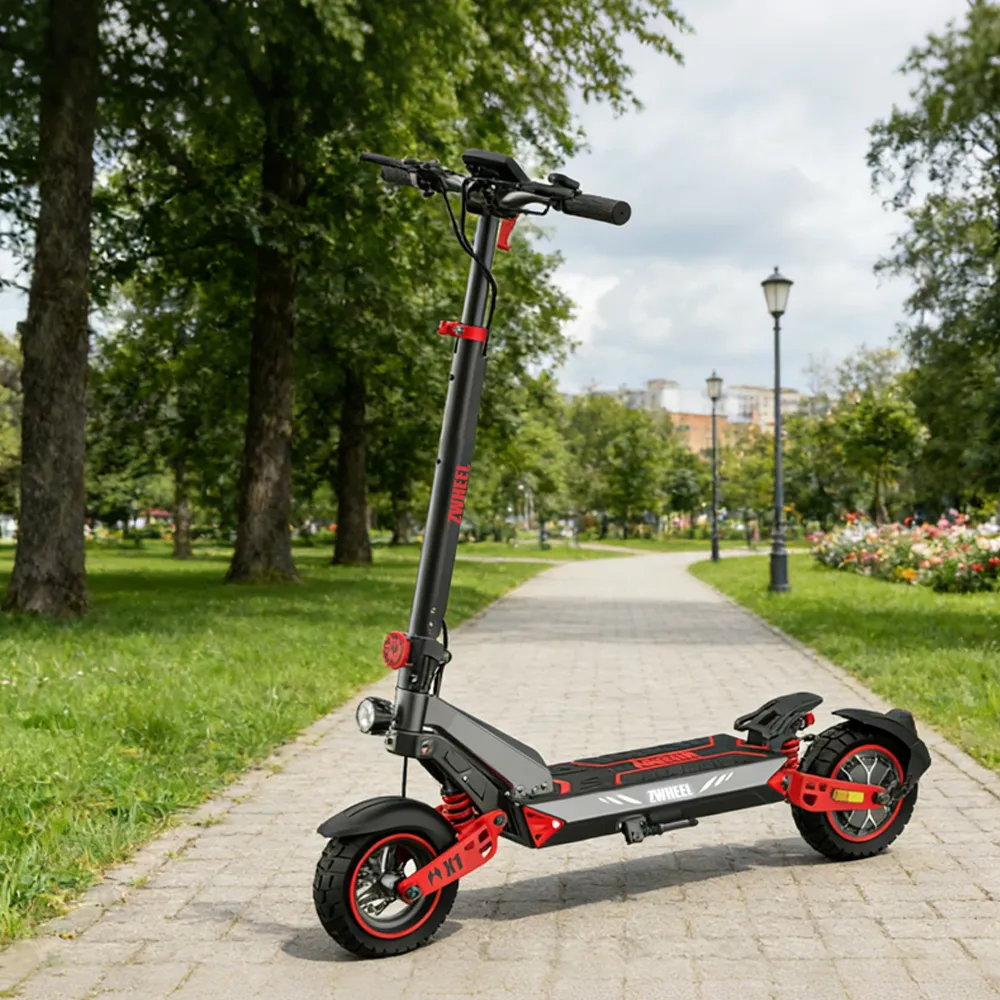
Your electric scooter is more than just a way to get around—it's an investment in convenience, fun, and freedom. Whether you ride a Zwheel ZSA Plus for daily commutes or a high-performance Zwheel ZSD2 for off-road adventures, proper cleaning and maintenance are key to keeping it running smoothly. In this guide, we'll show you exactly how to clean and maintain your electric scooter, with practical tips, real numbers, and a maintenance schedule that works.
Why Cleaning and Maintenance Matter
Electric scooters are exposed to dust, water, mud, and road salt. Over time, these elements can cause corrosion, electrical failures, and reduced performance. Regular maintenance not only extends your scooter's lifespan but also ensures your safety. A well-maintained scooter can last 3–5 years or more, while neglected ones often fail within 12–18 months.
Moreover, keeping your scooter clean preserves its resale value and ensures warranty compliance. Most manufacturers, including Zwheel, require basic maintenance to honor warranties.
Essential Cleaning Supplies
Before you start, gather these items:
- Microfiber cloths (at least 3)
- Soft-bristle brush (like a toothbrush or detailing brush)
- Mild soap or dedicated scooter cleaner
- Bucket of warm water
- Hose or spray bottle (low pressure)
- Isopropyl alcohol (for electrical contacts)
- Silicone spray or lubricant (for moving parts)
- Compressed air (optional, for hard-to-reach areas)
Avoid: High-pressure washers, harsh chemicals, and abrasive sponges—they can damage seals, bearings, and paint.
Step-by-Step Cleaning Process
1. Preparation
Turn off your scooter and remove the battery if possible. If the battery is integrated, ensure the charging port is securely closed. Park on a flat surface and let the scooter cool down if you just rode it.
2. Dry Cleaning First
Use a dry brush or compressed air to remove loose dirt, dust, and debris from the deck, wheels, and folding mechanism. This prevents scratching during wet cleaning.
3. Wash the Frame and Deck
Mix a few drops of mild soap in warm water. Dampen a microfiber cloth and wipe down the frame, handlebars, and deck. For stubborn grime, use a soft brush. Never submerge the scooter in water or spray directly into electrical components.
4. Clean the Wheels and Tires
Use a brush to scrub the tires and rims. Check for embedded objects like glass or stones and remove them. For pneumatic tires, check air pressure (typically 30–50 PSI, depending on the model). Solid tires need only a wipe-down.
5. Detail the Electrical Components
Wipe the display, throttle, and lights with a slightly damp cloth. Use isopropyl alcohol on a cloth to clean electrical contacts (like the charging port) — but never pour alcohol directly. Ensure everything is dry before reassembling.
6. Dry and Lubricate
Dry all parts with a clean microfiber cloth. Apply a silicone-based lubricant to the folding mechanism, brake levers, and suspension pivots (if applicable). Avoid getting lubricant on brake pads or tires.
Maintenance Schedule: Daily, Weekly, Monthly
Consistency is key. Here's a simple schedule to follow:
- After Every Ride: Wipe down the deck and check tire pressure (if pneumatic).
- Weekly: Full wash (as above), check brakes, and inspect for loose screws.
- Monthly: Check battery health, lubricate moving parts, and inspect tires for wear.
- Every 3–6 Months: Deep clean, check bearings, and tighten all bolts to manufacturer specs.
Battery Care: The Heart of Your Scooter
The battery is the most expensive component, so treat it well:
- Charge in a dry, room-temperature environment (ideally 50–77°F / 10–25°C).
- Avoid full discharges; recharge when the battery hits 20–30%.
- If storing for more than a month, charge to 50–60% and check monthly.
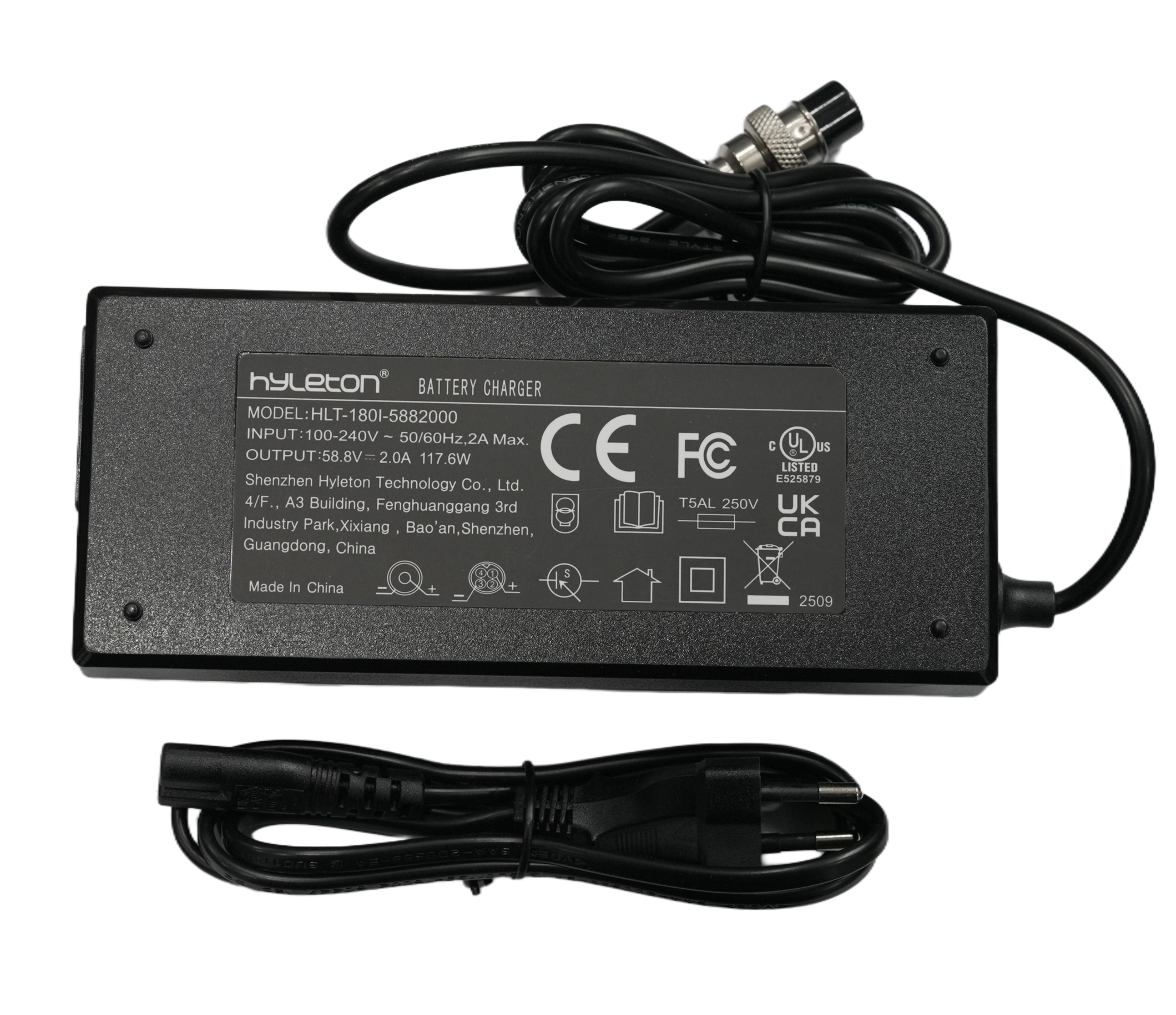
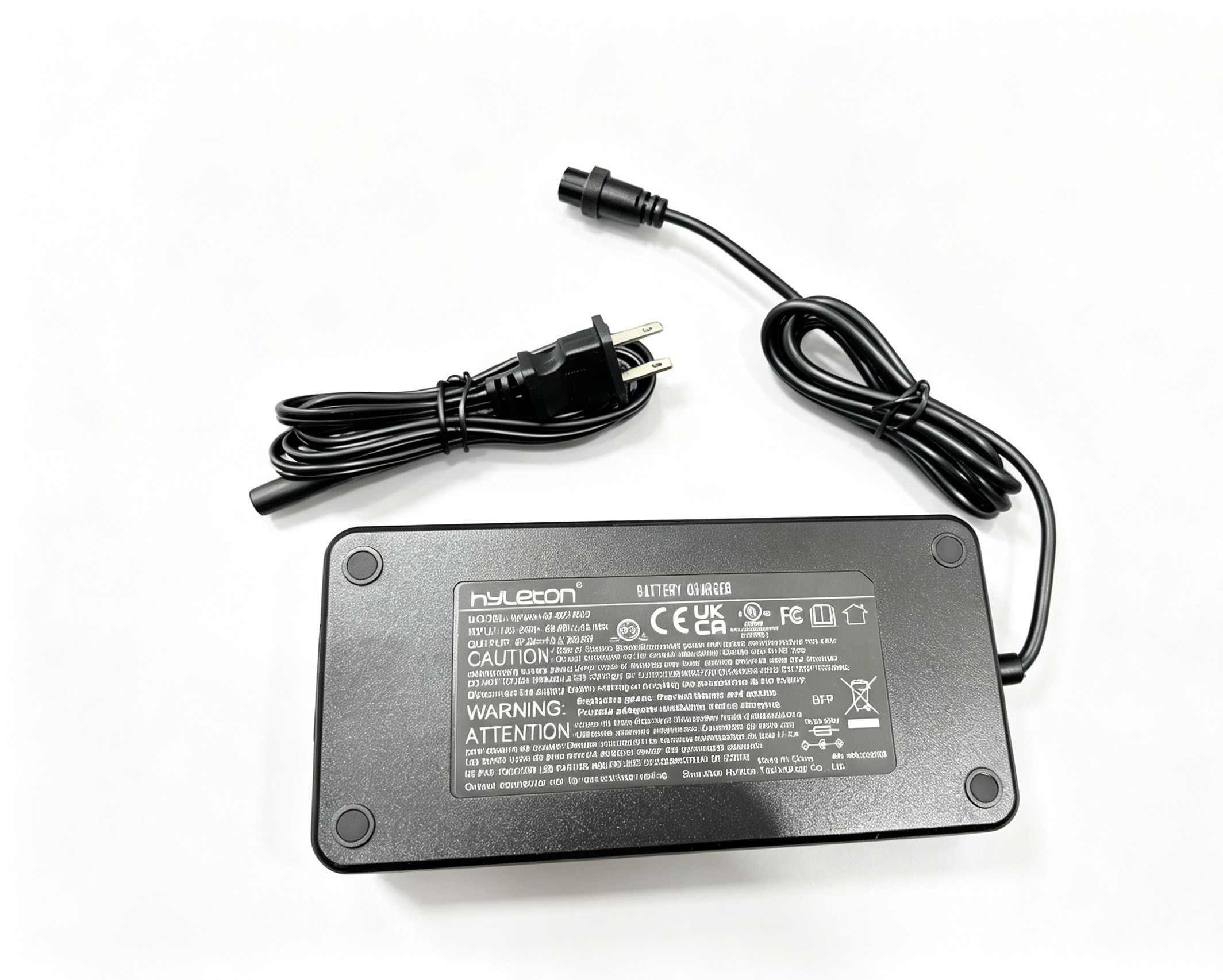
- Use only the original charger. Off-brand chargers can damage cells.
For scooters like the Zwheel ZSB2 with a 1500W motor, proper battery care ensures you get the full range and power.
Brake and Tire Maintenance
Brakes are critical for safety. Check brake pads monthly for wear—replace if less than 1mm thick. Adjust cable tension if brakes feel loose. For hydraulic brakes, check fluid levels annually.
Tires: Inspect for cuts, bulges, or embedded debris. Replace pneumatic tires when tread depth is below 1mm. Maintain recommended pressure (check your manual).
Dealing with Water and Weather
Most electric scooters have an IP rating (e.g., IP54). This means they're splash-resistant, not waterproof. Avoid riding in heavy rain or through deep puddles. If you get caught in the rain, dry your scooter thoroughly and avoid charging until completely dry.
For winter riding, rinse off road salt promptly and dry. Salt accelerates corrosion.
When to Seek Professional Help
If you notice electrical issues, strange noises, or reduced performance, don't attempt complex repairs unless you're experienced. Contact the manufacturer or a certified technician. Zwheel offers customer support and replacement parts for all models.
FAQs
How often should I clean my electric scooter?
Clean your scooter weekly if you ride daily, or after every few rides if you ride less often. Always clean after riding in wet or dusty conditions.
Can I use a pressure washer on my electric scooter?
No. High-pressure water can penetrate seals and damage electrical components. Use a gentle hose or damp cloth instead.
What's the best way to store my electric scooter?
Store indoors in a dry, temperature-controlled area. If you must store it outside, use a waterproof cover and keep it off the ground.
How do I know when to replace my scooter's tires?
Replace tires when tread depth is less than 1mm, or if you see cracks, bulges, or frequent flats. Check your manual for specific recommendations.
Is it okay to leave my scooter plugged in overnight?
Most modern chargers have overcharge protection, but it's best to unplug once fully charged. Leaving it plugged in for extended periods can degrade battery life.
Final Thoughts
Learning how to clean and maintain your electric scooter is a skill that pays off in performance, safety, and longevity. By following this guide, you'll keep your ride in top shape for years. Remember, a little effort each week goes a long way. For premium electric scooters built to last, explore our Zwheel D3D-S and other models. Ride safe!
Geschrieben von
Zwheel Team
Teil des Zwheel-Redaktionsteams mit Fokus auf E-Mobilität, Produktleitfäden und Fahrtipps.