What Is Electric Scooter Torque and Why It Matters
Torque is the twisting force that determines how quickly your scooter accelerates and climbs hills. Here's what it means, how to read the numbers, and why it matters for your ride.
Inhaltsverzeichnis
- What Is Electric Scooter Torque and Why It Matters
- What Is Torque, Exactly?
- Torque vs. Power: What's the Difference?
- Why Electric Scooter Torque Matters
- 1. Acceleration and Responsiveness
- 2. Hill Climbing Ability
- 3. Load Capacity and Rider Weight
- 4. Terrain Handling
- How Is Torque Measured in Electric Scooters?
- Real-World Torque Examples
- Torque and Motor Wattage: What's the Connection?
- How to Choose a Scooter with the Right Torque for Your Needs
- Torque and Battery Life: Is There a Trade-off?
- Frequently Asked Questions About Electric Scooter Torque
- What is torque in an electric scooter?
- Does higher torque mean higher top speed?
- How much torque do I need for hilly terrain?
- Can I increase the torque of my electric scooter?
- Is torque more important than top speed?
- Conclusion: Why Electric Scooter Torque Matters
What Is Electric Scooter Torque and Why It Matters
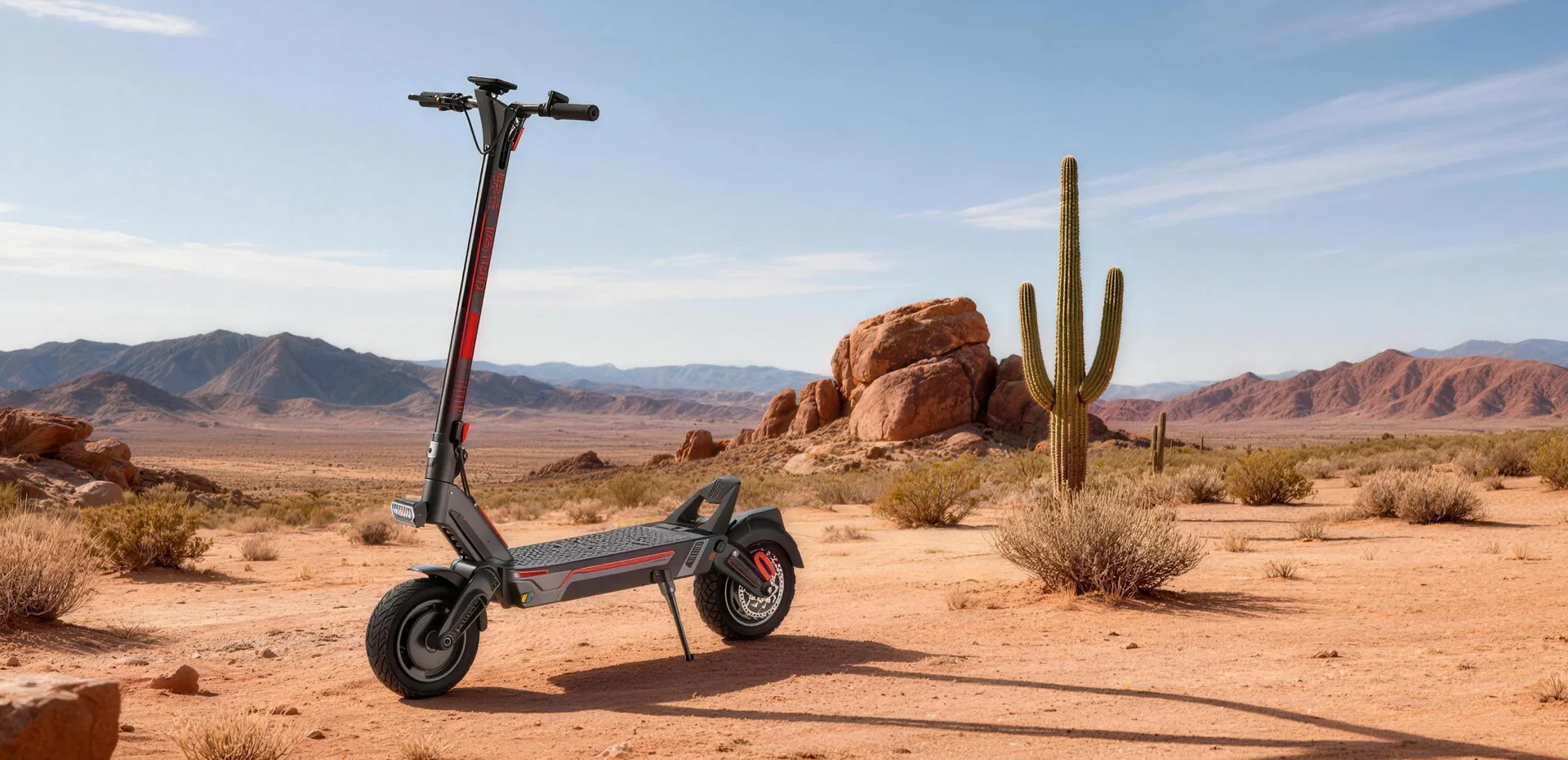
If you've ever compared electric scooters, you've probably seen specs like wattage and top speed. But there's another number that's just as important—and often overlooked: torque. Torque is the twisting force that actually gets you moving. It's what pushes you off the line, helps you climb steep hills, and gives you the confidence to navigate traffic. In this guide, we'll break down what electric scooter torque is, how it's measured, and why it should be a key factor in your buying decision.
What Is Torque, Exactly?
In simple terms, torque is a measure of rotational force. In an electric scooter, the motor generates torque that turns the wheel, propelling you forward. While horsepower (or wattage) tells you how fast you can go, torque tells you how quickly you can get there and how much load you can carry.
Think of it like this: if you're pedaling a bicycle, torque is the force you apply to the pedals. More torque means you can accelerate faster and climb hills with less effort. In an electric scooter, the motor's torque determines how responsive the throttle feels and how well the scooter handles inclines.
Torque vs. Power: What's the Difference?
Power (measured in watts) is the rate at which work is done. It's a function of torque and rotational speed (RPM). In practical terms, a high-power motor can maintain high speeds, but it might not have the low-end grunt to launch quickly. Torque, on the other hand, is the immediate force you feel when you hit the throttle. That's why two scooters with the same wattage can feel very different—one might be quick off the line, while the other is a slow starter but has a higher top speed.
Why Electric Scooter Torque Matters
Torque affects nearly every aspect of your ride. Here are the key reasons why it's important:
1. Acceleration and Responsiveness
Higher torque means faster acceleration. If you ride in city traffic, you'll appreciate the ability to quickly get up to speed from a stoplight or merge into traffic. A torquey scooter feels more responsive and can help you stay safe by matching the flow of traffic.
2. Hill Climbing Ability
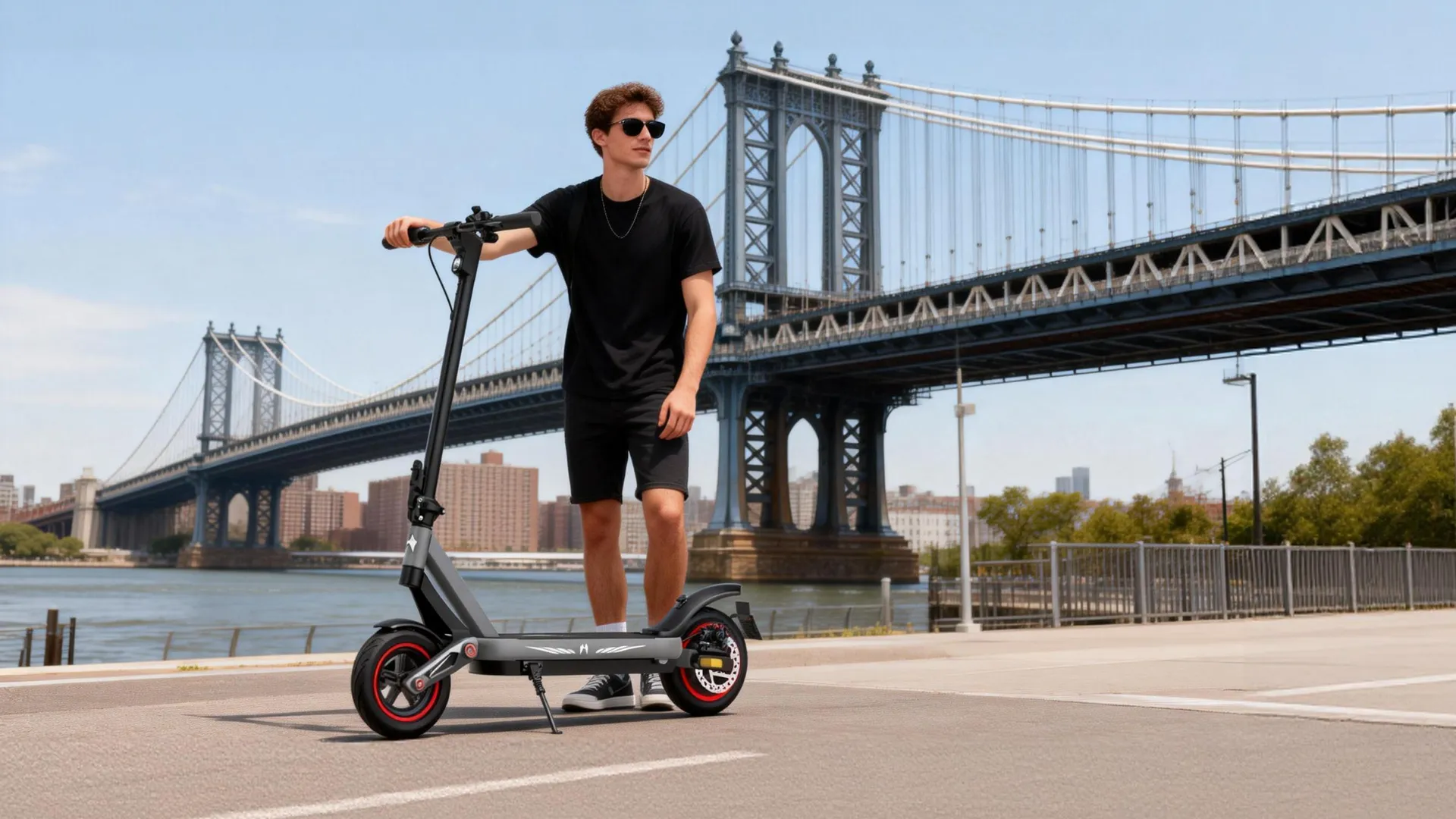
Torque is crucial for climbing hills. A scooter with low torque will struggle on steep inclines, forcing you to slow down or even walk. If you live in a hilly area, torque should be a top priority. For example, the Zwheel ZSD1 with its 2000W motor delivers strong torque for tackling steep grades.
3. Load Capacity and Rider Weight
Heavier riders or those carrying cargo need more torque to maintain performance. A high-torque scooter can handle extra weight without bogging down. If you're a larger rider or plan to carry groceries, look for a motor with ample torque.
4. Terrain Handling
Off-road riding demands torque to power through grass, dirt, and uneven surfaces. The Zwheel ZSB1 is designed with off-road capability in mind, offering 1200W of power and the torque needed for mixed terrain.
How Is Torque Measured in Electric Scooters?
Torque is typically measured in Newton-meters (Nm). However, most scooter manufacturers don't publish torque figures directly. Instead, they list motor wattage, which gives a rough idea of performance. As a general rule, higher wattage often correlates with higher torque, but it's not always a direct relationship because motor design and gearing also play a role.
For a more accurate comparison, look for reviews that mention acceleration and hill-climbing performance. You can also infer torque from the motor's wattage and the scooter's weight. For instance, a 500W motor on a lightweight scooter might feel torquey, while a 500W motor on a heavy scooter might feel sluggish.
Real-World Torque Examples
To give you a sense of scale, here are some typical torque outputs for different scooter classes:
- Entry-level (250-500W): Around 10-15 Nm. Suitable for flat terrain and lighter riders.
- Mid-range (800-1200W): Around 20-30 Nm. Good for moderate hills and heavier riders.
- High-performance (2000W+): 40+ Nm. Capable of steep climbs and rapid acceleration.
Keep in mind these are approximate, as actual torque depends on motor design and gearing.
Torque and Motor Wattage: What's the Connection?
Wattage is a measure of electrical power, but it doesn't directly translate to torque. However, higher wattage motors generally have the potential to produce more torque. The relationship is influenced by the motor's design, voltage, and controller. For example, a 1000W motor might produce more torque than a 800W motor, but if the 800W motor is geared for torque, it could feel stronger off the line.
When comparing scooters, don't rely solely on wattage. Consider the scooter's intended use. Commuter scooters like the Zwheel ZSA Plus (800W) are tuned for a balance of efficiency and torque for city riding, while racing models like the Zwheel ZSE2 (6000W) prioritize raw power and torque for extreme performance.
How to Choose a Scooter with the Right Torque for Your Needs
Your riding style and terrain should guide your choice. Here's a quick breakdown:
- City commuting: Look for 800-1000W motors with moderate torque. They offer a good balance of speed and efficiency. The Zwheel D3S-S (1000W) is a solid choice for urban riders.
- Hilly areas: Prioritize torque over top speed. A 1200W+ motor with strong low-end torque will make climbs easier. The Zwheel ZSB2 (1500W) is built for all-terrain use and offers ample torque.
- Off-road and trails: You'll need high torque to handle rough terrain. Consider 2000W or more, like the Zwheel ZSD2 (4000W) for serious off-road performance.
- Heavy riders or cargo: Look for motors with high torque ratings. A 2000W+ motor is recommended if you're over 200 lbs or carry gear.
Torque and Battery Life: Is There a Trade-off?
Higher torque often means more energy consumption, which can reduce range. However, modern scooters use efficient controllers and battery management systems to mitigate this. If range is a priority, choose a scooter with a larger battery capacity to offset the extra power draw. Many high-torque scooters still offer respectable range, especially if you ride conservatively.
Frequently Asked Questions About Electric Scooter Torque
What is torque in an electric scooter?
Torque is the rotational force produced by the motor that propels the scooter forward. It's what you feel as acceleration and hill-climbing power.
Does higher torque mean higher top speed?
Not necessarily. Torque affects acceleration and pulling power, while top speed is more closely related to motor wattage and RPM. A high-torque scooter might have a lower top speed than a high-power, low-torque model.
How much torque do I need for hilly terrain?
For moderate hills, look for a scooter with at least 20-30 Nm of torque (typically 800-1200W). For steep or long climbs, aim for 40+ Nm (2000W+).
Can I increase the torque of my electric scooter?
Generally, no—torque is determined by the motor and controller. However, you can optimize performance by keeping tires inflated, reducing weight, and maintaining the battery. Some aftermarket controllers can alter torque delivery, but this may void warranties.
Is torque more important than top speed?
It depends on your riding needs. For city commuting and hilly areas, torque is often more practical. For long straightaways, top speed might matter more. Ideally, choose a scooter with a balance of both.
Conclusion: Why Electric Scooter Torque Matters
Torque is the unsung hero of electric scooter performance. It's the force that gets you moving, climbs hills, and handles extra weight. While wattage and top speed get the headlines, torque is what you feel every time you twist the throttle. By understanding electric scooter torque and why it matters, you can choose a scooter that matches your riding style and terrain. Whether you're commuting to work or hitting the trails, prioritize torque for a responsive, confident ride.
Geschrieben von
Zwheel Team
Teil des Zwheel-Redaktionsteams mit Fokus auf E-Mobilität, Produktleitfäden und Fahrtipps.