Do Electric Scooters Work in the Rain? Truth Explained
Riding an electric scooter in the rain isn't automatically dangerous, but it depends on your scooter's IP rating, tire grip, and your riding choices. Here's the truth about water resistance, common failure points, and how to stay safe in wet conditions.
Tabla de contenidos
- Can You Ride an Electric Scooter in the Rain?
- Understanding IP Ratings: What Water Resistance Really Means
- IP54 vs. IP65 vs. IP67: What's the Difference?
- Real-World Risks: What Actually Happens When It Rains
- Electrical Failures: The Silent Killer
- Traction and Braking: Slippery When Wet
- Visibility: Can You See and Be Seen?
- How to Ride Safely in the Rain (Practical Tips)
- Which Zwheel Scooters Handle Rain Best?
- Long-Term Maintenance After Riding in Rain
- Frequently Asked Questions
- Can I ride my electric scooter in heavy rain?
- What happens if my electric scooter gets wet?
- Are all electric scooters waterproof?
- Do I need special tires for riding in the rain?
- How do I dry my electric scooter after riding in rain?
- Conclusion: The Truth About Rain and Electric Scooters
Can You Ride an Electric Scooter in the Rain?
Yes, you can ride an electric scooter in the rain — but only if it has adequate water resistance and you adjust your riding style. Most modern scooters are built to handle light rain and puddles, but not all are created equal. The truth is that water damage is one of the leading causes of electric scooter failures, and it's often avoidable with the right knowledge.
In this guide, we'll break down exactly what happens when an electric scooter meets rain, what the IP ratings mean for real-world riding, and how to protect your scooter (and yourself) on wet streets.
Understanding IP Ratings: What Water Resistance Really Means
When you see a scooter advertised as 'waterproof' or 'water-resistant,' it's not marketing fluff — it's based on an international standard called the Ingress Protection (IP) rating. The rating has two numbers: the first (0-6) covers solid particle protection, and the second (0-8) covers liquid ingress. For rain, you need to focus on the second number.
IP54 vs. IP65 vs. IP67: What's the Difference?
- IP54 — Protected against splashes from any direction. Fine for light drizzle, but not for heavy downpours or submersion.
- IP65 — Protected against low-pressure water jets. This means you can ride in moderate rain without worrying about the electronics, but you should still avoid deep puddles.
- IP67 — Protected against temporary immersion in water (up to 1 meter for 30 minutes). This is rare on scooters but offers the best rain protection.
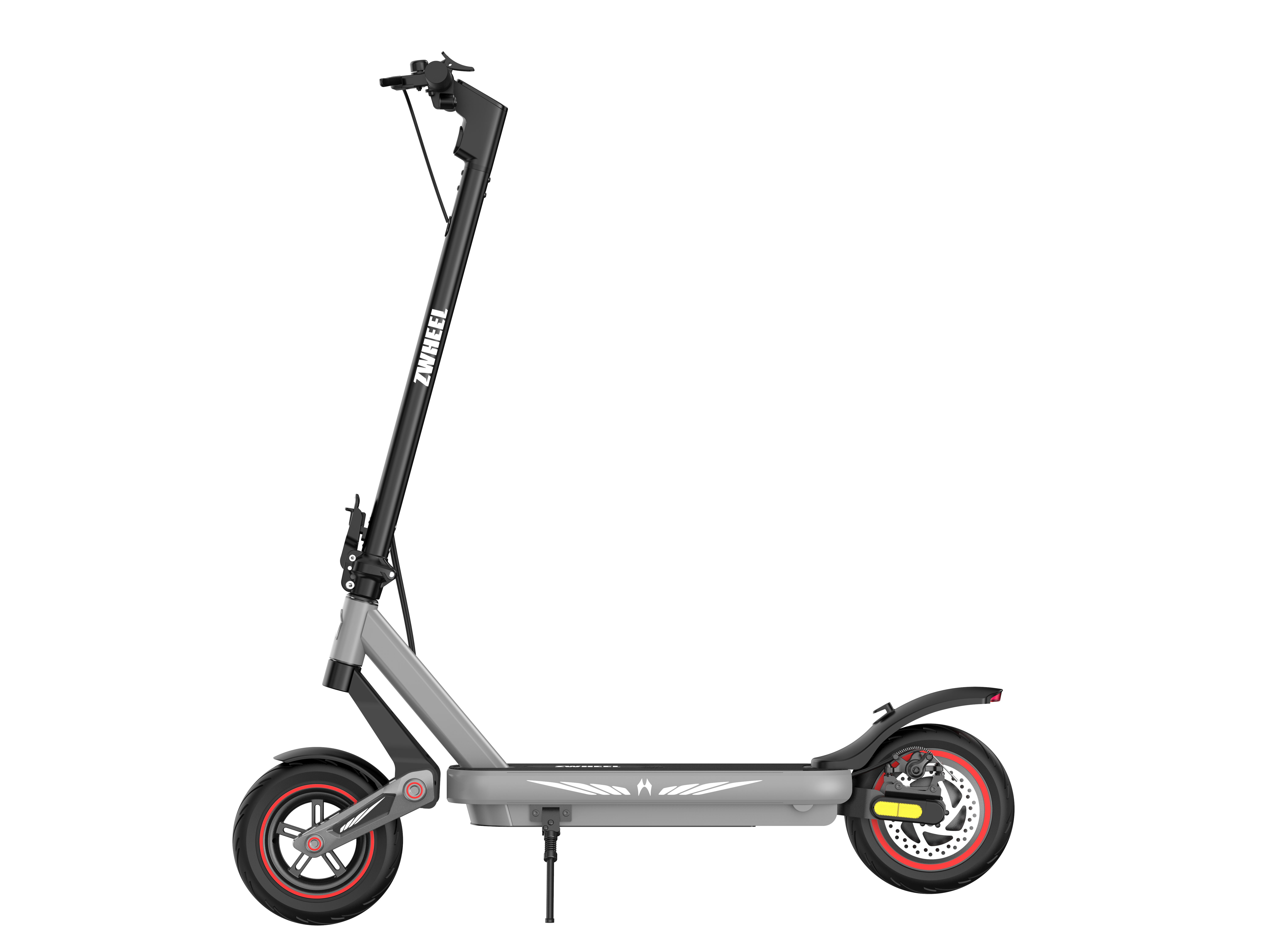
Most budget and mid-range scooters have an IP54 rating, which is enough for a light sprinkle but not a monsoon. If you live in a rainy city, look for at least IP65. For example, the Zwheel ZSA Plus comes with an IP54 rating, making it suitable for short rides in light rain, but you'll want to wipe it down afterward to prevent long-term corrosion.
Real-World Risks: What Actually Happens When It Rains
Water damage isn't the only concern. Rain introduces three distinct risks: electrical failure, reduced traction, and visibility issues. Let's break them down.
Electrical Failures: The Silent Killer
Water can seep into the deck, display, or battery compartment, causing short circuits. Even if your scooter has a good IP rating, connectors and charging ports are often the weakest link. A common mistake is leaving the charging port exposed during a ride — water can get in and corrode the pins.
Traction and Braking: Slippery When Wet
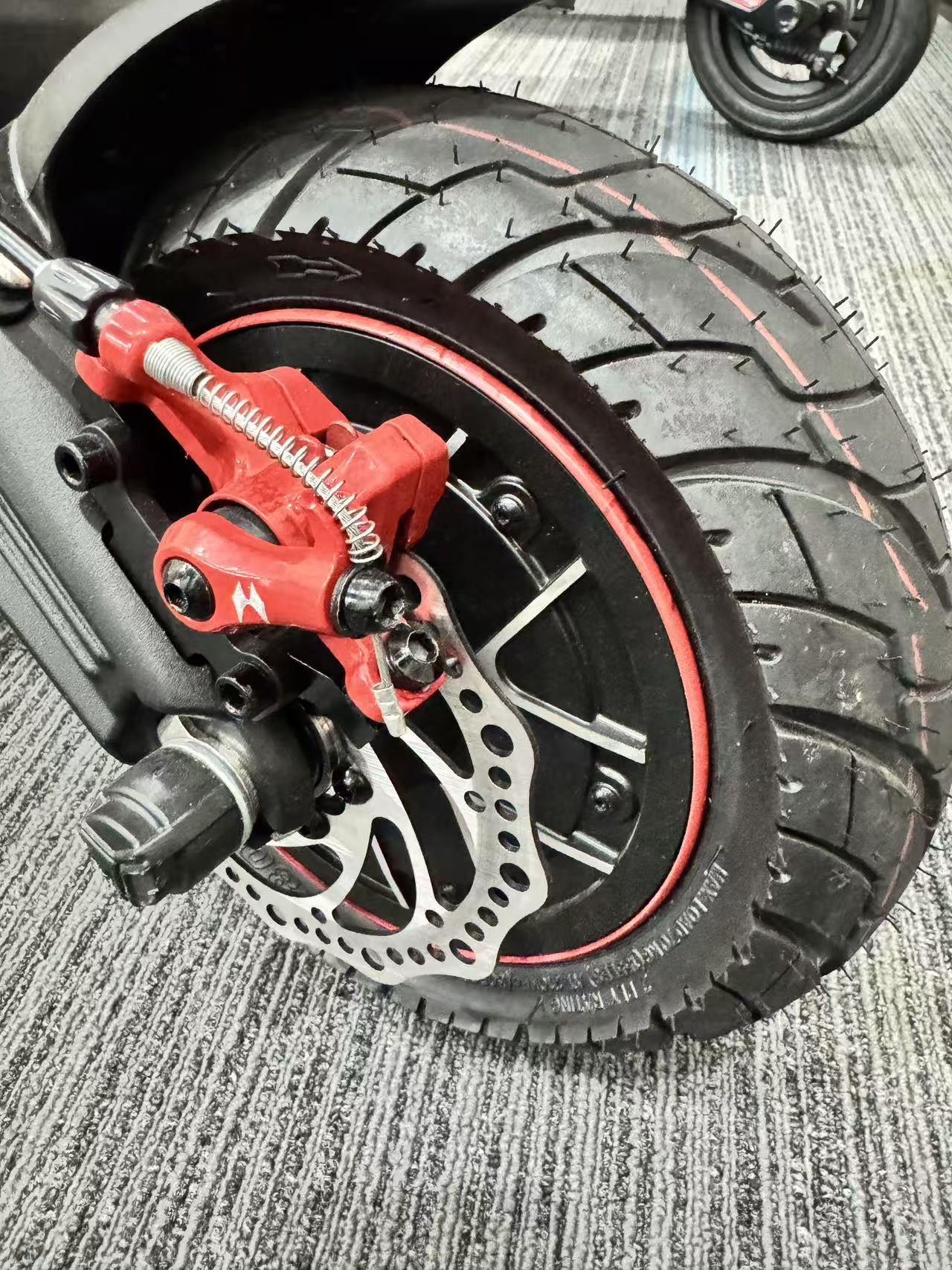
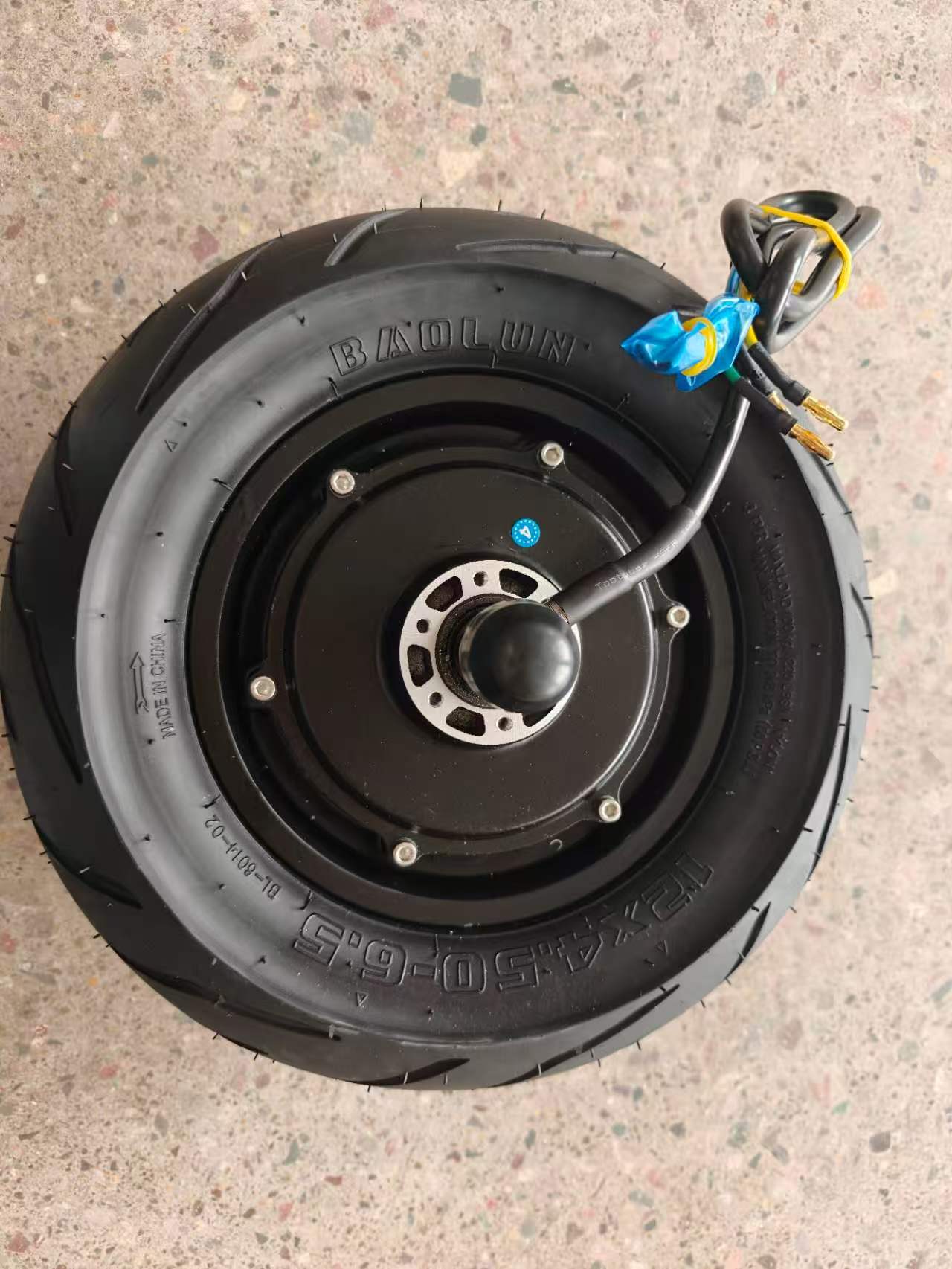
Wet roads reduce tire grip by up to 30%. This means your stopping distance increases significantly. Solid tires are especially dangerous because they have no tread to channel water away. Pneumatic (air-filled) tires with tread patterns are much safer in the rain. If your scooter has solid tires, consider avoiding rain altogether.
Visibility: Can You See and Be Seen?
Rain reduces your visibility and makes you less visible to drivers. Headlights and taillights are essential, but they also need to be properly sealed. Water can fog up the lens, diminishing their effectiveness.
How to Ride Safely in the Rain (Practical Tips)
If you must ride in the rain, follow these tips to minimize risk:
- Check your scooter's IP rating — if it's below IP54, don't risk it. If it's IP65 or higher, you're good for moderate rain.
- Seal the charging port — use the rubber cover or electrical tape to keep water out.
- Reduce speed — go at least 10-15 km/h slower than you would on dry roads.
- Brake earlier and gently — apply both brakes gradually to avoid skidding.
- Avoid puddles and manhole covers — they can hide deep holes or slippery metal.
- Wear waterproof gear and a helmet with a visor — staying dry helps you stay focused.
- Dry your scooter after the ride — wipe down the frame, deck, and handlebars, and leave it in a dry area to air out.
Which Zwheel Scooters Handle Rain Best?
Not all Zwheel models are equal when it comes to water resistance. If you're a daily commuter in a rainy area, consider these options:
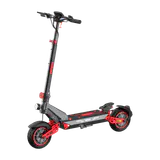
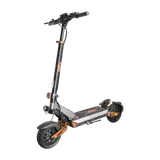
- Zwheel ZSA Plus (IP54) — A reliable city commuter that handles light rain but shouldn't be pushed in heavy downpours. Check it out here.
- Zwheel D3S-S (IP54) — Similar water resistance, but with a 1000W motor for better hill climbing in wet conditions. See the D3S-S.
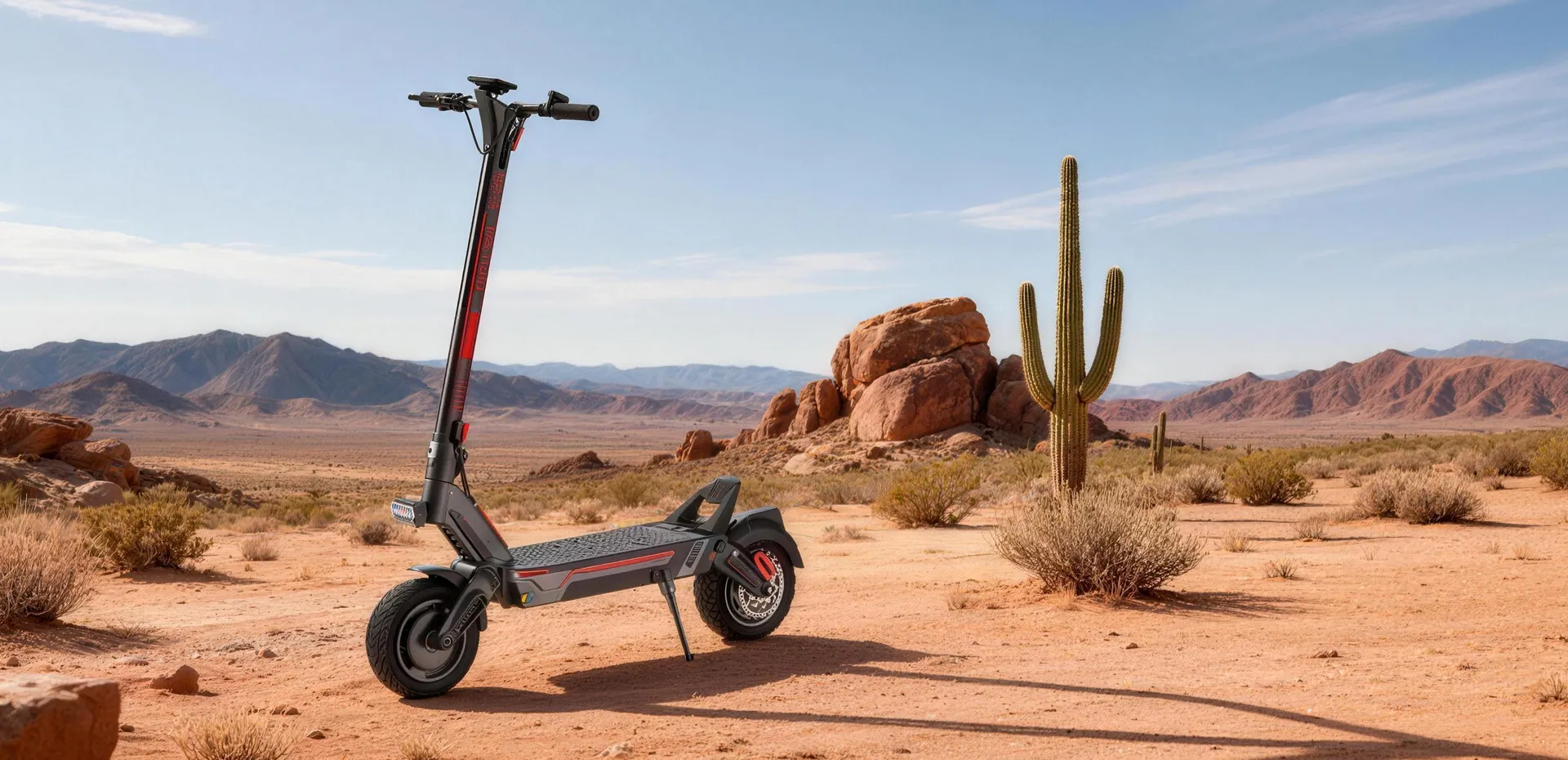
- Zwheel ZSB1 (IP65) — With an IP65 rating, this off-road scooter is better suited for wet weather. The 1200W motor and pneumatic tires give you more confidence on slick streets. Learn more about the ZSB1.
Remember, even with a higher IP rating, it's always wise to avoid riding in heavy storms. The best practice is to check the weather forecast and plan your route accordingly.
Long-Term Maintenance After Riding in Rain
Water can cause corrosion and rust over time, even if the scooter works fine immediately after a wet ride. Here's a simple maintenance routine:
- Dry all surfaces — use a microfiber cloth to wipe down the frame, deck, and handlebars.
- Check for water ingress — look for any signs of moisture in the display or around seals.
- Lubricate moving parts — apply a dry lubricant to the folding mechanism and brake levers to prevent rust.
- Inspect the battery — if you suspect water got into the battery compartment, don't charge it. Let it dry completely for 24-48 hours before charging.
Frequently Asked Questions
Can I ride my electric scooter in heavy rain?
It's not recommended. Even with an IP65 rating, heavy rain can overwhelm seals, and visibility becomes dangerously low. If you absolutely must ride, take it slow and avoid standing water.
What happens if my electric scooter gets wet?
If the water reaches the electronics, it can cause short circuits, motor failure, or battery damage. If your scooter gets soaked, turn it off immediately, dry it thoroughly, and wait at least 24 hours before attempting to charge or ride it again.
Are all electric scooters waterproof?
No, only some are. Check the IP rating — anything below IP54 is not suitable for rain. Most manufacturers list this in the specs, so always verify before riding in wet conditions.
Do I need special tires for riding in the rain?
Pneumatic tires with a good tread pattern are ideal. Solid tires are slippery when wet. If your scooter has solid tires, consider upgrading to pneumatic if possible, or avoid riding in the rain altogether.
How do I dry my electric scooter after riding in rain?
Use a soft cloth to wipe down all external surfaces. Remove the battery if possible and dry the compartment. Let the scooter air dry in a well-ventilated area for at least a few hours before storing it.
Conclusion: The Truth About Rain and Electric Scooters
So, do electric scooters work in the rain? The truth is: they can, but with caveats. A scooter with a decent IP rating (IP54 or higher) and pneumatic tires will handle light to moderate rain fine. But you must take precautions — slow down, seal the charging port, and dry your scooter afterward. For frequent rainy-day commuters, investing in a scooter like the Zwheel ZSB1 with IP65 protection is a smart move. Always prioritize safety over convenience, and you'll enjoy many miles of riding, rain or shine.
Escrito por
Zwheel Team
Parte del equipo editorial de Zwheel, cubriendo tendencias de movilidad, guías de productos y consejos para ciclistas.