Electric Scooter for Rehabilitation: Gentle Mobility Aid Guide
Looking for a gentle mobility aid after injury or surgery? An electric scooter for rehabilitation can provide safe, low-impact transport. Learn what to look for and how to choose the right one.
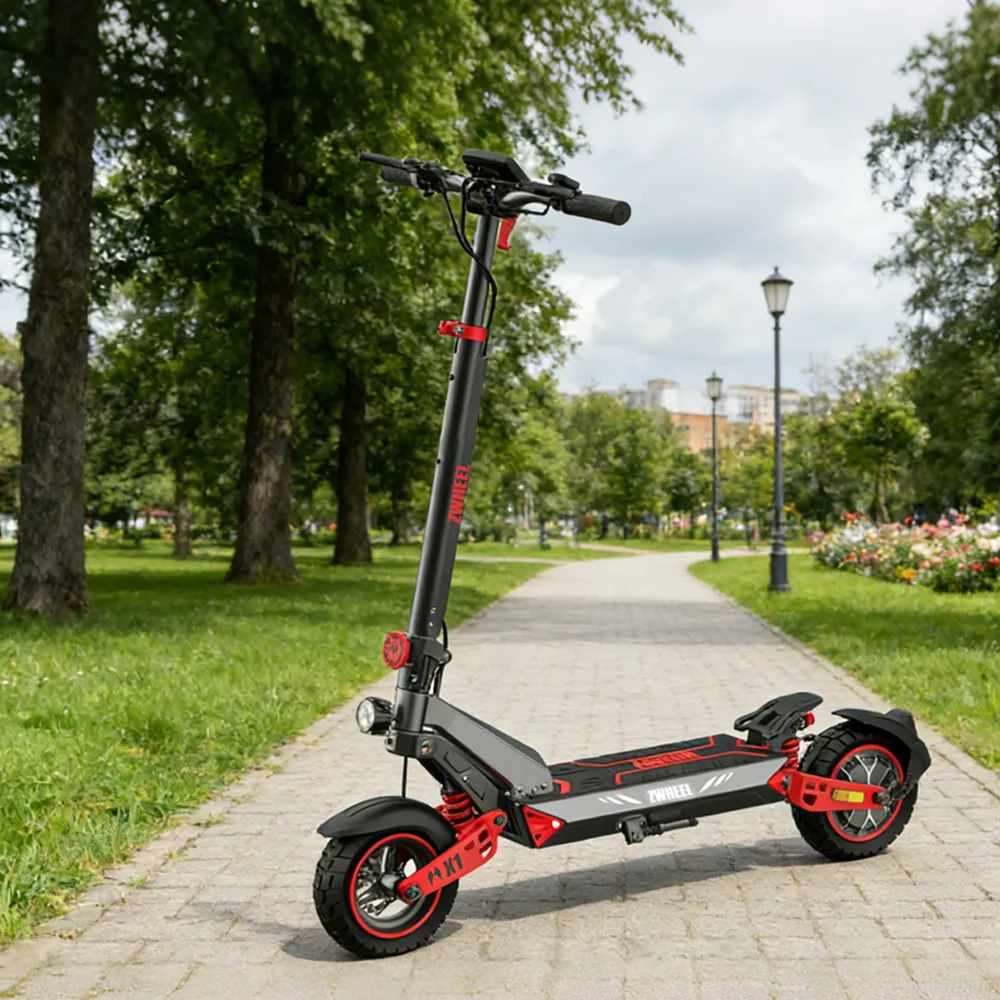
Tabla de contenidos
- Why an Electric Scooter Can Be a Gentle Mobility Aid During Rehabilitation
- Understanding Your Needs: Rehabilitation vs. Recreation
- Key Features to Look for in a Gentle Mobility Scooter
- 1. Step-Through or Low-Step Design
- 2. Speed Control and Throttle Sensitivity
- 3. Tire and Suspension Setup
- 4. Braking System
- Top Electric Scooters for Gentle Rehabilitation (2026 Update)
- Best for Smooth City Streets: Zwheel ZSA Plus
- Best for Comfort and Stability: Zwheel ZSB1
- Best for Mixed Terrain: Zwheel ZSB2
- Safety Tips for Using an Electric Scooter as a Mobility Aid
- When to Consult Your Physical Therapist
- Maintenance and Care for Your Mobility Scooter
- Frequently Asked Questions
- Can I use an electric scooter if I have poor balance?
- What is the recommended speed for a rehabilitation scooter?
- How far can I travel on a single charge?
- Is an electric scooter a good alternative to a wheelchair?
- Can I ride an electric scooter in the rain?
- Conclusion: Regaining Independence with the Right Scooter
Why an Electric Scooter Can Be a Gentle Mobility Aid During Rehabilitation
Recovering from surgery, injury, or managing a chronic condition often means rethinking how you get around. While traditional wheelchairs or walkers have their place, an electric scooter for rehabilitation offers a unique blend of independence, fresh air, and gentle exercise. Unlike high-performance models built for thrills, these scooters can be configured for smooth, stable, and low-impact travel.
For many, the mental boost of being able to run a quick errand or enjoy a park path without exhausting yourself is invaluable. Electric scooters are not just for the able-bodied commuter; with the right features, they become a legitimate gentle mobility aid that supports your recovery journey.
Understanding Your Needs: Rehabilitation vs. Recreation
It's crucial to distinguish between a scooter for recreation and one for rehabilitation. A rehabilitation scooter prioritizes:
- Stability: Wider decks and lower centers of gravity.
- Smooth Ride: Quality suspension and pneumatic tires to absorb shock.
- Controllable Speed: Multiple speed modes, including a very slow walking pace.
- Ease of Mounting: Low step-over height and robust kickstand.
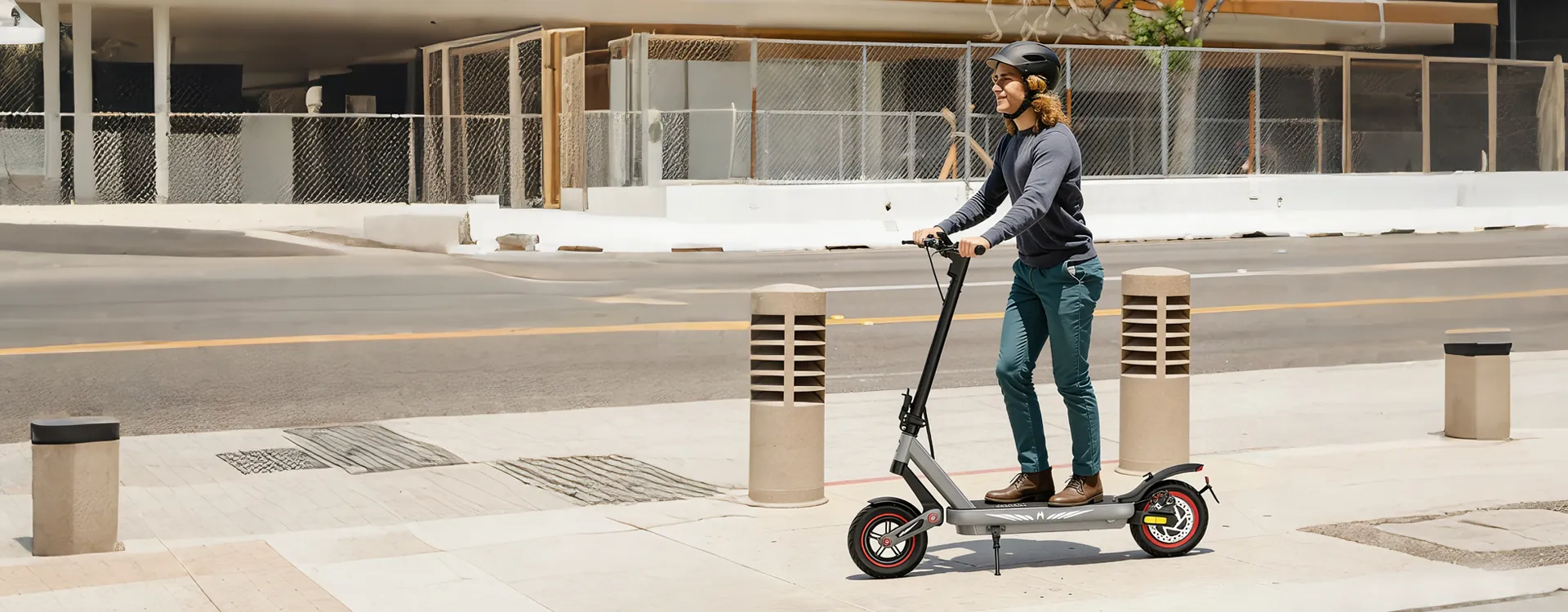
While some models like the Zwheel ZSA Plus are marketed for commuters, their features can be adapted. However, for dedicated rehabilitation, you might lean towards models with larger wheels and more refined suspension, like the Zwheel ZSB1.
Key Features to Look for in a Gentle Mobility Scooter
When you start your search, you'll notice a wide range of specs. Here’s what truly matters for a gentle and safe experience during rehabilitation.
1. Step-Through or Low-Step Design
Hip or knee surgery? A traditional scooter deck might be too high to lift your leg over. Look for models with a low deck height. The Zwheel D3S-S features a relatively low profile, but always check the deck-to-ground measurement. A lower deck also lowers the center of gravity, enhancing stability.
2. Speed Control and Throttle Sensitivity
You need a throttle that responds smoothly without jerks. Many premium scooters offer an 'eco' or 'beginner' mode that caps the speed at 10-12 mph. For rehabilitation, you'll want a model that can go as slow as 5-8 mph comfortably. Look for scooters with a thumb throttle rather than a twist grip, as it's easier on the wrists and offers more precise control.
3. Tire and Suspension Setup
Pneumatic (air-filled) tires are a must for absorbing sidewalk cracks and uneven terrain. Combined with front and rear suspension, they prevent jolts from traveling up your spine and joints. The Zwheel D3D-S with its dual suspension and off-road capable tires provides a cushioned ride that's still manageable for daily use.
4. Braking System
Reliable brakes are non-negotiable. Look for dual mechanical or hydraulic disc brakes. Electronic regenerative brakes are a bonus, as they provide a smoother deceleration and help recharge the battery. A good braking system will give you the confidence to stop precisely when needed.
Top Electric Scooters for Gentle Rehabilitation (2026 Update)
Based on current models from Zwheel, here are our top picks that balance comfort, safety, and usability for those in recovery.
Best for Smooth City Streets: Zwheel ZSA Plus
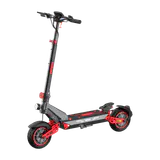
The ZSA Plus is a fantastic all-rounder. Its 800W motor is quiet and peppy, but the real highlight is the excellent suspension system that absorbs most road chatter. With a top speed of 20 mph, you'll likely stay in the lower speed modes, but having the headroom means the motor isn't straining when you need to climb a slight incline. It's a reliable choice for post-op mobility around the neighborhood.
Best for Comfort and Stability: Zwheel ZSB1
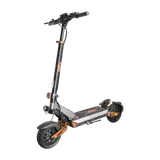
If your priority is the most comfortable ride possible, the ZSB1 stands out. Its 1200W motor provides ample torque without being aggressive. The wide, 10-inch pneumatic tires and robust suspension system create a 'magic carpet' feel. This model is particularly good if you have back issues, as it minimizes vibration. It's a bit heavier, but that's a trade-off for the stability it offers.
Best for Mixed Terrain: Zwheel ZSB2
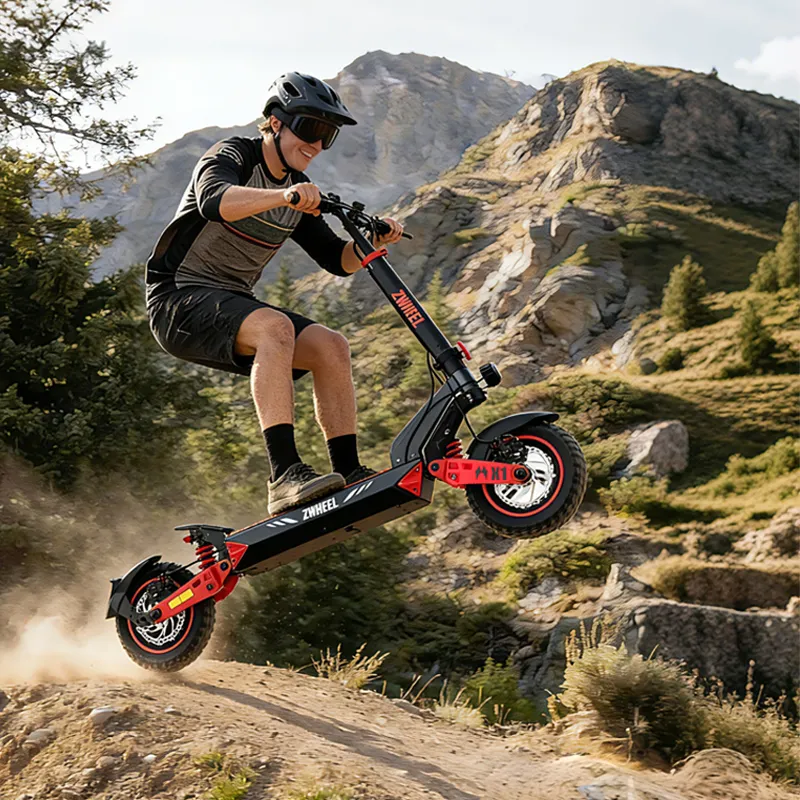
Sometimes, rehabilitation happens on gravel paths or park trails. The ZSB2 is an all-terrain model that features even larger tires and a more forgiving ride. While its 1500W motor is powerful, it comes with a highly tunable controller, allowing you to set a gentle acceleration curve. This makes it a surprisingly good gentle mobility aid for those who need to navigate slightly rougher surfaces.
Safety Tips for Using an Electric Scooter as a Mobility Aid
Safety is paramount when you're using a scooter during recovery. Here are some actionable tips to keep in mind.
- Start Slow: Spend your first few days in an empty parking lot or a quiet cul-de-sac. Get used to the throttle and brakes.
- Wear a Helmet: Even at low speeds, a fall can happen. Always wear a certified helmet.
- Use a Spotter: For the first week, have a friend or family member walk beside you.
- Check Your Balance: Before riding, ensure you can stand on one leg for a few seconds. If not, consider a scooter with a seat attachment.
- Plan Your Route: Stick to smooth, well-lit paths. Avoid steep hills and areas with heavy pedestrian traffic until you're confident.
When to Consult Your Physical Therapist
Before integrating an electric scooter into your routine, it's wise to discuss it with your physical therapist. They can advise on whether the motion of standing and balancing will be beneficial or detrimental to your specific recovery. For some, the scooter can be a transitional tool to build strength, while for others, it might encourage too much dependency. They can also recommend specific exercises to complement your scooter use.
Maintenance and Care for Your Mobility Scooter
A gentle mobility aid should be reliable. Simple maintenance ensures your scooter is always ready when you need it.
- Keep it Charged: Don't let the battery fully drain. Charge it after every ride, even if it's short.
- Tire Pressure: Check tire pressure weekly. Properly inflated tires ensure a smooth ride and reduce the risk of flats.
- Clean the Deck: Keep the deck free of dirt and moisture to prevent slips.
- Bolt Check: Every month, check that all visible bolts and screws are tight, especially on the stem and handlebars.
Frequently Asked Questions
Can I use an electric scooter if I have poor balance?
Yes, but with caution. Look for models with a very stable, wide deck and consider using it only in 'slow' mode. Practicing mounting and dismounting is essential. Some people find it helpful to hold onto a wall or a helper when starting. If your balance is severely impaired, a three-wheeled mobility scooter might be a better fit.
What is the recommended speed for a rehabilitation scooter?
For rehabilitation purposes, a top speed of 10-15 mph is more than sufficient. You'll likely spend most of your time in the 5-8 mph range. The key is having a throttle that allows for fine control at these low speeds without sudden lurches.
How far can I travel on a single charge?
Most quality electric scooters offer a range of 20-40 miles on a single charge. However, during rehabilitation, you'll rarely need that much. Frequent short trips are better. Remember, range is affected by rider weight, terrain, and speed.
Is an electric scooter a good alternative to a wheelchair?
It can be, but they serve different purposes. A wheelchair offers full-time seated support. An electric scooter requires you to stand and balance, which can be therapeutic but is not suitable for those who cannot stand for extended periods. For some, a scooter with a detachable seat is a good compromise.
Can I ride an electric scooter in the rain?
It's best to avoid riding in heavy rain, as wet surfaces can reduce traction. Most scooters have an IPX4 water resistance rating, meaning they can handle light splashes but not downpours. If you get caught in the rain, dry the scooter thoroughly afterward, especially the brakes and charging port.
Conclusion: Regaining Independence with the Right Scooter
Choosing an electric scooter for rehabilitation is a personal decision that can significantly enhance your quality of life during recovery. It's not about giving up on walking; it's about giving yourself a safe, fun, and practical way to stay mobile when your body needs a break. By focusing on stability, gentle throttle response, and comfort, you can find a gentle mobility aid that supports your journey back to full strength.
We recommend visiting a store to test ride different models to see which one feels most natural. And when you're ready, explore the options we've discussed here to find the perfect partner for your recovery. Ride safe, and here's to your health!
Escrito por
Zwheel Team
Parte del equipo editorial de Zwheel, cubriendo tendencias de movilidad, guías de productos y consejos para ciclistas.