Electric Scooter Regulation Changes Coming 2026: What Riders Must Know
As of August 2026, new electric scooter regulations are rolling out across the US and Europe. This guide covers speed limits, helmet laws, and equipment requirements to help you ride legally and safely.
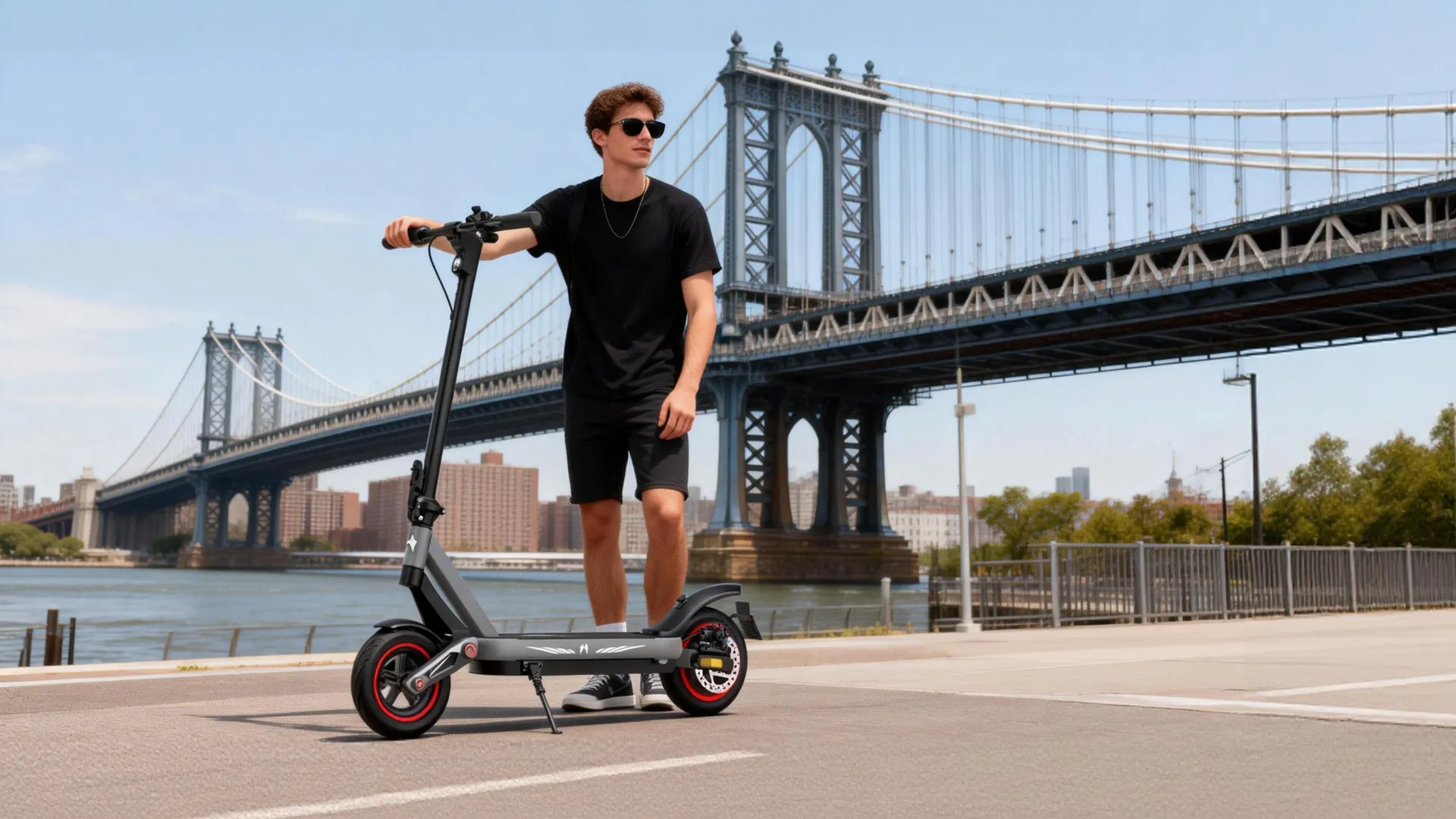
Tabla de contenidos
- Introduction: The New Era of E-Scooter Rules
- Why Are E-Scooter Regulations Changing in 2026?
- Key Drivers Behind the New Rules
- Major Electric Scooter Regulation Changes Coming in 2026
- 1. Speed Limits and Power Restrictions
- 2. Mandatory Safety Equipment
- 3. Age and Licensing Requirements
- 4. Battery and Charging Standards
- 5. Parking and Riding Zones
- How to Stay Compliant and Safe in 2026
- Check Local Laws
- Upgrade Your Gear
- Register Your Scooter (If Required)
- Stay Updated
- Choosing a 2026-Compliant Scooter
- Frequently Asked Questions
- Do I need a license to ride an electric scooter in 2026?
- Are there any federal e-scooter regulations in the US?
- Can I ride my e-scooter on the sidewalk?
- What should I do if my scooter doesn't meet the new standards?
- Conclusion: Embrace the Change
Introduction: The New Era of E-Scooter Rules
If you ride an electric scooter, 2026 is a landmark year. As of August 2026, a wave of regulation changes is sweeping through the United States and Europe, affecting everything from speed limits to required safety gear. Whether you're a daily commuter or a weekend thrill-seeker, understanding these changes is crucial to avoid fines, stay safe, and keep enjoying the ride.
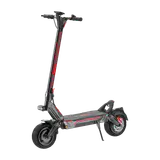
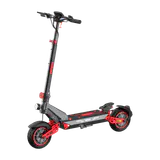
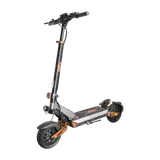
In this comprehensive guide, we'll break down the most significant electric scooter regulation changes coming in 2026, explain how they impact you, and offer practical tips to stay compliant. We'll also highlight some of the best scooters that meet the new standards—like the Zwheel ZSA Plus for city commuters and the Zwheel ZSD1 for off-road enthusiasts.
Why Are E-Scooter Regulations Changing in 2026?
The rapid growth of electric scooters has brought convenience but also raised safety concerns. Cities have reported a spike in accidents, sidewalk conflicts, and battery fires. In response, regulators are implementing stricter, more uniform rules. The goal is to integrate e-scooters safely into existing transportation networks while protecting pedestrians and riders alike.
Key Drivers Behind the New Rules
- Safety data: A 2025 study by the National Highway Traffic Safety Administration (NHTSA) showed a 40% increase in e-scooter-related emergency room visits since 2023.
- Battery fires: Lithium-ion battery fires have become a major concern, prompting stricter UL certification requirements.
- Infrastructure: Cities are investing in dedicated bike lanes and scooter parking zones, requiring vehicles that fit new size and speed parameters.
Major Electric Scooter Regulation Changes Coming in 2026
Here’s a breakdown of the most impactful changes you need to know:
1. Speed Limits and Power Restrictions
One of the most talked-about changes is the introduction of universal speed limits. In many US states, the default maximum speed for e-scooters on public roads will be capped at 20 mph (32 km/h) unless the scooter is registered as a higher-class vehicle. In Europe, the EU is standardizing at 25 km/h (15.5 mph) for urban areas.
This means high-powered scooters like the Zwheel ZSE2 (which can reach 60 mph) will now require a special license and registration to be used on public roads. Off-road use remains unrestricted, but you'll need to transport your scooter to legal riding areas.
2. Mandatory Safety Equipment
Helmets are now required for all riders, regardless of age, in most jurisdictions. Additionally, new rules mandate that scooters come equipped with:
- Front and rear lights (always on during night rides)
- Reflectors on the sides
- A horn or bell
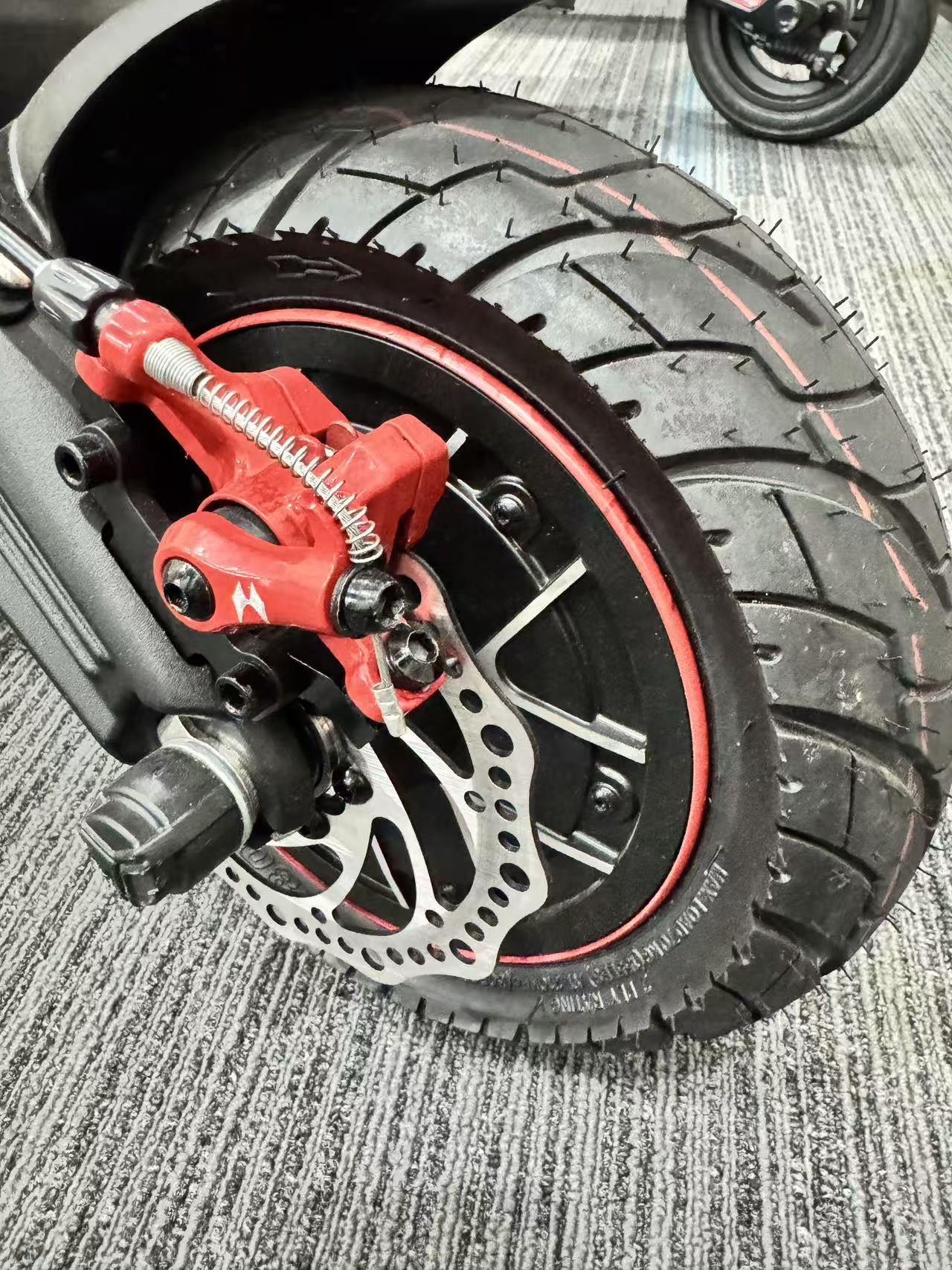
- Working brakes (disc or regenerative)
If your current scooter lacks these, you may need to retrofit or upgrade. The Zwheel ZSB1 comes with bright integrated lighting and a horn, making it a compliant choice.
3. Age and Licensing Requirements
Minimum age limits are being raised in many areas. In the US, several states now require riders to be at least 16 years old, and some cities require a valid driver's license or a special e-scooter permit. In the EU, riders must be at least 14, but a moped license is required for scooters that exceed 25 km/h.
4. Battery and Charging Standards
To address fire risks, 2026 regulations require all e-scooter batteries to meet UL 2271 or equivalent safety standards. This means using certified chargers and avoiding after-market batteries. Always buy from reputable brands that comply, like Zwheel.
5. Parking and Riding Zones
Many cities are designating specific parking areas and no-ride zones (e.g., sidewalks, pedestrian malls). Scooters must be parked in designated spots, and geofencing technology may be enforced to limit speeds in certain areas.
How to Stay Compliant and Safe in 2026
Adapting to these changes doesn't have to be a hassle. Here are practical steps:
Check Local Laws
Regulations vary by city and state. Visit your local Department of Motor Vehicles (DMV) website or city transportation page for the latest rules. Apps like ScooterMap can also provide real-time updates.
Upgrade Your Gear
Invest in a DOT-approved helmet and high-visibility clothing. Equip your scooter with additional lights if needed. The Zwheel D3S-S features a bright headlight and tail light, ideal for night commuting.
Register Your Scooter (If Required)
Some states require registration for scooters above a certain power rating. Keep your proof of purchase and register online if applicable. This is especially important for high-performance models like the Zwheel ZSD2.
Stay Updated
Regulations are still evolving. Subscribe to advocacy groups like the Electric Scooter Association or follow local news to stay informed.
Choosing a 2026-Compliant Scooter
If you're in the market for a new scooter, look for these features:
- UL-certified battery
- Dual brakes
- Integrated lighting
- Speed limiter option (to comply with local laws)
Zwheel offers a range of models that meet these criteria. For city commuters, the Zwheel ZSA Plus (800W, $499) is a budget-friendly option with a 20 mph top speed. For mixed terrain, the Zwheel ZSB2 (1500W, $650) provides power and compliance.
Frequently Asked Questions
Do I need a license to ride an electric scooter in 2026?
In many US states, a standard driver's license is required for scooters that exceed 20 mph or have a motor above 750W. For lower-powered scooters, a permit may be sufficient. Always check local laws.
Are there any federal e-scooter regulations in the US?
Currently, there are no federal laws governing e-scooters; regulations are set by state and local governments. However, the CPSC has proposed federal safety standards that may be finalized by late 2026.
Can I ride my e-scooter on the sidewalk?
Most cities prohibit sidewalk riding. In 2026, more municipalities are enforcing this, with fines ranging from $50 to $200. Always use bike lanes or roads.
What should I do if my scooter doesn't meet the new standards?
You can retrofit certain components like lights and reflectors. If the battery isn't UL-certified, consider replacing it. For speed, check if your scooter has a speed limiter setting.
Conclusion: Embrace the Change
The electric scooter regulation changes coming in 2026 are designed to make riding safer and more sustainable. By staying informed and compliant, you can continue to enjoy the freedom and convenience of e-scooters without worry. Remember to check local laws, equip your scooter properly, and choose models that align with the new standards. Happy and safe riding!
Escrito por
Zwheel Team
Parte del equipo editorial de Zwheel, cubriendo tendencias de movilidad, guías de productos y consejos para ciclistas.