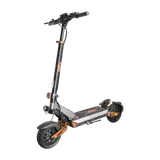
Electric Scooter Sharing vs Owning Cost Analysis 2026
A detailed cost analysis comparing electric scooter sharing services vs owning your own scooter in 2026. We examine per-mile costs, hidden fees, maintenance, and total annual expenses to help you decide which option saves more money.
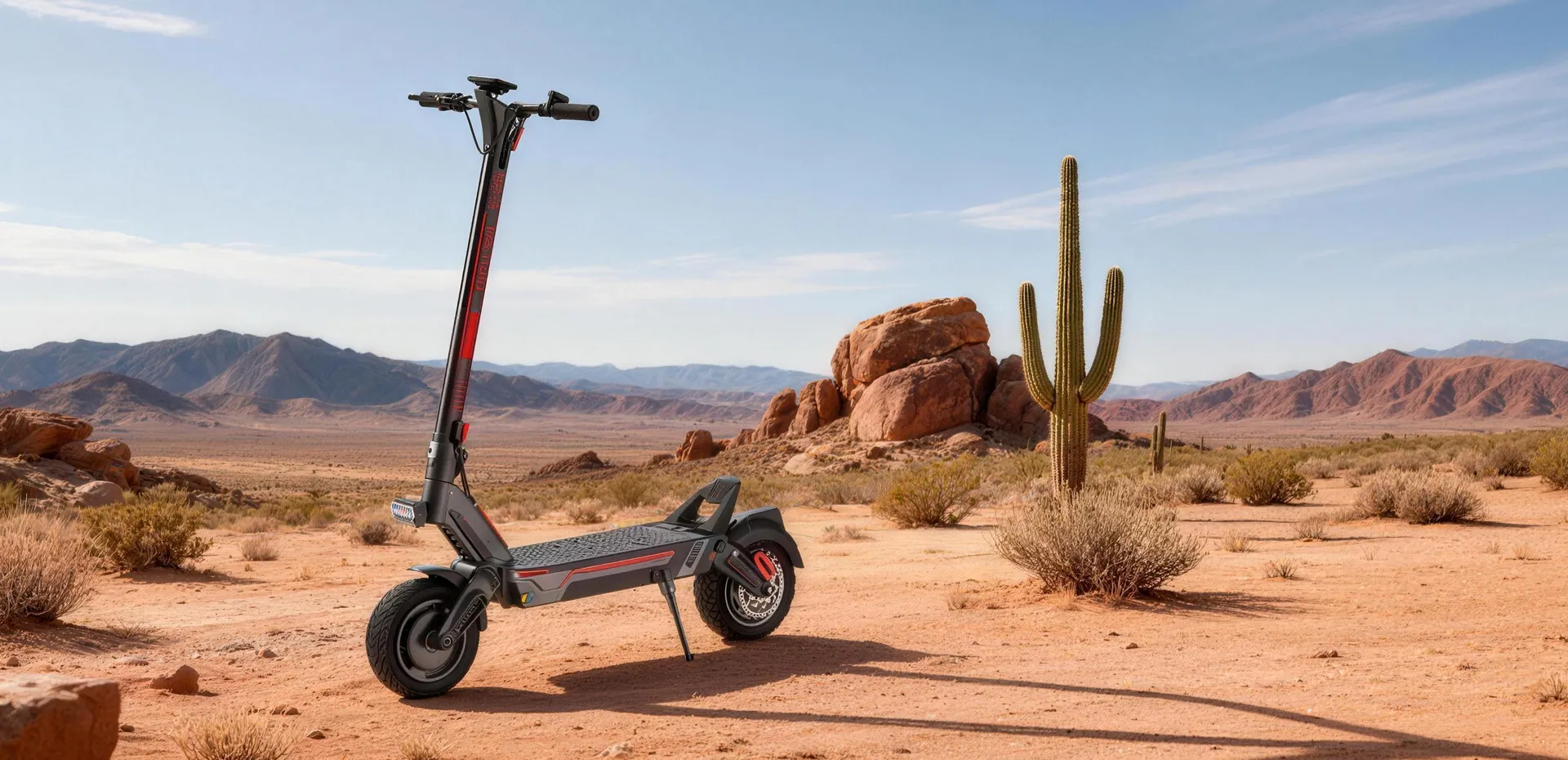
Tabla de contenidos
- Electric Scooter Sharing vs Owning Cost Analysis 2026
- The Real Cost of E-Scooter Sharing in 2026
- Hidden Fees You Might Miss
- Owning Your Own Electric Scooter: Upfront and Ongoing Costs
- Comparing Total Cost of Ownership to Sharing
- When Sharing Makes Sense
- Scenario: Occasional Rider (2 rides per week)
- Maintenance and Repair Costs: Ownership Reality Check
- Is Owning Worth It for Long-Term Commuters?
- Final Verdict: Save Thousands by Owning
- Frequently Asked Questions
- How much does it cost to own an electric scooter per year?
- Is it cheaper to rent or buy an electric scooter?
- What are the hidden costs of e-scooter sharing?
- How long does an electric scooter battery last?
- Can I use an electric scooter for daily commuting?
Electric Scooter Sharing vs Owning Cost Analysis 2026
In 2026, electric scooters have become a staple of urban mobility. But a nagging question remains: Is it cheaper to rent an e-scooter by the minute or to buy one outright? This electric scooter sharing vs owning cost analysis will give you the numbers you need to make a smart financial decision. We'll break down per-mile costs, hidden fees, maintenance, and total annual expenses using real 2026 pricing data.
The Real Cost of E-Scooter Sharing in 2026
Let's start with sharing services. In 2026, major providers like Lime, Bird, and Spin have adjusted their pricing models. The average unlock fee is now $1.50, and per-minute rates range from $0.35 to $0.50 depending on your city and demand. For a typical 15-minute, 2-mile trip, that's $1.50 + (15 × $0.40) = $7.50 per ride. Over a year of daily commuting (250 trips), that's $1,875.
Hidden Fees You Might Miss
Sharing services often add surge pricing during peak hours (up to 2x), end-ride fees for parking outside designated zones, and subscription plans that lock you into monthly payments. Even with a $5.99/month subscription that waives unlock fees, your annual cost for daily 2-mile trips drops only to about $1,200 — still steep.
Owning Your Own Electric Scooter: Upfront and Ongoing Costs
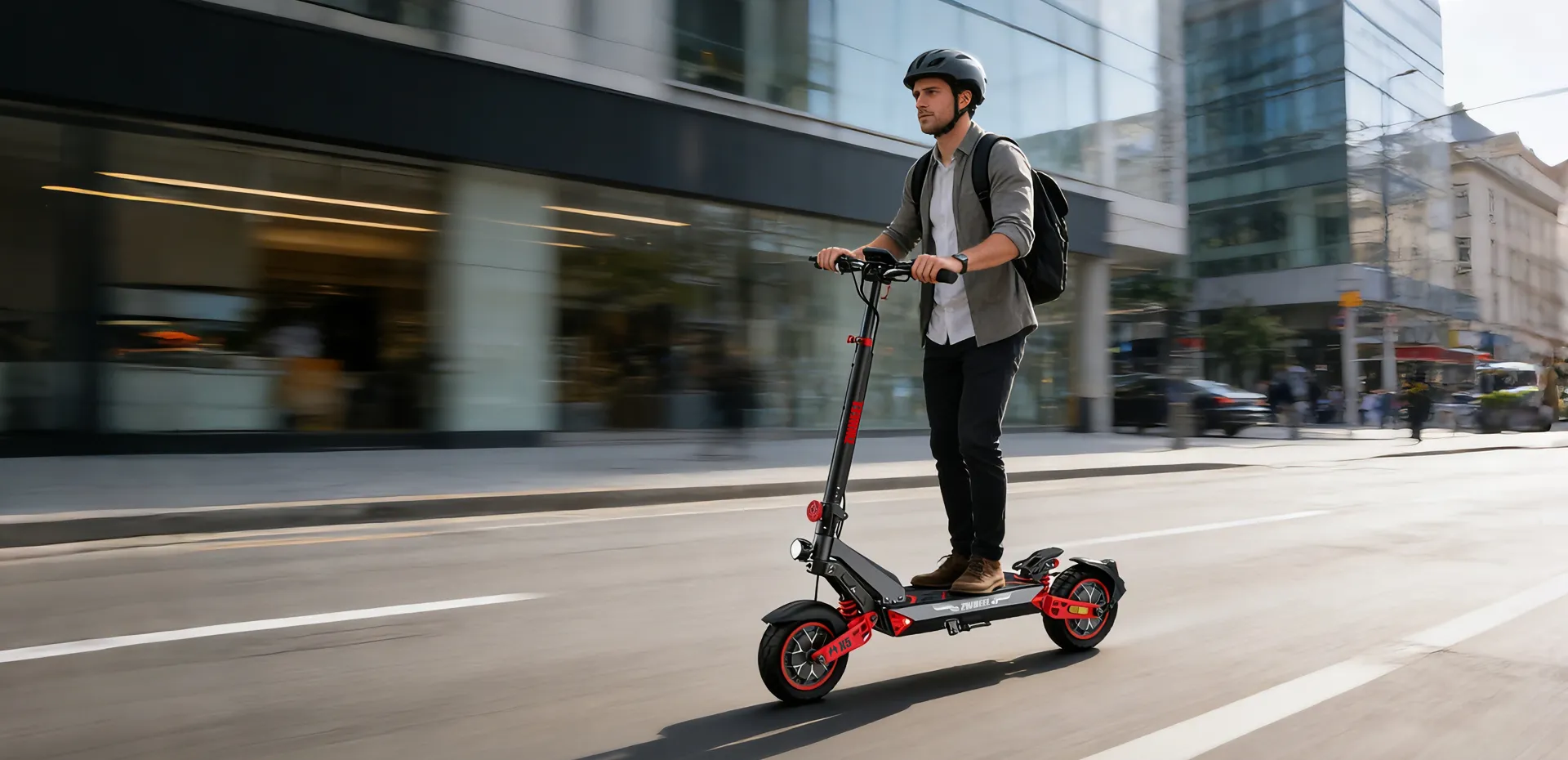
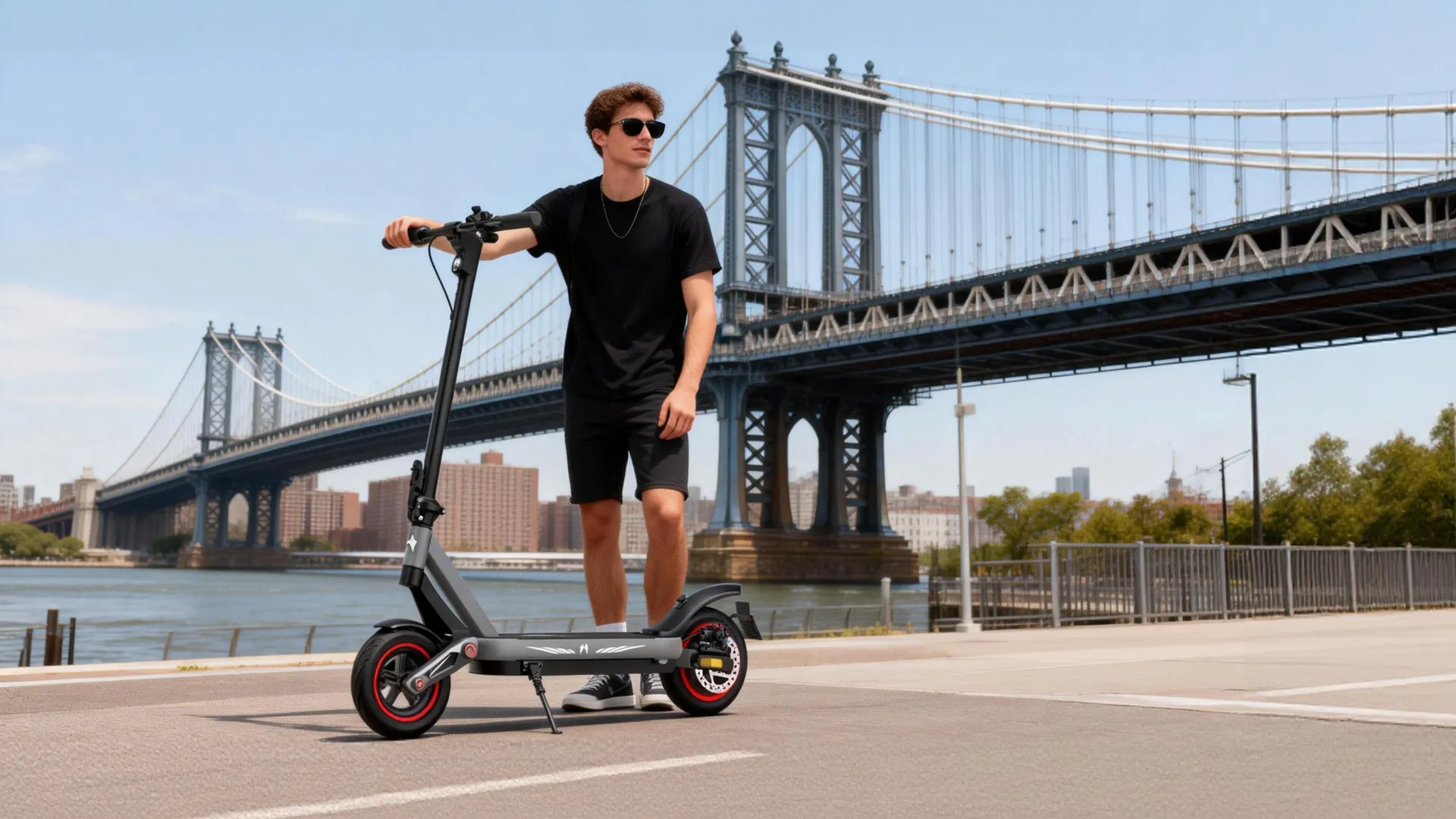
Now let's look at ownership. A quality commuter scooter like the Zwheel ZSA Plus costs $499. With a battery range of 25 miles per charge, and charging costs of about $0.10 per full charge (electricity at $0.13/kWh), your per-mile energy cost is roughly $0.004. Maintenance (tires, brakes, bearings) runs about $50–$100 per year. Over 5,000 miles (2 years of daily commuting), total cost = $499 + (5000 × $0.004) + $150 = $669. That's less than one year of sharing.
Comparing Total Cost of Ownership to Sharing
Here's a clear comparison for 2 years (5,000 miles):
- Sharing: 500 rides × $7.50 = $3,750 (plus subscription fees if applicable)
- Owning (Zwheel ZSA Plus): $499 + $20 electricity + $150 maintenance = $669
- Savings with ownership: $3,081 — that's 82% less!
When Sharing Makes Sense
Sharing isn't all bad. If you only ride occasionally (less than 5 times per month) or don't have storage space, renting is fine. Also, sharing is great for one-way trips in cities with bike lanes — you don't have to carry your scooter back. But for daily commuters, owning is the clear winner.
Scenario: Occasional Rider (2 rides per week)
50 rides per year × $7.50 = $375. A $499 scooter would take 1.3 years to pay off. If you ride for 3 years, ownership still saves money. Only if you ride fewer than 30 times per year does sharing become cheaper.
Maintenance and Repair Costs: Ownership Reality Check
Owning means you're responsible for repairs. Common issues: flat tires ($20–$40 fix), brake pad replacement ($15–$30), battery degradation after 500+ cycles. But modern scooters like the Zwheel D3S-S ($600) have durable batteries and easy-to-replace parts. Total annual maintenance rarely exceeds $100 for regular use.
Is Owning Worth It for Long-Term Commuters?
Absolutely. If your commute is 2–5 miles each way, owning a scooter pays for itself in 3–6 months. Plus, you avoid surge pricing, availability issues, and the hassle of hunting for a charged scooter. The Zwheel ZSB2 ($650) offers a 1500W motor and 40-mile range, making it perfect for longer commutes without range anxiety.
Final Verdict: Save Thousands by Owning
This electric scooter sharing vs owning cost analysis shows that ownership is dramatically cheaper for regular riders. With a one-time investment of $500–$900, you can ride for years with minimal ongoing costs. Sharing services are convenient but expensive — you're paying for the luxury of not owning. If you're a daily commuter, buy your own scooter and save up to 80% over two years.
Frequently Asked Questions
How much does it cost to own an electric scooter per year?
For a $500 scooter ridden 2,500 miles per year, total annual cost is about $500 (ownership amortized over 2 years) + $10 electricity + $75 maintenance = $585. That's less than 80 shared rides.
Is it cheaper to rent or buy an electric scooter?
Buying is cheaper if you ride at least 30 times per year. For 100+ rides, ownership saves 70–80% compared to renting by the minute. The breakeven point is around 3–4 months of daily commuting.
What are the hidden costs of e-scooter sharing?
Hidden costs include surge pricing (up to 2x during rush hour), end-ride fees if you park outside designated areas, and subscription fees that don't always save money. Also, you may need to walk to find an available scooter.
How long does an electric scooter battery last?
Most lithium-ion batteries last 300–500 full charge cycles, which translates to 3,000–5,000 miles for a 10-mile range scooter. After that, range decreases, but replacement batteries cost $100–$200.
Can I use an electric scooter for daily commuting?
Yes, many commuters use scooters for 2–10 mile trips. Choose a model with at least 20 miles range, like the Zwheel ZSA Plus or D3S-S, and ensure your city allows scooters on bike lanes or roads.
Escrito por
Zwheel Team
Parte del equipo editorial de Zwheel, cubriendo tendencias de movilidad, guías de productos y consejos para ciclistas.