Electric Scooter Wrist Strain: Prevention & Grip Technique
Wrist strain is a common issue for e-scooter riders. Learn the correct grip technique, posture adjustments, and stretches to keep your wrists healthy and enjoy every ride.

Tabla de contenidos
- Why Your Wrists Hurt After Riding an Electric Scooter
- The Anatomy of a Pain-Free Grip
- 1. The 'Soft Fist' Grip
- 2. Neutral Wrist Alignment
- 3. The 'Thumb Over' vs. 'Thumb Under' Debate
- Posture and Body Mechanics: The Overlooked Factor
- 1. Bend Your Elbows
- 2. Engage Your Core
- 3. Distribute Your Weight
- Practical Tips for Wrist Strain Prevention
- 1. Choose the Right Scooter
- 2. Wear Padded Gloves
- 3. Take Regular Breaks
- 4. Adjust Your Handlebars
- 5. Warm Up Before Riding
- Exercises to Strengthen Your Wrists and Prevent Strain
- 1. Wrist Flexor and Extensor Stretches
- 2. Finger Curls
- 3. Grip Strengthening
- 4. Wrist Rotations
- What to Do If You Already Have Wrist Pain
- Frequently Asked Questions
- Can wrist strain from electric scooters be permanent?
- Is it better to use a thumb throttle or a twist throttle to avoid wrist strain?
- How often should I take breaks on a long ride to prevent wrist strain?
- Do suspension systems on electric scooters really help with wrist strain?
- Conclusion
Why Your Wrists Hurt After Riding an Electric Scooter
If you've ever stepped off your electric scooter after a commute and felt a dull ache or sharp pain in your wrists, you're not alone. Wrist strain is one of the most frequently reported discomforts among e-scooter riders, especially those new to the activity or riding on rough city streets.
The root cause is often a combination of poor grip technique, excessive tension, and the constant micro-impacts transmitted from the road through the handlebars. Unlike a bicycle, where your weight is distributed between saddle and handlebars, an e-scooter requires you to stand, placing a significant portion of your body weight through your arms and hands. Over time, this can lead to fatigue, strain, and even conditions like tendinitis or carpal tunnel syndrome.
Understanding the mechanics of your grip and posture is the first step toward prevention. Let's break down exactly what's happening and how to fix it.
The Anatomy of a Pain-Free Grip
Your hands are intricate structures of bones, ligaments, tendons, and nerves. When you grip the handlebars incorrectly—too tightly, too loosely, or at the wrong angle—you place undue stress on these delicate components. The key to prevention is a technique that distributes pressure evenly and keeps your wrists in a neutral, natural alignment.
1. The 'Soft Fist' Grip
Most riders instinctively death-grip the handlebars, especially when navigating traffic or uneven terrain. This constant high tension strains the flexor muscles in your forearms and compresses the nerves in your wrists. Instead, adopt a 'soft fist' grip: hold the handlebars as if you were gently holding a small bird—firm enough to maintain control, but not so tight that you'd crush it.
To practice, consciously relax your grip every few minutes. Squeeze, then release, and notice the difference. Your hands should feel secure, not tense.
2. Neutral Wrist Alignment
Your wrists should be in a straight line with your forearms—not bent up, down, or to the side. When your wrist is bent, it reduces blood flow and compresses nerves, leading to numbness and tingling. Adjust your handlebar height so that your arms are slightly bent at the elbow, allowing your wrists to remain neutral. If your handlebars are too low, you'll be reaching down, causing your wrists to hyperextend; if too high, you'll be pushing down, flexing them unnaturally.
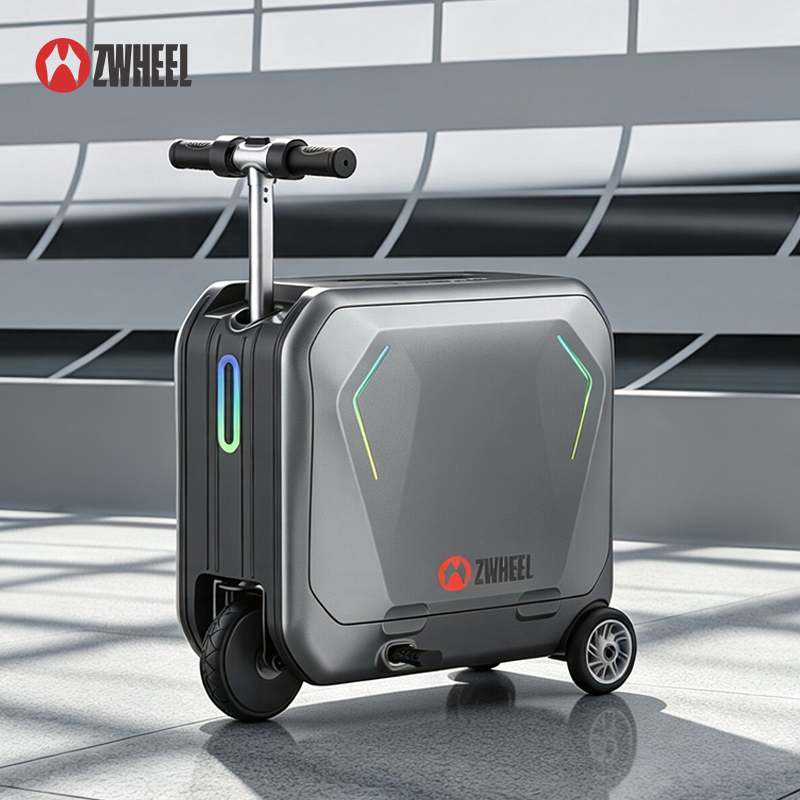
Many modern scooters, like the Zwheel ZSA Plus, offer adjustable handlebars, making it easier to find your ideal position.
3. The 'Thumb Over' vs. 'Thumb Under' Debate
There are two main grip styles: thumbs-over (like gripping a baseball bat) and thumbs-under (like holding a tray). For e-scooters, thumbs-over is generally recommended because it provides better control over the throttle and brakes while allowing a more relaxed grip. However, some riders with thumb arthritis find thumbs-under more comfortable. The key is to switch between them on long rides to prevent fatigue in any one muscle group.
Posture and Body Mechanics: The Overlooked Factor
Your grip technique is only half the equation. How you hold your body while riding directly impacts the load on your wrists.
1. Bend Your Elbows
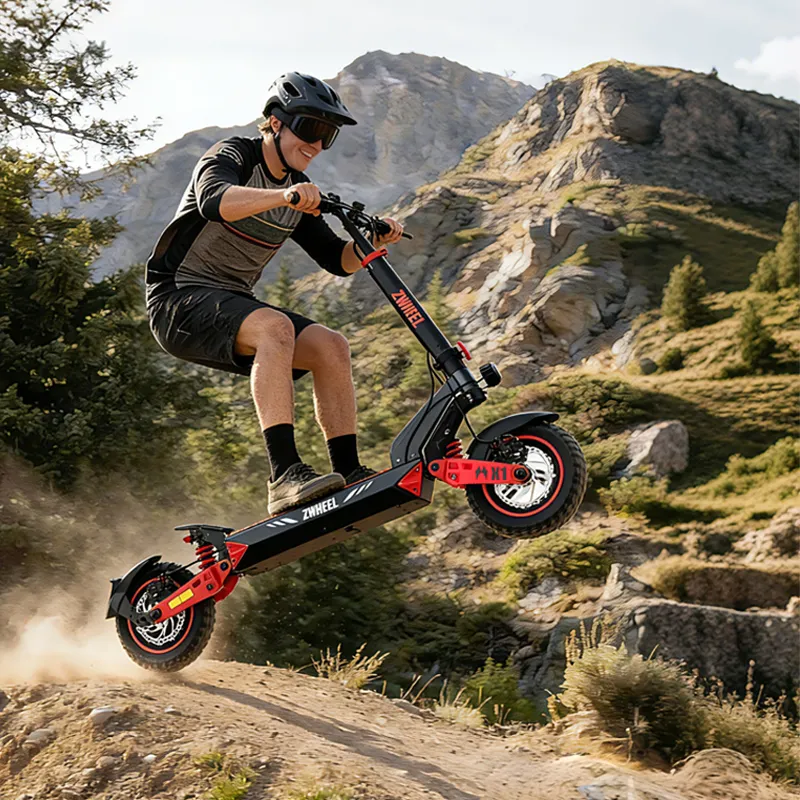
Riding with straight, locked arms sends every bump directly to your wrists and shoulders. Instead, keep your elbows slightly bent and flexible. They act as shock absorbers, soaking up vibrations and impacts. Think of your arms as springs, not rigid poles.
2. Engage Your Core
Your core muscles (abdominals and lower back) play a crucial role in supporting your upper body. If your core is weak or disengaged, you'll lean heavily on your arms for support. By engaging your core—imagine pulling your belly button toward your spine—you'll transfer some of your weight away from your wrists and into your legs and feet, which are better equipped to handle it.
3. Distribute Your Weight
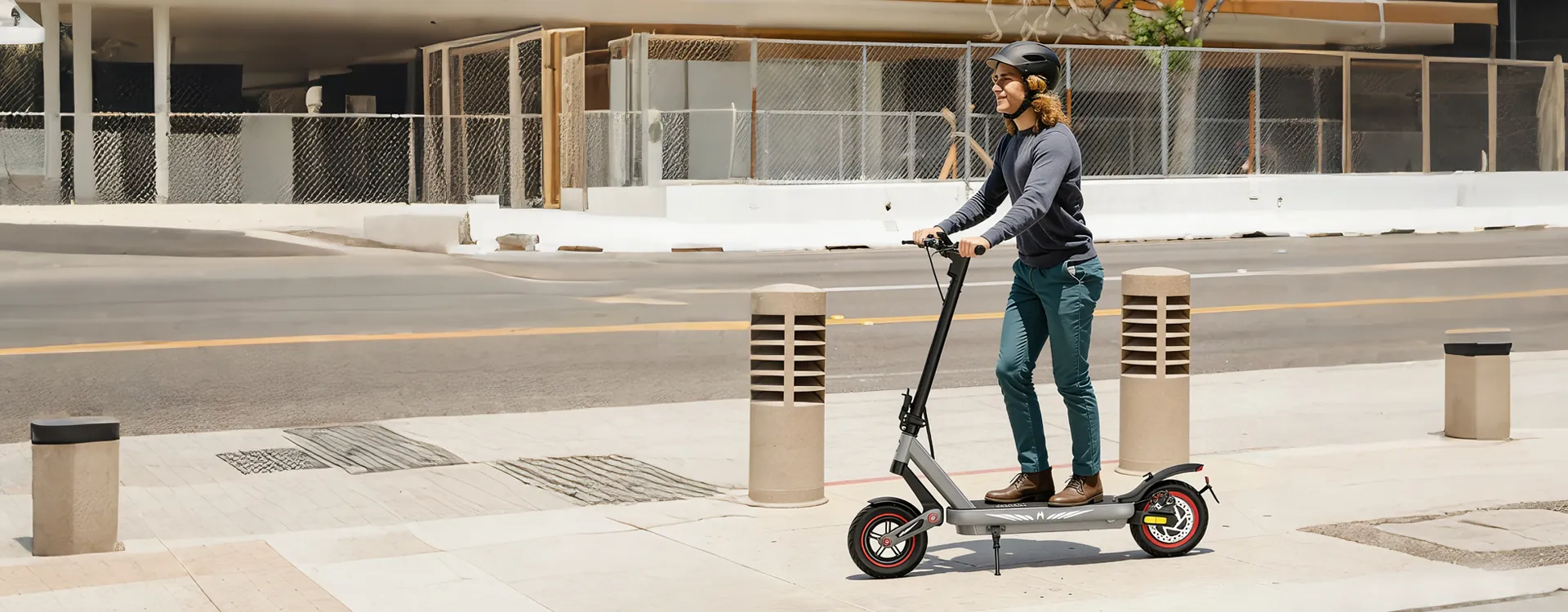
Stand with your feet shoulder-width apart, knees slightly bent, and your body weight evenly distributed between both feet. Avoid locking your knees or leaning too far forward over the handlebars. A relaxed, athletic stance allows you to absorb shocks with your legs, reducing the jarring effect on your arms.
Practical Tips for Wrist Strain Prevention
Beyond technique, there are several practical steps you can take to minimize wrist strain.
1. Choose the Right Scooter
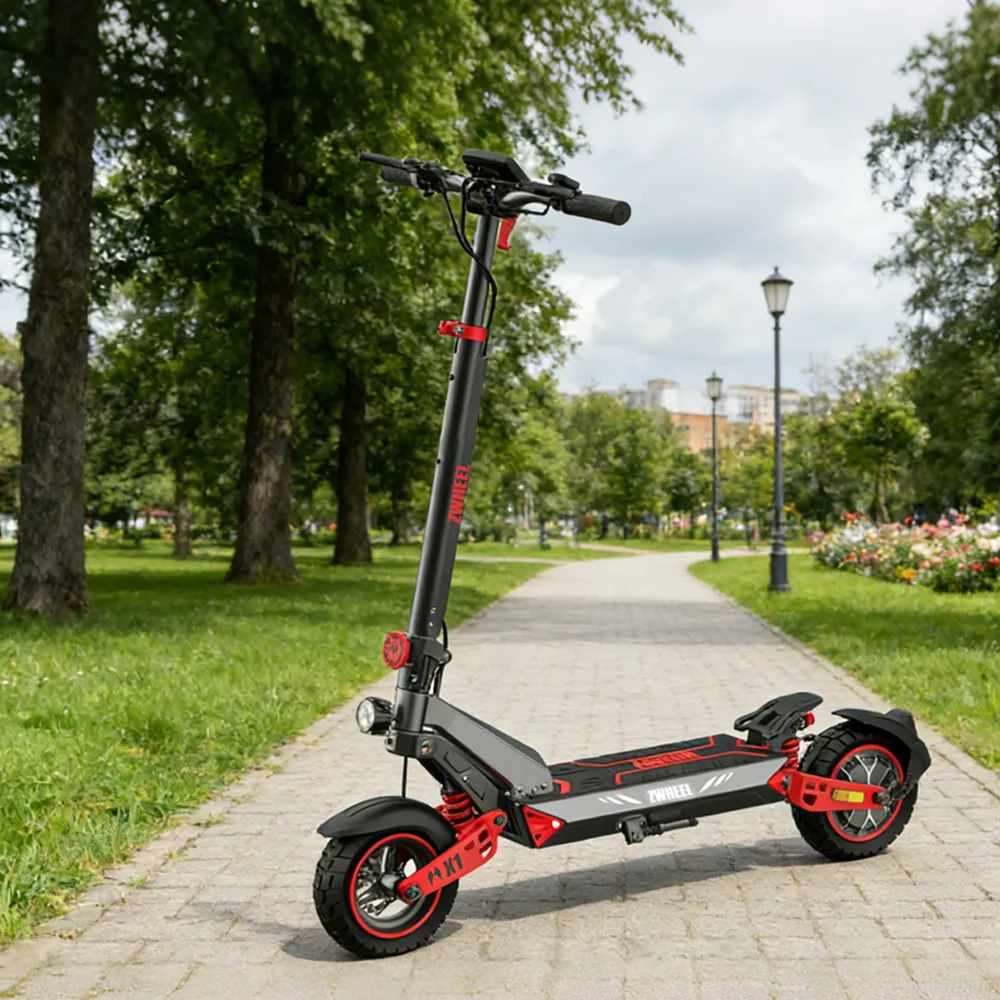
Not all scooters are created equal when it comes to ride comfort. Look for features that reduce vibration and impact, such as pneumatic (air-filled) tires, front and rear suspension, and ergonomic handlebars. For example, the Zwheel D3S-S is known for its smooth ride, thanks to its dual suspension system. If you're riding on rough terrain, a model with larger wheels and better suspension, like the Zwheel ZSB2, can make a significant difference.
2. Wear Padded Gloves
A simple pair of cycling or motocross gloves with gel padding can dramatically reduce the pressure on your palms and the vibration transmitted to your wrists. They also provide a better grip, allowing you to hold on more lightly. Look for gloves with padding specifically in the palm area.
3. Take Regular Breaks
On longer rides, make a conscious effort to stop every 20-30 minutes. Use this time to shake out your hands, stretch your wrists, and give your muscles a rest. Even a 2-minute break can prevent the cumulative fatigue that leads to strain.
4. Adjust Your Handlebars
As mentioned earlier, handlebar height is critical. A general rule is that when you stand on the deck, your arms should be bent at about a 90-degree angle. This allows for maximum control and comfort. If your scooter has adjustable handlebars, experiment with different heights until you find the sweet spot.
5. Warm Up Before Riding
Just as you'd stretch before a workout, a quick warm-up can prepare your wrists for the ride. Simple wrist circles, finger flexes, and gentle stretches can increase blood flow and flexibility, reducing the risk of injury.
Exercises to Strengthen Your Wrists and Prevent Strain
Incorporating a few targeted exercises into your routine can build strength and resilience in your wrists and forearms, making them less prone to strain.
1. Wrist Flexor and Extensor Stretches
Extend your arm in front of you with your palm facing up. Use your other hand to gently pull your fingers down toward the floor until you feel a stretch in your forearm. Hold for 20-30 seconds, then repeat with your palm facing down. Do 2-3 repetitions on each arm.
2. Finger Curls
With your arm extended, open your hand wide, then slowly curl your fingers into a fist, with your thumb over your fingers. Hold for a few seconds, then release. Repeat 10-15 times. This exercise strengthens the small muscles in your hands and improves circulation.
3. Grip Strengthening
Use a tennis ball or a grip strengthener. Squeeze it as hard as you can for 5 seconds, then release. Do 10-15 repetitions on each hand. This builds the muscles that support your grip, reducing the need to grip tightly.
4. Wrist Rotations
Hold your arm out with your palm open. Rotate your wrist in a circular motion, first clockwise, then counterclockwise. Do 10-15 rotations in each direction. This improves mobility and flexibility in the wrist joint.
What to Do If You Already Have Wrist Pain
If you're already experiencing wrist pain, don't ignore it. Rest is crucial—take a break from riding for a few days to allow the inflammation to subside. Apply ice to the affected area for 15-20 minutes several times a day. Over-the-counter anti-inflammatory medications can help, but consult a doctor if the pain persists.
When you return to riding, pay close attention to your grip technique and posture. Consider adding ergonomic grips to your handlebars that provide extra palm support. And if your scooter lacks suspension, you may want to upgrade to a model with better shock absorption to prevent further issues.
Frequently Asked Questions
Can wrist strain from electric scooters be permanent?
In most cases, wrist strain is temporary and resolves with rest and proper technique. However, if left unaddressed, chronic strain can lead to more serious conditions like tendinitis or carpal tunnel syndrome, which may require medical treatment. Prevention is always better than cure.
Is it better to use a thumb throttle or a twist throttle to avoid wrist strain?
Thumb throttles are generally considered more ergonomic for electric scooters because they allow your wrist to remain in a neutral position. Twist throttles, like those on motorcycles, require a rotating wrist motion that can exacerbate strain. Most e-scooters, including all Zwheel models, use thumb throttles for this reason.
How often should I take breaks on a long ride to prevent wrist strain?
It's recommended to take a short break every 20-30 minutes on a long ride. Even a 2-3 minute pause to stretch your hands and arms can significantly reduce muscle fatigue and the risk of strain.
Do suspension systems on electric scooters really help with wrist strain?
Yes, a good suspension system absorbs much of the shock from bumps and uneven terrain, preventing that energy from traveling up through the handlebars and into your wrists. If you ride on rough roads, investing in a scooter with front and rear suspension is one of the most effective ways to prevent wrist strain.
Conclusion
Wrist strain is a common but entirely preventable issue for electric scooter riders. By mastering the soft fist grip, maintaining neutral wrist alignment, and practicing good posture, you can significantly reduce the stress on your wrists. Additionally, choosing a scooter with proper suspension and ergonomic features, like the Zwheel ZSD1 for off-road enthusiasts, and incorporating simple stretches and exercises into your routine will keep you riding comfortably for years to come.
Remember, the goal is to enjoy the ride. So, relax your grip, engage your core, and let the scooter do the work. Your wrists will thank you.
Escrito por
Zwheel Team
Parte del equipo editorial de Zwheel, cubriendo tendencias de movilidad, guías de productos y consejos para ciclistas.