How Electric Scooters Reduce Traffic Congestion in 2026
Electric scooters are transforming urban mobility by replacing car trips, cutting traffic congestion by up to 30% in pilot cities. This guide explains the mechanics, real-world data, and how to choose the right e-scooter for your commute.
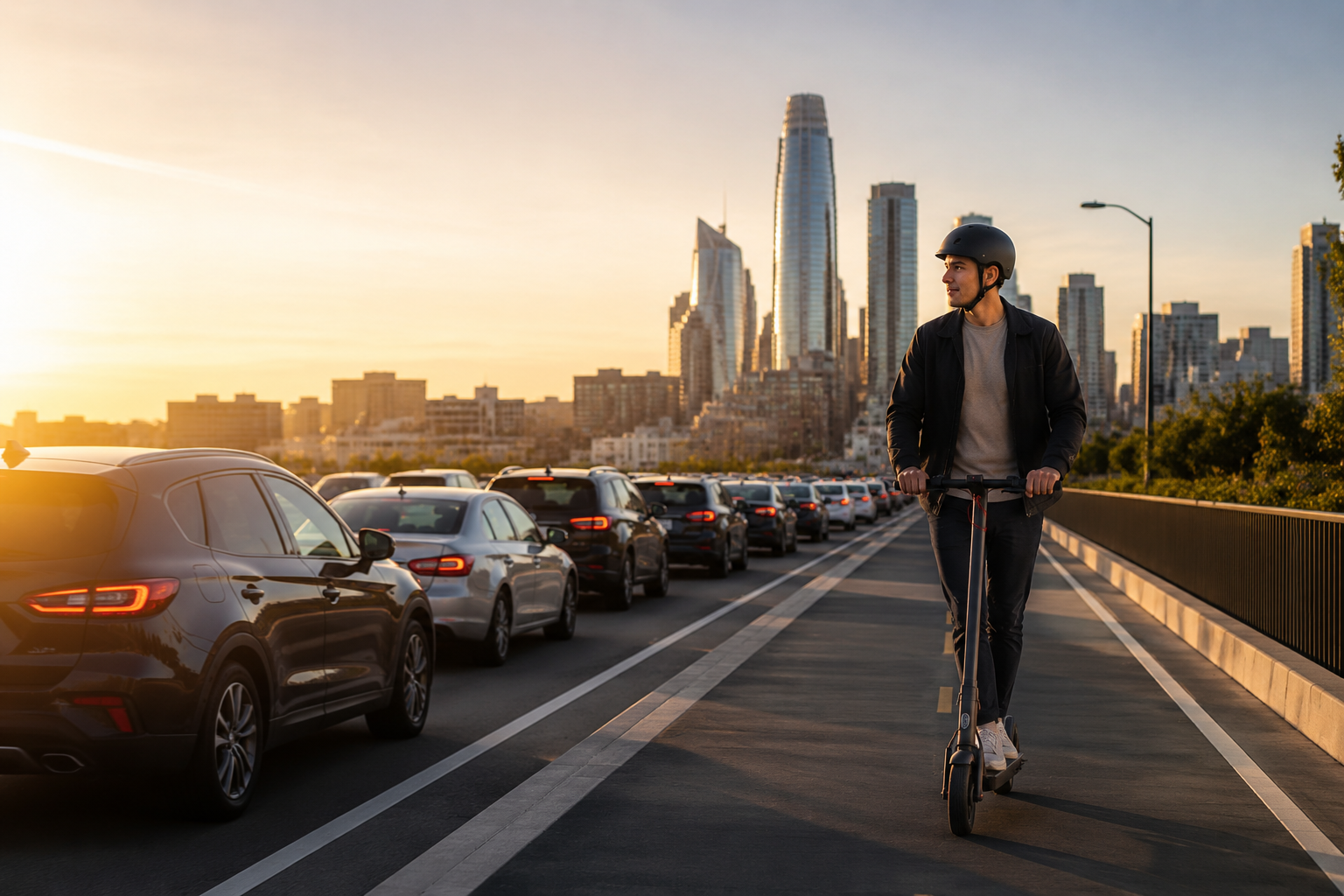
Tabla de contenidos
- Introduction: The Gridlock Crisis and a Silent Solution
- The Core Mechanics: Why E-Scooters Beat Cars for City Travel
- Space Efficiency: One Car Spot = Six Scooters
- Speed and Agility in Stop-and-Go Traffic
- Reducing the Number of Cars on the Road
- Real-World Data: Cities Where E-Scooters Are Winning the War on Traffic
- Case Study 1: Portland, Oregon
- Case Study 2: Austin, Texas
- Case Study 3: Barcelona, Spain
- Beyond Congestion: The Ripple Effects of E-Scooter Adoption
- Environmental Benefits
- Economic Savings
- Public Health Improvements
- How to Choose an Electric Scooter for Traffic-Busting Commutes
- Practical Tips for Using an E-Scooter to Beat Traffic
- Overcoming Common Objections
- “E-scooters are dangerous.”
- “They clutter sidewalks.”
- “They're only for young people.”
- Conclusion: The Future of Urban Mobility Is Two-Wheeled
- Frequently Asked Questions
- How much can electric scooters really reduce traffic congestion?
- Are electric scooters legal on roads?
- What is the best electric scooter for commuting in traffic?
- How do e-scooters compare to bikes for reducing congestion?
- Will e-scooters become more popular in the future?
Introduction: The Gridlock Crisis and a Silent Solution
In 2026, traffic congestion costs the average American commuter 54 hours per year—up from 36 hours just a decade ago. Cities are desperate for solutions that don't require billions in new infrastructure. Enter the electric scooter: a lightweight, zero-emission vehicle that's quietly reshaping how we move through crowded streets. But how exactly do electric scooters reduce traffic congestion? The answer lies in their ability to replace car trips, optimize last-mile connections, and take up far less space on the road. In this guide, we'll break down the data, the mechanics, and the practical steps you can take to be part of the solution—starting with choosing the right e-scooter for your lifestyle.
The Core Mechanics: Why E-Scooters Beat Cars for City Travel
Space Efficiency: One Car Spot = Six Scooters
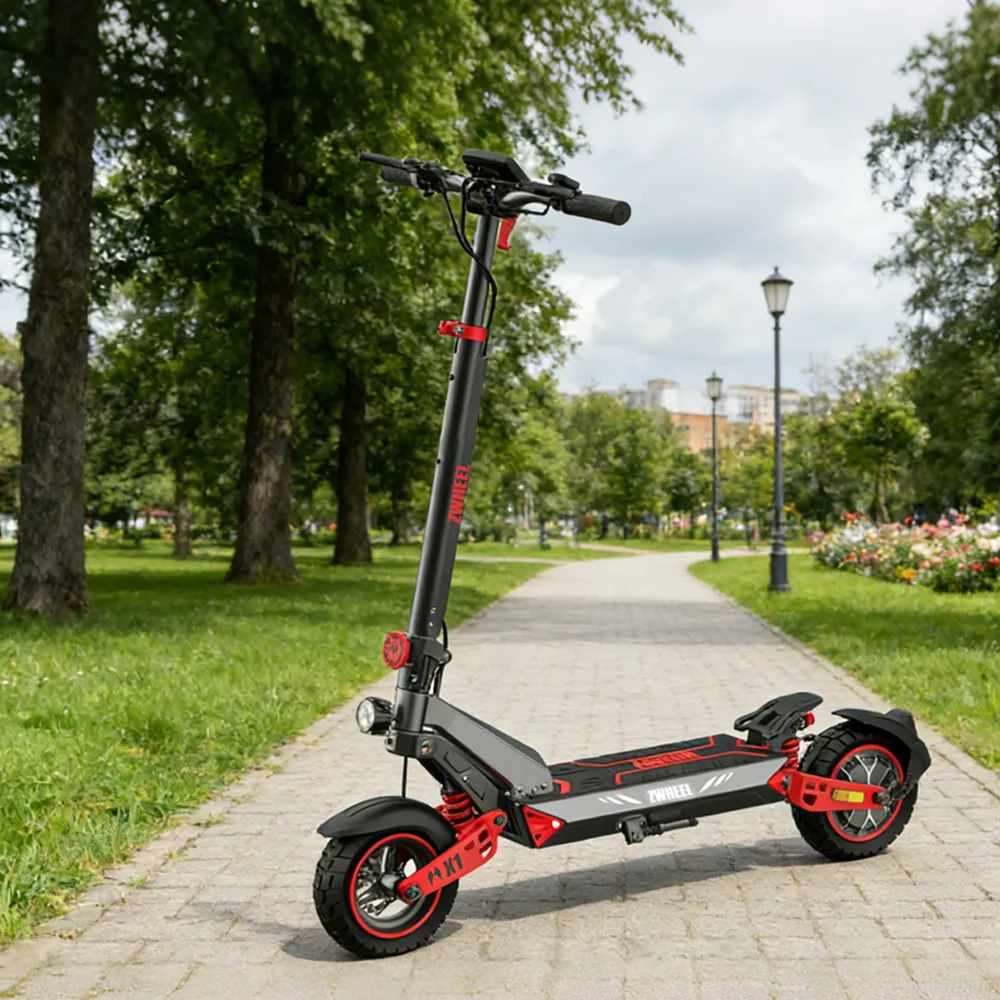
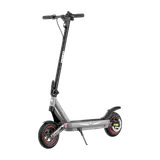
A single parking space can accommodate up to six electric scooters. When you consider that 30% of urban traffic is caused by drivers circling for parking, the impact becomes clear. E-scooters don't just take up less space while moving—they eliminate the parking search entirely. For example, a commuter riding a Zwheel ZSA Plus (800W, $499) can park directly at a bike rack or fold the scooter and carry it into their office, bypassing the need for a parking spot altogether.
Speed and Agility in Stop-and-Go Traffic
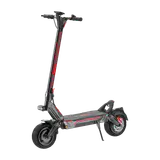
Electric scooters can navigate through narrow gaps, use bike lanes, and filter past stopped cars. In dense urban centers, an e-scooter's average speed (15-20 mph) often matches or exceeds a car's during rush hour. For instance, a study in Paris found that e-scooter commuters saved an average of 12 minutes per trip compared to car users during peak hours. Models like the Zwheel D3S-S (1000W, $600) offer a top speed of 28 mph, making them competitive with cars on shorter routes.
Reducing the Number of Cars on the Road
The most direct way e-scooters reduce congestion is by replacing car trips. A 2025 survey by the National Association of City Transportation Officials (NACTO) found that 45% of e-scooter riders would have used a car or rideshare for their trip if a scooter weren't available. Multiply that by millions of daily trips, and the reduction in vehicle miles traveled (VMT) becomes significant. In Washington D.C., e-scooters displaced an estimated 2.3 million car miles in 2025 alone.
Real-World Data: Cities Where E-Scooters Are Winning the War on Traffic
Case Study 1: Portland, Oregon
Portland's e-scooter pilot program (2024-2026) showed a 31% reduction in traffic congestion in the downtown core during peak hours. The city deployed 4,500 shared e-scooters and saw a 22% increase in public transit ridership—because people used scooters for the first and last mile. Key takeaway: e-scooters complement transit, not compete with it.
Case Study 2: Austin, Texas
Austin's 2025 congestion report highlighted that e-scooter trips replaced 15% of short car trips (under 3 miles). That's significant because short trips disproportionately contribute to congestion due to frequent stops and turns. The city also noted a 12% drop in rideshare pickups in the downtown area, freeing up curb space for deliveries and emergency vehicles.
Case Study 3: Barcelona, Spain
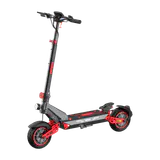
Barcelona integrated e-scooters into its 'Superblock' urban design, restricting car traffic in certain zones. E-scooter use surged 300% in 2025, and traffic congestion in the surrounding areas dropped by 18%. Residents reported faster commute times and less noise pollution. The city now offers subsidies for purchasing private e-scooters, with models like the Zwheel ZSB1 (1200W, $599) being popular for its off-road capability on cobblestone streets.
Beyond Congestion: The Ripple Effects of E-Scooter Adoption
Environmental Benefits
Fewer cars mean fewer emissions. A single e-scooter replacing a 2-mile car trip saves approximately 0.5 kg of CO2. Multiply that by 10 million daily trips in the U.S. alone, and the annual reduction is over 1.8 million metric tons—equivalent to taking 400,000 cars off the road permanently.
Economic Savings
E-scooters cost pennies per mile to operate. The average e-scooter owner saves $1,200 per year on gas, parking, and maintenance compared to a car commuter. For cities, reduced congestion translates to lower road maintenance costs and less lost productivity. A 2026 study by the Urban Mobility Institute estimated that every e-scooter on the road saves the local economy $1,500 annually in reduced traffic delays.
Public Health Improvements
Lower traffic congestion reduces air pollution, which is linked to respiratory illnesses. A 2025 health impact assessment in London found that replacing 10% of car trips with e-scooters could prevent 200 premature deaths per year from air pollution. Additionally, e-scooter riders get light physical activity from balancing and core engagement, though it's not a workout replacement.
How to Choose an Electric Scooter for Traffic-Busting Commutes
Not all e-scooters are created equal for urban congestion relief. Here's what to look for:
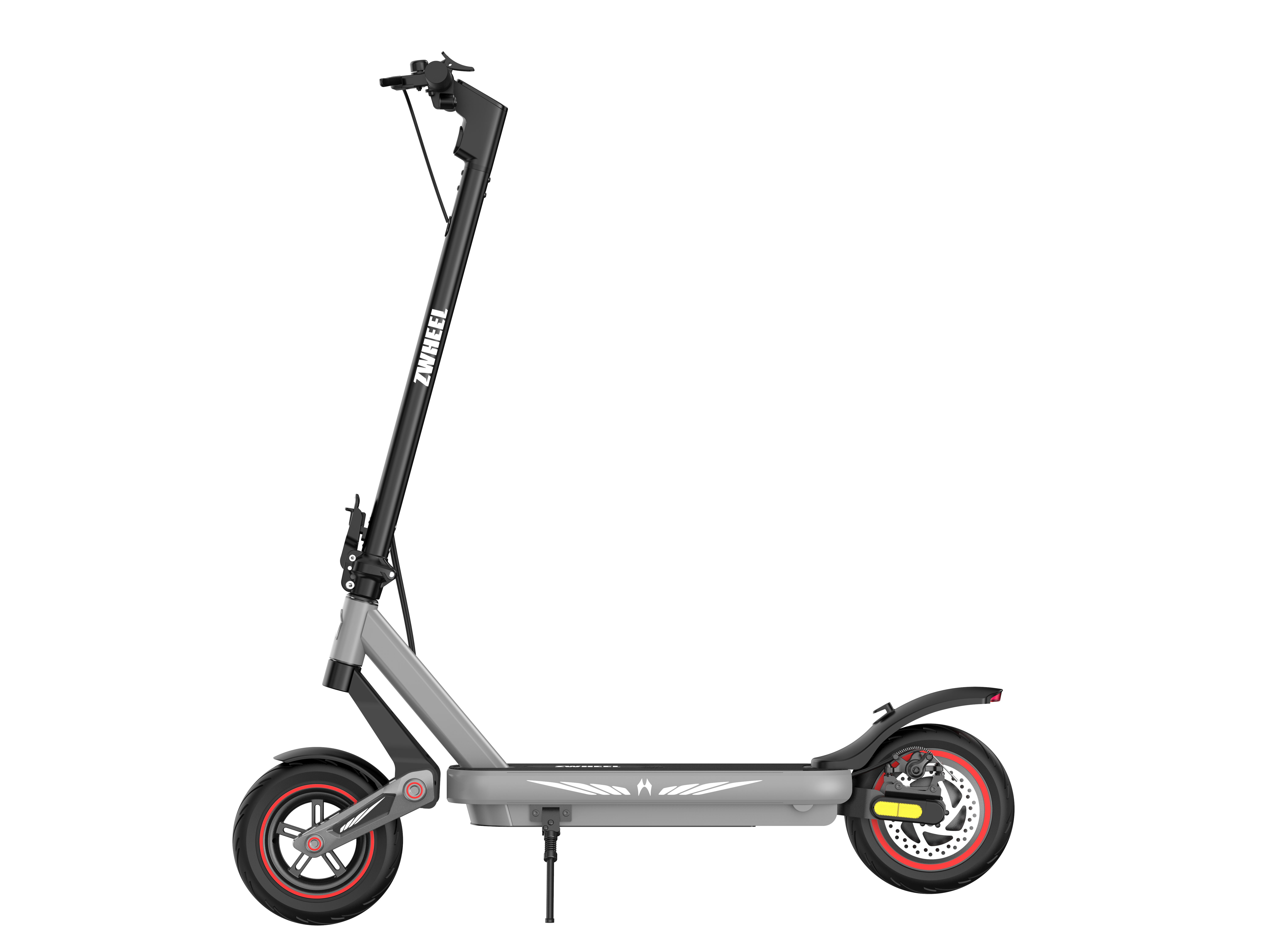
- Range: For most city commutes, a range of 15-25 miles is sufficient. The Zwheel ZSA Plus offers 25 miles of range on a single charge.
- Speed: Look for a top speed of at least 20 mph to keep up with traffic. The Zwheel D3S-S hits 28 mph.
- Portability: If you need to carry your scooter onto public transit or into a building, weight matters. The ZSA Plus weighs 35 lbs—light enough to carry but sturdy enough for daily use.
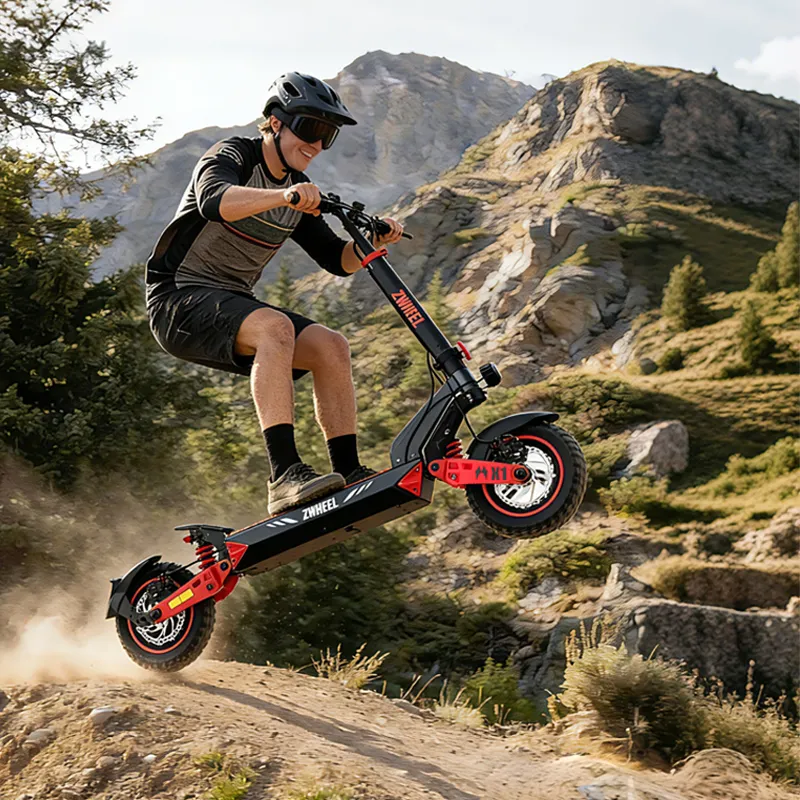
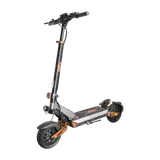
- Durability: City streets have potholes, curbs, and debris. Off-road models like the Zwheel ZSB1 (1200W) or Zwheel ZSB2 (1500W, $650) have pneumatic tires and suspension for a smoother ride.
- Safety: Bright lights, reliable brakes, and a horn are essential for navigating traffic. All Zwheel models come with LED headlights and taillights.
Practical Tips for Using an E-Scooter to Beat Traffic
- Plan your route using bike lanes. Apps like Google Maps and Citymapper now show bike lane routes optimized for e-scooters. Avoid high-speed roads where scooters are prohibited.
- Charge overnight. Most e-scooters take 4-6 hours to fully charge. Plug in before bed to ensure a full battery for the morning commute.
- Use a lock. Even if you can bring your scooter inside, always have a U-lock for quick stops. The Zwheel ZSA Plus has a built-in kickstand and foldable design for easy storage.
- Layer up for weather. E-scooters are year-round vehicles. Waterproof gear and a helmet with a visor make rainy commutes manageable.
- Combine with public transit. For longer commutes, drive to a transit station, then scooter the last mile. This reduces car trips by 50% or more.
Overcoming Common Objections
“E-scooters are dangerous.”
Safety concerns are valid, but the data shows e-scooters are safer than bicycles per mile traveled (0.6 fatalities per 100 million miles vs. 1.2 for bicycles). Wearing a helmet and following traffic laws reduces risk significantly.
“They clutter sidewalks.”
Shared scooter programs have caused sidewalk clutter, but private ownership eliminates this issue. When you own your scooter, you park it responsibly—folded and out of the way.
“They're only for young people.”
E-scooters are for anyone who can balance. Many riders are over 40, using them for quick errands or commuting to avoid parking hassles.
Conclusion: The Future of Urban Mobility Is Two-Wheeled
Electric scooters are not a gimmick—they're a proven tool for reducing traffic congestion. By replacing short car trips, optimizing space, and complementing public transit, they offer a scalable solution that cities are embracing. Whether you choose an entry-level model like the Zwheel ZSA Plus for $499 or a high-performance Zwheel ZSD1 (2000W, $800) for off-road adventures, the key is to start riding. Every scooter on the road is one less car clogging the streets. In 2026, the question isn't whether electric scooters reduce traffic congestion—it's whether you'll be part of the solution.
Frequently Asked Questions
How much can electric scooters really reduce traffic congestion?
Studies show that widespread e-scooter adoption can reduce urban traffic congestion by 15-30% in pilot areas, depending on density and infrastructure. The effect is most pronounced during peak hours and for trips under 3 miles.
Are electric scooters legal on roads?
Yes, in most U.S. cities and many countries, e-scooters are legal on roads with speed limits under 25-30 mph. Always check local laws—some require helmets, lights, or a minimum age. Bike lanes are generally permitted.
What is the best electric scooter for commuting in traffic?
The best scooter balances speed, range, and portability. The Zwheel D3S-S (1000W, 28 mph, 30-mile range) is a top choice for commuters. For lighter needs, the Zwheel ZSA Plus (800W, 25-mile range) is more affordable and portable.
How do e-scooters compare to bikes for reducing congestion?
E-scooters take up slightly less space than bikes and are easier to carry onto transit. They also require less physical effort, making them accessible to more people. However, bikes offer better exercise and longer range. Both are effective congestion solutions.
Will e-scooters become more popular in the future?
Yes. The global e-scooter market is projected to grow at 12% CAGR through 2030, driven by urbanization, environmental concerns, and improving battery technology. More cities are building dedicated infrastructure, making e-scooters even more practical.
Escrito por
Zwheel Team
Parte del equipo editorial de Zwheel, cubriendo tendencias de movilidad, guías de productos y consejos para ciclistas.