How to Adjust Electric Scooter Speed Limiter Safely
Want to adjust your electric scooter's speed limiter? Our guide covers safe methods, legal limits, and step-by-step instructions to unlock speed without compromising safety.
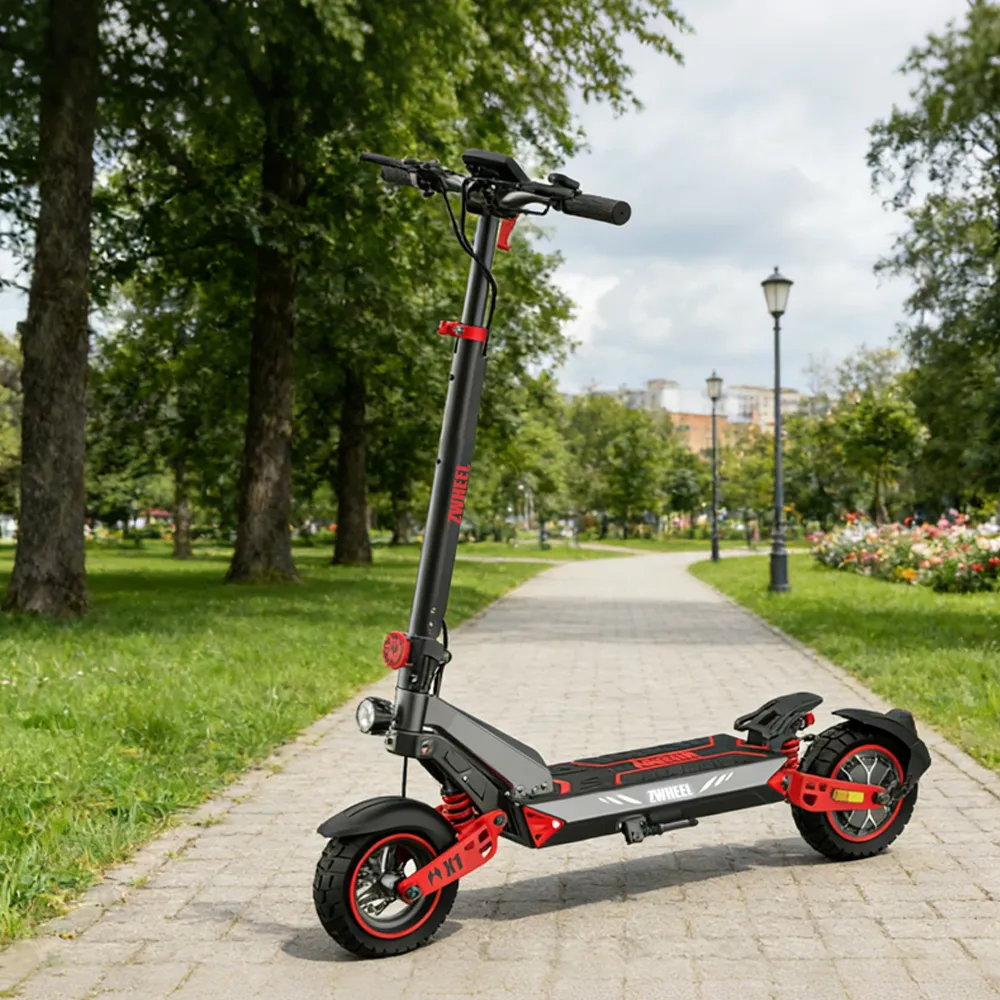
Tabla de contenidos
- What Is an Electric Scooter Speed Limiter?
- Why Manufacturers Install Speed Limiters
- Types of Speed Limiters
- Is It Legal to Adjust Your Speed Limiter?
- How to Adjust Electric Scooter Speed Limiter Safely: Step-by-Step
- 1. Check Your Scooter's Manual and App
- 2. Identify the Limiter Type
- 3. Use Manufacturer-Approved Tools
- 4. Adjust Settings Gradually
- 5. Test and Validate
- 6. Document Changes
- Risks of Improper Speed Limiter Adjustment
- When to Consider a Faster Scooter Instead
- Legal Speed Limits for Electric Scooters in 2026
- Safety Tips for Riding at Higher Speeds
- Frequently Asked Questions
- Can I adjust my electric scooter's speed limiter without voiding the warranty?
- How much faster can I make my electric scooter by adjusting the limiter?
- Is it illegal to remove the speed limiter on an electric scooter?
- What are the signs that my scooter is struggling after a speed limiter adjustment?
- Can I adjust the speed limiter on any electric scooter?
- Conclusion
Electric scooters are a blast to ride, but most come with a speed limiter to keep you within legal and safe boundaries. If you're itching to go faster, you might be wondering how to adjust electric scooter speed limiter safely. The good news: it's often possible to tweak the limiter, but doing it wrong can void your warranty, get you fined, or put you in danger. This guide will walk you through the safe, responsible way to adjust your speed limiter, whether you're a commuter or an off-road enthusiast.
What Is an Electric Scooter Speed Limiter?
A speed limiter is an electronic cap that restricts your scooter's top speed. Manufacturers set it to comply with local laws (often 15.5 mph / 25 km/h in many regions) or to keep the motor within safe operating limits. It's not just a suggestion—it's a hard limit enforced by the controller firmware.
Why Manufacturers Install Speed Limiters
- Legal compliance: Many countries classify e-scooters by top speed. Exceeding the limit can make your scooter illegal to ride on public roads.
- Safety: Higher speeds increase stopping distance and injury risk, especially for new riders.
- Battery and motor longevity: Running at max power constantly can overheat components and reduce lifespan.
Types of Speed Limiters
There are three main types:
- Firmware-based: The controller software caps the speed. Adjusting requires a programming tool or app.
- Hardware-based: A physical governor (like a throttle stop or speed sensor) limits speed. Modification involves mechanical changes.
- App-based: Some smart scooters let you change speed modes via a smartphone app. This is the easiest and safest method.
Is It Legal to Adjust Your Speed Limiter?
Legality varies by country and even by city. In the EU, e-scooters are typically limited to 25 km/h (15.5 mph) and 250W. In the US, many states allow up to 20-28 mph on certain paths. Adjusting your limiter to exceed local limits can result in fines, confiscation, or liability in an accident. Always check your local regulations before making changes. If you're unsure, consult your scooter's manual or contact the manufacturer.
How to Adjust Electric Scooter Speed Limiter Safely: Step-by-Step
Before you start, note that methods vary by model. The following steps cover the most common approaches. Always prioritize safety and legality.
1. Check Your Scooter's Manual and App
Many modern scooters, including those from Zwheel, come with companion apps that allow you to adjust speed modes. For example, the Zwheel ZSA Plus has a user-friendly app where you can toggle between speed modes. Start there—it's the safest and most reversible method.
2. Identify the Limiter Type
If your scooter doesn't have an app, determine whether the limiter is firmware or hardware. Firmware limiters are adjusted via a programming cable and software (often available from the manufacturer). Hardware limiters require physical modification, which is riskier.
3. Use Manufacturer-Approved Tools
Never use third-party firmware or hack the controller unless you're experienced. Unauthorized modifications can brick your scooter, void warranties, and create safety hazards. If you need more speed, consider upgrading to a model with a higher factory speed limit, like the Zwheel D3S-S (1000W, up to 28 mph).
4. Adjust Settings Gradually
If you have access to speed settings, increase the limit in small increments (e.g., 1-2 mph at a time). Test the scooter in a safe, open area after each change. Monitor for overheating, unusual noises, or reduced braking performance.
5. Test and Validate
After adjusting, take a test ride in a controlled environment. Check that the throttle response is smooth and that the scooter doesn't exceed the new limit unexpectedly. Use a GPS speedometer app to verify actual speed.
6. Document Changes
Keep a record of any modifications. If you sell the scooter, disclose the changes. Some buyers may prefer a stock configuration, and it's important for liability reasons.
Risks of Improper Speed Limiter Adjustment
- Overheating: Pushing the motor and controller beyond design limits can cause thermal shutdown or permanent damage.
- Battery drain: Higher speeds consume more power, reducing range significantly. You might get 30-40% less range at top speed.
- Braking inadequacy: Stock brakes may not be designed for higher speeds, increasing stopping distance.
- Legal consequences: Fines, points on your license (if applicable), or confiscation.
- Warranty void: Most manufacturers void the warranty if you tamper with the limiter.
When to Consider a Faster Scooter Instead
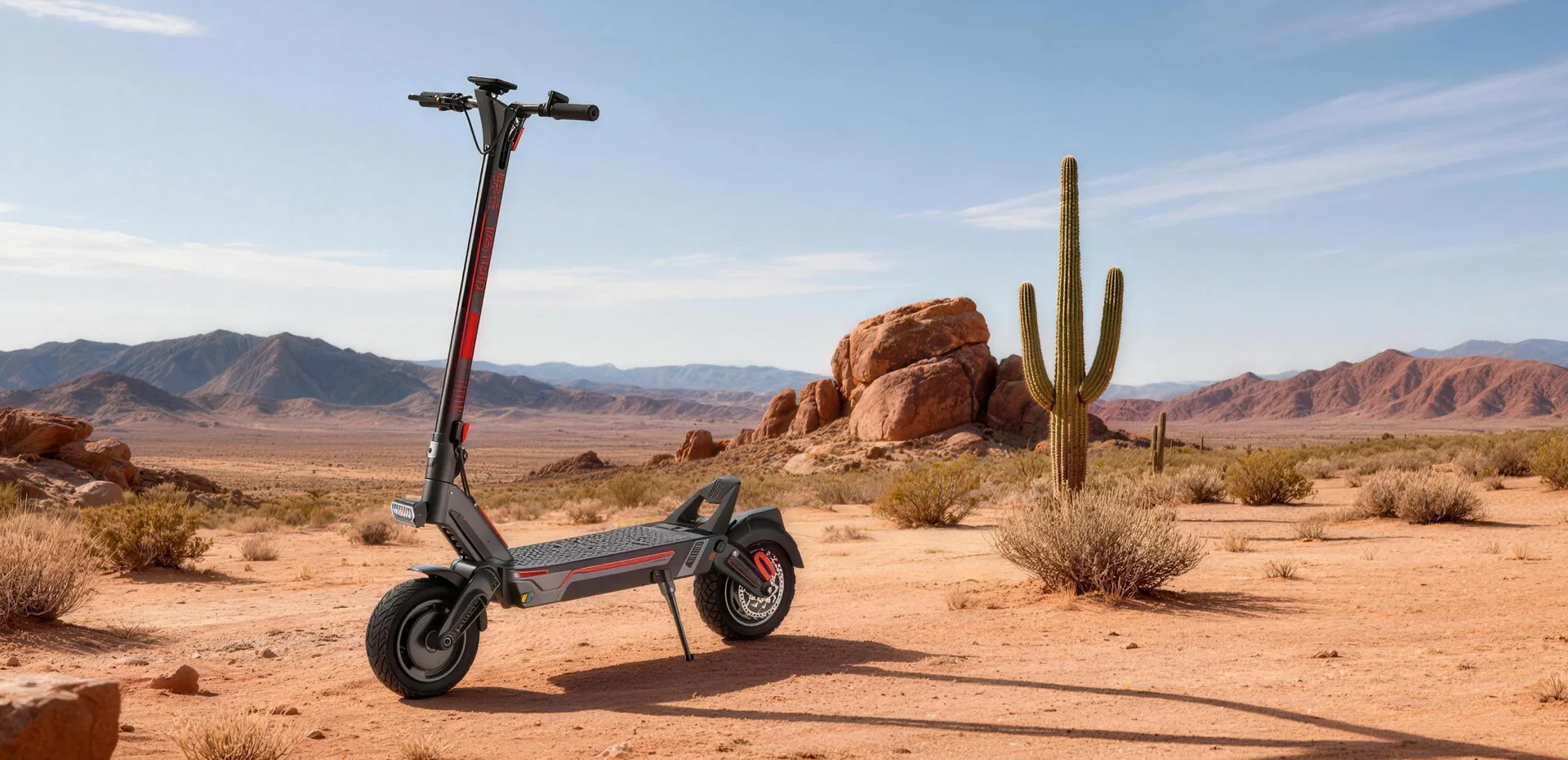
If you consistently find yourself wanting more speed, it might be time to upgrade. Adjusting a limiter on an entry-level scooter can strain components. A better option is to choose a model designed for higher speeds from the start. For example, the Zwheel ZSD1 (2000W) is built for off-road and mountain riding, with a higher top speed and robust components. It's safer and more reliable than pushing a commuter scooter beyond its limits.
Legal Speed Limits for Electric Scooters in 2026
As of 2026, regulations have tightened in many regions. Here's a quick snapshot:
- European Union: 25 km/h (15.5 mph) max, 250W motor limit. Some countries allow up to 500W.
- United States: Varies by state. California allows up to 28 mph on some paths; New York limits to 25 mph.
- United Kingdom: Still 15.5 mph for rental scooters; private scooters remain illegal on public roads (though enforcement varies).
- Australia: 25 km/h in most states, with some trials for higher speeds.
Always verify with local authorities. Ignorance isn't a defense.
Safety Tips for Riding at Higher Speeds
If you've legally adjusted your limiter or upgraded to a faster scooter, follow these safety practices:
- Wear a helmet: A DOT or SNELL-certified helmet is a must. Consider knee and elbow pads.
- Check tire pressure: Proper inflation improves stability and braking.
- Upgrade brakes: If your scooter has disc brakes, ensure they're properly adjusted. Hydraulic brakes offer better performance.
- Ride defensively: Anticipate cars, pedestrians, and obstacles. Higher speed means less reaction time.
- Avoid wet surfaces: Traction decreases, and braking distances increase.
Frequently Asked Questions
Can I adjust my electric scooter's speed limiter without voiding the warranty?
Generally, no. Most manufacturers consider speed limiter adjustments as modifications that void the warranty. However, using manufacturer-approved apps to switch between preset speed modes (e.g., eco vs. sport) is usually fine. Always check your warranty terms.
How much faster can I make my electric scooter by adjusting the limiter?
It depends on the scooter's motor and controller. Some can gain 5-10 mph, but pushing beyond design limits risks overheating and component failure. It's safer to upgrade to a higher-powered model if you need more speed.
Is it illegal to remove the speed limiter on an electric scooter?
In many jurisdictions, yes. If your scooter exceeds the legal speed limit for e-scooters, it may be classified as a moped or motorcycle, requiring registration, insurance, and a license. Always check local laws.
What are the signs that my scooter is struggling after a speed limiter adjustment?
Watch for overheating (hot to touch), unusual noises, reduced acceleration, or sudden power cuts. These indicate the motor or controller is overworked. Revert the adjustment immediately.
Can I adjust the speed limiter on any electric scooter?
Not all scooters allow it. Some have locked firmware, while others use hardware limiters that are difficult to modify. High-end models often have more adjustable settings. If yours doesn't, consider upgrading to a model with a higher factory speed.
Conclusion
Adjusting your electric scooter's speed limiter can be tempting, but it's crucial to do it safely and legally. Always start with manufacturer-approved methods, respect local laws, and prioritize your safety. If you need more speed, upgrading to a scooter designed for higher performance—like those from Zwheel—is often the smarter choice. Ride smart, ride safe.
Escrito por
Zwheel Team
Parte del equipo editorial de Zwheel, cubriendo tendencias de movilidad, guías de productos y consejos para ciclistas.