Using an Electric Scooter for the Last-Mile Commute: Train to Office
Transform your daily grind with an electric scooter for the last-mile commute. Get practical tips on choosing the right model, navigating train stations, and saving time and money.
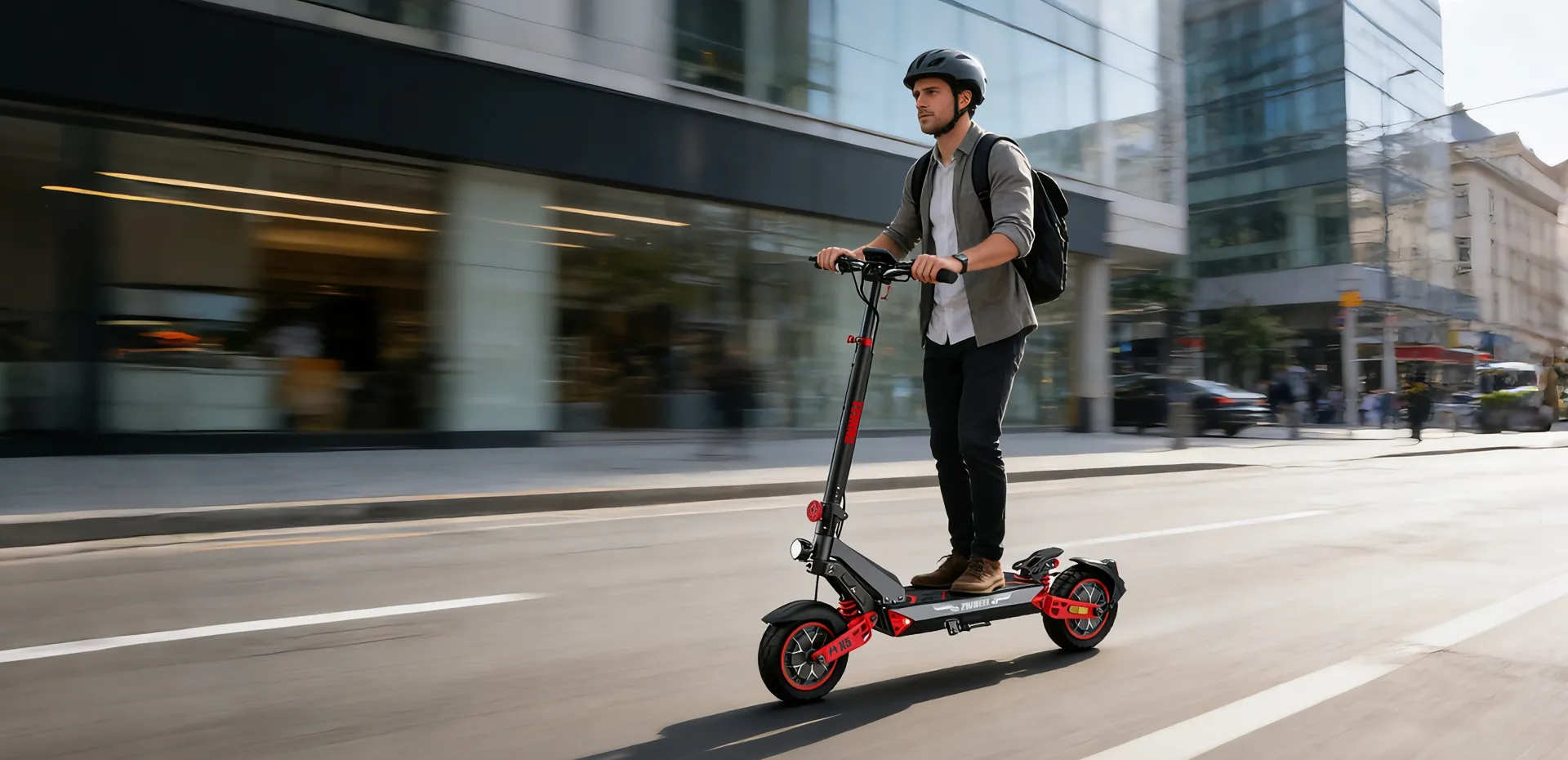
Tabla de contenidos
- Why the Last Mile Matters More Than Ever
- Why an Electric Scooter Beats Walking, Buses, or Bikes
- Choosing the Right Electric Scooter for Your Commute
- Key Factors for Last-Mile Commuting
- How to Integrate an Electric Scooter with Your Train Commute
- 1. Plan Your Route and Station Access
- 2. Master the Fold-and-Carry
- 3. Secure Parking at the Office
- 4. Stay Safe and Legal
- The Real Savings: Time, Money, and Stress
- Common Pitfalls and How to Avoid Them
- Frequently Asked Questions (FAQ)
- Can I bring an electric scooter on the train?
- How fast can an electric scooter go, and is it legal on roads?
- What's the best electric scooter for a 3-mile commute?
- How much does it cost to charge an electric scooter?
- Can I ride an electric scooter in the rain?
- Conclusion
Why the Last Mile Matters More Than Ever
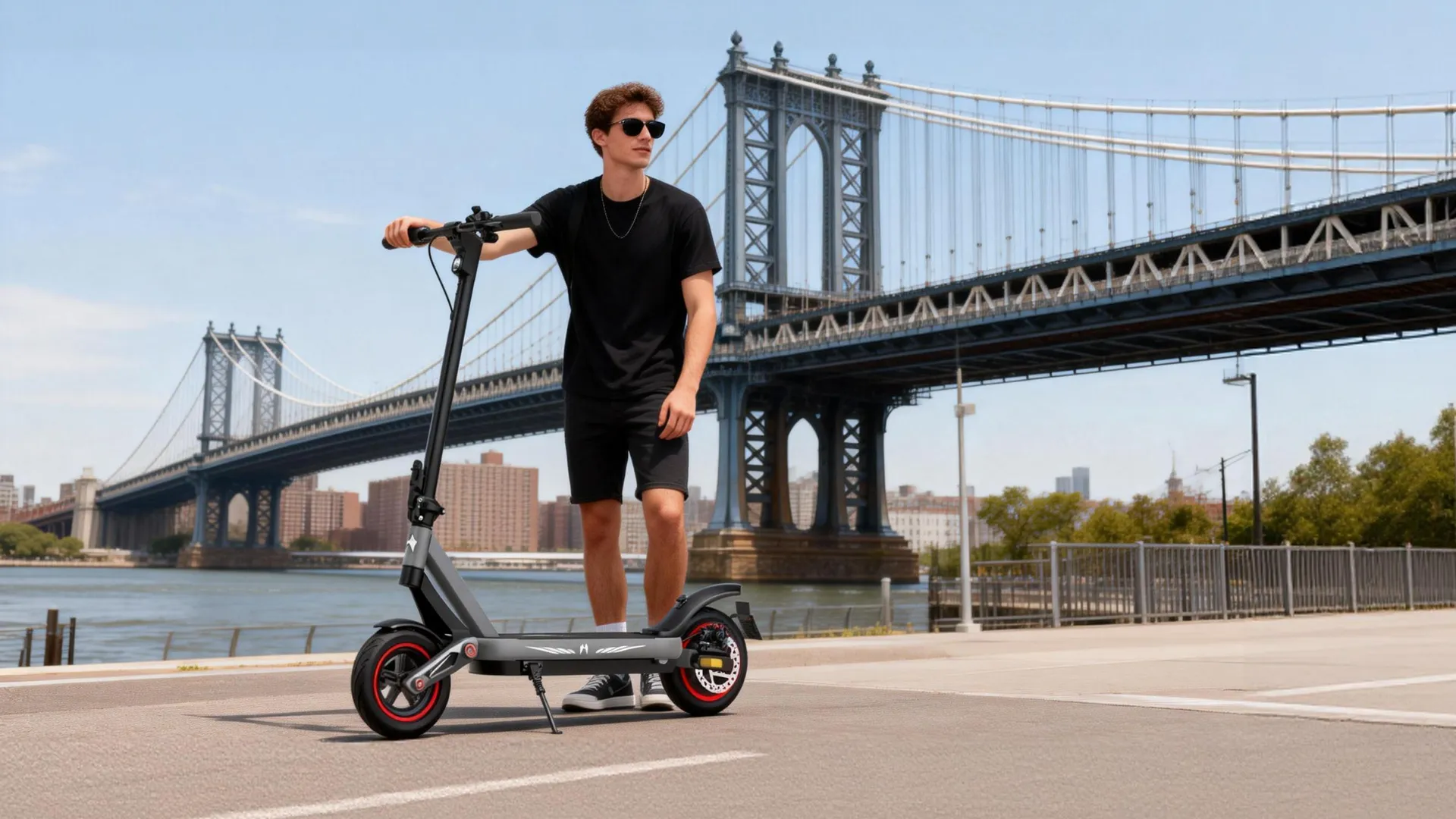
If you live in a city, you know the drill: you drive or take a bus to the train station, ride the train, then face that final stretch from the station to your office. That last mile—often just 1 to 3 miles—can eat up 20 to 30 minutes of your day if you walk or wait for a connecting bus. In 2026, with hybrid work schedules and unpredictable traffic, optimizing this segment is the easiest way to reclaim your time. Enter the electric scooter: a compact, cost-effective solution that turns a frustrating gap into a seamless glide. In this guide, we'll show you exactly how to use an electric scooter for the last-mile commute from train to office, covering everything from scooter selection to station logistics and real-world savings.
Why an Electric Scooter Beats Walking, Buses, or Bikes
Let's compare the options for that final leg. Walking a mile takes about 20 minutes at a brisk pace—and you arrive sweaty. Waiting for a bus adds unpredictability; you might wait 5 minutes or 15, and then sit in traffic. A bicycle is faster, but you need to lock it securely, and it's cumbersome on crowded trains. An electric scooter, by contrast, folds in seconds, can be carried onto the train (check local rules), and lets you cover a mile in 4–6 minutes at a comfortable 12–15 mph. It's also far cheaper than ride-hailing: a 2-mile Uber might cost $10–$15, while charging a scooter costs pennies. Plus, you get light exercise and fresh air—without the sweat.
Choosing the Right Electric Scooter for Your Commute
Not all scooters are created equal for train-to-office duty. You need a balance of portability, range, and durability. Here's what to prioritize:
Key Factors for Last-Mile Commuting
- Weight and Foldability: You'll likely lift the scooter onto the train or carry it up stairs. Aim for under 35 lbs if possible. Folding mechanisms should be quick and secure.
- Range: A round-trip last-mile commute is typically 2–6 miles. A scooter with 15–20 miles of real-world range gives ample buffer for detours or errands.
- Speed and Power: 15–20 mph is plenty for bike lanes and streets. Higher wattage motors (500W+) handle hills better.
- Tires: Pneumatic (air-filled) tires absorb bumps; solid tires are maintenance-free but harsher. For city streets, 8–10-inch pneumatic tires are ideal.
- Portability on Trains: Check your transit authority's rules—most allow folding scooters if they fit in a overhead rack or between seats. A compact fold is crucial.
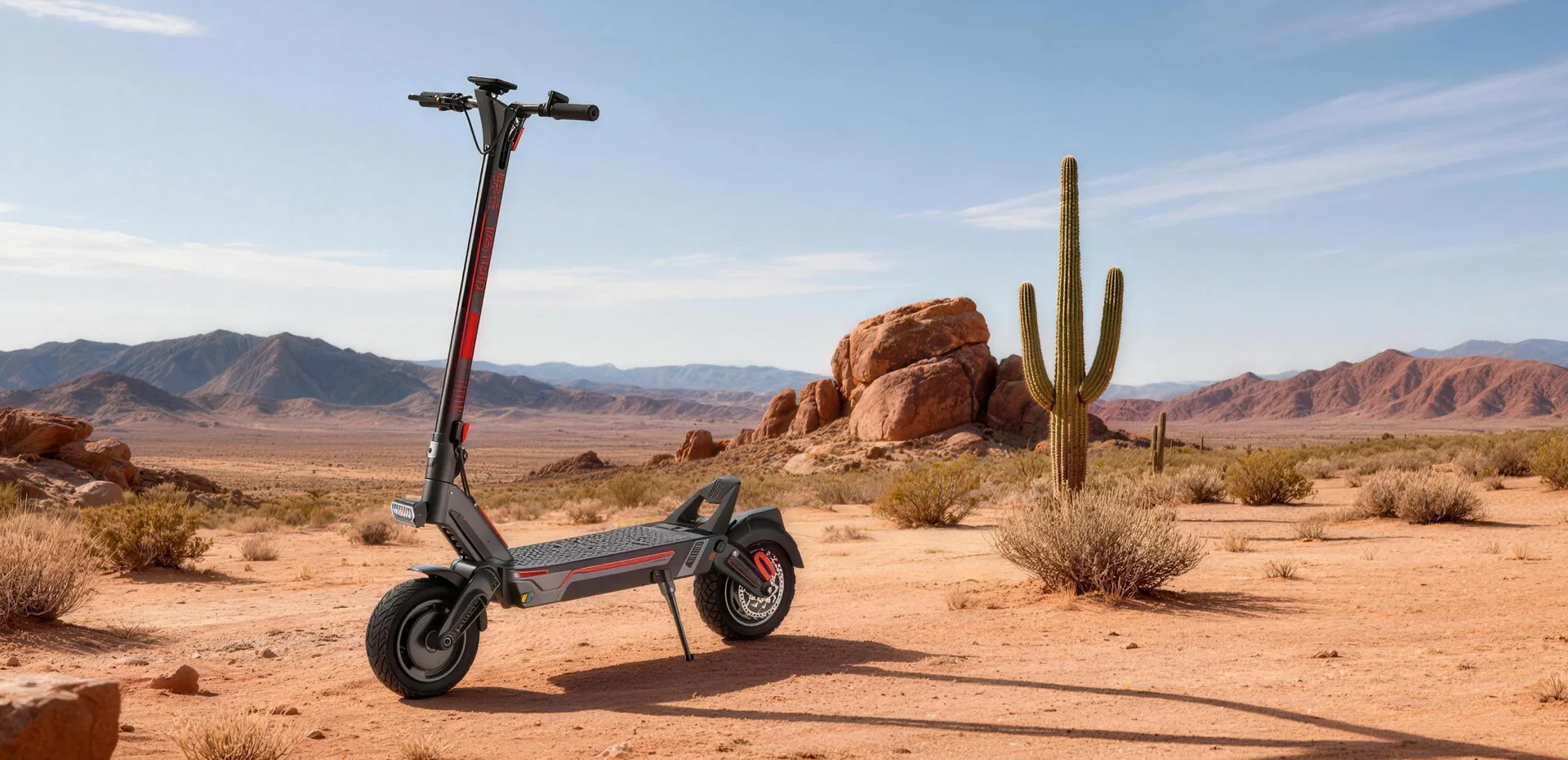
For most commuters, a mid-range scooter like the Zwheel ZSA Plus (800W, $499) hits the sweet spot: it's lightweight, folds easily, and has enough range for a week of commuting. If you face steeper hills or rougher roads, the Zwheel D3S-S (1000W, $600) offers more power and a smoother ride. And for those who want off-road capability or extra stability, the Zwheel ZSB1 (1200W, $599) is a versatile choice.
How to Integrate an Electric Scooter with Your Train Commute
Seamless integration is key. Here's a step-by-step approach to make the train-to-office transition effortless.
1. Plan Your Route and Station Access
Before you buy, map your typical journey. Identify the best exit at your destination station, bike lanes, and any no-ride zones (e.g., station platforms). Most transit systems prohibit riding inside stations for safety, so you'll walk the scooter until you exit. Practice folding and unfolding so you can do it in under 15 seconds.
2. Master the Fold-and-Carry
On crowded trains, you'll want to fold the scooter and place it upright between your legs or in a luggage area. Some scooters have a kickstand; others can be laid flat. A carrying strap can help if you have stairs. Tip: wrap the deck with a microfiber cloth to prevent scuffs.
3. Secure Parking at the Office
At the office, you have options: bring the scooter inside (if allowed), use a secure bike room, or lock it to a rack with a heavy-duty U-lock. Many offices now offer charging stations for e-scooters—take advantage to top off for the return trip.
4. Stay Safe and Legal
Wear a helmet (even for short rides), use lights at night, and follow local laws. In many cities, scooters are allowed on roads and bike lanes but not sidewalks. Check speed limits—some areas cap at 15 mph. Also, ensure your scooter has a bell and reflectors.
The Real Savings: Time, Money, and Stress
Let's crunch numbers. Suppose your last-mile round trip is 3 miles. Walking takes 60 minutes total; a bus might take 30 minutes plus wait time; an e-scooter takes 12–15 minutes. That's a savings of 15–45 minutes per day—over 60 hours per year. Financially, a $500 scooter pays for itself in months if you replace $5 daily bus fares or $10 rideshares. Add in the health benefits of light activity and the reduced stress of avoiding crowded buses, and the value is clear.
Common Pitfalls and How to Avoid Them
- Overestimating range: Cold weather, hills, and rider weight reduce range. Choose a scooter with 30% more range than you think you need.
- Ignoring train rules: Some commuter rails ban scooters during peak hours. Always check the transit agency's website.
- Cheap locks: A flimsy cable lock invites theft. Invest in a quality U-lock and lock the frame and wheel.
- Forgetting maintenance: Check tire pressure weekly, brakes monthly, and battery health periodically. A well-maintained scooter lasts years.
Frequently Asked Questions (FAQ)
Can I bring an electric scooter on the train?
Most transit agencies allow folding electric scooters as long as they are folded and not ridden inside stations. However, policies vary—check with your local transit authority. Some systems require scooters to be in a bag or limit them during rush hour.
How fast can an electric scooter go, and is it legal on roads?
Most commuter scooters top out at 15–20 mph. Legality depends on local regulations: many cities allow them on roads and bike lanes but not sidewalks, with speed limits often capped at 15 mph. Always wear a helmet and follow traffic laws.
What's the best electric scooter for a 3-mile commute?
Look for a model with at least 15 miles of range, a weight under 35 lbs, and 8–10-inch pneumatic tires. The Zwheel ZSA Plus is an excellent choice for most commuters, offering a great balance of portability and performance.
How much does it cost to charge an electric scooter?
Charging costs are minimal—typically $0.10 to $0.30 per full charge, depending on your electricity rate. That's pennies per commute, far cheaper than gas or public transit fares.
Can I ride an electric scooter in the rain?
Most scooters have some water resistance (IP54 or higher), but it's best to avoid heavy rain. If you must ride, slow down, avoid puddles, and dry the scooter afterward. Check your model's IP rating.
Conclusion
Using an electric scooter for the last-mile commute from train to office is a smart, efficient, and enjoyable way to reclaim your time and money. By choosing a scooter that matches your route and mastering the train-to-office workflow, you'll turn a daily hassle into a highlight of your day. Ready to upgrade your commute? Explore Zwheel's lineup of reliable electric scooters and find your perfect ride today.
Escrito por
Zwheel Team
Parte del equipo editorial de Zwheel, cubriendo tendencias de movilidad, guías de productos y consejos para ciclistas.