Electric Scooter Deck Size and Foot Comfort Explained
Deck size directly affects foot comfort on an electric scooter. Learn how to measure deck size, what dimensions work best for your foot size, and how to ride comfortably.
Sommaire
- Electric Scooter Deck Size and Foot Comfort Explained
- Why Deck Size Matters for Foot Comfort
- How to Measure Deck Size (Length and Width)
- How Deck Size Affects Foot Comfort
- Length: Room for a Natural Stance
- Width: Stability and Pressure Distribution
- Matching Deck Size to Your Foot Size and Riding Style
- Deck Features That Enhance Foot Comfort
- Deck Material and Grip Tape
- Deck Concavity
- Suspension and Tires
- Practical Tips for Better Foot Comfort
- Popular Zwheel Scooters and Their Deck Sizes
- Conclusion
- Frequently Asked Questions
- What is a good deck size for an electric scooter?
- How do I measure my foot for scooter deck size?
- Can I make my scooter deck more comfortable?
- Is a wider deck always better?
- Does deck size affect scooter performance?
Electric Scooter Deck Size and Foot Comfort Explained
When you're shopping for an electric scooter, it's easy to focus on top speed, motor power, and battery range. But there's one spec that often gets overlooked—yet it has a huge impact on your daily riding experience: the deck size. The deck is where you stand, and its dimensions directly affect how comfortable you are, how stable you feel, and how much control you have. In this guide, we'll explain electric scooter deck size and foot comfort in plain terms, so you can choose a scooter that fits you perfectly.
We'll cover how deck length and width influence comfort, how to measure your foot and stance, what dimensions suit different riders, and practical tips to ride more comfortably. By the end, you'll know exactly what to look for—and why deck size matters more than you might think.
Why Deck Size Matters for Foot Comfort
The deck is your primary contact point with the scooter. A deck that's too small forces your feet into an awkward position, leading to fatigue, numbness, and reduced control. A deck that's too large can make the scooter unwieldy and heavy. The right size provides a stable platform that lets you ride longer without discomfort.
Foot comfort isn't just about cushioning; it's about having enough room to position your feet naturally. Most riders place one foot forward and one back (staggered stance) for stability. If the deck is too short, your feet may overlap or hang off the edge, which is both uncomfortable and unsafe. Width matters too—a wider deck gives you more room to adjust your footing and reduces pressure points.
Beyond comfort, deck size affects safety. A larger deck lowers your center of gravity and provides more stability at speed. It also gives you more leverage for turning and balancing. So, deck size is a key factor in both comfort and control.
How to Measure Deck Size (Length and Width)
Deck size is typically measured in two dimensions: length and width. Length is the distance from the front of the deck (where it meets the stem) to the rear. Width is the side-to-side measurement at the widest point. Most manufacturers list these in inches or centimeters.
When comparing scooters, pay attention to usable deck length—the flat area where you actually stand. Some decks have curved or sloped ends that reduce usable space. Width is usually measured at the center; ensure it's consistent along the standing area.
For reference, here are common deck dimensions:
- Compact scooters: 17–20 inches long, 5–6 inches wide
- Commuter scooters: 20–24 inches long, 6–8 inches wide
- Off-road/performance scooters: 24–30 inches long, 8–10 inches wide
These are general ranges; actual sizes vary by model. Always check the specs before buying.
How Deck Size Affects Foot Comfort
Length: Room for a Natural Stance
Deck length determines how much room you have to place your feet. A longer deck allows a wider staggered stance, which improves balance and reduces fatigue. If you have large feet (US size 10+), you'll want a deck at least 22 inches long to avoid your heels hanging off. For smaller feet, a 20-inch deck may suffice.
But length isn't just about foot size—it's also about riding style. If you ride long distances, a longer deck lets you shift your weight and change foot position to avoid numbness. For short trips, a shorter deck is fine and keeps the scooter lightweight.
Width: Stability and Pressure Distribution
Deck width affects how stable you feel and how pressure is distributed across your foot. A wider deck (7+ inches) gives you more surface area, reducing pressure on any single point. This is especially important for riders with wider feet or those who stand with feet parallel. A narrow deck (5–6 inches) may cause your feet to overhang, leading to discomfort and instability.
Width also influences control. A wider deck provides more leverage for leaning into turns, which can make the scooter feel more responsive. However, too wide a deck can make the scooter bulky and harder to maneuver in tight spaces.
Matching Deck Size to Your Foot Size and Riding Style
There's no one-size-fits-all answer, but here are guidelines based on foot size and riding style:
- Small feet (US 5–8): Deck length 18–21 inches, width 5.5–6.5 inches. Compact scooters work well.
- Medium feet (US 9–11): Deck length 21–24 inches, width 6–7.5 inches. Most commuter scooters fall here.
- Large feet (US 12+): Deck length 24+ inches, width 7.5+ inches. Consider performance or off-road models.
Riding style also matters. Commuters who ride 5–10 miles daily benefit from a deck around 22–24 inches long and 6.5–7.5 inches wide for a balance of comfort and portability. Off-road riders need more stability, so a deck 24+ inches long and 8+ inches wide is ideal. For racing or aggressive riding, a longer deck helps with control at speed.
If you're unsure, visit a local dealer and stand on a few scooters. Pay attention to how your feet feel after a few minutes. A good deck should let you stand comfortably without feeling cramped or unstable.
Deck Features That Enhance Foot Comfort
Beyond size, several deck features can improve comfort:
Deck Material and Grip Tape
Most decks are made of aluminum alloy, which is lightweight and durable. The grip tape on top provides traction and can affect comfort—coarse grip tape offers more grip but can be rough on shoes, while finer tape is gentler. Some scooters have rubberized decks for extra cushioning.
Deck Concavity
Some decks have a slight concave shape (curved edges) that cradles your feet and improves grip. This can reduce foot fatigue on long rides.
Suspension and Tires
While not part of the deck itself, suspension and tire size affect how much vibration reaches your feet. A scooter with good suspension and larger tires (10-inch pneumatic) will feel more comfortable regardless of deck size.
Practical Tips for Better Foot Comfort
Even with a well-sized deck, you can improve comfort with these tips:
- Adjust your stance: Experiment with foot position. A staggered stance (front foot angled forward, back foot perpendicular) is generally most comfortable and stable.
- Take breaks: On long rides, stop every 30–45 minutes to stretch and shift your weight.
- Wear supportive shoes: Flat-soled shoes with good cushioning reduce foot fatigue.
- Use an anti-fatigue mat: Some riders add a thin, grippy mat to the deck for extra cushioning (ensure it's secure).
- Keep your knees slightly bent: This absorbs shocks and reduces pressure on your feet.
Also, consider upgrading to a scooter with a larger deck if you frequently experience foot pain. It's a worthwhile investment in your riding enjoyment.
Popular Zwheel Scooters and Their Deck Sizes
At Zwheel, we design scooters with comfort in mind. Here are a few models and their deck dimensions (approximate):
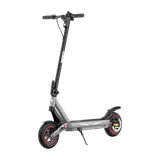
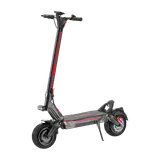
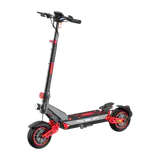
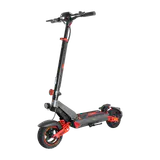
- Zwheel ZSA Plus – Deck: 21.5 x 6.3 inches. Ideal for commuters with medium feet.
- Zwheel D3S-S – Deck: 22 x 6.7 inches. Slightly larger for added comfort.
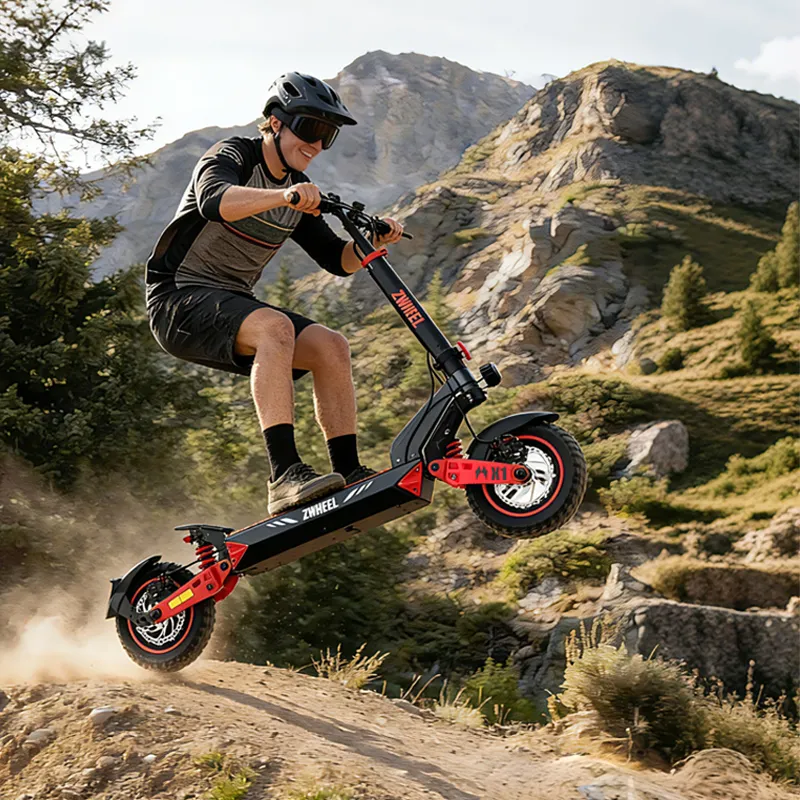
- Zwheel ZSB1 – Deck: 24 x 7.5 inches. Great for off-road and larger riders.
- Zwheel ZSD1 – Deck: 26 x 9 inches. Maximum stability for off-road adventures.
These dimensions are designed to accommodate a range of foot sizes and riding styles. For more details, check the product pages.
Conclusion
Electric scooter deck size and foot comfort are closely linked. A deck that's long enough and wide enough for your feet will keep you comfortable and in control, whether you're commuting or exploring trails. When choosing a scooter, don't just look at speed and range—measure your foot, consider your riding style, and check the deck dimensions. A well-fitting deck makes every ride more enjoyable.
Ready to find your perfect match? Explore Zwheel's lineup and read the specs carefully. Your feet will thank you.
Frequently Asked Questions
What is a good deck size for an electric scooter?
A good deck size depends on your foot size and riding style. For most adults, a deck around 22–24 inches long and 6.5–7.5 inches wide offers a comfortable balance. Larger riders or off-road enthusiasts may prefer 24+ inches long and 8+ inches wide.
How do I measure my foot for scooter deck size?
Measure your foot length from heel to toe while standing. Add 2–3 inches to allow for a staggered stance. For width, measure across the widest part of your foot and ensure the deck is at least 1 inch wider than your foot.
Can I make my scooter deck more comfortable?
Yes. You can add a thin anti-fatigue mat or grip tape with cushioning, wear supportive shoes, adjust your stance, and take regular breaks. Upgrading to a scooter with a larger deck or suspension also helps.
Is a wider deck always better?
Not necessarily. A wider deck improves stability and comfort but can make the scooter heavier and less maneuverable. Choose a width that matches your riding needs—commuters may prefer 6–7 inches, while off-road riders benefit from 8+ inches.
Does deck size affect scooter performance?
Deck size indirectly affects performance by influencing stability and control. A larger deck can provide more confidence at speed, but it also adds weight. Balance is key—choose a deck size that suits your riding style without compromising portability.
Ecrit par
Zwheel Team
Membre de l'equipe editoriale Zwheel, couvrant les tendances de mobilite, guides et conseils.