Electric Scooter Fall Riding: Autumn Leaves & Wet Roads Safety Tips
Fall riding on an electric scooter brings unique hazards like wet leaves and slick roads. Learn how to navigate autumn conditions safely with practical tips, gear advice, and scooter recommendations from Zwheel.
Sommaire
- Introduction: Why Fall Riding Is Different
- Understanding the Risks: Wet Leaves and Wet Roads
- Why Wet Leaves Are Like Ice
- Wet Roads: More Than Just Puddles
- Essential Fall Riding Gear for Electric Scooters
- Helmets and Visibility
- Tires: The Foundation of Safety
- Riding Techniques for Autumn Leaves and Wet Roads
- Speed and Braking
- Cornering and Lean Angle
- Weight Distribution
- Scooter Maintenance for Fall Conditions
- Battery Care in Cold Weather
- Brake and Lighting Checks
- Route Planning for Autumn Rides
- Avoiding Leaf-Prone Areas
- Time of Day Considerations
- What to Do If You Start to Slide
- Fall Riding Checklist
- Conclusion: Enjoy Autumn Safely
- Frequently Asked Questions
- Can I ride my electric scooter in the rain?
- How do I clean wet leaves off my scooter?
- What tire pressure is best for wet conditions?
- Should I use regenerative braking on wet leaves?
- How can I improve visibility in fall fog?
Introduction: Why Fall Riding Is Different
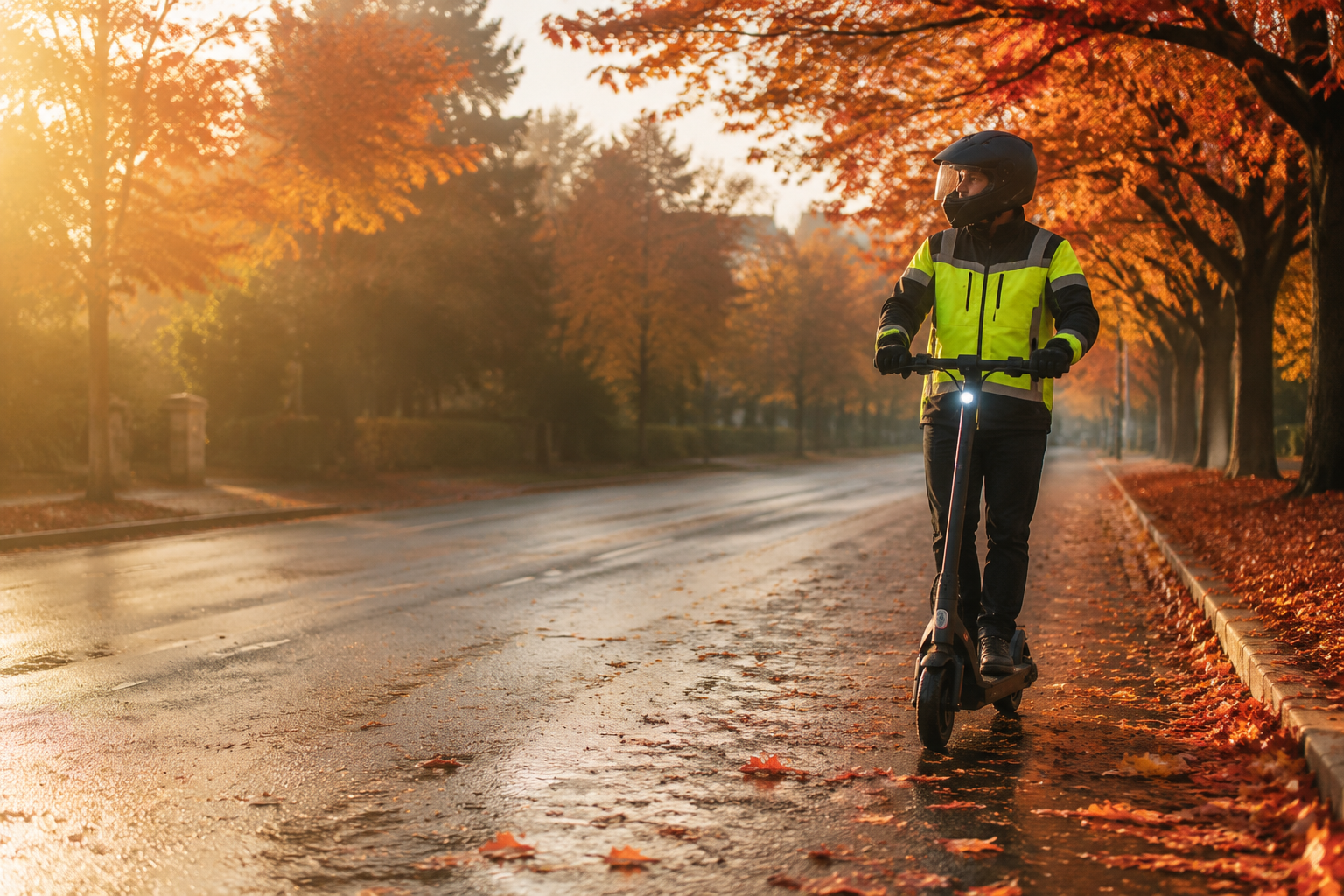
As the leaves turn golden and the air gets crisp, autumn offers some of the most scenic rides of the year. But for electric scooter riders, fall brings hidden dangers that can turn a joyride into a slippery situation. Wet leaves, morning dew, sudden rain showers, and shorter daylight hours all demand a different approach to riding. Whether you're commuting to work or exploring city trails, understanding how to handle these conditions is crucial. In this guide, we'll cover everything you need to know about electric scooter fall riding on autumn leaves and wet roads, from tire pressure to braking techniques, so you can ride confidently through the season.
Understanding the Risks: Wet Leaves and Wet Roads
Why Wet Leaves Are Like Ice
When leaves get wet, they lose their natural texture and become incredibly slippery. A single layer of wet maple or oak leaves can reduce traction by up to 50% compared to dry asphalt. Pile them up in corners or under trees, and you have a recipe for a slide-out. Unlike rain alone, which at least allows water to channel away from your tires, wet leaves create a thin, slick film that prevents proper contact with the road. This is especially dangerous for electric scooters with small, solid tires that already have less surface area than bicycles or motorcycles.
Wet Roads: More Than Just Puddles
Wet roads reduce tire grip by about 30% on average, according to tire safety studies. But the real danger comes from oil and debris that rise to the surface after the first rain after a dry spell. This slick layer, known as the 'first rain slick,' can be as treacherous as black ice. Combined with fallen leaves, it's a double whammy. Painted lane markings, manhole covers, and steel grates become especially hazardous when wet—avoid them whenever possible.
Essential Fall Riding Gear for Electric Scooters
Helmets and Visibility
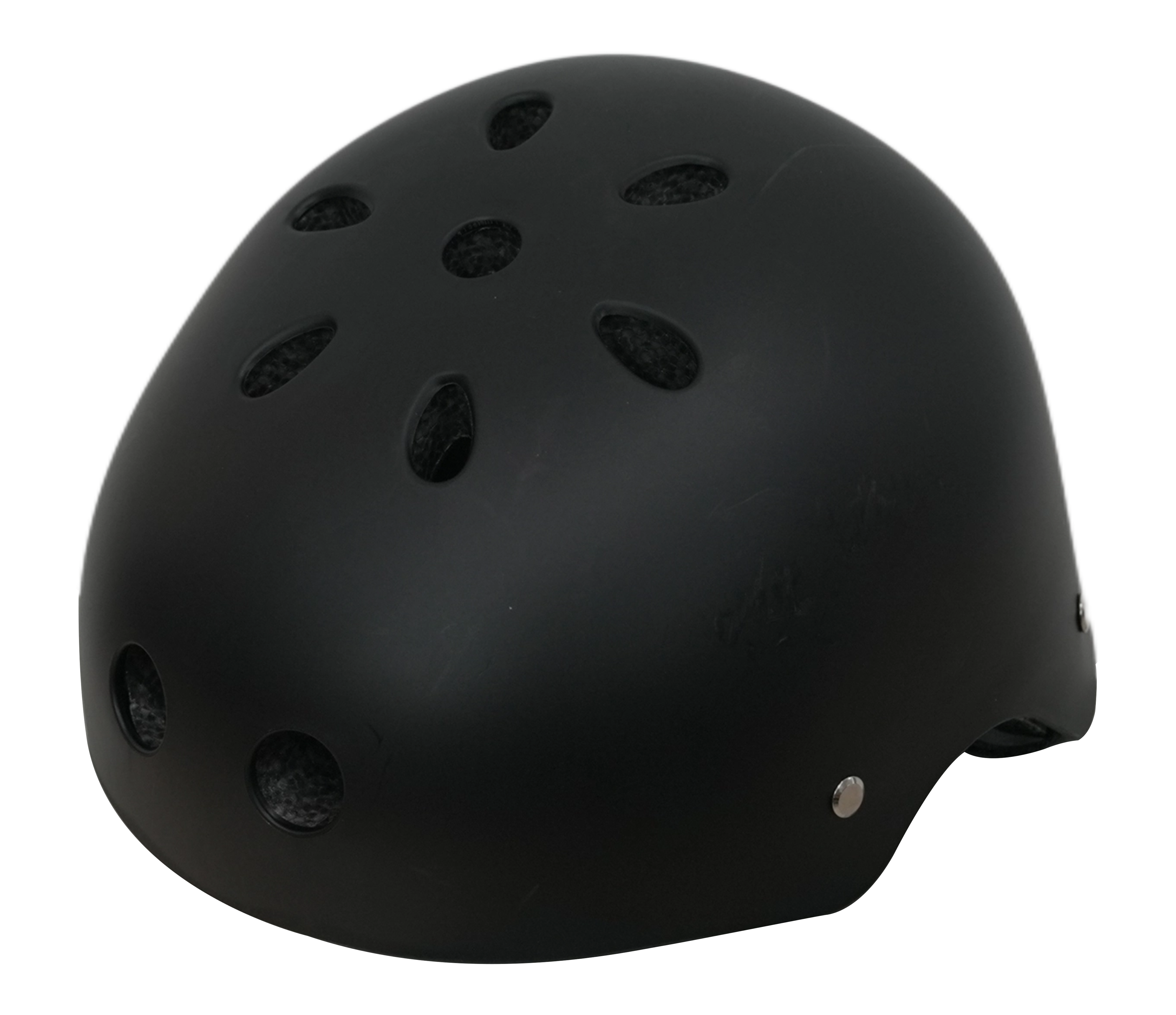
Your most important piece of gear is a full-face helmet. In fall, low sun can blind you, and a visor protects your eyes from glare, rain, and debris. Add a high-visibility vest or jacket with reflective strips—autumn mornings and evenings are darker, and you want to be seen by drivers. Consider handlebar-mounted lights or a headlamp for extra visibility.
Tires: The Foundation of Safety
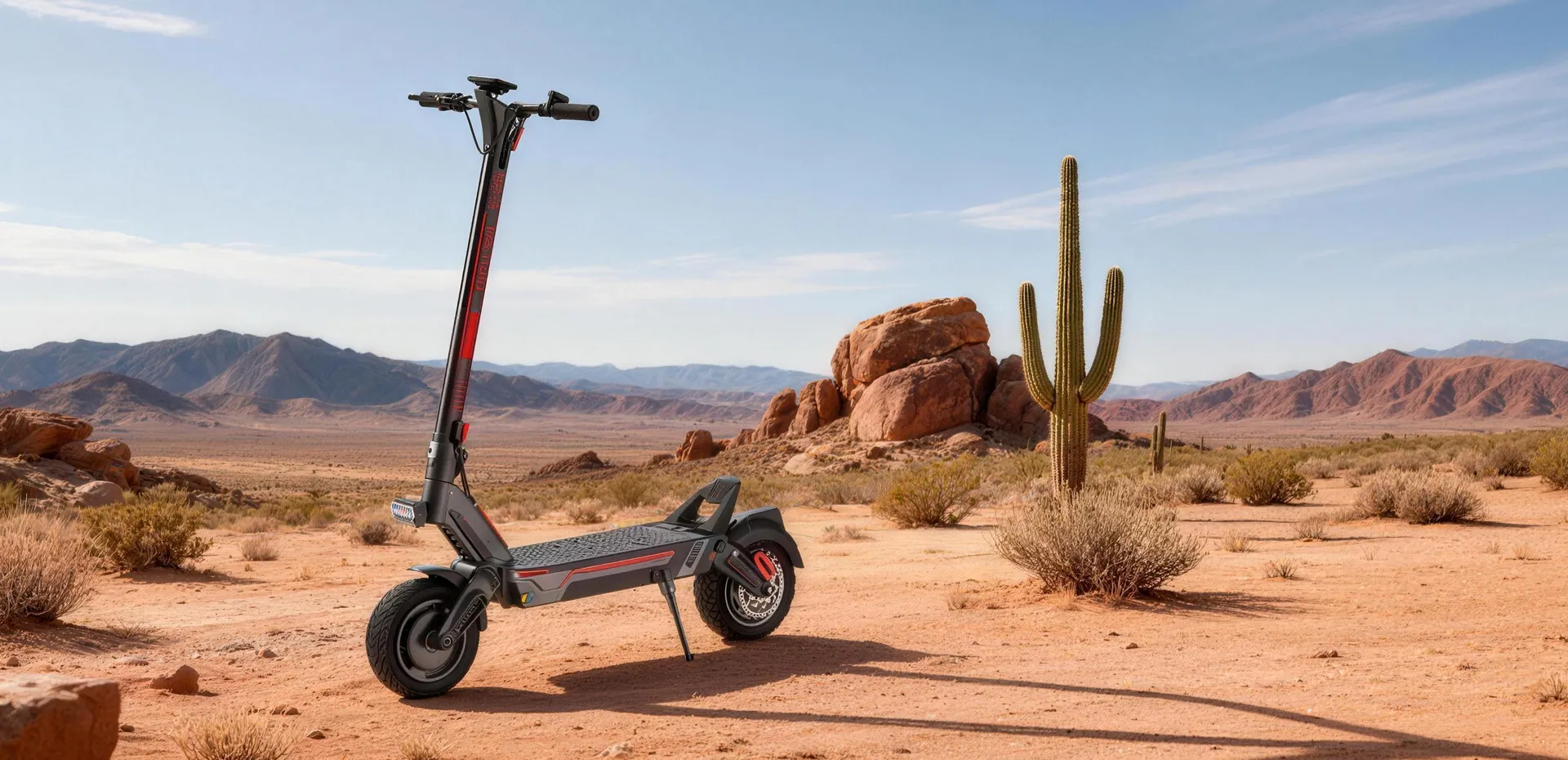
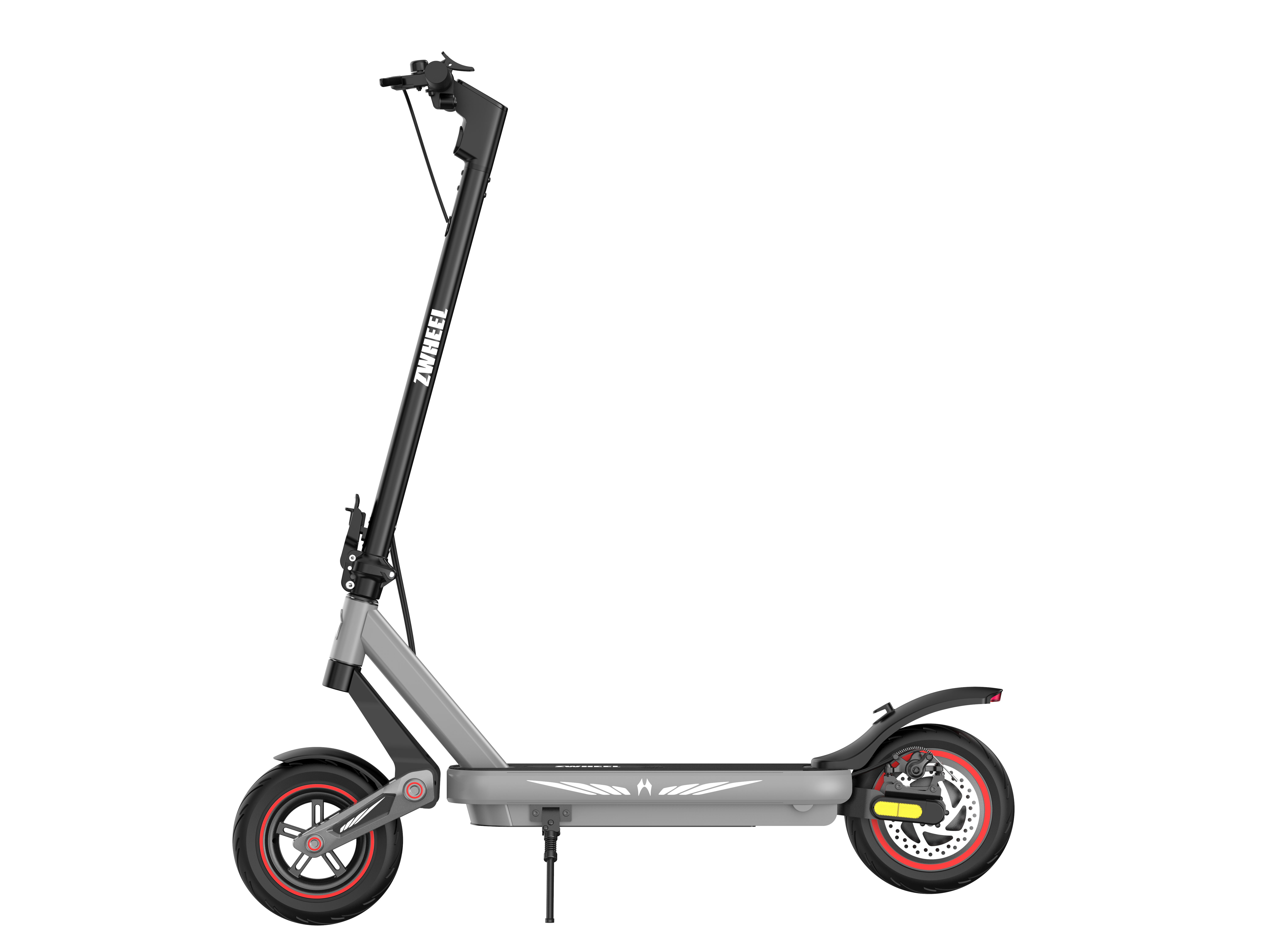
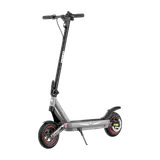
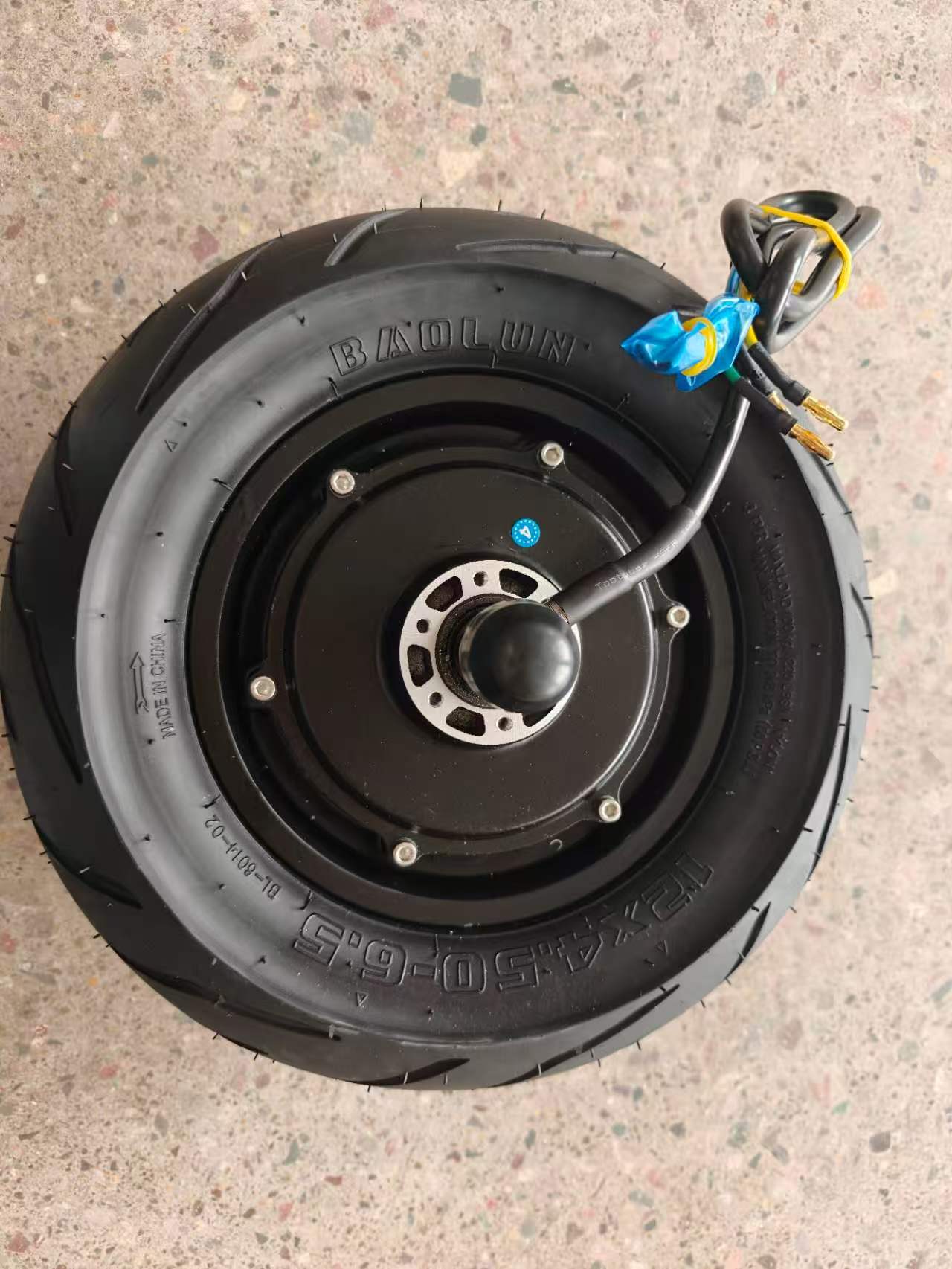
Your scooter's tires are your only contact with the road. For fall riding, check tire pressure weekly—underinflated tires reduce grip, while overinflated ones can cause skidding. If your scooter has pneumatic (air-filled) tires, keep them at the manufacturer's recommended PSI. For solid tires, ensure they have adequate tread depth. The Zwheel ZSB2 with its 10-inch pneumatic tires offers excellent traction for mixed conditions, making it a solid choice for fall commuters.
Riding Techniques for Autumn Leaves and Wet Roads
Speed and Braking
Speed is your enemy on wet leaves. Reduce your speed by at least 20% compared to dry conditions. Brake gently and progressively—squeeze the brake lever gradually rather than grabbing it. Most electric scooters have regenerative braking that can be modulated. Practice emergency braking in a safe, open area before hitting the road. Never brake while turning; instead, slow down before the corner.
Cornering and Lean Angle
When approaching a turn on wet leaves, reduce your speed earlier than you think necessary. Keep your body upright and lean the scooter slightly, not aggressively. Look through the turn to where you want to go—your scooter will follow your eyes. Avoid sudden steering inputs. If you must ride over a patch of leaves, try to go straight over them without turning or braking.
Weight Distribution
Shift your weight slightly back when riding over slippery surfaces to keep the front tire light and reduce the chance of a front-wheel slide. On descents, keep your weight centered and use both brakes evenly. Standing up slightly on the footboard can help absorb bumps and maintain balance.
Scooter Maintenance for Fall Conditions
Battery Care in Cold Weather
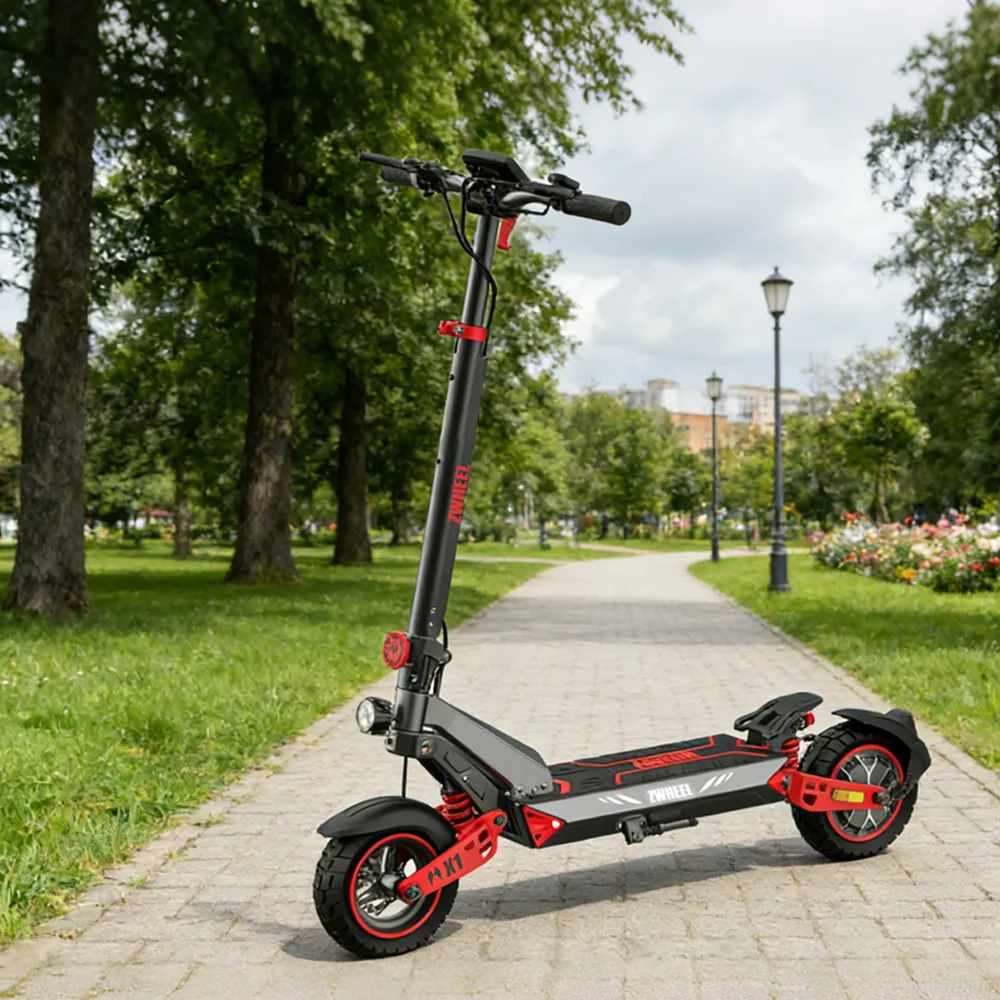
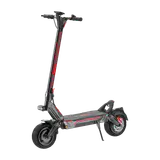
Lithium-ion batteries lose efficiency in colder temperatures. Store your scooter indoors when possible, and let the battery warm up to room temperature before charging. Avoid riding at full throttle immediately—let the battery warm up by riding gently for the first mile. The Zwheel ZSA Plus includes a smart battery management system that helps maintain performance in cooler weather.
Brake and Lighting Checks
Wet conditions wear brake pads faster. Inspect your brake pads monthly and replace them if they're below 1mm thickness. Clean the brake rotors with a dry cloth to remove oil or debris. Check all lights—headlight, taillight, and turn signals—before every ride. Carry a small microfiber cloth to wipe down the scooter after wet rides to prevent rust on exposed metal parts.
Route Planning for Autumn Rides
Avoiding Leaf-Prone Areas
Plan your route to avoid tree-lined streets with heavy leaf coverage. If possible, choose roads that are frequently swept or have less tree canopy. Bike lanes can accumulate leaves faster than car lanes, so stay alert. Use a weather app to check for rain forecasts—if rain is expected within an hour, consider postponing or taking public transit.
Time of Day Considerations
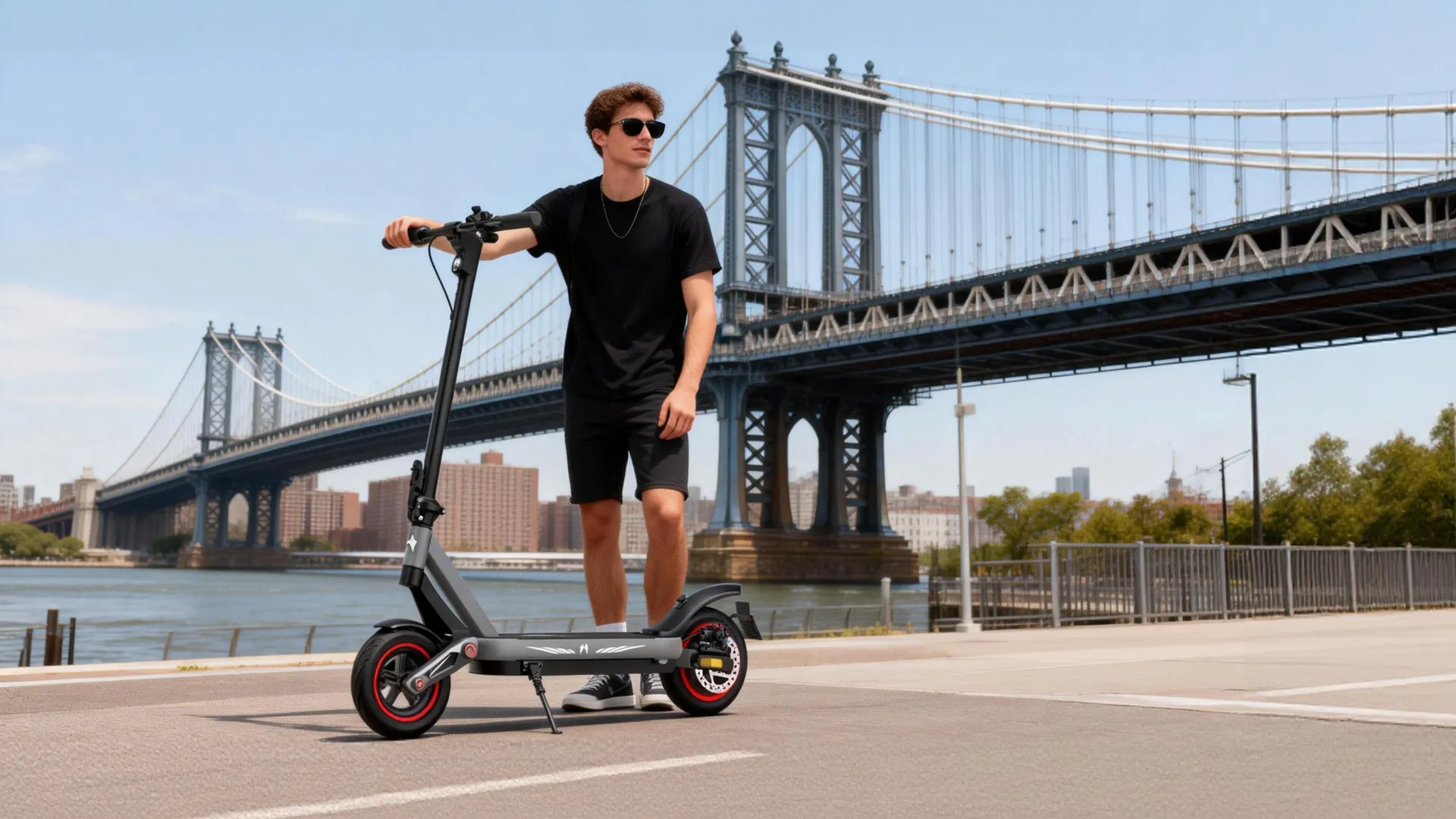
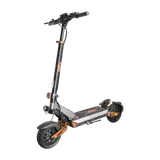
Early morning rides are riskier because dew makes all surfaces wet, even if it hasn't rained. Midday rides, especially after the sun has dried the roads, are safest. If you must ride at dusk or dawn, ensure your scooter has powerful lights. The Zwheel D3S-S features bright LED lighting that improves visibility in low-light conditions.
What to Do If You Start to Slide
If your scooter begins to slide on wet leaves, stay calm. Do not grab the brakes—that will lock the wheels and worsen the slide. Instead, keep your knees bent and try to steer gently in the direction of the slide (counter-steering). If you feel the rear wheel sliding, shift your weight forward slightly to regain traction. If a fall is inevitable, try to tuck and roll rather than putting your hands out—this reduces the risk of wrist fractures. Always wear gloves with palm sliders for added protection.
Fall Riding Checklist
- Check tire pressure and tread weekly
- Inspect brake pads and clean rotors
- Test all lights before each ride
- Charge battery fully and store indoors
- Wear high-visibility gear and full-face helmet
- Reduce speed by 20% on wet roads
- Avoid sudden braking or turning on leaves
- Plan routes away from heavy leaf areas
- Carry a microfiber cloth and small tool kit
- Practice emergency braking in a safe area
Conclusion: Enjoy Autumn Safely
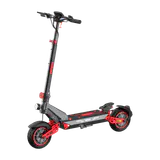
Fall is a beautiful season for electric scooter riding, but it demands respect for the changing conditions. By understanding the risks of wet leaves and wet roads, equipping yourself with the right gear, and adjusting your riding techniques, you can enjoy the season without compromising safety. Remember to maintain your scooter regularly, plan your routes wisely, and always ride within your limits. Whether you're commuting on a Zwheel ZSA Plus or tackling off-road trails on a Zwheel ZSD1, the principles of safe fall riding apply to all. Stay vigilant, stay dry, and happy riding!
Frequently Asked Questions
Can I ride my electric scooter in the rain?
Most electric scooters, including Zwheel models, are water-resistant but not waterproof. Light rain is generally safe, but avoid deep puddles and heavy downpours. Check your scooter's IP rating—most Zwheel scooters have an IP54 rating, meaning they can handle splashes but not submersion. After riding in rain, dry the scooter thoroughly and store it indoors.
How do I clean wet leaves off my scooter?
Use a soft brush or microfiber cloth to remove leaf debris from the deck, tires, and brake area. Leaves can hold moisture and cause rust if left on metal parts. For stubborn residue, use a damp cloth with mild soap, then dry immediately. Avoid using high-pressure water near electrical components.
What tire pressure is best for wet conditions?
Slightly lower tire pressure (about 5 PSI below the maximum recommended) can increase the contact patch and improve grip on wet surfaces. However, do not go too low, as that can cause pinch flats or rim damage. Check your scooter's manual for the ideal range. For pneumatic tires, 40-50 PSI is typical for most Zwheel models.
Should I use regenerative braking on wet leaves?
Regenerative braking is safe on wet leaves if used gently. It applies braking force to the motor, which can be less abrupt than mechanical brakes. However, it can still cause the rear wheel to lock up if applied too aggressively. Use it in combination with the mechanical brake, and always brake in a straight line.
How can I improve visibility in fall fog?
Use a bright headlight (at least 500 lumens) and a flashing rear light. Wear reflective clothing, and avoid using high beams in dense fog as they reflect off water droplets. Instead, use low beams or fog lights if available. Ride slower and use your horn or bell when approaching intersections.
Ecrit par
Zwheel Team
Membre de l'equipe editoriale Zwheel, couvrant les tendances de mobilite, guides et conseils.