Best Electric Scooter for Long Commute Over 15 Miles (2026)
Discover how to choose the best electric scooter for a long commute over 15 miles. Real-world range, battery care, and top 2026 picks inside.
Sommaire
- Why a 15-Mile Commute Changes Everything
- What Range Do You Actually Need for a 15-Mile Commute?
- Key Specs to Prioritize for a Long Commute
- 1. Battery Capacity (Wh) Over Motor Wattage
- 2. Top Speed and Cruise Speed
- 3. Tire Size and Suspension
- 4. Charge Time and Swappability
- 5. Weight and Portability
- Top Electric Scooters for Commutes Over 15 Miles
- Zwheel ZSA Plus – Best Entry-Level Long-Range Commuter
- Zwheel D3S-S – Step Up for Speed and Range
- Zwheel ZSB2 – All-Terrain Flexibility
- Other Notable Mentions
- Real-World Range: What to Expect in Different Conditions
- Battery Care Tips for Long-Distance Commuters
- Route Planning and Safety for 15+ Mile Commutes
- Frequently Asked Questions
- How far can an electric scooter go on one charge?
- Can I ride an electric scooter 15 miles each way every day?
- What's the best electric scooter for a long commute over 15 miles?
- How long does it take to charge an electric scooter for a long commute?
- Is it cheaper to commute by electric scooter than by car?
- Final Thoughts: Choose Range Over Hype
Why a 15-Mile Commute Changes Everything
If your daily ride to work is 15 miles or more, you can't just grab any electric scooter. Most entry-level models advertise 15–20 miles of range, but that's under ideal lab conditions—flat ground, a 150 lb rider, 77°F, no wind, and a steady 12 mph. Real commuting is nothing like that. Hills, stop-and-go traffic, cold mornings, and a heavier rider can slash range by 30–50%. So if your round trip is 30 miles total (15 each way), you need a scooter that can genuinely deliver 20–25 miles per charge to avoid range anxiety—or one with a swappable battery or fast charging.
This guide breaks down what actually matters for a long commute over 15 miles, with real numbers, practical tips, and scooter recommendations that won't leave you stranded.
What Range Do You Actually Need for a 15-Mile Commute?
Here's a simple rule: aim for 1.5x your one-way distance in real-world range. For a 15-mile commute, that means a scooter rated for at least 22–25 miles of real range. Why the buffer?
- Cold weather: Lithium batteries lose 20–30% capacity below 50°F (10°C).
- Hills: Climbing eats 2–3x more power than flat riding.
- Rider weight: Every 30 lbs over 165 lbs cuts range by roughly 5–8%.
- Speed: Going from 15 mph to 25 mph can reduce range by 40% due to aerodynamic drag.
- Battery degradation: After 300 charge cycles (about a year of daily commuting), capacity drops 10–15%.
So when a manufacturer claims "30 miles," treat it as 18–22 miles in the real world. Always check the battery's watt-hours (Wh)—that's the honest number. A 48V 15Ah battery = 720Wh. As a rough guide, you'll use 20–30Wh per mile at moderate speeds, so 720Wh gives you roughly 24–36 miles. The higher your speed and weight, the closer to the low end you'll land.
Key Specs to Prioritize for a Long Commute
1. Battery Capacity (Wh) Over Motor Wattage
Motor wattage gets all the marketing attention, but for long commutes, battery watt-hours matter more. A 1000W motor with a 500Wh battery will run out faster than an 800W motor with a 900Wh battery. Look for at least 700–1000Wh for a 15-mile one-way trip.
2. Top Speed and Cruise Speed
You don't need 40 mph to commute. A sustained cruise speed of 20–25 mph is the sweet spot—fast enough to keep up with traffic on bike lanes and side streets, efficient enough to preserve range. Scooters that top out at 28–35 mph often have a "range mode" that caps speed at 20 mph to extend battery life.
3. Tire Size and Suspension
For 15+ mile commutes, 10-inch pneumatic (air-filled) tires are the minimum. They absorb road imperfections, reduce fatigue, and provide better grip in wet conditions. Solid tires vibrate more and wear unevenly. If your route includes rough pavement or gravel sections, consider a scooter with dual suspension.
4. Charge Time and Swappability
If you can't charge at work, a 6–8 hour charge time is a dealbreaker for a 30-mile round trip unless you have a second battery. Some scooters support fast charging (2–4 hours) or have removable batteries you can swap in 30 seconds. That's a game-changer for long commutes.
5. Weight and Portability
Long-range scooters are heavy—typically 50–80 lbs. If you need to carry it up stairs or onto a train, that's a real consideration. Folding mechanisms vary widely; test one in person if possible.
Top Electric Scooters for Commutes Over 15 Miles
Based on real-world range, build quality, and value, here are standout options for 2026. All prices are current as of September 2026.
Zwheel ZSA Plus – Best Entry-Level Long-Range Commuter
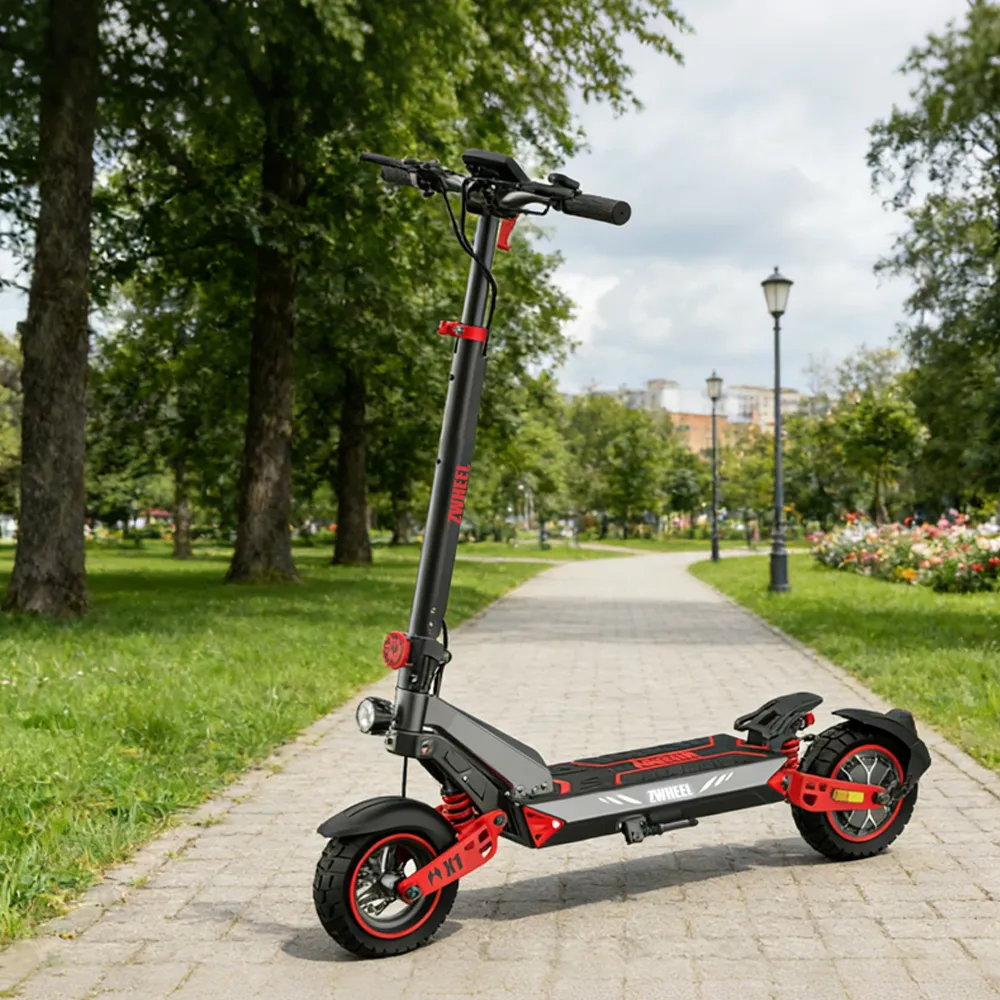
At $499, the Zwheel ZSA Plus packs an 800W motor and a battery that delivers a genuine 22–28 miles in moderate conditions. It cruises comfortably at 20 mph, has 10-inch pneumatic tires, and weighs a manageable 48 lbs. For a 15-mile one-way commute with charging at work, it's a solid, affordable choice. Just note that if you're a heavier rider or face steep hills, you'll want more power.
Zwheel D3S-S – Step Up for Speed and Range
The Zwheel D3S-S ($600) adds a 1000W motor and a slightly larger battery, pushing real-world range to 25–32 miles. Top speed is around 25 mph, and the dual braking system (disc + electronic) inspires confidence in traffic. It's a great match for 15–18 mile commutes where you want to maintain 22+ mph without draining the battery too fast.
Zwheel ZSB2 – All-Terrain Flexibility
If your commute mixes bike paths, gravel shortcuts, or poorly maintained roads, the Zwheel ZSB2 ($650) is worth a look. Its 1500W motor and all-terrain tires handle mixed surfaces, and the 48V 20Ah battery (960Wh) delivers 30–38 miles in real conditions. That's enough for a 15-mile round trip without charging, or a one-way 20+ mile ride with juice to spare. It's heavier at 62 lbs, but the ride quality is excellent.
Other Notable Mentions
For extreme range (40+ miles), you'll need to spend $1,200+. The Zwheel ZSE2 ($1,400) is a 6000W racing scooter with a massive battery, but it's overkill for most commuters unless you have a 25+ mile one-way trip and need 45+ mph speeds. For most people, the $500–$700 range hits the sweet spot.
Real-World Range: What to Expect in Different Conditions
Let's put numbers to it. Assume a 165 lb rider, moderate hills, 60°F, and a mix of 15–22 mph speeds.
| Scooter | Battery (Wh) | Claimed Range | Realistic Range |
|---|---|---|---|
| Zwheel ZSA Plus | ~720Wh | 30 mi | 22–28 mi |
| Zwheel D3S-S | ~840Wh | 35 mi | 25–32 mi |
| Zwheel ZSB2 | 960Wh | 40 mi | 30–38 mi |
In winter (40°F), subtract 20–25%. In hilly terrain, subtract another 15–20%. So a ZSB2 that does 35 miles in summer might do 22–25 miles in a cold, hilly commute. Plan accordingly.
Battery Care Tips for Long-Distance Commuters
Your battery is the most expensive component. Treat it well and it'll last 3–5 years (800–1000 cycles). Here's how:
- Keep it between 20% and 80% for daily charging. Full 0–100% cycles accelerate degradation.
- Store at 50–60% if you won't ride for a week or more.
- Avoid charging immediately after a ride—let the battery cool for 30 minutes.
- Don't leave it plugged in overnight regularly. Use a timer or smart plug.
- Charge in a dry, room-temperature place. Extreme heat or cold damages cells.
Following these tips can extend your battery's useful life by 30–50%, saving you $200–$400 on a replacement.
Route Planning and Safety for 15+ Mile Commutes
Long commutes expose you to more variables. A few practical tips:
- Scout your route on a day off. Identify bike lanes, busy intersections, and alternative paths.
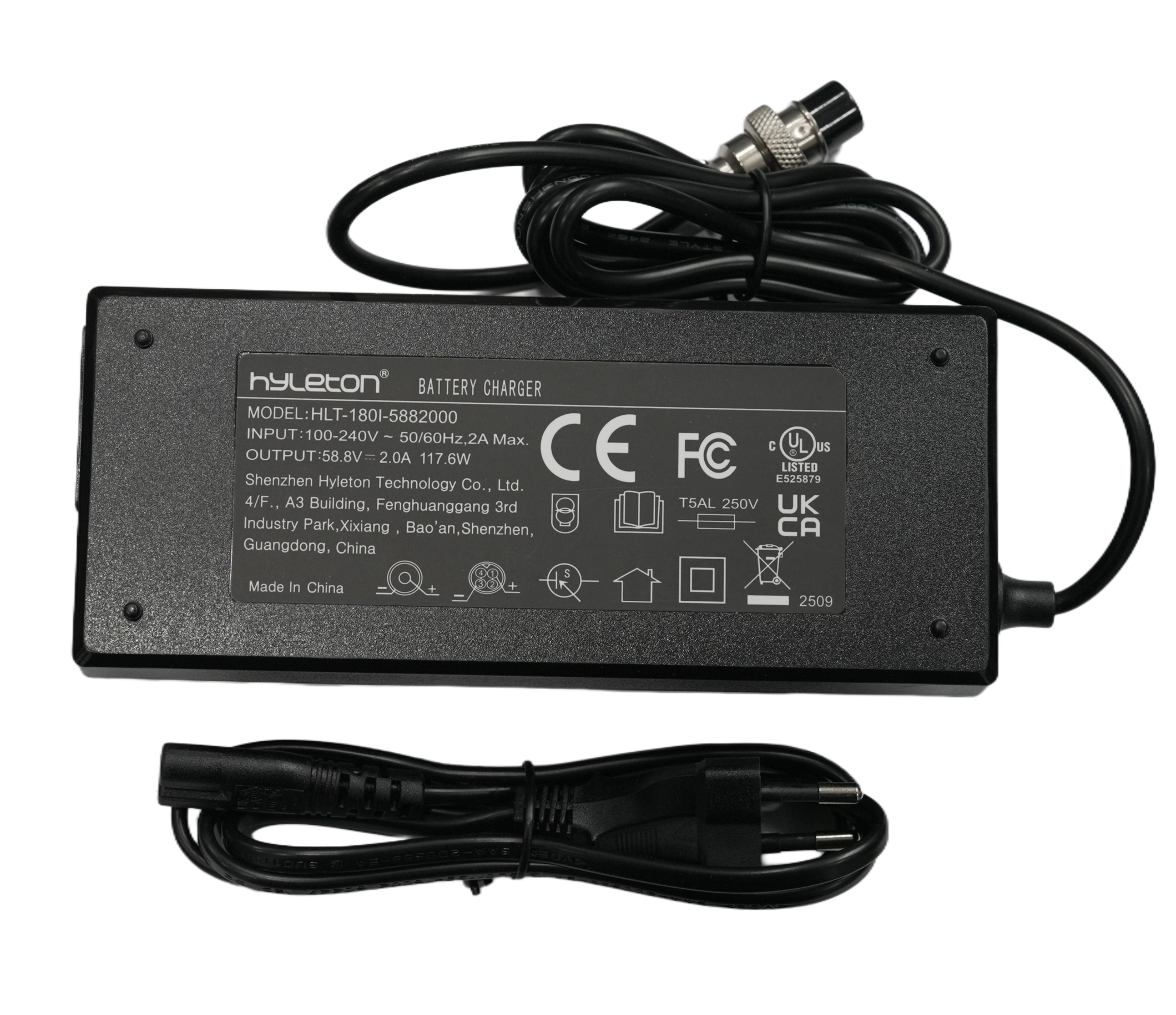
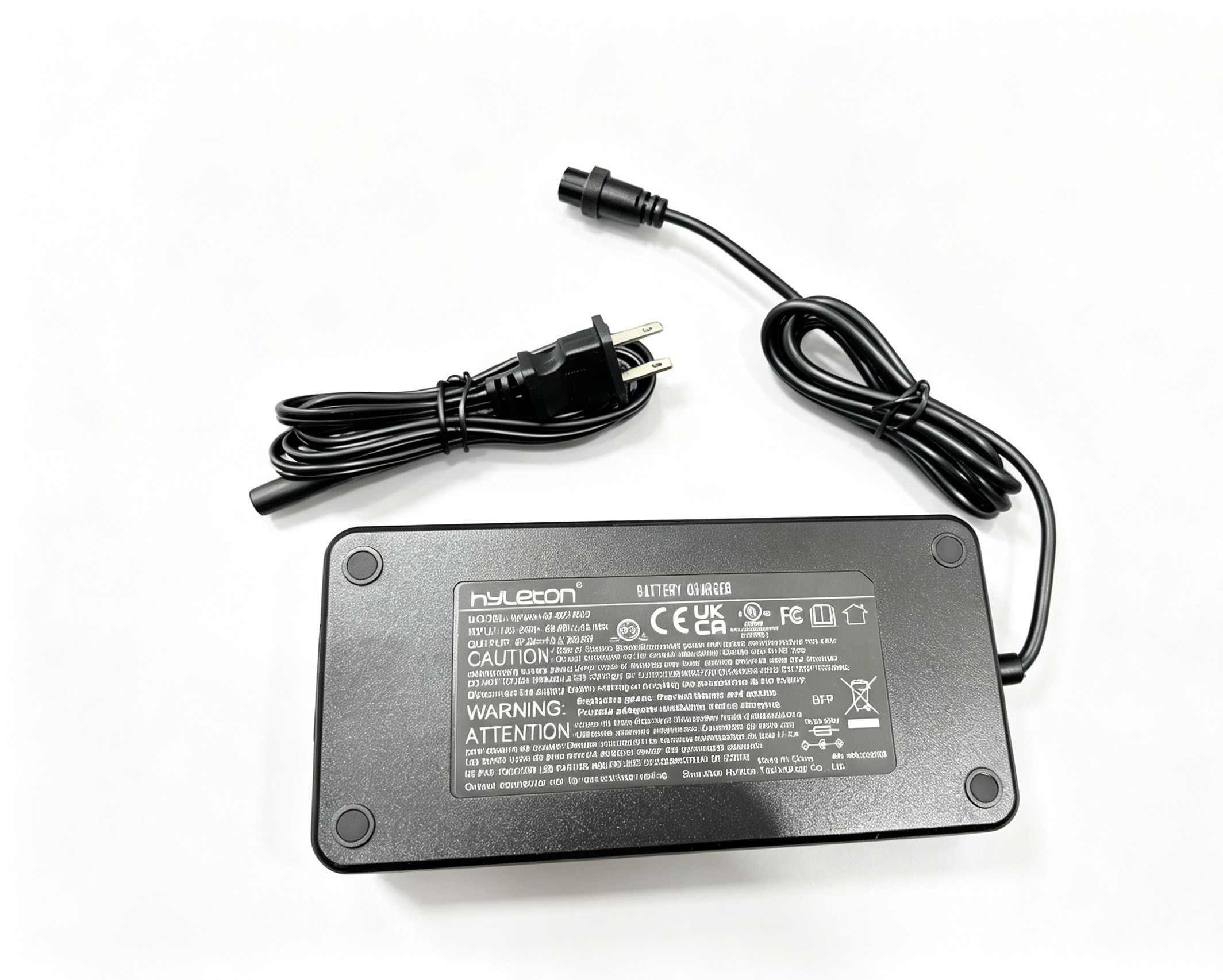
- Carry a portable charger if your scooter supports it. A 2A charger can add 10–15 miles during a 2-hour lunch break.
- Wear high-vis gear. You'll be riding in low light more often. Reflective vest, lights, and a good helmet are non-negotiable.
- Check tire pressure weekly. Under-inflated tires can cut range by 10–15% and increase puncture risk.
- Have a backup plan. Know the bus/train schedule or keep a rideshare app handy for days when weather or battery life doesn't cooperate.
Frequently Asked Questions
How far can an electric scooter go on one charge?
Entry-level scooters typically go 15–20 miles; mid-range models (like the Zwheel D3S-S) go 25–32 miles; high-capacity commuters (like the Zwheel ZSB2) can reach 35–40 miles in real conditions. Always check the battery's watt-hours and divide by 25–30Wh per mile for a realistic estimate.
Can I ride an electric scooter 15 miles each way every day?
Yes, but you'll need a scooter with at least 25 miles of real-world range and ideally the ability to charge at work. Daily 30-mile round trips will also wear your battery faster—expect 2–3 years before capacity drops noticeably if you charge daily.
What's the best electric scooter for a long commute over 15 miles?
It depends on your budget and terrain. For flat city commutes, the Zwheel ZSA Plus or D3S-S are excellent value. For mixed terrain or longer distances, the Zwheel ZSB2 offers more range and power. If you need 40+ miles, look at high-capacity models like the Zwheel ZSE2.
How long does it take to charge an electric scooter for a long commute?
Most long-range scooters take 4–8 hours to charge from empty. Some support fast charging (2–4 hours). If you can't charge at work, consider a model with a removable battery so you can swap in a fresh one.
Is it cheaper to commute by electric scooter than by car?
Absolutely. A 30-mile round trip in a car costs roughly $4–$6 in gas (at $3.50/gal, 25 mpg). The same trip on an electric scooter costs about $0.10–$0.15 in electricity. Even factoring in the scooter's purchase price and maintenance, most commuters break even within 6–12 months.
Final Thoughts: Choose Range Over Hype
For a long commute over 15 miles, the scooter you choose should be judged on real-world range, battery health, and comfort—not peak wattage or top speed. Aim for a battery of at least 700Wh, 10-inch pneumatic tires, and a cruise speed of 20–25 mph. If you can charge at work, a mid-range model like the Zwheel ZSA Plus or D3S-S will serve you well. If not, step up to the ZSB2 for the extra range and peace of mind.
Whatever you pick, take care of the battery, plan your route, and ride safely. A long commute doesn't have to be a grind—with the right scooter, it can be the best part of your day.
Ecrit par
Zwheel Team
Membre de l'equipe editoriale Zwheel, couvrant les tendances de mobilite, guides et conseils.