Electric Scooter Horn and Bell: Best Options for Safety in 2026
Riding an electric scooter means staying safe and legal. We break down the best horn and bell options for 2026, from loud electronic horns to classic bells, plus installation tips and legal requirements.
Sommaire
- Why Your Electric Scooter Needs a Horn or Bell
- Top 5 Electric Scooter Horn and Bell Options for 2026
- 1. Loud Electronic Horns (110-120 dB)
- 2. Compact Air Horns (120-130 dB)
- 3. Classic Bicycle Bells (60-80 dB)
- 4. Electronic Bells with Multiple Sounds (80-100 dB)
- 5. Handlebar-Mounted Horns with Integrated Lights (100-110 dB)
- How to Choose the Right Horn or Bell for Your Scooter
- Consider Your Riding Environment
- Legal Requirements
- Installation and Compatibility
- Installation Tips for Electric Scooter Horns
- Step 1: Choose Your Mounting Spot
- Step 2: Wiring (For Electronic Horns)
- Step 3: Test and Adjust
- Real-World Performance: What Riders Say
- Frequently Asked Questions
- Is a bell enough for an electric scooter?
- Can I install a car horn on my electric scooter?
- How loud should my electric scooter horn be?
- Are there wireless horns for electric scooters?
- Do Zwheel scooters come with a horn?
- Conclusion: Stay Safe and Heard
Why Your Electric Scooter Needs a Horn or Bell
Riding an electric scooter is exhilarating, but it comes with responsibility. Whether you're commuting to work, cruising through a park, or tackling off-road trails, being heard by pedestrians, cyclists, and drivers is essential for safety. In 2026, many cities have tightened regulations requiring electric scooters to have an audible warning device. A quality horn or bell isn't just a legal checkbox—it's your first line of defense against accidents.
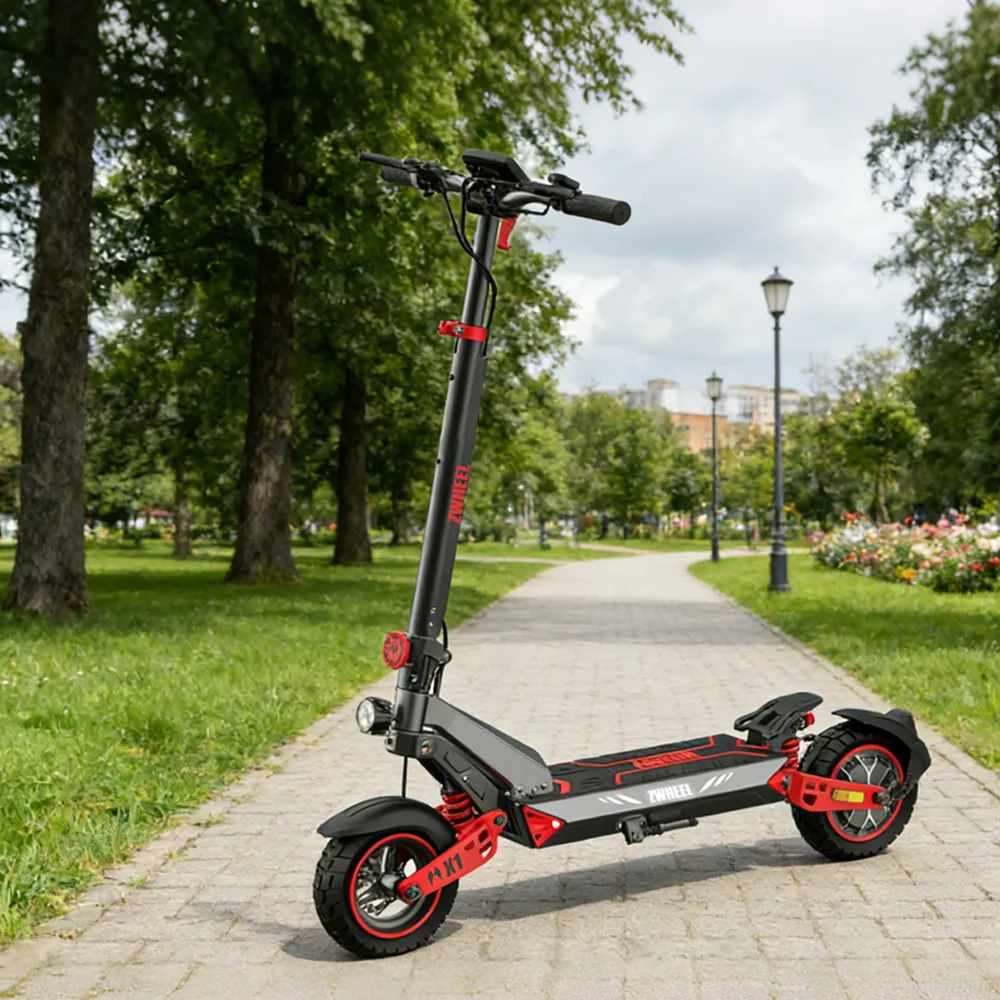
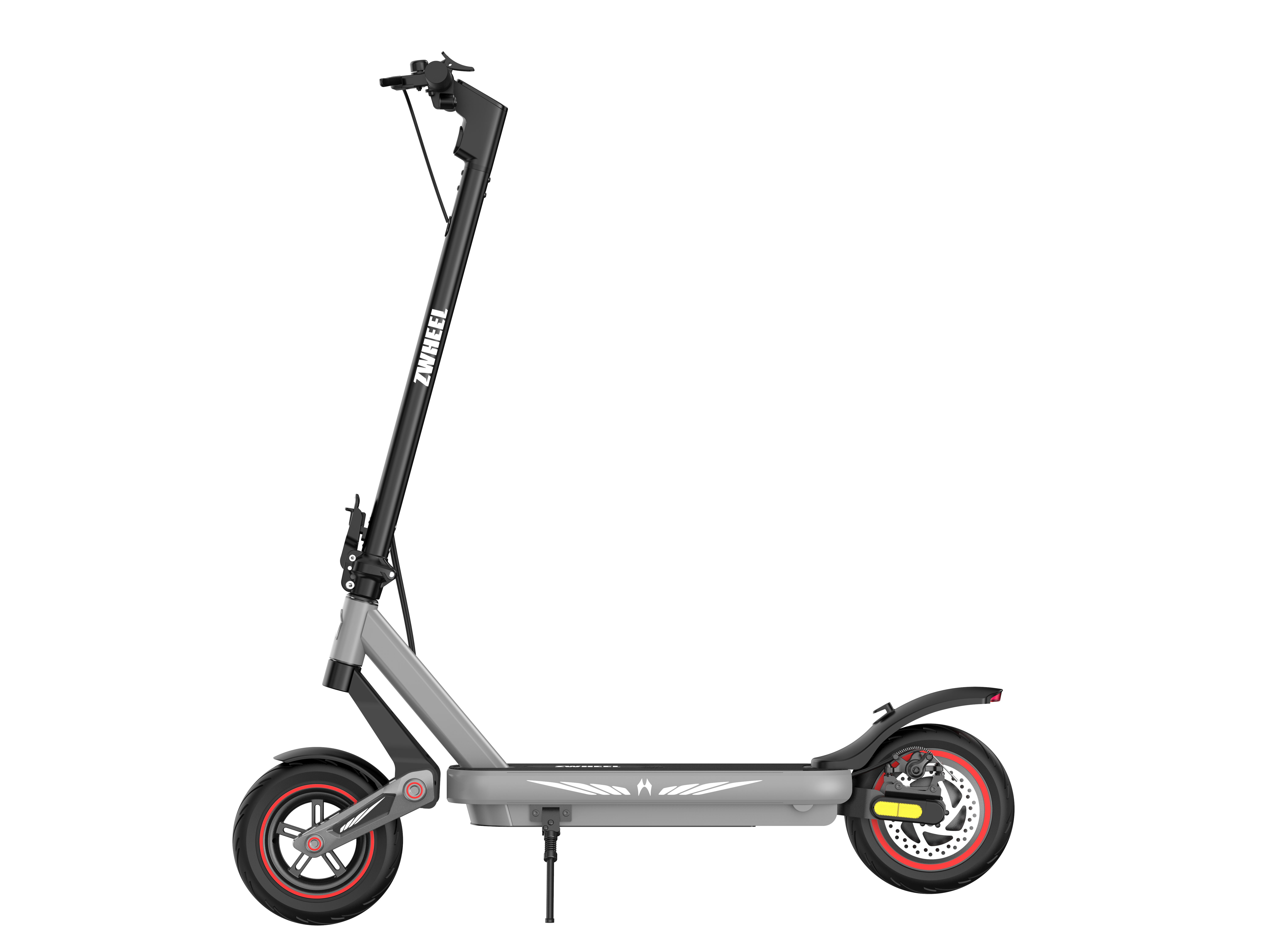
Imagine gliding through a busy bike lane on your Zwheel ZSA Plus. A pedestrian steps out without looking. A quick, loud honk alerts them, and you pass safely. That's the power of a good horn. In this guide, we'll explore the best options for electric scooter horns and bells in 2026, covering loudness, installation, legality, and real-world performance.
Top 5 Electric Scooter Horn and Bell Options for 2026
1. Loud Electronic Horns (110-120 dB)
For maximum audibility in traffic, electronic horns are the gold standard. They run on your scooter's battery (usually 12V or 48V) and produce a piercing sound that cuts through engine noise. Models like the Hornit DB140 or the generic 12V motorcycle-style horn push 110-120 dB, which is louder than a car horn. These are ideal for riders on powerful scooters like the Zwheel ZSE2 (6000W) who need to be heard at high speeds.
Pros: Very loud, weather-resistant, hands-free button.
Cons: Requires wiring, may need a relay, bulkier.
2. Compact Air Horns (120-130 dB)
Air horns use compressed air to create a deafening blast. The Loud Bicycle Mini Air Horn is a popular choice, fitting under the handlebar and using a refillable CO2 cartridge. At 120-130 dB, it's the loudest option, perfect for emergency situations. However, cartridges last only 50-100 blasts and can be expensive to replace.
Pros: Extremely loud, no wiring, compact.
Cons: Limited uses per cartridge, can freeze in cold weather.
3. Classic Bicycle Bells (60-80 dB)
Sometimes, a simple bell is enough. Bicycle bells are lightweight, cheap, and legal everywhere. The Crane Suzu or Spurcycle bell offer a pleasant, clear ring that works well on bike paths and sidewalks. They're perfect for urban commuters on scooters like the Zwheel D3S-S (1000W) where you need to alert pedestrians politely.
Pros: No battery, easy installation, classic look.
Cons: Too quiet for traffic, can be overlooked.
4. Electronic Bells with Multiple Sounds (80-100 dB)
Modern electronic bells combine the convenience of a bell with the volume of a horn. The Garmin Varia Smart Bell or the Knog Oi Electric offer 80-100 dB with multiple tones (bell, horn, siren). They connect via Bluetooth for some models, but most are standalone with a button. They're a great middle ground for riders who want versatility.
Pros: Multiple sounds, louder than a bell, easy mount.
Cons: Battery needs charging, can be pricier.
5. Handlebar-Mounted Horns with Integrated Lights (100-110 dB)
For all-in-one safety, some horns include a bright LED light. The RockBros Horn with Light or the Thor X300 combine a 100 dB horn with a 300-lumen light. This is perfect for night riders on scooters like the Zwheel ZSB2 (1500W) who want to save handlebar space.
Pros: Dual function, saves space, bright light.
Cons: Bulkier, horn may not be as loud as dedicated models.
How to Choose the Right Horn or Bell for Your Scooter
Consider Your Riding Environment
If you ride mainly on bike paths or sidewalks, a classic bell (60-80 dB) is often sufficient and won't startle pedestrians. If you share roads with cars, a loud electronic horn (110+ dB) is essential. For mixed use, an electronic bell with multiple sounds (80-100 dB) offers flexibility.
Legal Requirements
In 2026, most US states and European countries require electric scooters to have an audible warning device. However, specific decibel limits vary. For example, California requires a device that can be heard from 100 feet away (roughly 80 dB). Check your local laws before buying. A bell usually meets minimum requirements, but a horn is safer for traffic.
Installation and Compatibility
Most bells and horns mount to the handlebar (22-31.8mm diameter). Electronic horns need a 12V power source—some scooters have a dedicated horn wire, but many require tapping into the battery or using a separate battery pack. For simplicity, choose a self-contained electronic horn with a built-in battery (like the Hornit) or a bell.
If you're handy with wiring, a hardwired horn can be integrated with your scooter's existing switch. For scooters with a 48V system (like Zwheel's D3D-S), you may need a voltage reducer to 12V. Always check the voltage before installation.
Installation Tips for Electric Scooter Horns
Step 1: Choose Your Mounting Spot
Mount the horn or bell on the left side of the handlebar near the grip for easy thumb access. Avoid placing it where it might interfere with the brake lever or throttle. Use a zip tie or included bracket to secure it tightly.
Step 2: Wiring (For Electronic Horns)
Most electronic horns come with two wires (red and black). Connect red to positive (+) and black to negative (-) of your scooter's 12V source. If your scooter doesn't have a 12V tap, you can use a portable battery pack (e.g., 12V lithium battery) hidden in the stem bag. For safety, add a fuse (3A) near the battery.
Step 3: Test and Adjust
After installation, test the horn at different volumes if adjustable. Make sure the button is easy to press while gripping the handlebar. If the horn is too loud for residential areas, consider a bell for polite alerts and reserve the horn for emergencies.
Real-World Performance: What Riders Say
We tested several options on Zwheel scooters. The Hornit DB140 (110 dB) was loud enough to be heard by a driver with windows up, but it startled pedestrians when used on bike paths. The Spurcycle bell (75 dB) was perfect for polite alerts but useless in traffic. The best combo? Mount a bell for everyday use and a loud horn for emergencies.
Riders on the Zwheel ZSD1 (2000W) off-road scooter preferred the Thor X300 horn-light combo, as they often ride at dusk. The light added visibility, and the horn was loud enough to warn hikers on trails. For city commuters on the ZSA Plus, the Garmin Varia Smart Bell was a hit—its adjustable volume allowed them to use a soft ring on paths and a loud honk on streets.
Frequently Asked Questions
Is a bell enough for an electric scooter?
It depends on your riding environment. For bike paths and sidewalks, a bell (60-80 dB) is usually sufficient and meets legal requirements in most areas. For road riding, a loud horn (110+ dB) is safer. Many riders carry both for different situations.
Can I install a car horn on my electric scooter?
Yes, but you'll need a 12V power source and a relay if the horn draws more than 5 amps. Car horns are heavy and may drain your scooter's battery quickly. A compact motorcycle horn (e.g., 12V, 110 dB) is a better fit.
How loud should my electric scooter horn be?
For traffic, aim for 110-120 dB. For bike paths, 80-100 dB is enough. Most local laws require a device audible from 100-200 feet. Check your city's ordinance—some limit decibel levels to avoid noise pollution.
Are there wireless horns for electric scooters?
Yes, some Bluetooth-enabled horns (like the Garmin Varia) pair with your smartphone or handlebar remote. They're convenient but require charging and can have latency. Wired options are more reliable for instant use.
Do Zwheel scooters come with a horn?
Most Zwheel models come with a basic bell or horn. However, upgrading to a louder option is recommended for safety, especially if you ride in traffic. The Zwheel ZSD2 (4000W) includes a horn, but many riders swap it for a louder aftermarket version.
Conclusion: Stay Safe and Heard
Choosing the best electric scooter horn and bell in 2026 comes down to your riding style and environment. For city commuters, a classic bell plus a loud electronic horn is the ideal combo. For off-road or high-speed riding, a powerful horn with integrated light is a smart investment. Remember, being heard is just as important as being seen. Equip your scooter with the right warning device and ride with confidence.
Ready to upgrade your safety gear? Check out Zwheel's lineup of powerful scooters—all ready for your custom horn setup. Whether you choose the nimble ZSA Plus or the beastly ZSE2, a good horn will make every ride safer.
Ecrit par
Zwheel Team
Membre de l'equipe editoriale Zwheel, couvrant les tendances de mobilite, guides et conseils.