Electric Scooter Insurance: Do You Need It? (2026 Guide)
Wondering if you need electric scooter insurance? We break down 2026 laws, real costs, and when coverage is worth it—so you can ride legally and confidently.
Sommaire
- Electric Scooter Insurance: Do You Need It in 2026?
- Do You Legally Need Electric Scooter Insurance?
- United States
- United Kingdom
- European Union
- Canada & Australia
- What Does Electric Scooter Insurance Actually Cover?
- Liability Coverage
- Theft & Vandalism
- Personal Injury
- What's Usually Excluded
- How Much Does Electric Scooter Insurance Cost in 2026?
- When Electric Scooter Insurance Is Worth It
- 1. You Ride in Dense Urban Traffic
- 2. Your Scooter Is Expensive
- 3. You Have Assets to Protect
- 4. Your Local Laws Require It
- 5. You Let Others Ride Your Scooter
- When You Can Probably Skip It
- How to Choose the Right Policy
- Practical Tips to Lower Your Risk (and Premium)
- Frequently Asked Questions
- Is electric scooter insurance legally required in the US?
- Does my renter's insurance cover my electric scooter?
- How much does electric scooter insurance cost per month?
- What happens if I hit someone with my electric scooter and have no insurance?
- Can I insure a high-performance electric scooter?
- Final Thoughts: Do You Need Electric Scooter Insurance?
Electric Scooter Insurance: Do You Need It in 2026?
You just unboxed your new electric scooter. The wind feels great, the commute is faster, and you're saving money on gas. Then a thought hits: electric scooter insurance—do you need it? It's one of the most common questions new riders ask, and the answer isn't a simple yes or no. It depends on where you live, how you ride, and what you're willing to risk.
In this guide, we'll walk through the 2026 legal landscape, real-world costs, and the scenarios where insurance is genuinely worth it—plus when you can probably skip it. No scare tactics, just clear answers so you can make an informed decision.
Do You Legally Need Electric Scooter Insurance?
Short answer: in most places, no. But there are important exceptions. As of 2026, the rules vary wildly depending on your country, state, or even city. Here's a quick snapshot:
United States
No state currently requires insurance for a standard electric scooter (under 750W, max 20 mph) used on public roads. However, if your scooter exceeds certain power or speed thresholds, it may be classified as a moped or motorcycle—which does require insurance. For example, scooters capable of 30+ mph may need registration and liability coverage in states like California and New York.
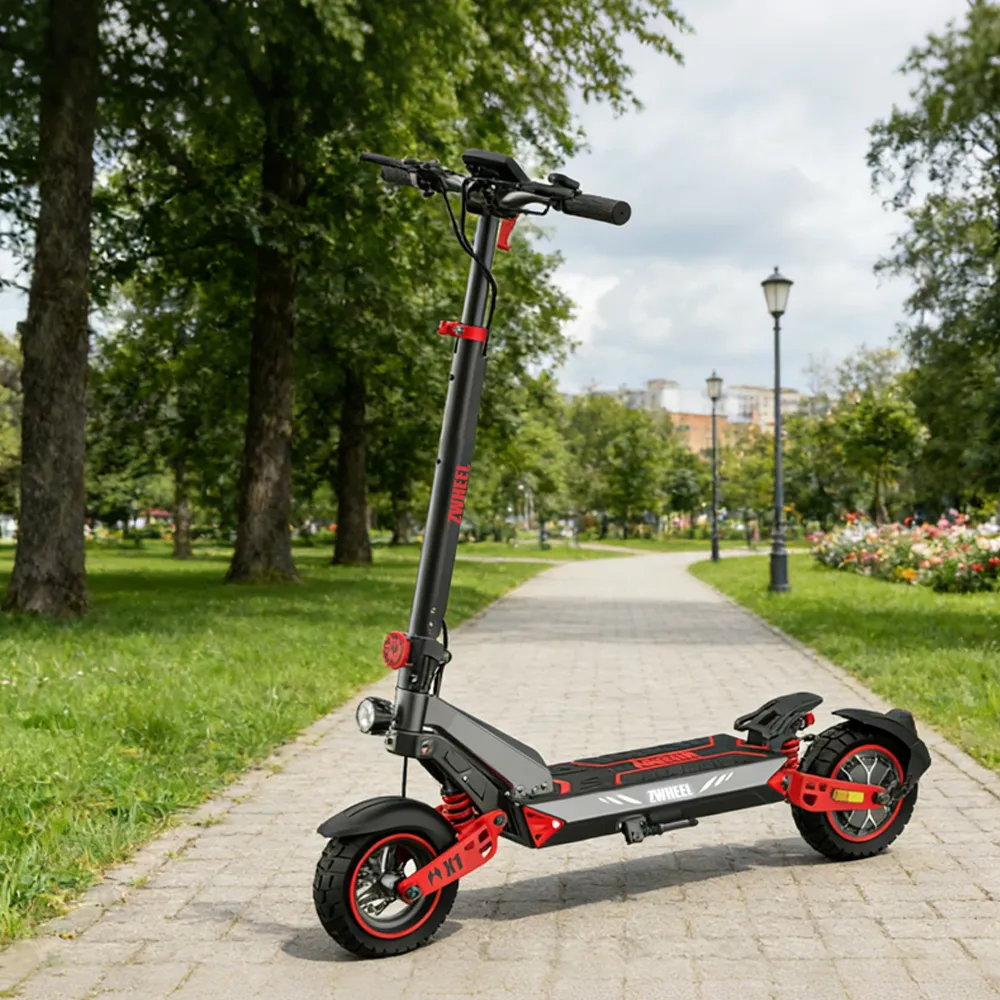
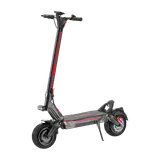
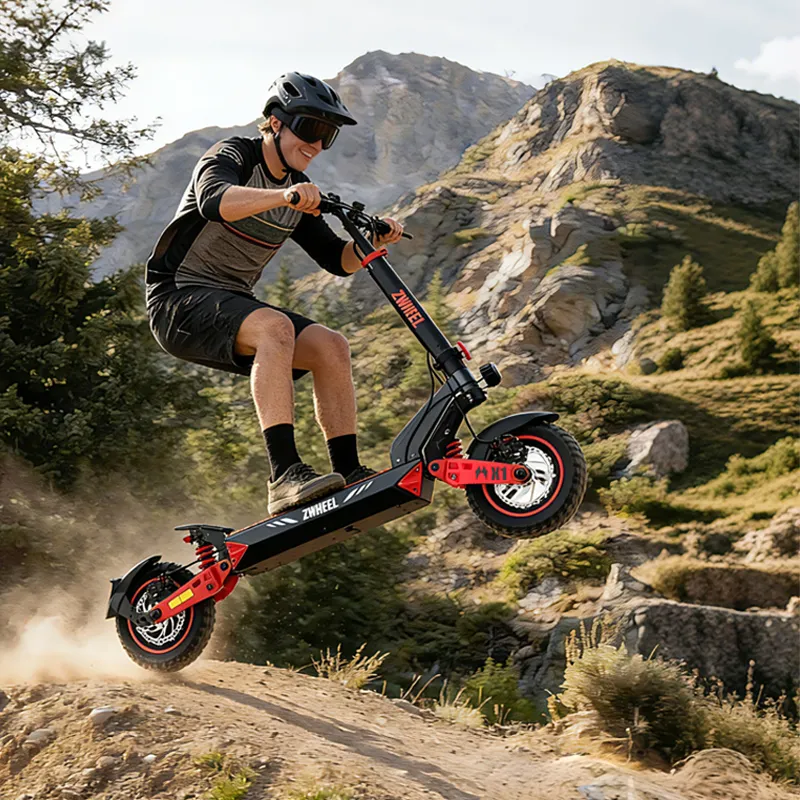
If you ride a high-performance model such as the Zwheel ZSD2 (4000W, capable of 50+ mph), check your state's moped laws carefully. Many riders in this class voluntarily carry insurance because the risk of a serious accident—and a serious lawsuit—is much higher.
United Kingdom
The UK is stricter. Private e-scooters remain illegal on public roads and pavements, though rental scooters in approved trial zones require the operator to carry insurance. If you're caught riding a private scooter on public land, you can face fines and points on your license—even without an accident.
European Union
Most EU countries treat e-scooters like bicycles: no mandatory insurance for low-powered models. But France, Germany, and Belgium require liability insurance for scooters that exceed 250W or 25 km/h. Fines for riding uninsured can reach €500+.
Canada & Australia
Canada leaves it to provinces—Ontario and BC don't require insurance for scooters under 500W, but Alberta does for anything faster than 32 km/h. Australia varies by state; Queensland requires insurance for scooters over 200W, while New South Wales doesn't.
Bottom line: If your scooter is low-powered and you ride responsibly, you likely don't legally need insurance. But legality and wisdom aren't the same thing.
What Does Electric Scooter Insurance Actually Cover?
If you do buy coverage, here's what's typically included—and what isn't.
Liability Coverage
This pays for damage or injury you cause to someone else. If you hit a pedestrian or scratch a car, liability covers their medical bills or repair costs. It's the most important type of coverage and the cheapest—often $5–$15/month.
Theft & Vandalism
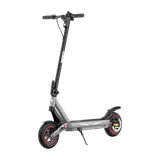
E-scooters are prime theft targets. A 2025 study found that 1 in 5 urban riders had a scooter stolen or attempted theft within two years. Theft coverage reimburses you if your scooter is stolen, usually minus a deductible ($100–$500). Given that a Zwheel ZSB2 costs $650, theft coverage can pay for itself after one incident.
Personal Injury
Some policies cover your own medical expenses if you're injured while riding. This is especially useful in countries without universal healthcare, or if your health insurance has high deductibles.
What's Usually Excluded
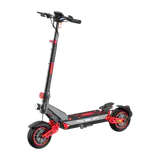
Coverage often excludes racing, stunt riding, riding under the influence, and off-road use on private trails. If you ride a high-performance model like the Zwheel ZSE2 (6000W racing scooter), standard policies may not cover you at all—you'd need specialized coverage.
How Much Does Electric Scooter Insurance Cost in 2026?
Prices have stabilized over the past few years as insurers better understand the risk. Here's what you can expect:
- Basic liability only: $4–$10/month ($50–$120/year)
- Liability + theft: $10–$25/month ($120–$300/year)
- Full coverage (liability, theft, injury, roadside): $25–$50/month ($300–$600/year)
Factors that affect your premium: your scooter's value, your location (urban areas cost more), your riding history, and whether you've taken a safety course. Some insurers offer 10–15% discounts for completing an accredited e-scooter safety program.
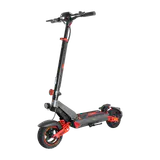
For a $499 commuter like the Zwheel ZSA Plus, full coverage might cost 30–50% of the scooter's value annually—which may not make financial sense. For a $1,400 performance model, it's a different story.
When Electric Scooter Insurance Is Worth It
Insurance isn't about the scooter—it's about the liability. Here's when it's clearly worth the cost:
1. You Ride in Dense Urban Traffic
More cars, more pedestrians, more chances for an accident. If you commute through a city center daily, liability coverage is cheap peace of mind.
2. Your Scooter Is Expensive
If you spent $800+ on a scooter, theft coverage makes sense. Replacing a $900 Zwheel ZSD1 out of pocket hurts; a $300/year policy softens the blow.
3. You Have Assets to Protect
If you own a home or have savings, a liability lawsuit could wipe you out. Liability insurance is the cheapest way to protect your net worth.
4. Your Local Laws Require It
If you ride in a jurisdiction that mandates coverage, don't skip it. Fines and legal trouble aren't worth the savings.
5. You Let Others Ride Your Scooter
If friends or family borrow your scooter, you're liable for their actions. Insurance covers that gap.
When You Can Probably Skip It
Insurance isn't mandatory for everyone. You might reasonably skip it if:
- You ride a low-powered scooter (under 500W) only on private property or bike paths
- Your homeowner's or renter's insurance already covers personal mobility devices (check your policy—many do)
- Your scooter is inexpensive and you can afford to replace it
- You ride rarely and in low-risk environments
Pro tip: Before buying separate coverage, call your renter's or homeowner's insurer. Many policies cover e-scooters under "personal property" or "liability" clauses—sometimes for free. You may already be covered and not know it.
How to Choose the Right Policy
If you decide to buy, here's a practical checklist:
- Compare at least three quotes. Prices vary by 40%+ for identical coverage.
- Check the deductible. A $500 deductible on a $600 scooter is pointless.
- Read the exclusions. Off-road, racing, and modified scooters are often excluded.
- Confirm coverage limits. $100,000 liability is a bare minimum; $300,000+ is safer.
- Ask about safety discounts. Helmets, lights, and safety courses can lower premiums.
Practical Tips to Lower Your Risk (and Premium)
Even without insurance, reducing risk is smart. Here's how:
- Always wear a helmet. It's the single biggest factor in injury severity—and some insurers reward it.
- Use lights and reflective gear. Most accidents happen at dusk or dawn.
- Lock your scooter properly. Use a U-lock plus a cable; cable locks alone are easily cut.
- Avoid riding in rain or snow. Traction drops, and most policies exclude weather-related damage.
- Take a safety course. Many cities offer free e-scooter safety classes that can reduce premiums.
Frequently Asked Questions
Is electric scooter insurance legally required in the US?
No. No US state requires insurance for standard e-scooters under 750W used on public roads. However, if your scooter is classified as a moped or motorcycle (typically 30+ mph), insurance may be mandatory. Check your state's specific laws.
Does my renter's insurance cover my electric scooter?
Often, yes. Many renter's and homeowner's policies cover e-scooters under personal property (for theft) and personal liability (for accidents). Call your insurer to confirm—you may already be covered without buying a separate policy.
How much does electric scooter insurance cost per month?
Basic liability starts around $4–$10/month. Liability plus theft runs $10–$25/month. Full coverage with injury and roadside assistance costs $25–$50/month, depending on your scooter's value and your location.
What happens if I hit someone with my electric scooter and have no insurance?
You're personally liable for their medical bills, lost wages, and property damage. If sued, your assets—savings, home, future income—could be at risk. This is the strongest argument for carrying at least basic liability coverage.
Can I insure a high-performance electric scooter?
Yes, but standard policies often exclude scooters over 750W or those capable of 30+ mph. You'll need specialized coverage from insurers that cater to high-performance EVs. Expect higher premiums and stricter underwriting.
Final Thoughts: Do You Need Electric Scooter Insurance?
For most riders on low-powered scooters, electric scooter insurance—do you need it?—is a personal choice, not a legal requirement. But if you ride in traffic, own an expensive model, or have assets to protect, liability coverage is cheap insurance against a very expensive mistake.
Start by checking whether your existing renter's or homeowner's policy already covers you. If not, get quotes from at least three insurers. And regardless of what you decide, ride safely: wear a helmet, use lights, and lock your scooter properly. The best insurance is avoiding an accident in the first place.
Whether you're commuting on a Zwheel D3S-S or tearing up trails on a ZSD2, knowing your coverage options keeps you riding with confidence—and without surprises.
Ecrit par
Zwheel Team
Membre de l'equipe editoriale Zwheel, couvrant les tendances de mobilite, guides et conseils.