Electric Scooter Laws by State USA 2025: Your Complete Guide
Electric scooter laws vary widely across the US. This 2025 guide covers speed limits, helmet requirements, age minimums, and riding restrictions for all 50 states, plus tips for staying legal and safe.
Sommaire
- Electric Scooter Laws by State USA 2025: What You Need to Know
- Why Electric Scooter Laws Matter in 2025
- Key Electric Scooter Laws by State: A 2025 Overview
- Speed Limits
- Helmet Laws
- Age Requirements
- Where You Can Ride
- State-by-State Breakdown: Electric Scooter Laws USA 2025
- Alabama
- Alaska
- Arizona
- Arkansas
- California
- Colorado
- Connecticut
- Delaware
- Florida
- Georgia
- Hawaii
- Idaho
- Illinois
- Indiana
- Iowa
- Kansas
- Kentucky
- Louisiana
- Maine
- Maryland
- Massachusetts
- Michigan
- Minnesota
- Mississippi
- Missouri
- Montana
- Nebraska
- Nevada
- New Hampshire
- New Jersey
- New Mexico
- New York
- North Carolina
- North Dakota
- Ohio
- Oklahoma
- Oregon
- Pennsylvania
- Rhode Island
- South Carolina
- South Dakota
- Tennessee
- Texas
- Utah
- Vermont
- Virginia
- Washington
- West Virginia
- Wisconsin
- Wyoming
- How to Stay Legal and Safe on Your Electric Scooter in 2025
- Choosing a Scooter That Complies with Your State's Laws
- FAQ: Electric Scooter Laws by State USA 2025
- Do I need a license to ride an electric scooter in the US?
- Are electric scooters allowed on sidewalks?
- What is the maximum legal speed for an electric scooter?
- Do I need insurance for an electric scooter?
- Can I ride an electric scooter at night?
- Conclusion: Ride Smart, Ride Legal in 2025
Electric Scooter Laws by State USA 2025: What You Need to Know
Electric scooters have become a staple of American commuting and recreation, with millions of riders hitting streets, bike lanes, and trails every day. But if you're riding without understanding the electric scooter laws by state USA 2025, you could face fines, points on your license, or worse—a serious accident. The legal landscape is a patchwork of state statutes, city ordinances, and park rules that change frequently. In 2025, several states updated their regulations to address rising scooter popularity, safety concerns, and new technology. This guide breaks down the current rules across all 50 states, so you can ride confidently and legally.
We'll cover key topics like speed limits, helmet laws, age requirements, licensing, and where you can ride. We'll also share practical tips for staying compliant, choosing the right scooter for your state's regulations, and staying safe on the road. Whether you're a daily commuter or a weekend adventurer, this is your one-stop resource for electric scooter laws in 2025.
Why Electric Scooter Laws Matter in 2025
As electric scooters proliferate, lawmakers are scrambling to regulate them. In 2025, many states have moved beyond pilot programs to permanent legislation. The reasons are clear: safety, infrastructure, and liability. According to the National Association of City Transportation Officials (NACTO), shared scooter trips exceeded 100 million in the U.S. in 2024, and private scooter ownership is booming. With more riders, accidents have increased, prompting stricter rules.
Understanding these laws isn't just about avoiding tickets—it's about protecting yourself. Many states now require helmets for certain age groups, limit speeds to 15–20 mph, and ban scooters from sidewalks. Some cities require registration or insurance. Knowing the rules helps you avoid legal trouble and ensures you're covered in case of an accident.
Key Electric Scooter Laws by State: A 2025 Overview
Laws vary significantly from state to state. Below, we summarize the most important regulations for all 50 states, focusing on speed limits, helmet requirements, age minimums, and riding locations. Note that local ordinances can be stricter, so always check with your city or county.
Speed Limits
Most states cap electric scooter speeds at 15–20 mph on public roads and bike lanes. Some allow up to 25 mph on roads with higher speed limits, but that's rare. For example:
- California: 15 mph max on bike paths and roads; 25 mph on roads with speed limits over 25 mph if no bike lane.
- New York: 15 mph in NYC; 20 mph elsewhere.
- Texas: 15 mph on sidewalks; 20 mph on roads.
- Florida: 20 mph on roads; 15 mph on sidewalks.
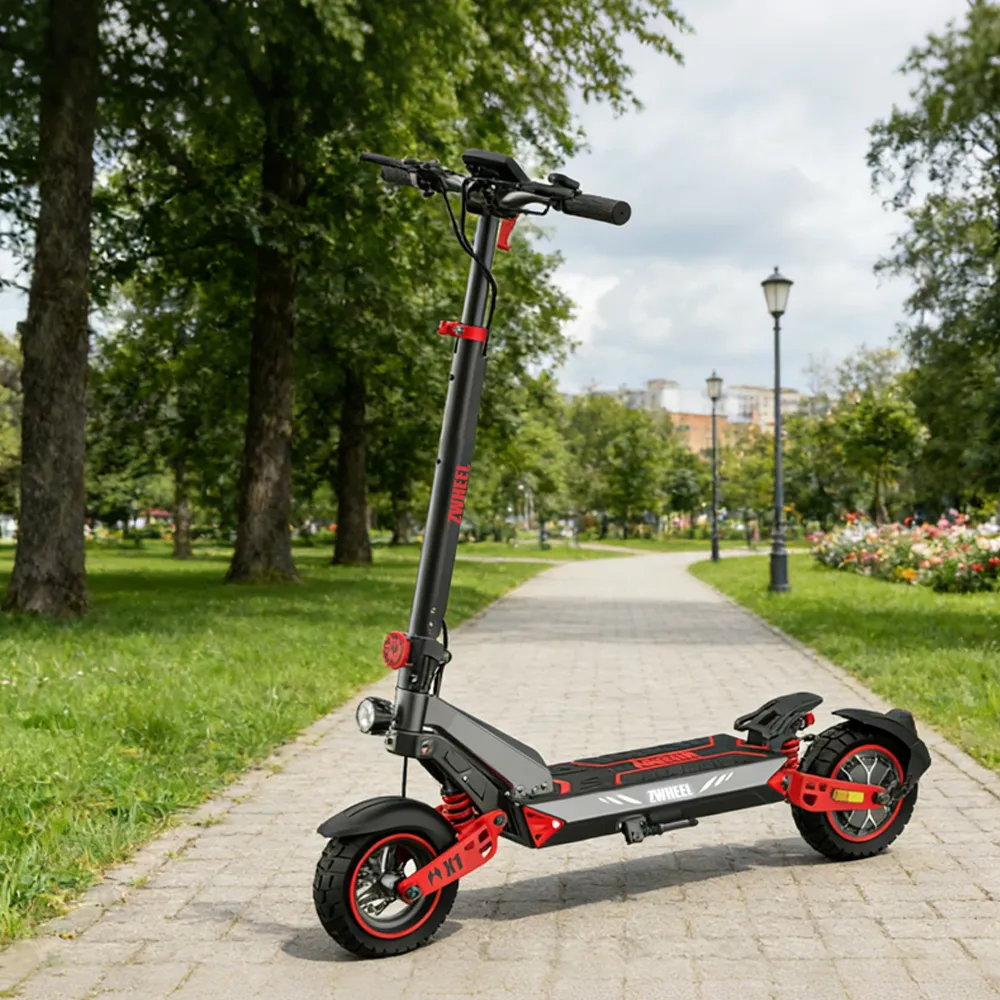
If your scooter can go faster—like the Zwheel ZSE2 (6000W, 50+ mph)—you must limit your speed to legal limits. Most scooters have speed limiters or app controls to cap speed.
Helmet Laws
Helmet requirements are all over the map. Some states require helmets for all riders, others only for minors, and a few have no statewide mandate. As of 2025:
- All riders: California (under 18 must wear helmet; all riders on class 3 e-bikes), New York (under 18), Texas (under 18), Florida (under 16).
- Minors only: Most states, including Illinois, Ohio, and Pennsylvania.
- No helmet law: Colorado, Idaho, Iowa, among others.
Even if not required, we strongly recommend wearing a helmet. The CDC reports that helmet use reduces head injury risk by 60%.
Age Requirements
Minimum age to ride an electric scooter varies from 12 to 18. Common thresholds:
- 12+: California, New York (with adult supervision if under 16).
- 14+: Texas, Florida.
- 16+: Illinois, Ohio, Pennsylvania.
- 18+: Some cities like Chicago require 18+ for shared scooters.
Always check local rules—some cities set higher ages.
Where You Can Ride
Sidewalk riding is a hot-button issue. Many states ban scooters on sidewalks to protect pedestrians. For example:
- California: Sidewalk riding allowed unless prohibited by local ordinance; must yield to pedestrians.
- New York: Sidewalks banned in NYC; allowed elsewhere unless prohibited.
- Texas: Sidewalks allowed unless prohibited; must yield.
- Florida: Sidewalks allowed unless prohibited; must yield.
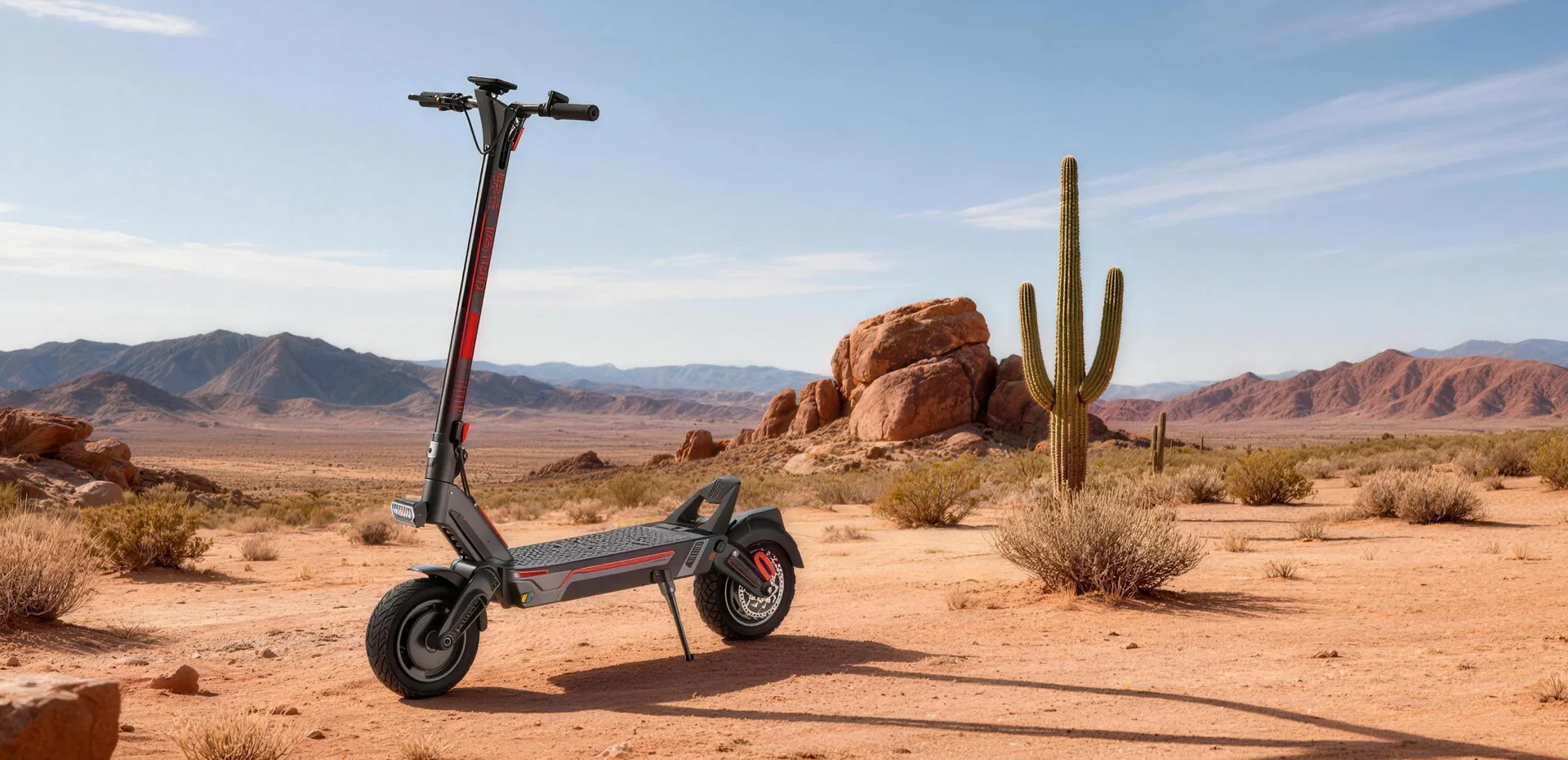
Bike lanes and roads are generally permitted, but not on limited-access highways. Some states allow scooters on trails; others don't. For off-road adventures, check park regulations. A capable scooter like the Zwheel ZSD1 (2000W, off-road) can handle trails, but ensure they're legal for scooters.
State-by-State Breakdown: Electric Scooter Laws USA 2025
Here's a snapshot of key regulations for each state. Remember, this is a summary—always verify with state and local authorities.
Alabama
No statewide scooter law; local ordinances govern. Generally, scooters treated as bicycles. Helmet required under 16. Sidewalk riding allowed unless prohibited.
Alaska
No specific state law; municipalities regulate. Helmet required under 16. Sidewalk riding often allowed.
Arizona
Scooters considered bicycles. Helmet required under 18. Sidewalk riding allowed unless prohibited. Speed limit 20 mph.
Arkansas
No statewide law; local rules apply. Helmet required under 16. Sidewalk riding varies.
California
Helmet required under 18. Speed limit 15 mph on bike paths; 25 mph on roads without bike lanes. Sidewalk riding allowed unless prohibited. No license required.
Colorado
No helmet law. Speed limit 20 mph. Sidewalk riding allowed unless prohibited. Scooters allowed on roads with speed limits up to 30 mph.
Connecticut
Helmet required under 16. Speed limit 15 mph. Sidewalk riding allowed unless prohibited.
Delaware
Helmet required under 16. Speed limit 15 mph. Sidewalk riding allowed unless prohibited.
Florida
Helmet required under 16. Speed limit 20 mph on roads; 15 mph on sidewalks. Sidewalk riding allowed unless prohibited.
Georgia
Helmet required under 16. Speed limit 15 mph. Sidewalk riding allowed unless prohibited.
Hawaii
Helmet required under 16. Speed limit 15 mph. Sidewalk riding allowed unless prohibited.
Idaho
No helmet law. Speed limit 15 mph. Sidewalk riding allowed unless prohibited.
Illinois
Helmet required under 16. Speed limit 15 mph. Sidewalk riding allowed unless prohibited. Chicago requires 18+ for shared scooters.
Indiana
Helmet required under 16. Speed limit 15 mph. Sidewalk riding allowed unless prohibited.
Iowa
No helmet law. Speed limit 15 mph. Sidewalk riding allowed unless prohibited.
Kansas
Helmet required under 16. Speed limit 15 mph. Sidewalk riding allowed unless prohibited.
Kentucky
Helmet required under 16. Speed limit 15 mph. Sidewalk riding allowed unless prohibited.
Louisiana
Helmet required under 16. Speed limit 15 mph. Sidewalk riding allowed unless prohibited.
Maine
Helmet required under 16. Speed limit 15 mph. Sidewalk riding allowed unless prohibited.
Maryland
Helmet required under 16. Speed limit 15 mph. Sidewalk riding allowed unless prohibited.
Massachusetts
Helmet required under 16. Speed limit 15 mph. Sidewalk riding allowed unless prohibited.
Michigan
Helmet required under 16. Speed limit 15 mph. Sidewalk riding allowed unless prohibited.
Minnesota
Helmet required under 16. Speed limit 15 mph. Sidewalk riding allowed unless prohibited.
Mississippi
No statewide law; local rules apply. Helmet required under 16 in some cities.
Missouri
Helmet required under 16. Speed limit 15 mph. Sidewalk riding allowed unless prohibited.
Montana
No helmet law. Speed limit 15 mph. Sidewalk riding allowed unless prohibited.
Nebraska
Helmet required under 16. Speed limit 15 mph. Sidewalk riding allowed unless prohibited.
Nevada
Helmet required under 18. Speed limit 15 mph. Sidewalk riding allowed unless prohibited.
New Hampshire
Helmet required under 16. Speed limit 15 mph. Sidewalk riding allowed unless prohibited.
New Jersey
Helmet required under 17. Speed limit 15 mph. Sidewalk riding allowed unless prohibited.
New Mexico
Helmet required under 18. Speed limit 15 mph. Sidewalk riding allowed unless prohibited.
New York
Helmet required under 18. Speed limit 15 mph in NYC; 20 mph elsewhere. Sidewalk riding banned in NYC; allowed elsewhere unless prohibited.
North Carolina
Helmet required under 16. Speed limit 15 mph. Sidewalk riding allowed unless prohibited.
North Dakota
Helmet required under 16. Speed limit 15 mph. Sidewalk riding allowed unless prohibited.
Ohio
Helmet required under 16. Speed limit 15 mph. Sidewalk riding allowed unless prohibited.
Oklahoma
Helmet required under 16. Speed limit 15 mph. Sidewalk riding allowed unless prohibited.
Oregon
Helmet required under 16. Speed limit 15 mph. Sidewalk riding allowed unless prohibited.
Pennsylvania
Helmet required under 16. Speed limit 15 mph. Sidewalk riding allowed unless prohibited.
Rhode Island
Helmet required under 16. Speed limit 15 mph. Sidewalk riding allowed unless prohibited.
South Carolina
Helmet required under 16. Speed limit 15 mph. Sidewalk riding allowed unless prohibited.
South Dakota
Helmet required under 16. Speed limit 15 mph. Sidewalk riding allowed unless prohibited.
Tennessee
Helmet required under 16. Speed limit 15 mph. Sidewalk riding allowed unless prohibited.
Texas
Helmet required under 18. Speed limit 15 mph on sidewalks; 20 mph on roads. Sidewalk riding allowed unless prohibited.
Utah
Helmet required under 16. Speed limit 15 mph. Sidewalk riding allowed unless prohibited.
Vermont
Helmet required under 16. Speed limit 15 mph. Sidewalk riding allowed unless prohibited.
Virginia
Helmet required under 16. Speed limit 15 mph. Sidewalk riding allowed unless prohibited.
Washington
Helmet required under 16. Speed limit 15 mph. Sidewalk riding allowed unless prohibited.
West Virginia
Helmet required under 16. Speed limit 15 mph. Sidewalk riding allowed unless prohibited.
Wisconsin
Helmet required under 16. Speed limit 15 mph. Sidewalk riding allowed unless prohibited.
Wyoming
No helmet law. Speed limit 15 mph. Sidewalk riding allowed unless prohibited.
Note: This table is a general overview. Many states have additional restrictions for shared scooters, night riding, and insurance. Always check your state's Department of Transportation website and local ordinances.
How to Stay Legal and Safe on Your Electric Scooter in 2025
Navigating the legal maze doesn't have to be stressful. Follow these actionable tips to ensure you're compliant and safe:
- Know your local laws: State laws set the baseline, but cities and counties can be stricter. Check your city's website for scooter ordinances.
- Wear a helmet: Even if not required, it's the single most effective way to prevent serious injury. Choose a CPSC-certified helmet.
- Respect speed limits: Most scooters have apps or limiters to cap speed. If yours doesn't, practice throttle control. The Zwheel ZSA Plus (800W, 25 mph) is a great commuter scooter with adjustable speed modes.
- Use bike lanes and roads: Avoid sidewalks unless allowed. Ride with traffic, not against it.
- Be visible: Use lights and reflective gear, especially at night. Many states require lights after dark.
- Check insurance: Some states require liability insurance for scooters. Your homeowner's or renter's policy may cover you—verify.
- Age matters: If you're under 18, ensure you meet your state's minimum age and helmet requirements.
For off-road riding, ensure you're on private land or legal trails. The Zwheel ZSB2 (1500W, all-terrain) is perfect for mixed surfaces, but always respect land use rules.
Choosing a Scooter That Complies with Your State's Laws
Not all scooters are created equal. If you live in a state with a 15 mph speed limit, buying a 50 mph racing scooter might lead to temptation—and tickets. Consider these factors:
- Speed: Match your scooter's top speed to your state's limit. Many models have speed limiters.
- Weight and size: Some states restrict scooter weight or motor wattage. Check before buying.
- Lights and reflectors: Required in many states for night riding.
- Brakes: Ensure your scooter has reliable brakes—often required by law.
Zwheel offers a range of scooters suitable for different legal environments. For city commuters, the Zwheel D3S-S (1000W, 28 mph) balances power and compliance. For off-road enthusiasts, the Zwheel ZSD2 (4000W) delivers thrills, but check local trail rules.
FAQ: Electric Scooter Laws by State USA 2025
Do I need a license to ride an electric scooter in the US?
In most states, no license is required for electric scooters with motors under 750W and speeds under 20 mph. However, some states classify faster scooters as mopeds or motorcycles, requiring a license, registration, and insurance. Always check your state's specific classification.
Are electric scooters allowed on sidewalks?
It depends on state and local laws. Many states allow sidewalk riding unless a local ordinance prohibits it, but you must yield to pedestrians. Some cities, like New York City, ban scooters on sidewalks entirely. Always prioritize pedestrian safety and follow local signs.
What is the maximum legal speed for an electric scooter?
Most states cap electric scooter speeds at 15–20 mph on public roads and bike paths. A few allow up to 25 mph on certain roads. Exceeding these limits can result in fines. If your scooter can go faster, use speed limiters or ride in private areas.
Do I need insurance for an electric scooter?
Insurance requirements vary. Some states require liability insurance for scooters classified as motor vehicles. Even if not required, insurance is wise for medical and liability coverage. Check with your insurance provider—your homeowner's or renter's policy may already cover you.
Can I ride an electric scooter at night?
Yes, but most states require a white front light and red rear reflector or light. Some also require reflective clothing. Always ride with lights and wear high-visibility gear to stay safe.
Conclusion: Ride Smart, Ride Legal in 2025
Electric scooter laws by state USA 2025 are a mixed bag, but staying informed is your best defense. Remember the key takeaways: check your state and local rules, wear a helmet, respect speed limits, and choose a scooter that fits your legal environment. Whether you're commuting on a Zwheel ZSA Plus or tearing up trails on a Zwheel ZSD2, safety and compliance go hand in hand. As laws evolve, revisit this guide and your local ordinances regularly. Ride responsibly, and enjoy the freedom of electric scootering in 2025 and beyond.
Ecrit par
Zwheel Team
Membre de l'equipe editoriale Zwheel, couvrant les tendances de mobilite, guides et conseils.