Electric Scooter Tire Pressure Guide: PSI Chart & Tips
Discover the optimal tire pressure for your electric scooter with our comprehensive PSI chart. Learn how to adjust PSI for weight, terrain, and performance to maximize range, comfort, and safety.
Sommaire
- Why Tire Pressure Matters for Electric Scooters
- Understanding Electric Scooter Tire Pressure: PSI Basics
- Electric Scooter Tire Pressure PSI Chart
- How to Check and Adjust Your Scooter Tire Pressure
- Tools You’ll Need
- Step-by-Step Guide
- How Tire Pressure Affects Performance and Safety
- Under-Inflation (Too Low PSI)
- Over-Inflation (Too High PSI)
- Adjusting Tire Pressure for Different Conditions
- Wet or Rainy Conditions
- Hot Weather
- Cold Weather
- Carrying Cargo
- Choosing the Right Tires and Scooter for Your Needs
- Frequently Asked Questions About Electric Scooter Tire Pressure
- What is the recommended PSI for electric scooter tires?
- Can I use a car tire pressure gauge on my scooter?
- How often should I check my scooter tire pressure?
- What happens if I ride with too much air in my scooter tires?
- Should I adjust tire pressure for off-road riding?
- Final Thoughts: Keep Your Ride Smooth and Safe
Why Tire Pressure Matters for Electric Scooters
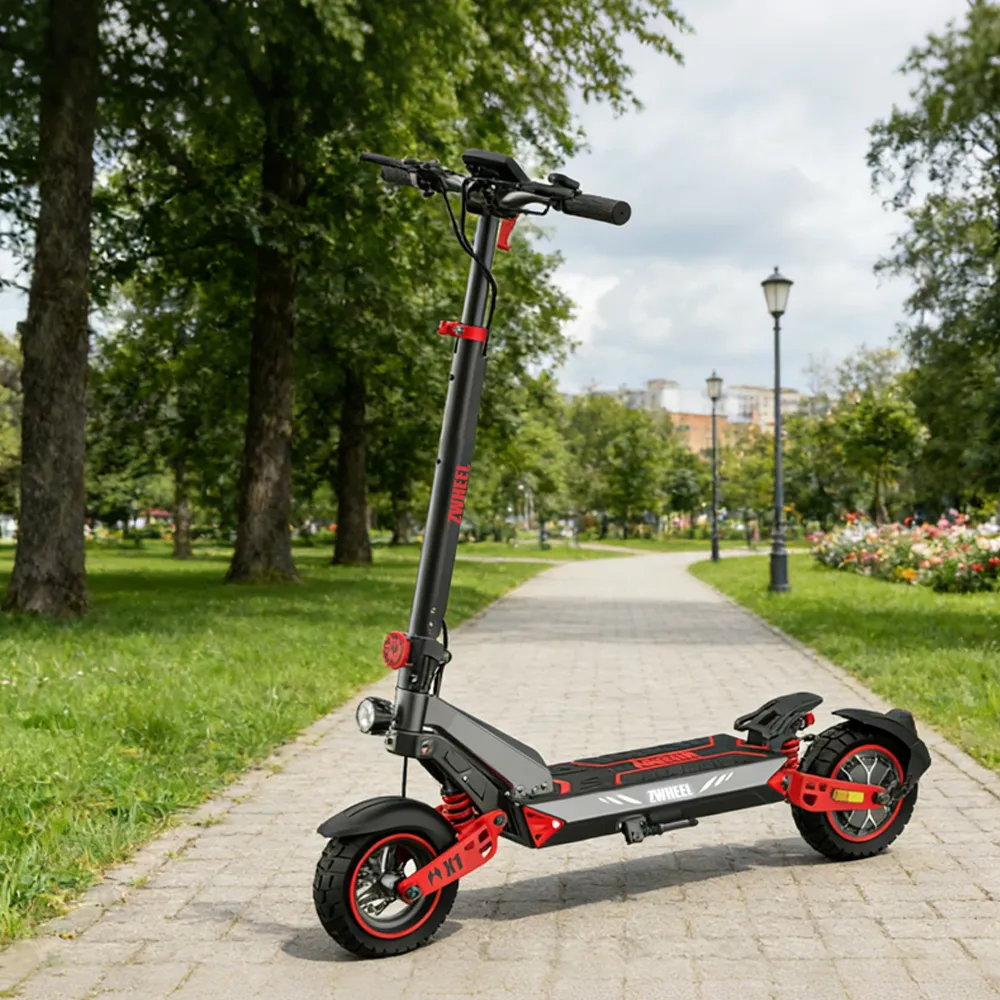
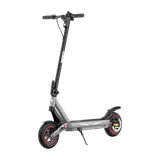
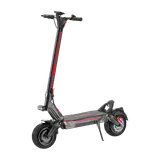
Proper tire pressure is the single most overlooked factor in electric scooter performance, safety, and longevity. Whether you ride a commuter scooter like the Zwheel ZSA Plus or a high-powered off-road machine like the Zwheel ZSD2, the air in your tires directly impacts how your scooter handles, how far you can go, and how much you enjoy the ride. In this electric scooter tire pressure guide, we’ll break down everything you need to know—including a handy PSI chart—so you can dial in the perfect pressure for your weight, terrain, and riding style.
Unlike car tires, scooter tires are much smaller and more sensitive to pressure changes. A difference of just 5 PSI can transform a sluggish, energy-draining ride into a responsive, efficient one. Conversely, neglecting tire pressure can lead to flats, rim damage, and even accidents. Let’s dive into the details.
Understanding Electric Scooter Tire Pressure: PSI Basics
PSI (pounds per square inch) measures how much air pressure is inside your tire. Every scooter tire has a recommended range printed on its sidewall—typically between 30 and 50 PSI for most models. However, the ideal pressure within that range depends on several variables:
- Rider weight: Heavier riders need higher pressure to prevent tire squish and rim strikes.
- Terrain: Smooth pavement calls for higher PSI; off-road or uneven surfaces benefit from lower PSI for traction and cushioning.
- Tire type: Pneumatic (air-filled) tires are adjustable; solid tires are not. Most performance scooters use pneumatic tires.
- Riding style: Aggressive riders may prefer slightly higher pressure for sharper handling.
Always start with the manufacturer’s recommended range and adjust from there. Never exceed the maximum PSI printed on the sidewall.
Electric Scooter Tire Pressure PSI Chart
Use the following chart as a starting point. These recommendations are based on common scooter tire sizes (8–11 inches) and typical riding conditions. Adjust as needed for your specific scooter and preferences.
| Rider Weight | Terrain | Recommended PSI |
|---|---|---|
| Up to 120 lbs (54 kg) | Paved roads | 35–40 PSI |
| 120–180 lbs (54–82 kg) | Paved roads | 40–45 PSI |
| 180–220 lbs (82–100 kg) | Paved roads | 45–50 PSI |
| Up to 120 lbs | Off-road / mixed | 30–35 PSI |
| 120–180 lbs | Off-road / mixed | 35–40 PSI |
| 180–220 lbs | Off-road / mixed | 40–45 PSI |
| 220+ lbs (100+ kg) | Any terrain | 45–50 PSI (max) |
Note: These are general guidelines. Always check your scooter’s manual for specific recommendations. For high-performance models like the Zwheel ZSE2, consult the manual for tire specifications.
How to Check and Adjust Your Scooter Tire Pressure
Checking tire pressure takes less than two minutes but pays off in range, safety, and tire life. Here’s how to do it right:
Tools You’ll Need
- Digital tire pressure gauge (more accurate than analog)
- Bicycle pump with Schrader or Presta valve compatibility (most scooters use Schrader)
- Optional: portable electric pump for convenience
Step-by-Step Guide
- Check when tires are cold: Tire pressure increases as you ride due to heat buildup. For consistency, measure before you ride or at least 3 hours after.
- Remove the valve cap: Keep it in a safe place—they’re easy to lose.
- Attach the gauge: Press firmly to get a reading. If using a pump with a built-in gauge, you can inflate and read simultaneously.
- Compare to recommended PSI: Use the chart above or your manual.
- Inflate or deflate: Add air if low; release air by pressing the valve core if high.
- Recheck and cap: Ensure the valve cap is snug to prevent leaks.
Pro tip: Check your tire pressure weekly, or before every long ride. Small leaks can happen gradually, and you might not notice until handling suffers.
How Tire Pressure Affects Performance and Safety
Your tire pressure influences nearly every aspect of riding. Here’s what to expect when you deviate from the optimal range:
Under-Inflation (Too Low PSI)
- Increased rolling resistance: Your scooter works harder, draining battery faster and reducing top speed.
- Poor handling: Squishy tires make steering feel vague and can lead to wobbles at high speeds.
- Higher risk of flats: Low pressure allows pinch flats (snake bites) when hitting curbs or potholes.
- Rim damage: Without enough air, the rim can contact the ground, causing costly damage.
- Uneven tire wear: Edges wear faster, shortening tire life.
Over-Inflation (Too High PSI)
- Harsh ride: You’ll feel every bump and crack in the road, reducing comfort.
- Reduced traction: A smaller contact patch means less grip, especially in wet conditions.
- Higher risk of blowouts: Over-inflated tires are more susceptible to punctures and sudden failures.
- Center wear: The middle of the tire wears faster, leading to premature replacement.
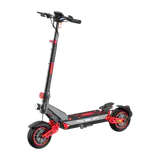
Finding the sweet spot ensures a smooth, efficient, and safe ride. For off-road adventures on a scooter like the Zwheel ZSB2, slightly lower pressure can improve traction on loose surfaces.
Adjusting Tire Pressure for Different Conditions
Your ideal PSI isn’t static—it changes with the weather, load, and terrain. Here’s how to adapt:
Wet or Rainy Conditions
Lower your PSI by 2–3 from your usual setting to increase the contact patch and improve grip. Avoid going too low, as hydroplaning risk increases with excessively low pressure.
Hot Weather
High temperatures can cause pressure to rise. Check pressure when tires are cold and avoid over-inflating. If you’re riding in extreme heat, consider running 2–3 PSI lower than normal to account for expansion.
Cold Weather
Cold air contracts, so your tire pressure may drop. For every 10°F drop, you can expect about 1 PSI loss. In winter, check pressure more frequently and adjust accordingly.
Carrying Cargo
If you’re carrying a heavy backpack or groceries, increase pressure by 2–5 PSI to compensate for the extra weight. This prevents the tires from squishing and improves stability.
Choosing the Right Tires and Scooter for Your Needs
While tire pressure is crucial, the type of tires and scooter you ride also matters. Pneumatic tires offer adjustable comfort and grip, while solid tires are maintenance-free but less forgiving. If you’re in the market for a new scooter, consider models with pneumatic tires for the best balance of performance and adjustability.
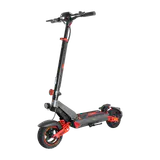
For example, the Zwheel D3S-S features 10-inch pneumatic tires that handle city streets beautifully, while the Zwheel ZSD1 comes with off-road tires designed for mixed terrain. Always check the tire specifications and recommended PSI for your specific model.
Frequently Asked Questions About Electric Scooter Tire Pressure
What is the recommended PSI for electric scooter tires?
Most electric scooter tires recommend between 30 and 50 PSI. Check the sidewall for the maximum and your manual for the ideal range. As a general rule, use 35–40 PSI for lighter riders on smooth roads, and up to 50 PSI for heavier riders or higher speeds.
Can I use a car tire pressure gauge on my scooter?
Yes, a standard car tire pressure gauge works perfectly for scooters, as long as it fits the valve stem. Digital gauges are more accurate and easier to read.
How often should I check my scooter tire pressure?
Check weekly, or before every long ride. Tires naturally lose about 1–2 PSI per month, and temperature changes can accelerate that. Regular checks prevent flats and extend tire life.
What happens if I ride with too much air in my scooter tires?
Over-inflation leads to a harsh ride, reduced traction, and a higher risk of blowouts. It also causes uneven tire wear, requiring earlier replacement.
Should I adjust tire pressure for off-road riding?
Yes, for off-road or mixed terrain, lower your PSI by 5–10 compared to paved-road settings. This increases the tire’s contact patch, improving traction and cushioning on bumps. Just avoid going below the minimum recommended PSI to prevent rim damage.
Final Thoughts: Keep Your Ride Smooth and Safe
Mastering your electric scooter’s tire pressure is one of the easiest ways to enhance performance, safety, and enjoyment. Use our electric scooter tire pressure guide and PSI chart as your reference, and make pressure checks a habit. Whether you’re commuting on a Zwheel ZSA Plus or tackling trails on a high-power model, the right PSI makes all the difference. Ride safe, ride smart, and keep those tires properly inflated!
Ecrit par
Zwheel Team
Membre de l'equipe editoriale Zwheel, couvrant les tendances de mobilite, guides et conseils.